To mark its centenary edition, Wisden Cricket Monthly has catalogued 100 ways the sport has evolved over the past quarter-century. This analysis examines 15 significant developments the game has gained and 10 it has lost.
What new techniques have reshaped modern bowling?
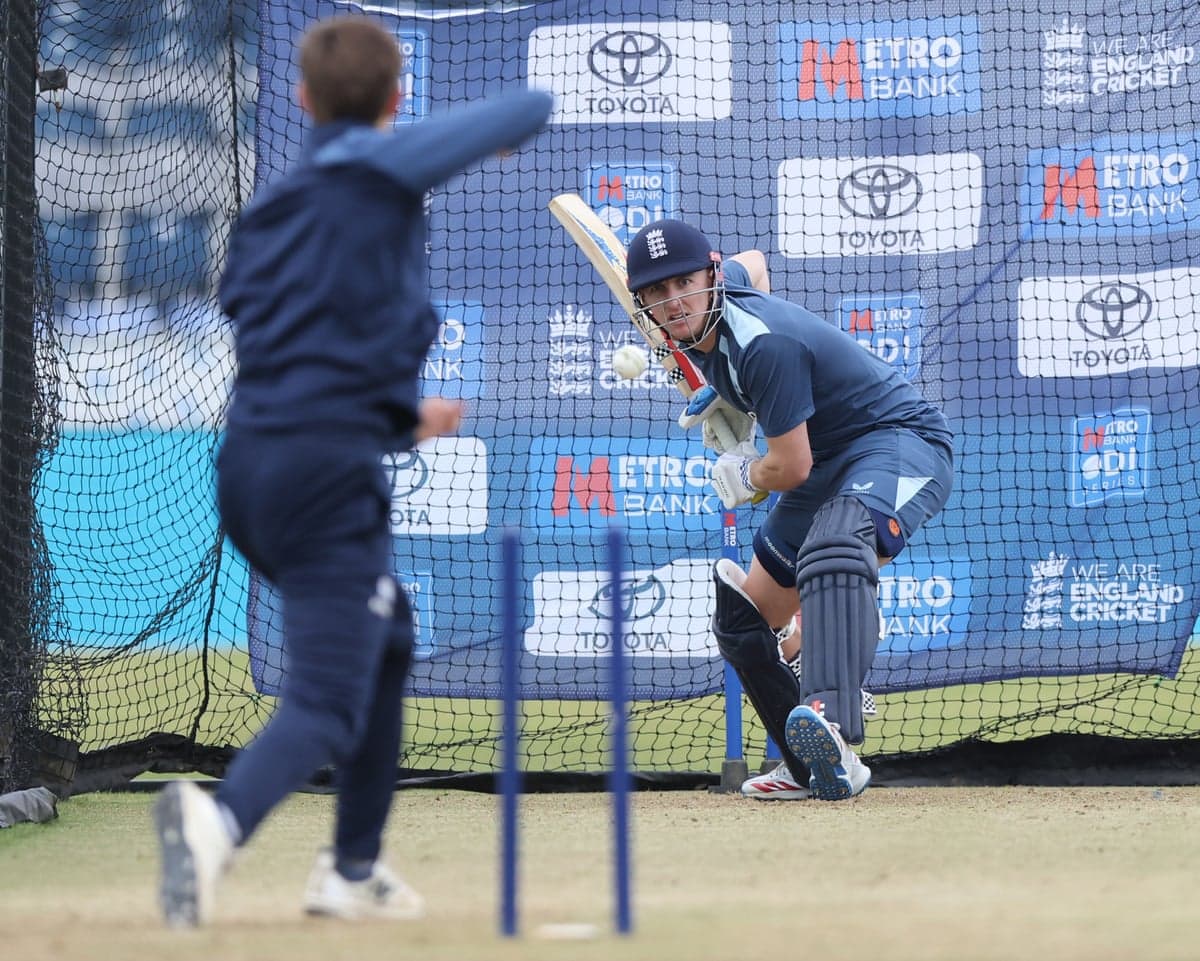
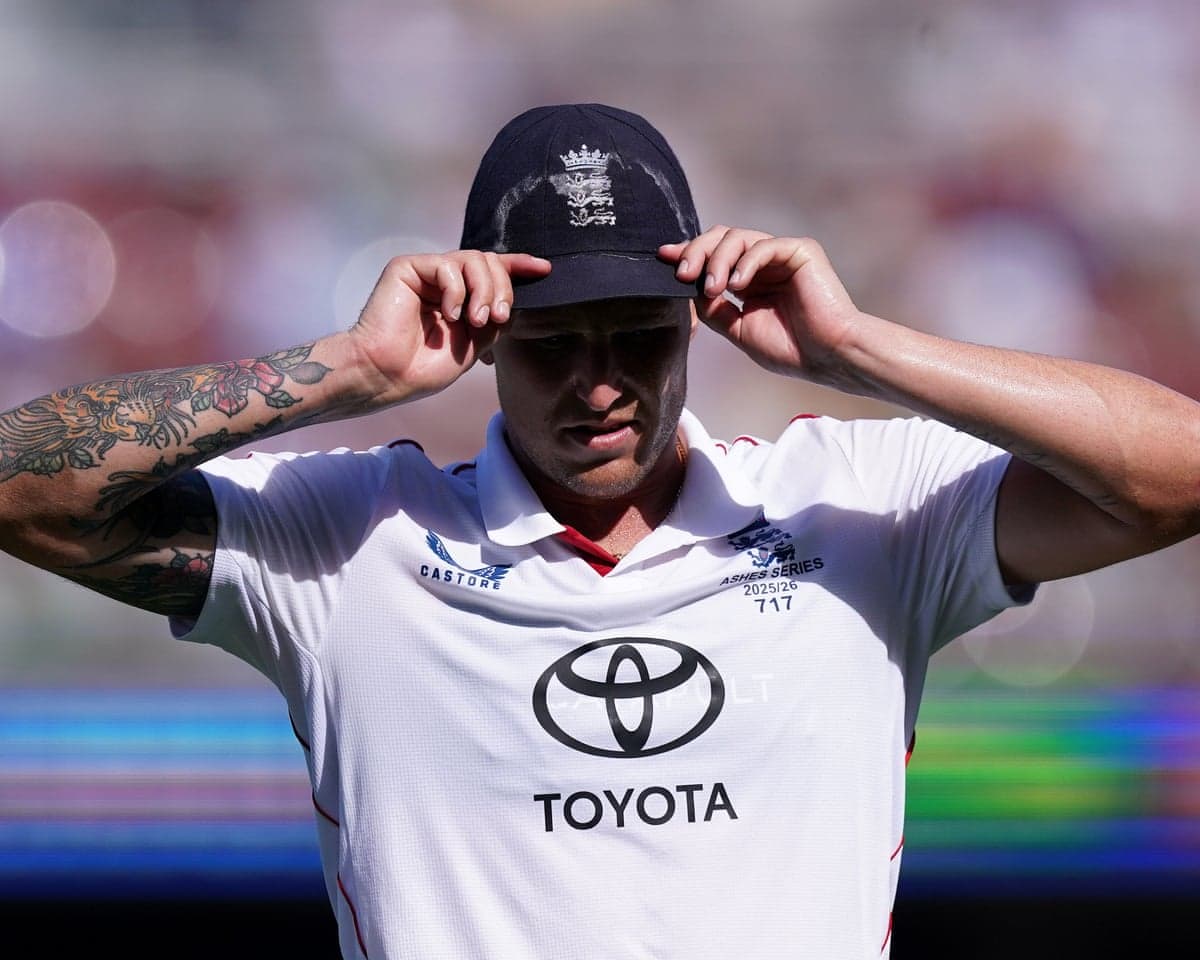
Seam bowlers operating without exceptional pace have become increasingly resourceful, adapting their methods to remain competitive. The wobble seam delivery—a technique where the ball is released from the edge of the seam, causing unpredictable lateral movement—has emerged as transformative for a generation of bowlers including Vern Philander, Mohammad Abbas, Scott Boland and Sam Cook. Their modest speeds are offset by precision placement that generates movement off the ball's initial trajectory. The delivery was first perfected by Stuart Clark, later adopted by Stuart Broad, and described by coaching specialist Troy Cooley as a "dirty seam" approach. According to recent England Test cricket coverage, Josh Tongue has actively deployed this tactic in contemporary matches, with immediate success in the third Test against Pakistan. This evolution has ushered in an era where batting averages have declined sharply, restoring bowlers to a position of tactical dominance.
How have batting displays become more theatrical?
The no-look six—cricket's equivalent of the rabona in football—has entered the modern game's vocabulary, though its necessity remains debatable. Dewald Brevis has established himself as the primary exponent of this showmanship, with Harry Brook emerging as a close rival. The risk remains that Brook will execute such a stroke during a Test match while batting around 140 runs, only to face public criticism regardless of the context or outcome.
What safety measures were introduced after tragedy?
In late November 2014, the Australian left-hander Phillip Hughes suffered a catastrophic injury while attempting a pull shot to a Sean Abbott bouncer at the Sydney Cricket Ground. The impact fractured his vertebral artery, triggering a massive brain haemorrhage. Hughes never regained consciousness and died three days before his 26th birthday. Medical literature had recorded fewer than 100 such cases globally.
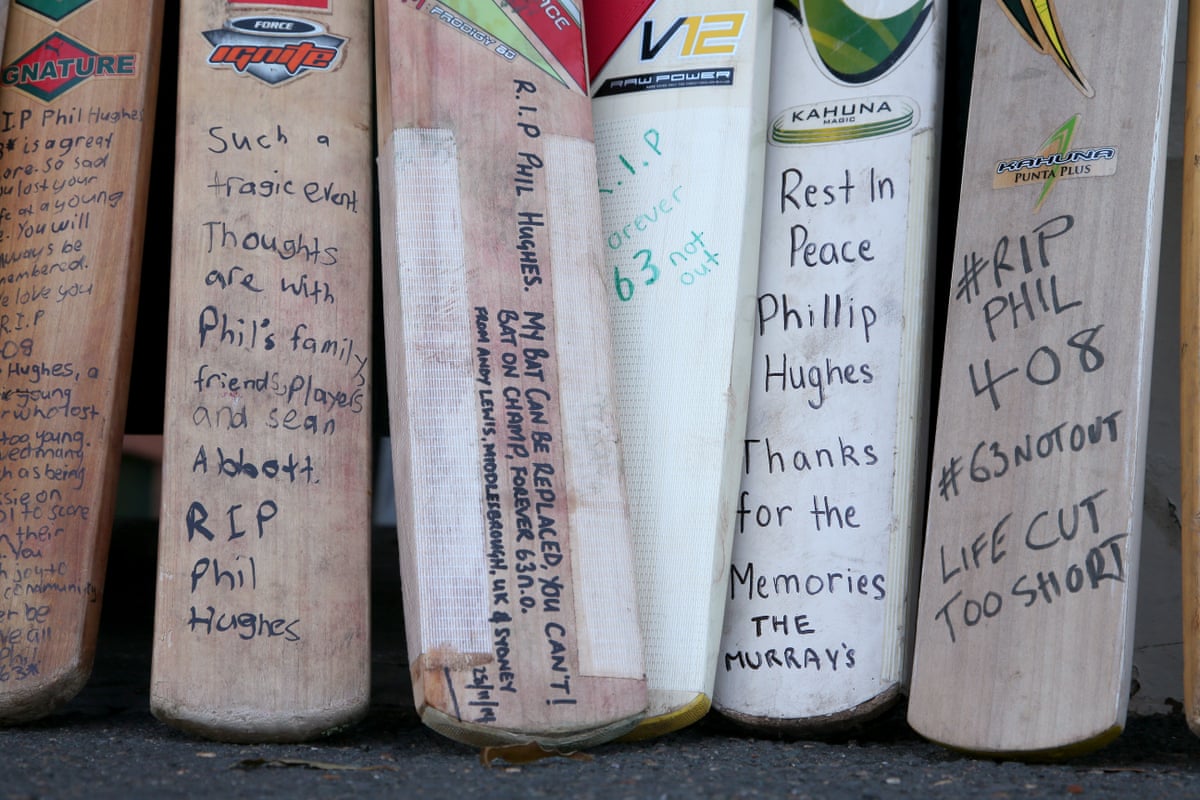
The response transcended cricket's traditional boundaries. An information technology worker and former Sydney grade cricketer placed his bat outside his house with his club cap on the handle, posting the image on Twitter. Within hours, thousands worldwide had replicated the gesture. In New York, Hugh Jackman positioned a cricket bat on an empty Broadway stage before a performance. In Munich, Elton John dedicated "Don't Let the Sun Go Down on Me" to Hughes' memory.
Within weeks, helmet manufacturers had engineered neck guards—bulky high-impact plastic attachments fitted to helmet rims—to shield the vulnerable region. Most players adopted them rapidly. According to Cricket Australia's 2023 announcement, neck protectors became mandatory for players facing fast or medium-pace bowling from 1 October 2023. The neck guard now stands as a permanent visual reminder of that day, when the sport fundamentally changed. Additionally, ICC-sanctioned equipment updates took effect from 1 May 2026, including helmet certification requirements tied to neck-protector compatibility.
How have bowlers adapted their angles against left-handed batters?
Stuart Broad may not have originated the round-the-wicket approach against left-handed batters, but he has perfected and popularised it. Right-arm bowlers now routinely employ this tactic, standing on the angle to neutralise the traditional advantages that southpaws have enjoyed since Frank Woolley's era. This strategic shift has become standard practice across modern cricket.
Why have mystery spinners proliferated?
Contemporary cricket features an abundance of leg-spinners, left-arm wrist spinners, carrom-ball specialists, ambidextrous bowlers and round-arm practitioners. Every competitive white-ball team maintains at least one bowler capable of producing unconventional deliveries. Rashid Khan, Mujeeb Ur Rahman and Noor Ahmad have built Afghanistan's entire cricketing culture around this approach. The carrom ball—squeezed from between thumb and middle finger to break opposite to a standard off-break—represents perhaps the most audacious innovation. Short-form cricket has extracted much from traditional formats while simultaneously returning tenfold in creative bowling methods.
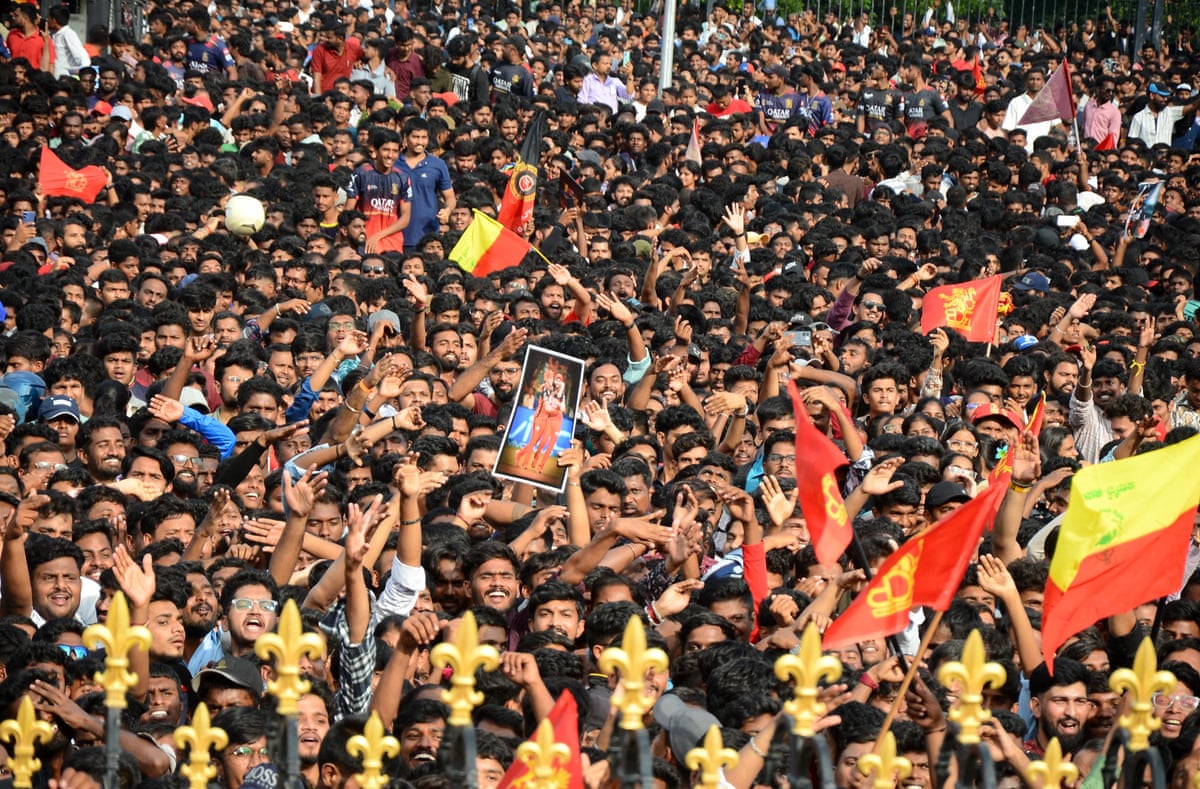
The Indian Premier League has become the world's second most lucrative sports league, functioning as the ultimate destination and grandest theatre. Yet fewer than a few hundred people alive can recall who won yesterday's match, such is the relentless pace of the competition.
Have fielding celebrations changed the game's culture?
When a barista successfully pours coffee or a delivery driver arrives with a package, society does not summon neighbours for applause or offer congratulatory contact. Yet when a cover fielder dives to save a couple of runs, it prompts elaborate public celebration. While players demonstrate admirable commitment and emotional investment, the question remains whether such reactions are proportionate to routine defensive actions. Mercifully, this professional affectation has not infiltrated recreational cricket, where the sport remains something to be endured rather than enjoyed.
How have smartphones altered player conduct?
Modern cricketers must surrender their phones to match referees, preventing suspicious communications about pitch conditions or dressing-room morale. Social media has fundamentally altered player behaviour, as any indiscretion risks immediate online exposure. The era when athletes could privately misbehave has ended.
What changes have wicketkeeping equipment undergone?
Historically, wicketkeepers wore batting pads—bulky protective gear that resembled surfboards. Farokh Engineer and Deryck Murray exemplified this era, managing stumps under one arm while navigating their oversized leg protection. Contemporary wicketkeeping pads are markedly different, so refined that they sometimes sit entirely within trouser legs. Sarah Taylor famously dispensed with them altogether, an audacious choice justified by her exceptional hands.
How has player self-expression evolved through tattoos?
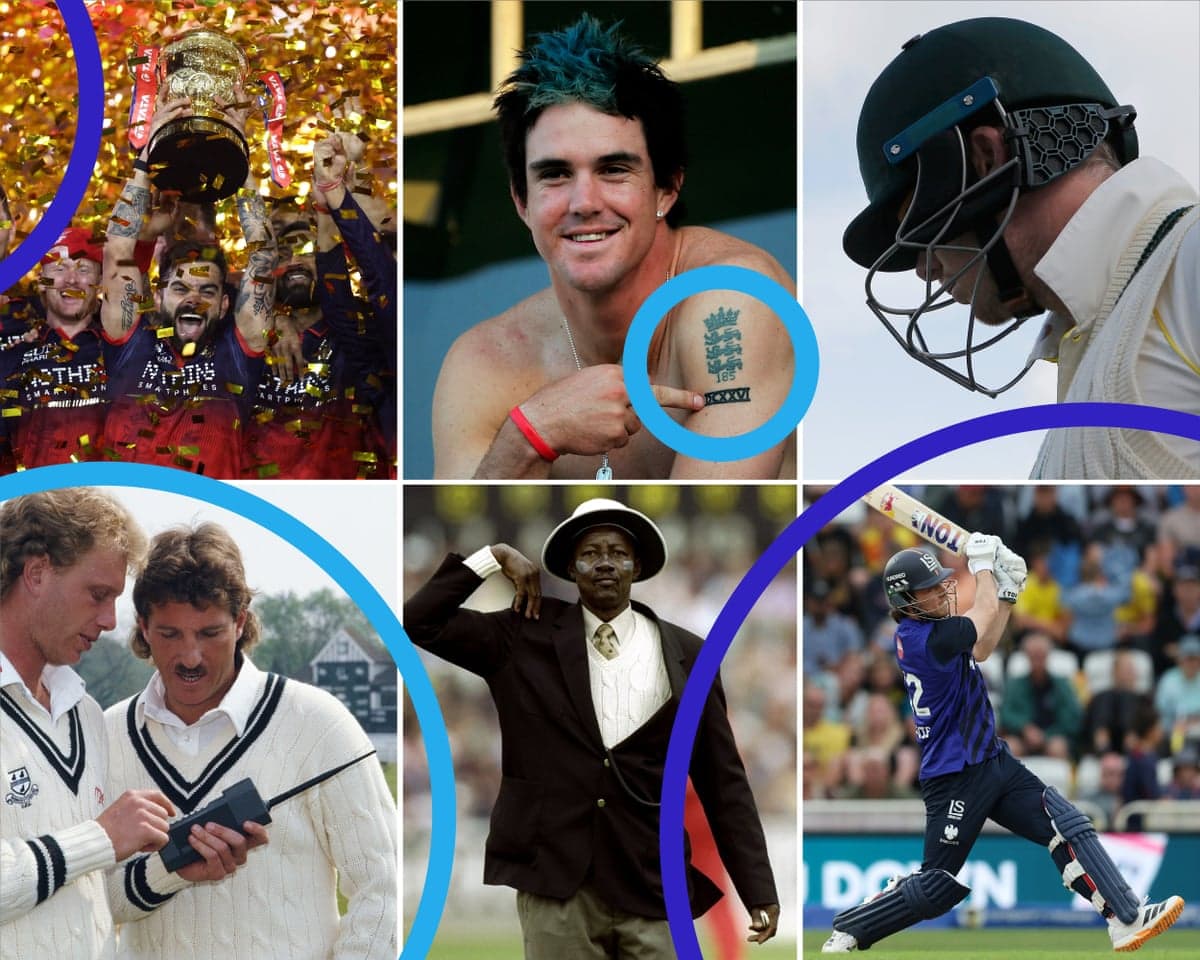
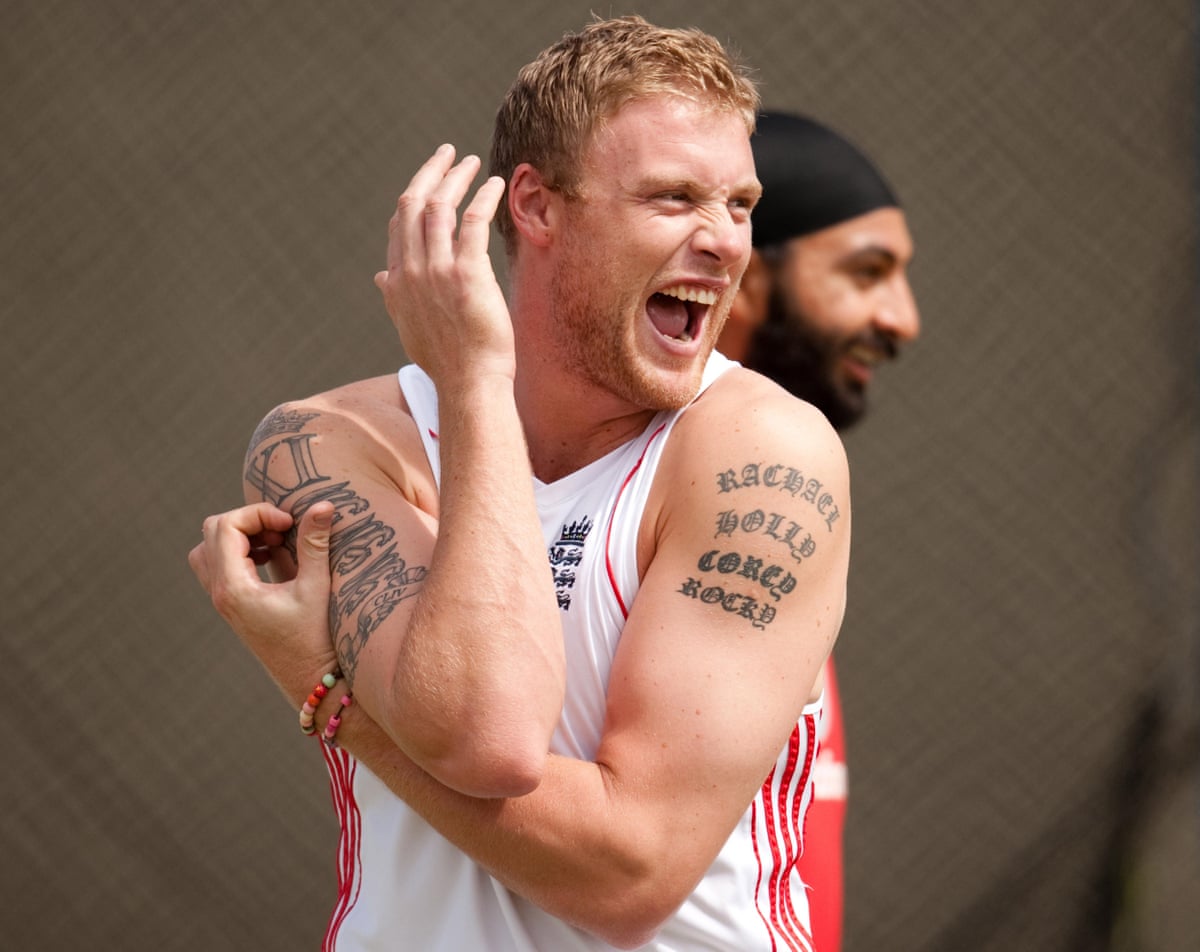
The 1990s represented a largely tattoo-free era in cricket, though Darren Gough was an exception. Michael Slater famously received the digits 356 as his Baggy Green cap number, only to discover that Brendon Julian held that same number. Kevin Pietersen's arrival marked a turning point, adorning himself with a three lions design. Andrew Flintoff followed suit, and now journeyman bowlers routinely ink their arms with Chinese proverbs, serpents, floral imagery and self-help slogans.
How has podcasting influenced cricket media?
In 2004, writer Ben Hammersley coined the term "podcast" to describe amateur recording programmes distributed via RSS feeds for early iPod users. Today, the media landscape overflows with podcasts, and cricket has embraced the medium enthusiastically. Quality varies considerably, but players now use podcasts to control their narratives, promote commercial products and conduct informal interviews with teammates.

What role might four-day Tests play in cricket's future?
Discussions surrounding four-day Test cricket have intensified as the sport faces scheduling pressures. Four-day formats with mandatory minimum overs per day offer cricket boards greater flexibility to include additional matches in series while easing player workloads. Smaller nations such as Ireland and Zimbabwe benefit from extended formats, improving their chances of avoiding defeat. A Cricinfo study in 2024 demonstrated that Test matches are completing in fewer overs than ever before, with the average match span from January 2020 to March 2024 standing at 295 overs—approximately three days and one session. Modern attacking tactics have opened strategic possibilities within four-day frameworks. However, marquee series would remain unaffected at five days, preserving the traditional format for cricket's most significant contests.
How did the pandemic reshape cricket's operational reality?
When global lockdowns commenced, English cricket faced an existential choice: fulfil fixtures or risk financial collapse. While recreational cricket advocates lobbied government to permit outdoor play—discussions complicated by Boris Johnson's assertion that cricket balls constituted a "vector of disease"—the England and Wales Cricket Board persuaded the West Indies and Pakistan to tour Covid-ravaged Britain for three Tests each. Old Trafford and Southampton were selected as venues because they possessed onsite hotels, creating hermetically sealed environments. This surreal arrangement persisted for two years, culminating in England's collective breakdown during the 2021-22 Australian tour.
How has cricket's language evolved?
The sport's lexicon of peculiar phrases and absurd terminology remains cherished, with Test Match Special broadcasts demonstrating the game's essential eccentricity through references to heavy lengths, deep points and backward squares. Yet this language continuously evolves. The shift toward non-gendered terminology—such as "batter" instead of "batsman" and "deep third" instead of "third man"—represents symbolic thinking adjustments, though not all observers embrace these changes. Meanwhile, clichéd language has proliferated, with players constantly "executing plans" and "silencing doubters."
How have player celebrations become more intense?
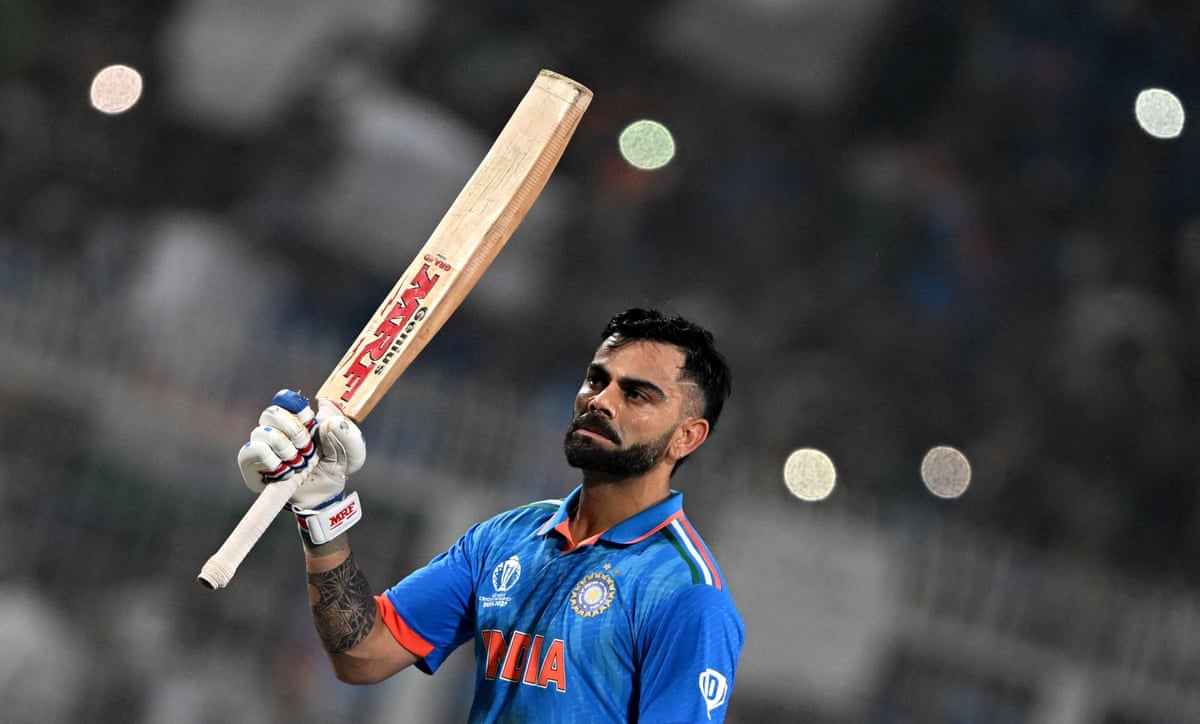
Contemporary cricketers display heightened emotional reactions during moments of success. Nasser Hussain's three-fingered rebuke to the press, Denesh Ramdin's emotional invocation of Viv Richards, and Virat Kohli's eruptions at perceived slights exemplify this shift. Players simultaneously claim to "block out the noise" while loudly "silencing doubters," creating a sonic contradiction. This theatrical intensity demonstrates genuine emotional investment, though it reflects broader cultural changes in sports performance.
What techniques have disappeared from modern cricket?
The doosra—meaning "other one" in Urdu—promised to revolutionise spin bowling before questions emerged about its legality and feasibility. Bowlers required either exceptional physical attributes or questionable techniques to execute it effectively. Cricket Australia discouraged its coaching, the sport closed ranks, and the delivery faded from prominence.
Silly-point, once a legitimate fielding position, became increasingly obsolete. Ricky Ponting's 2009 incident—when he spat blood and instructed Matt Prior to leave the position after being struck in the face—symbolised the position's final decline. The role now appears simultaneously silly and dangerous.
The follow-on rule once dominated tactical discussions, but VVS Laxman and Rahul Dravid's famous Kolkata partnership demonstrated its limitations. The tactic received its final blow at Wellington three years ago when Ben Stokes, pursuing bonus points, enforced the follow-on and lost by a single run.
Six-Test series have become rare, with most teams no longer receiving such extended tours annually. Cigarette sponsorship has vanished entirely—the John Player League and Benson & Hedley Cup have given way to investment banks, offshore betting companies and peanut butter brands.
Rest days, once standard features of Test cricket, have largely disappeared. Until the mid-1990s, English Test matches included Sunday rest days, with Lord's persisting longest in this tradition. Now rest days occur only when matches clash with national events, such as Sri Lanka versus New Zealand during an election period. Sanjay Manjrekar recorded an album during his playing prime, a curiosity from another era.
Big, powerful fast bowlers—the archetypal "Hoggardian rump"—have become less common, replaced by more varied bowling approaches. Umpires with distinctive personalities have similarly faded. While Marais Erasmus brings quiet humour to his role, the era of characters like Rudi "Slow Death" Koertzen and "Big" Steve Bucknor has ended. Technology has eliminated the need for umpires' individual quirks and mannerisms.
Perth's cricket experience has transformed dramatically. The Waca, once a savage battleground against the elements, now rests while the Optus Stadium hosts Test cricket. Though superficially similar, the new venue offers cleaner viewing experiences, safety features and shade—comforts that diminish the primal struggle that once defined Perth cricket.
Gravy and Mayfield—legendary Antiguan drag queens who performed at the Rec in St John's—once epitomised West Indies Test cricket, gyrating from the rafters while Chickie's Disco provided music and players bashed the ball. This theatrical tradition has vanished.
Modern cricket no longer tolerates useless batters. Players must provide "value," be "rounded" and "multifaceted." The virtue of arriving seven minutes late with flannels in a rucksack, sleeping through the first innings and winning in the evening with flight and guile has disappeared. Contemporary cricket demands professionalism and specialisation above all else.
What comes next for cricket?
The 2026 County Championship season runs from 3 April to 27 September 2026, providing ongoing opportunities to observe how these changes continue reshaping the domestic game. Wisden Cricket Monthly's centenary issue, published on 24 August 2026, frames these transformations as spanning batting, bowling, technology and media—a comprehensive survey of how cricket has evolved across all dimensions of the sport.