The playing surface at Lord's during the second Test against Pakistan presented significant challenges for batsmen, though it fell short of the extreme conditions that prompted an International Cricket Council investigation into the ground's previous fixture in June. The Marylebone Cricket Club responded by engaging independent specialists to assess and improve pitch quality, signalling growing concern about the venue's consistency.
When New Zealand visited in June, the wicket produced such erratic behaviour that it drew a scathing unsatisfactory rating from the ICC. The MCC moved swiftly ahead of the current match by releasing a statement during the fourth innings, declaring that
independent specialists were confident that there are solutions to improving pitch quality and performance.
The surface used for the Pakistan Test, while not reaching those extremes, still generated pronounced lateral movement for fast bowlers alongside occasional unpredictable bounce. These conditions have reignited longstanding complaints about Lord's as a Test venue. England ultimately defeated Pakistan by 194 runs on 30 August 2026, securing an unassailable 2-0 series lead, though rain restricted play to just 24.5 overs on the third day.
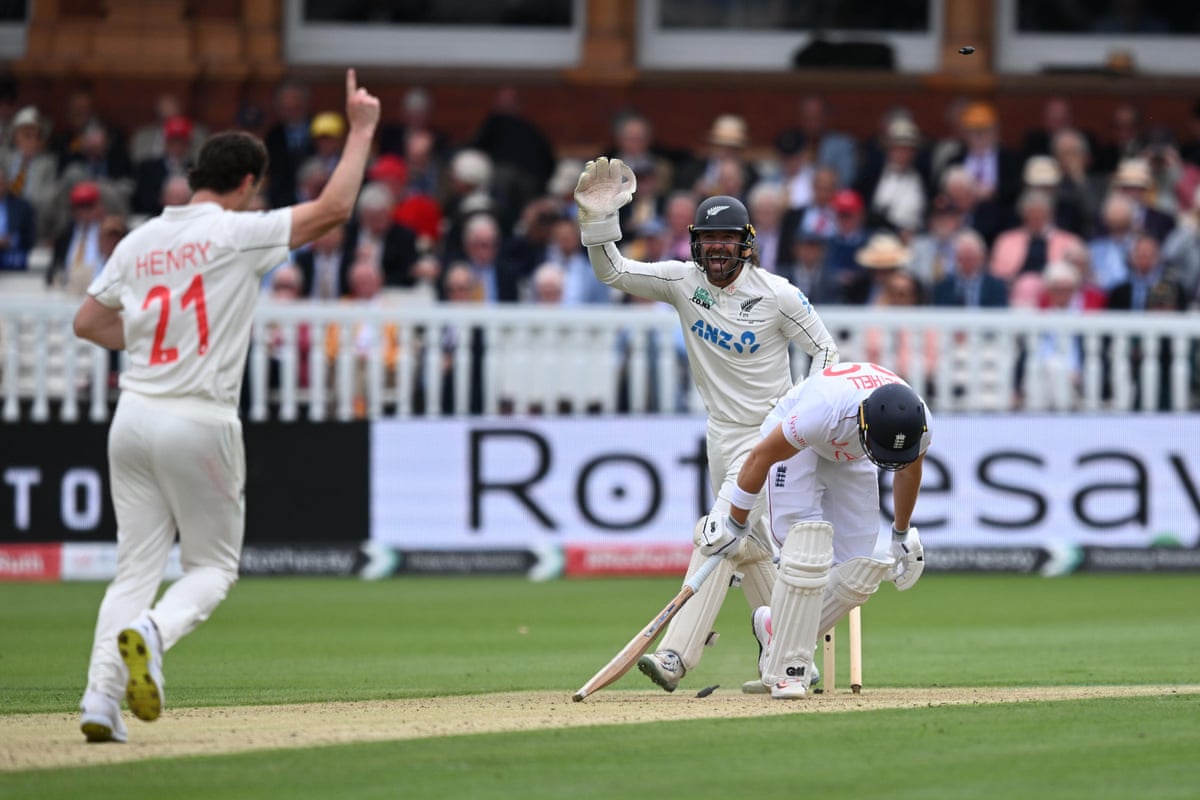
The current difficulties represent a return to patterns that dominated cricket at this ground in the nineteenth century. In 1859, Surrey arrived for a match, assessed the pitch and departed without playing. Five years later Sussex followed suit. While Pakistan had no such option, the type of deliveries that dismissed Jacob Bethell against New Zealand and Emilio Gay in England's second innings echo delivery patterns from 160 years prior.
Alfred Lubbock, a leading batsman of the 1860s who also won a bronze medal in pole vault at the 1868 British athletics championships and appeared in the 1875 FA Cup final, recalled the conditions vividly.
At Lord's it was a common occurrence to have three shooters and the other ball out of an over of four bump right over the batsman's head, he observed of that era's unpredictability.
The Lubbock family exemplified Victorian sporting versatility: Alfred's brother Edgar played first-class cricket, reached the third round at Wimbledon and won the FA Cup twice, while another brother, John, entered politics and created bank holidays—originally termed St Lubbock's Days in his honour—while authoring significant works on insects and coining the terms paleolithic and neolithic.

How has this summer affected Lord's record books?
This has been a paradoxical summer for the ground, marked by nationwide drought yet disrupted by rain at both Lord's Tests—conditions that likely prevented the first match from concluding in two days and the current fixture in three. The dismissal of Saud Shakeel for 97 on Sunday marked the 43rd year in which Lord's has hosted two or more Tests. Despite his efforts, the average runs per wicket stands at 16.57, the lowest since 1958, when Jim Laker and Tony Lock claimed 14 wickets between them as New Zealand were dismissed for 47 and 74.
The honours board has seen minimal additions this year—the last time no batsmen reached the required threshold was 1995. However, Kevin Oakley, the signwriter responsible for gilding names onto Lord's honours boards, has been exceptionally busy elsewhere. Five five-wicket hauls have been recorded in Tests here this summer, surpassing the previous record of three, achieved when three games were staged in 2010—a series in which Pakistan featured in two matches, losing decisively to both England and Australia in a fixture marking Steve Smith's Test debut.
What triggered concerns about Lord's as a Test venue?
The ICC's unsatisfactory rating following the New Zealand Test in June prompted significant institutional responses. The 2027 World Test Championship final was relocated to The Oval, with the decision linked partly to concerns over Lord's pitch quality. The MCC statement acknowledged that
our ground is not alone in facing challenges around pitch preparation and the executive have had productive conversations with their counterparts at other venues facing similar challenges both within cricket and across the wider sporting world.
The governing body announced plans to recruit
four to six leading experts with diverse skillsets and knowledgeto form an agronomy advisory group. This institutional response reflects a broader recognition that pitch management requires specialist intervention—a principle that has endured since Victorian times, when forming committees remained the default solution to complex problems.
What were the match statistics?
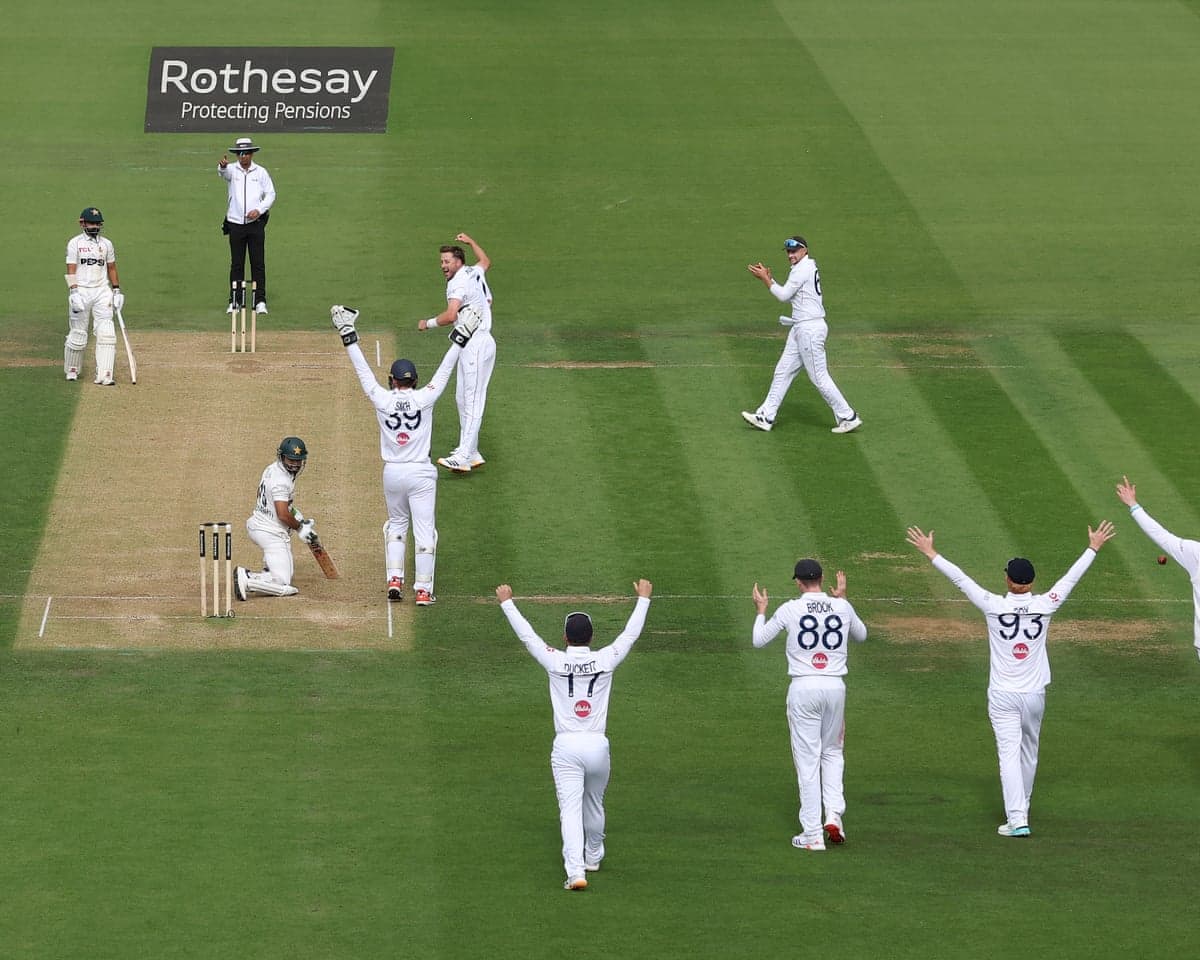
England's bowlers proved decisive in securing victory. Ollie Robinson took 4 for 11 in Pakistan's first innings while Jofra Archer claimed 3 for 26, with England posting 290 all out and 208 in their two innings while Pakistan managed 110 and 194 for 9. Mohammad Abbas emerged as Pakistan's standout performer, claiming four wickets in England's first innings and five in their second for match figures of nine wickets.
What lies ahead for Lord's?
The MCC has committed to
establish Lord's as a global benchmark for pitch quality, a declaration that carries considerable weight given the ground's recent trajectory. After hosting four County Championship games, three men's or women's Tests, two List A matches, 11 days of T20 or Hundred action—several featuring double-headers—and various lower-profile fixtures, the ground's summer schedule approaches completion. Pakistan's 389 in their first innings, set as a target for England to chase, proved one of the more unlikely outcomes produced at St John's Wood this season.