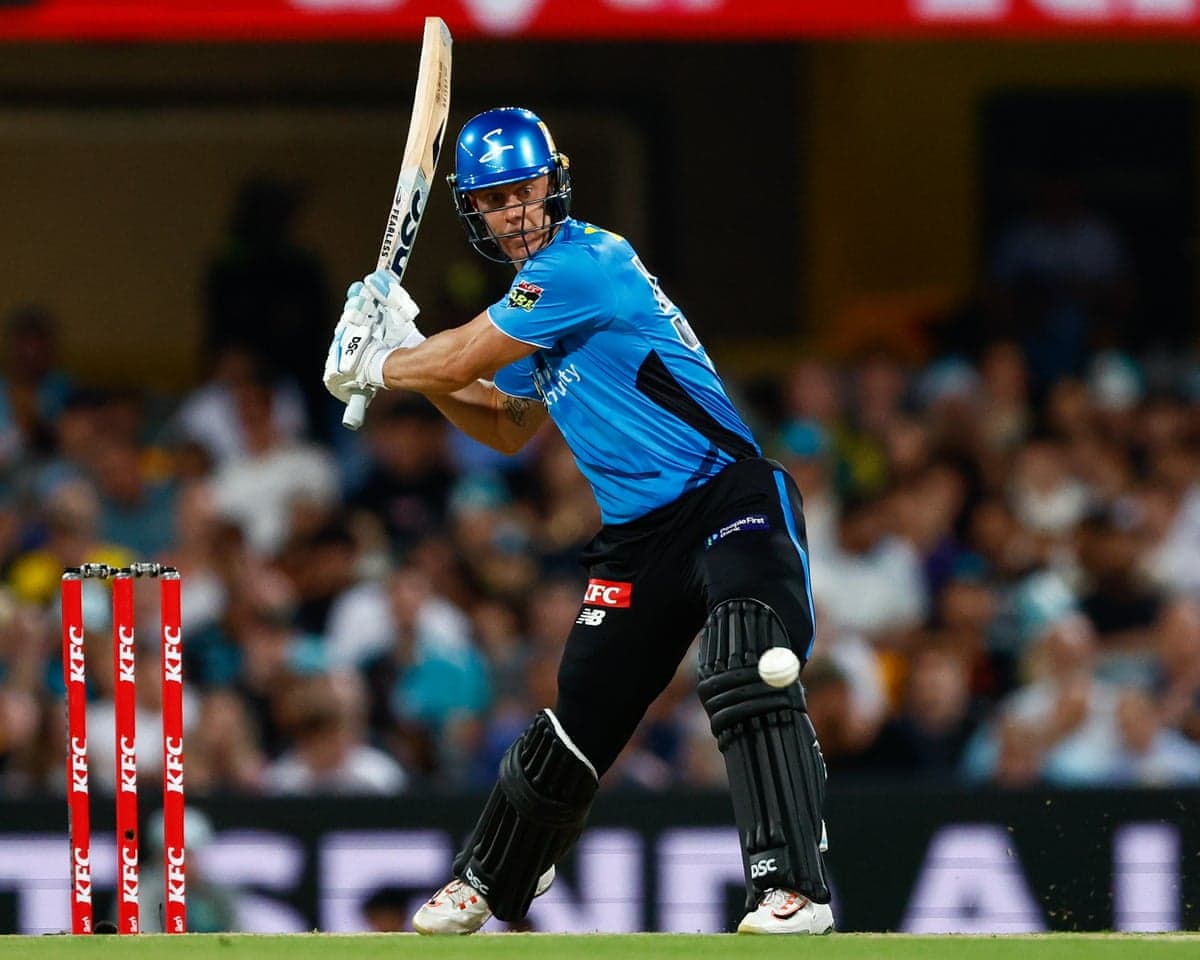
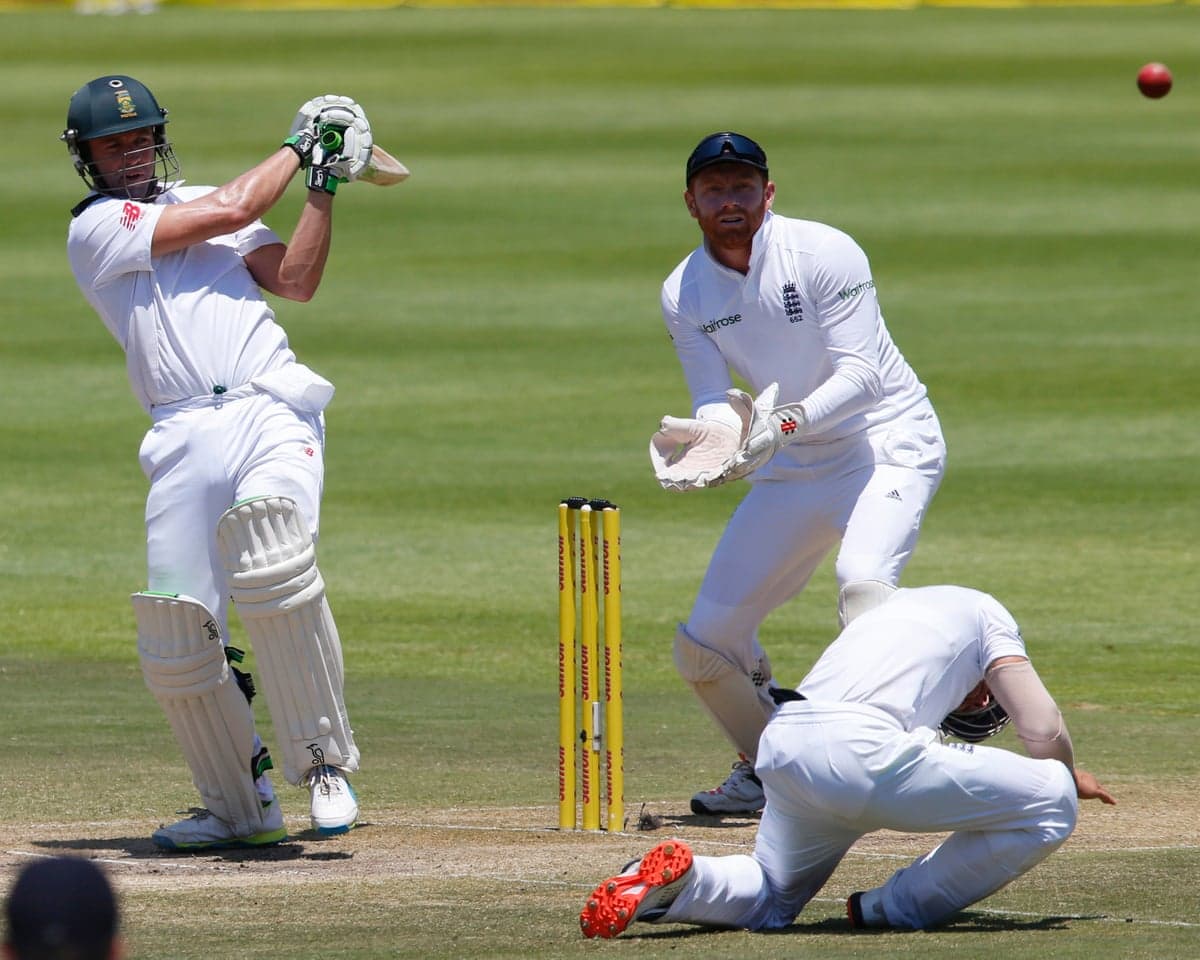
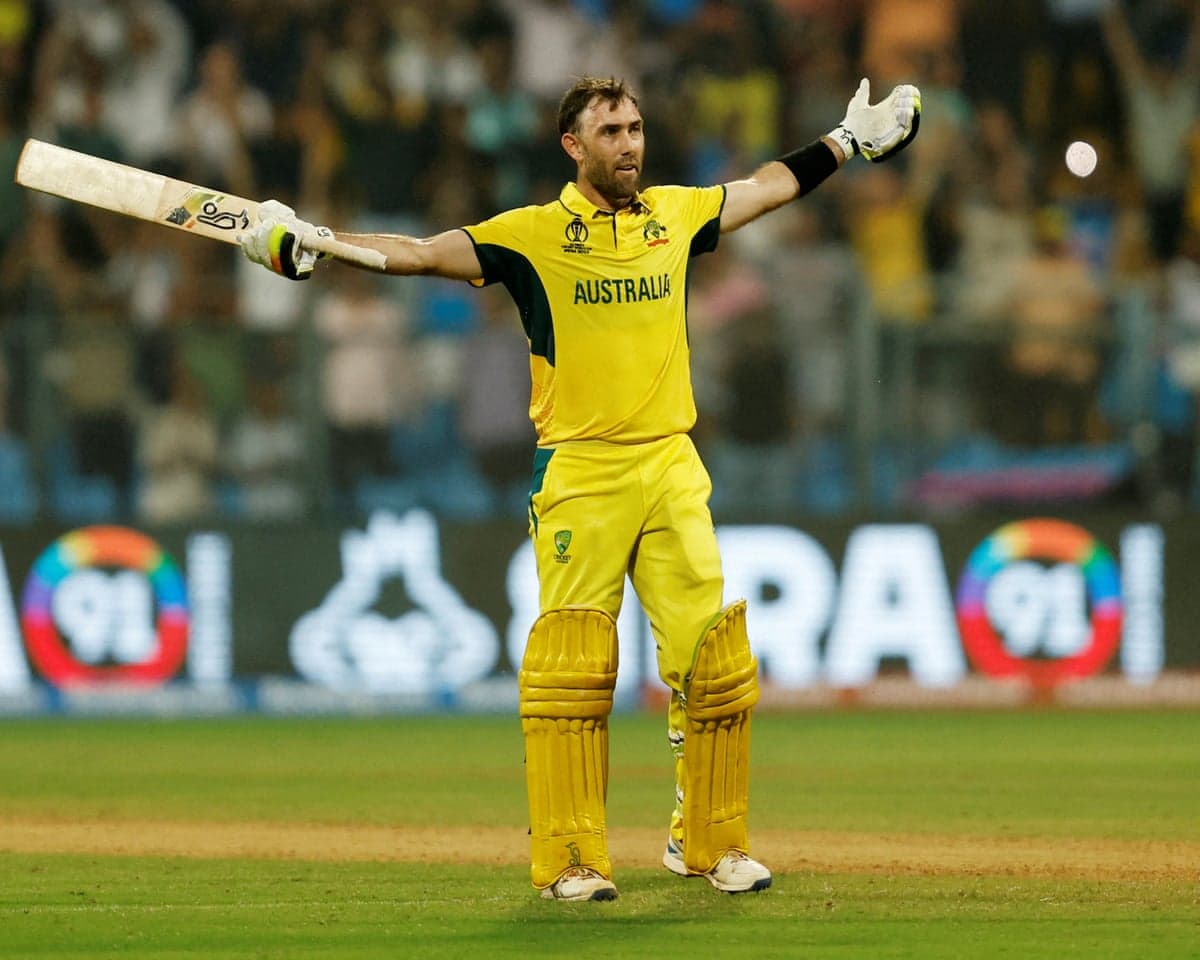
Bangladesh seamer Hasan Mahmud claimed a career-best 6 for 55 to dismiss Australia for 198 on the opening day of the first Test in Darwin, before the tourists' top order pushed the visitors to 96 for 1 at stumps, cutting their first-innings deficit to 102. By the end of day two, opener Tanzid Hasan's maiden Test century had helped Bangladesh reach 351 for 6, giving them a commanding 153-run lead over Australia, whose bowlers were forced to use eight different options during the innings. The tourists, according to a live blog covering day three of the match, are now pushing for what would be a historic first Test victory on Australian soil.
Australia had won the toss and started brightly, racing to 45 without loss, before Hasan struck twice in the space of two overs to remove openers Jake Weatherald (23) and Travis Head (22). From that point, Hasan combined with fellow pace bowlers Taskin Ahmed (2 for 55) and Ebadot Hossain (2 for 39) to dominate the first two sessions, exploiting the conditions with disciplined bowling that left the home side's innings held together largely by Steve Smith's defiant 71.
How did Australia's top order collapse?
Weatherald, playing in front of a partisan home crowd in his native Darwin, never looked settled and was dismissed after an ill-advised swipe at a wide delivery from Hasan, adding further pressure on his place in the side. Head fell in Hasan's next over, dragging the ball onto his stumps as Australia slipped to 52 for 2 from around-the-wicket bowling.
Ebadot then removed Marnus Labuschagne for just 1, caught by Bangladesh captain Najmul Hossain Shanto, and could have accounted for Smith early too, but for a dropped chance at third slip. According to a live match report, Smith was in fact dropped when he had scored just 2, a reprieve that proved costly for Bangladesh as he went on to anchor the innings.
Bangladesh continued to press home its advantage before the lunch break, restricting Australia to 74 for 4 when all-rounder Cameron Green fell for 13. After the interval, Ebadot dismissed Alex Carey for 19 and Taskin bowled Beau Webster for 12, before both captain Pat Cummins (9) and Mitchell Starc (1) were caught behind off Hasan ahead of the tea break.
How did Steve Smith's innings unfold?
Smith's 71 came off 109 balls and included seven boundaries and a six, according to the original match coverage, though further detail from CricTracker puts his time at the crease at 183 minutes for the same 109-ball knock. Smith and Carey had added 55 runs for the fifth wicket, according to a Bhaskar English report, before Carey's dismissal left Smith increasingly isolated.
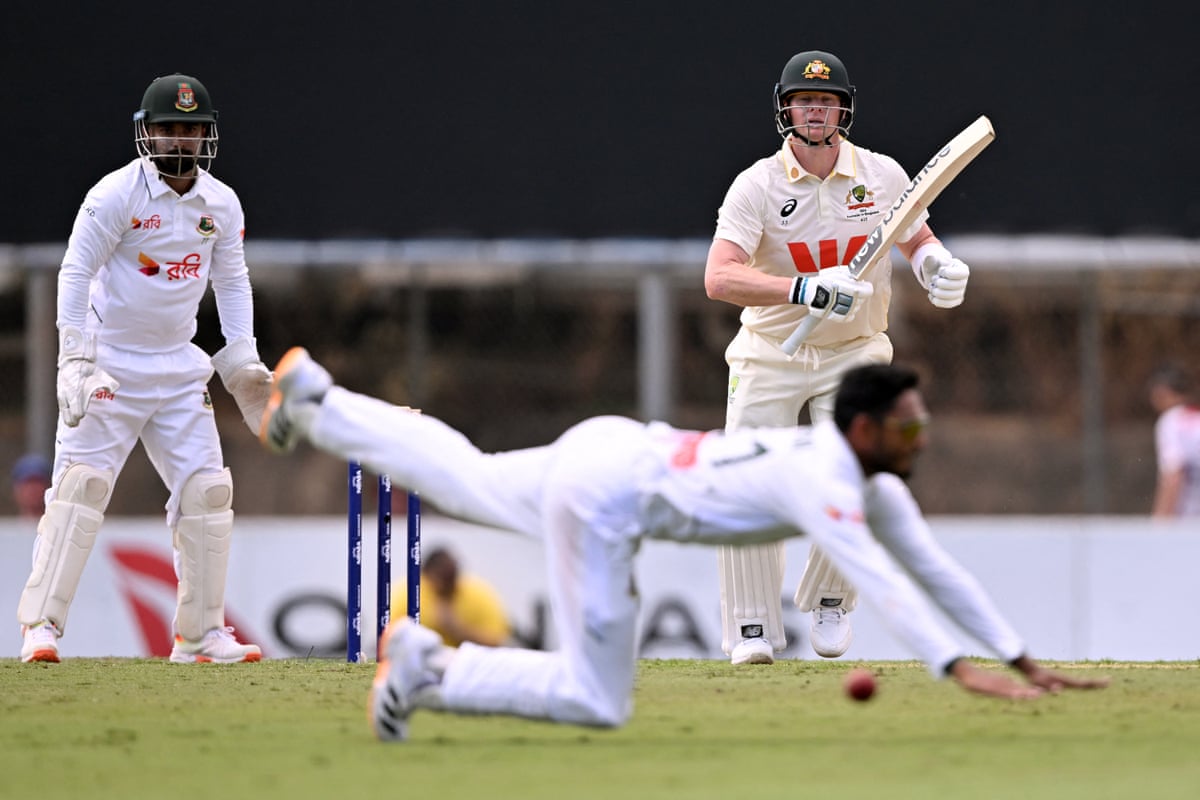
The innings also marked Smith's 45th Test half-century, according to a livescorecard cited by Hindustan Times. He was eventually the second-last man out, advancing on Hasan and top-edging a catch to wicketkeeper Litton Das. Hasan's dismissal of Smith completed his third five-wicket haul in Test cricket, and he added the final wicket of Nathan Lyon (7) to wrap up the Australian innings in 53 overs, finishing with figures of 6 for 55 from 17 overs — his best in the format, according to Rediff.
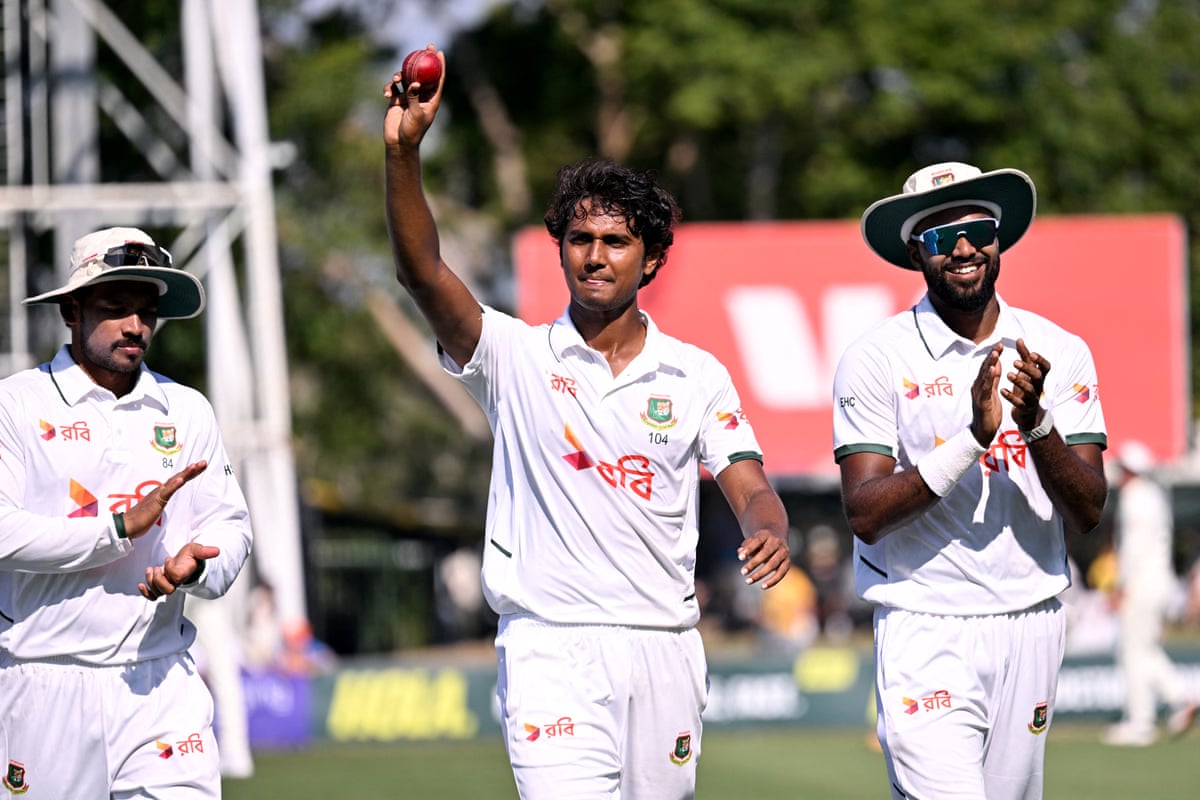
Hasan Mahmud was playing just his second Test in 13 months, lining up against Australia's frontline pace attack of Cummins, Josh Hazlewood, Starc and Lyon, according to a broadcaster's report, which also noted that Australia's 198 stood as their lowest Test innings total against Bangladesh at the time.
How did Bangladesh respond with the bat on day one?
Despite Australia reassembling its first-choice pace attack of Cummins, Starc and Hazlewood alongside veteran spinner Lyon, the hosts managed only a single breakthrough against Bangladesh's top order on the opening day. Opener Shadman Islam made a brisk 20 before offering a leading edge off Starc that was caught by Lyon at cover point, with the total on 36.
From there, Mominul Haque and Tanzid Hasan put on an unbroken stand to steady the innings. By the close, Bangladesh had reached 1 for 95, according to the ABC's live coverage, a figure that differs slightly from the 96 for 1 reported elsewhere, leaving the tourists trailing by 102 runs with nine wickets in hand heading into day two.
How did Tanzid Hasan's century transform day two?
Resuming from 96 for 1, Mominul and Tanzid extended their second-wicket stand to 102 runs before Mominul fell for 49, edging Hazlewood behind — one run short of what would have been his eighth half-century in a run stretching back to April of the previous year, in which he had reached double figures in 17 consecutive innings. Bangladesh had already been building a strong position at 181 for 2 at lunch on day two, according to an ESPN match report.
Tanzid, in only his second Test, went on to compile a maiden century that put Bangladesh in position to push for what would be the country's greatest result in the format. On 96, he attempted to slap Lyon over cover to reach three figures but the shot fell just short of the boundary; he brought up his century with a push past the bowler in the following over, before eventually being dismissed lofting a drive down the ground. His innings was recorded at 101 from 71 balls, according to an ESPN scorecard, and he had earlier survived a dropped chance from Smith at slip off Lyon when on 62, as well as a missed catch by Lyon himself off Hazlewood before he had scored. A separate live blog covering day three of the match instead recorded the innings at 101 from 197 balls, describing Tanzid — identified there by his full name, Tanzid Hasan Tamim, aged 25 — as the first Bangladesh player to score a century on Australian soil.
Captain Najmul Hossain Shanto then dominated from the start of his innings, making 84 off 126 balls to sustain the momentum against an Australian attack that bowled accurately but without the same threat shown by Bangladesh's seamers a day earlier. The same live blog also credited Mushfiqur Rahim with a contribution of 36 as Bangladesh pushed on to their eventual total of 351 for 6.
How did Australia fight back late on day two?
Australia's push with the second new ball produced a mini-collapse in which Bangladesh lost 3 wickets for 11 runs, with Hazlewood, Starc and Cummins all striking after the tea interval. All-rounder Mehidy Hasan Miraz (32 not out) and Hasan Mahmud himself (13 not out) steadied the innings through to stumps, though Green dropped Mehidy off the final ball of the day — a miss that summed up a difficult match for the all-rounder.
During the innings, Smith took three catches at second slip after tea, taking his career tally to 218 Test catches and drawing him level with Joe Root for the most catches in Test history by a fielder. Bangladesh finished day two on 351 for 6, a lead of 153 runs, with 110 overs of the innings completed by the close of play, according to live coverage of the match.
What tension emerged between the sides late on day two?
As Bangladesh cantered towards their commanding lead, frustrations among the home side boiled over in the final hour of play. According to a live blog covering the following day's action, Starc was involved in a confrontation with Mehidy Hasan Miraz after the two nearly collided mid-pitch while going through for a quick single, prompting umpires to step in to separate the players. The same account described Starc as having snarled at his opponent to get off the wicket, framing the incident as a symptom of the pressure building on Australia's bowlers as they were repeatedly punished around the ground in the Darwin heat.
How does this fit into the wider series and schedule?
The two-Test series forms part of a demanding year of Test cricket for Australia, who had already been under scrutiny over their batting order following a difficult limited-overs tour of Bangladesh earlier in the year. Concerns over the top order first surfaced when Bangladesh fought back on day one in Darwin after Hasan Mahmud's six-wicket haul, and those concerns have only deepened after Australia's bowlers were made to labour through the second day. A live blog previewing day three suggested that Weatherald, Labuschagne and Green would each need substantial runs to justify retaining their places, with their positions otherwise at risk.
The tourists' resurgence follows a series of unexpected results between the two sides in 2026. Australia suffered its first ODI defeat to Bangladesh in 21 years in Dhaka in June, before losing the following match to fall 2-0 down in the series. Australia eventually avoided a whitewash when Adam Zampa sealed a one-wicket win in the final ODI, with Bangladesh still taking the series 2-1.
What is the historical significance of this series?
The series marks Australia's first home Test series against Bangladesh since 2003, and Bangladesh's first Test cricket in Australia in 23 years, according to a news agency report. The same report noted that the Darwin Test is being played in unusually warm winter conditions in Australia's tropical north, with Marrara Stadium hosting a men's Test for the first time since 2004 and only the second Test match ever staged at the ground.
What happens next?
Day three of the first Test is the next scheduled stage of the match, with Bangladesh resuming in a commanding position at 351 for 6, according to live coverage of the game. Australia will need early wickets on the third morning to limit a lead that has already grown to 153 runs, with the tourists holding four wickets in hand and both Mehidy and Hasan Mahmud unbeaten at the close of day two. A live blog previewing day three's play framed it as a