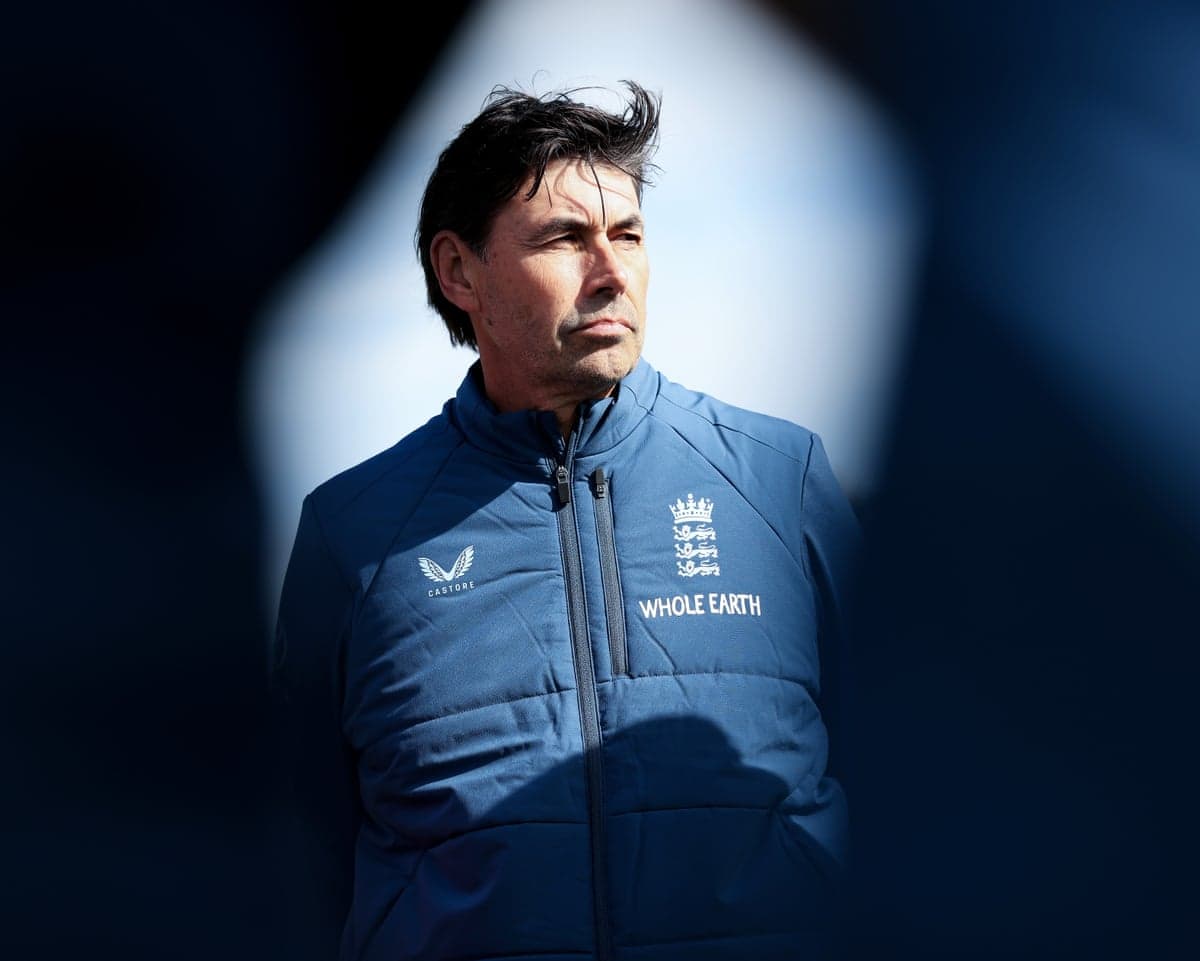
Stephen Fleming has begun his tenure as England's Test coach with an ambitious vision to transform the team into the world's leading Test nation while embracing the attacking philosophy established by his predecessor. Speaking at his first press conference following England's 3-0 victory over Pakistan—a series he missed due to family and commercial commitments—the former New Zealand captain outlined his strategy to blend aggressive cricket with tactical discipline.
Fleming's appointment on 30 July marked a significant moment for English cricket. His contract runs until 2030, with his first Test series in charge beginning in South Africa on 17 December 2026. The timing of his first press conference, held in Manchester, allowed him to reflect on the direction he intends to take the team.
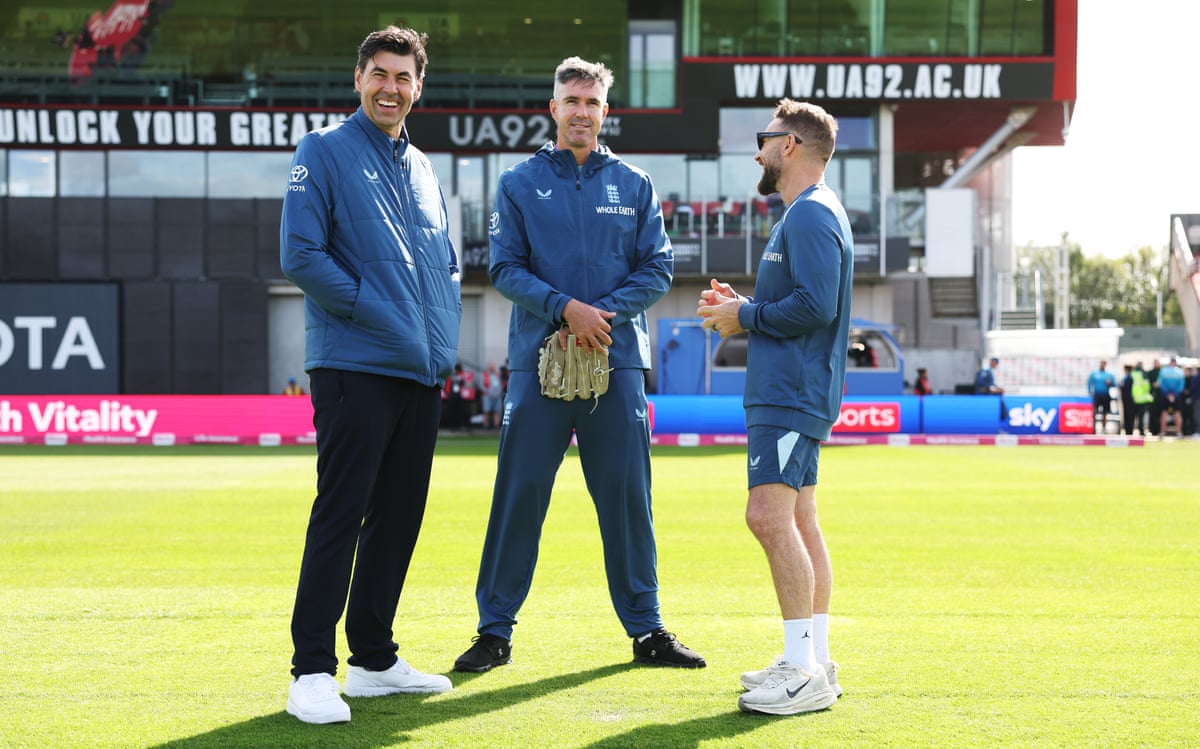
What is Fleming's vision for England Test cricket?
Fleming's primary ambition is to establish England as the world's premier Test team.
"I would love to be in charge of the No 1 Test team in the world. That would be my aspiration... and as a New Zealander I have watched and loved the Ashes all my cricketing life so to be part of that is an absolute highlight. I can't wait for that."His enthusiasm for the Ashes, combined with his long-standing admiration for the format, signals his deep commitment to Test cricket's most iconic series.
The new coach intends to preserve the positive, attacking approach introduced by Brendon McCullum while adding what he describes as
"a bit of cricket sense in the key moments."This represents a refinement rather than a rejection of the "Bazball" template that has defined England's recent Test cricket. Fleming acknowledged that while McCullum's methods freed up England's players and generated excitement, the team's performance over the past 12 months has not met expectations.
How does Fleming view the World Test Championship?
Fleming has expressed strong support for the World Test Championship, a competition England has historically undervalued. He believes the tournament deserves greater respect and commitment from the national team.
"It's aspirational. England could do much better than that, even the attitude around the over-rate comes down to identity and style of play. If that's one of the pinnacle trophies in world cricket, why would we not be trying to get it along with every other marquee event that comes our way?"His comments suggest a shift in how England will approach this competition going forward.
What is Fleming's relationship with Brendon McCullum?
Fleming and McCullum share a long history as former teammates and friends, a relationship that Fleming described as involving an element of mentorship.
"You could probably say that. It's a challenge at times, but he's great. We've a lot of shared experience through cricket and socially, sport and golf. I have a lot of respect for him."Despite taking over the Test role, McCullum continues as England's white-ball coach, and Fleming has made clear his admiration for the changes McCullum and captain Ben Stokes introduced to Test cricket.
"The way they changed the nature of Test cricket was quite remarkable. I have a huge amount of respect for the courage that took."However, Fleming also recognised that the approach requires evolution.
"The last 12 months, it hasn't evolved as they would have liked or the fans would have liked, but I really loved the positive play and the freeing up of the England players, which was deemed to be a bit of a hurdle."
How will Fleming address team identity and culture?
A significant part of Fleming's early work involves establishing a clear sense of identity within the England squad. He has already begun conversations with players during what he termed a
"tour of love"around the English counties.
"There is a piece of work there that has already begun, which is around our identity. There has been a lot of coverage around that. The way players represent England and the group is going to be really important to me. I feel very strongly about finding a sense of belonging within the group and that will take a bit of time."
During his county visits, Fleming met with Ben Stokes at Chester-le-Street following an intensive bowling session. Stokes, who retired from Test cricket earlier in the summer, appeared at peace with his decision.
"He's really happy and seemed to be at peace with his decision. He seems comfortable with what he's doing. My view: when a player decides to retire it's a big decision and I have the utmost respect for that decision."

What draws Fleming to the England role?
Fleming's own playing career included spells with Middlesex, Yorkshire and Nottinghamshire, experiences that proved formative. He won the County Championship with Nottinghamshire in 2005, a period he described as transformative.
"I was coming to the end of my captaincy and I was on the edge of falling out of love with the game. I got a call from Mick Newell to captain Nottingham and I fell back in love with it. It kept me in the game in a really positive space. Those were three of my best seasons."His familiarity with English cricket and the county system made the England position particularly attractive.
Fleming played 111 Tests for New Zealand, establishing himself as the nation's most successful captain. He spent the past 18 years in white-ball cricket with Chennai, a role that required him to adapt his natural red-ball instincts.
"I am inherently a red-ball lover and that was where I learned strategy, leadership, captaincy, the nuances of the game. If anything, I moulded myself into the white-ball world based on man-management and strategy and leadership, not necessarily as a white-ball strategist or a player."
What opportunities does Fleming see in the current squad?
Fleming has expressed optimism about the talent emerging within English cricket.
"One of the dark arts of coaching is timing. My honest appraisal, it's a great time to be the head coach. There's a real opportunity with the players coming through."This assessment suggests he believes the squad possesses the raw material to achieve his ambitious targets.
What is Fleming's outlook on Test cricket's future?
When asked about the long-term viability of Test cricket amid competition from shorter formats, Fleming offered a bullish perspective.
"We are going to reach a point where something is going to have to give and it won't be Test cricket because it just means too much to players and the cricket ecosystem will survive. Test cricket will survive."His confidence reflects a belief that the format's cultural significance ensures its preservation.
What happens next?
Fleming's first Test series in charge will begin in South Africa on 17 December 2026, providing him with an immediate opportunity to implement his vision. The three-match assignment will serve as a crucial early test of his ability to blend McCullum's attacking philosophy with the tactical refinement he believes the team requires. His formal appointment came on 30 July following a period of assessment by the ECB, with Joe Root returning as captain after Marcus Trescothick led the interim Pakistan series.
Metro Bank One-Day Cup final
In related domestic cricket, Middlesex secured their first trophy since 2016 by defeating Leicestershire by 31 runs in the Metro Bank One-Day Cup final at Trent Bridge. Ryan Higgins produced a match-winning performance, scoring 100 from 114 balls before taking the crucial catch that dismissed Leicestershire's Nick Kelly.
Middlesex's innings was stabilised by a 135-run sixth-wicket partnership between Higgins and Harry Duke (55), which transformed the team's position from 71 for five to a final total of 231 all out. Higgins' century included nine fours and came to an end when he was caught by Kelly attempting to clear the long-on boundary off Ian Holland.

Leicestershire's chase was built around Kelly's determined 103, which featured ten fours and three sixes from 103 balls. However, once Kelly was caught by Higgins at mid-wicket off Tom Helm with nine overs remaining, Middlesex secured the final two wickets to claim victory. The triumph marked Middlesex's first men's white-ball trophy since winning the Twenty20 Cup in 2008.
Leicestershire's bowling attack proved effective, with Ian Holland taking five for 36 and Rehan Ahmed claiming three for 55. Wicketkeeper Ben Cox contributed five consecutive catches. For Middlesex, Toby Roland-Jones took three for 27 in his ten-over spell, while Zafar Gohar claimed the crucial wicket of Holland, who was stumped for 15 in the 29th over. Leicestershire captain Stephen Eskinazi departed early for 12, leaving Kelly to shoulder the batting responsibility alongside Holland before the partnership was broken.