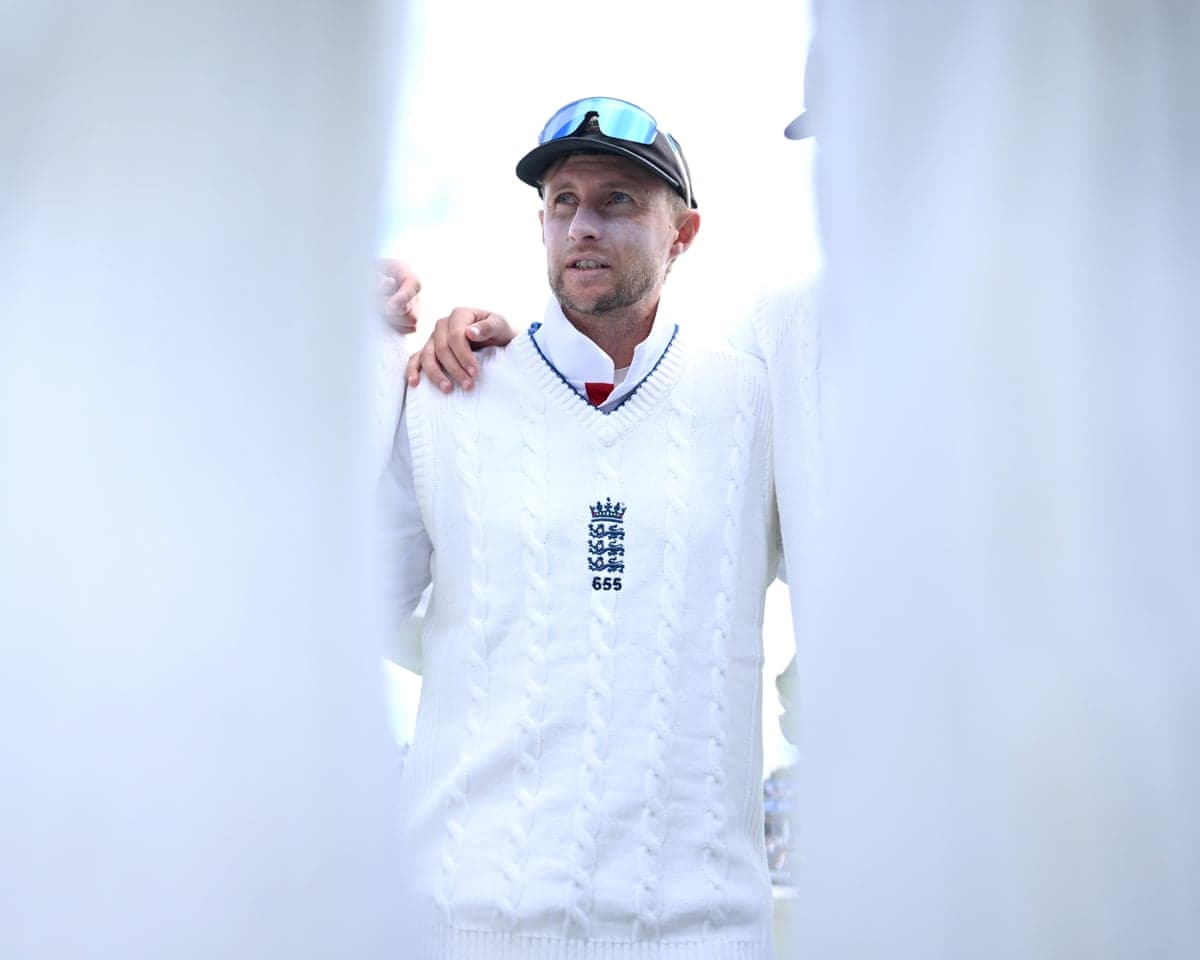
Joe Root surveyed the Test summer that had just concluded and methodically catalogued its defining characteristics: "chaos", "unusual", and "unsettling". His assessment carried particular weight given that he had navigated England through every moment of it as captain, and the most jarring of those moments came when Ben Stokes announced his international retirement mid-match during a series still very much in progress.
The timing of Stokes' departure at Trent Bridge, occurring before New Zealand secured victory in that fixture, created an unusual spectacle in modern cricket. Root, bound by loyalty to his predecessor, refrained from publicly questioning whether the exit aligned with Stokes' own call four years earlier for "selfless cricketers". Yet the week encompassed more than just that dramatic announcement: two drink-related incidents bookended a period that saw England reach a nadir, suffering their first home Test series defeat in 14 years against opposition that, by the final day, appeared to be openly mocking their struggles.
The departure of Brendon McCullum as Test head coach marked a turning point. Once England shed the emotional weight of the Stokes era and accepted they could not sustain the identity of Bazball without McCullum's presence, a measure of stability returned. The chaos that had defined the summer—including the sight of Brydon Carse detained by police in Derby and Stokes operating in the shadows—began to recede.
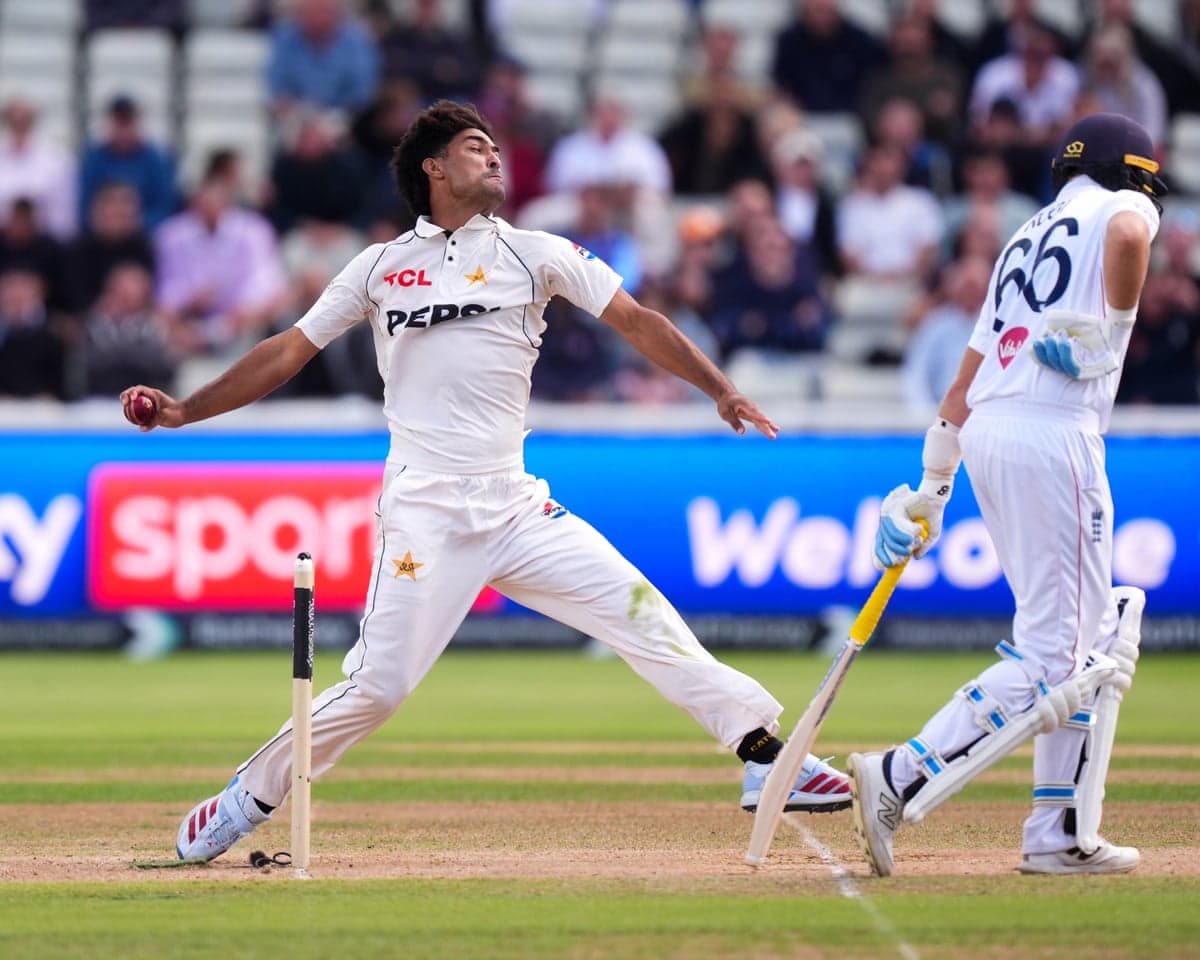
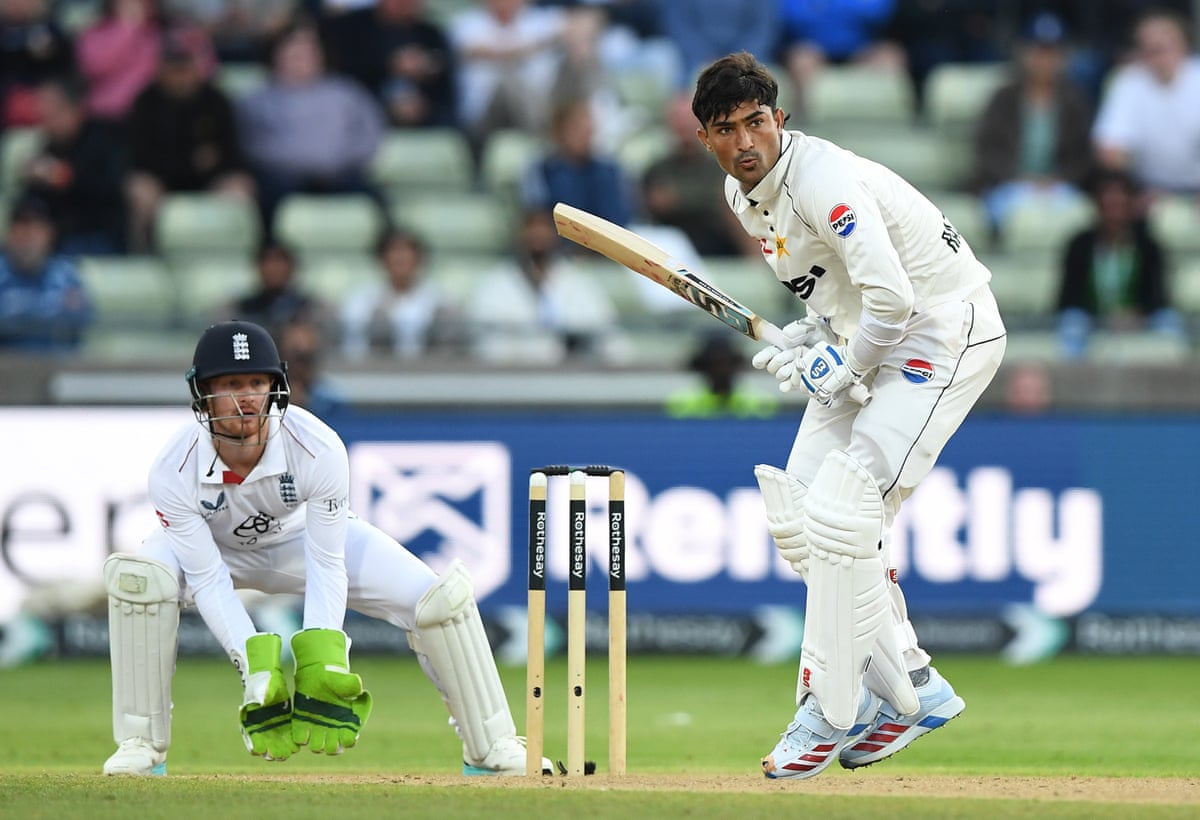
Pakistan's visit to England that summer offered a stark contrast in dysfunction. While England's troubles were primarily on-field, Pakistan's team descended into institutional chaos: their head coach and bowling coach were removed, players had their mobile phones confiscated, and the country's board faced scrutiny over its handling of the nation's greatest captain. The series became a referendum on which team could claim the title of most troubled, with Pakistan ultimately providing the more comprehensive answer across all dimensions of the game.
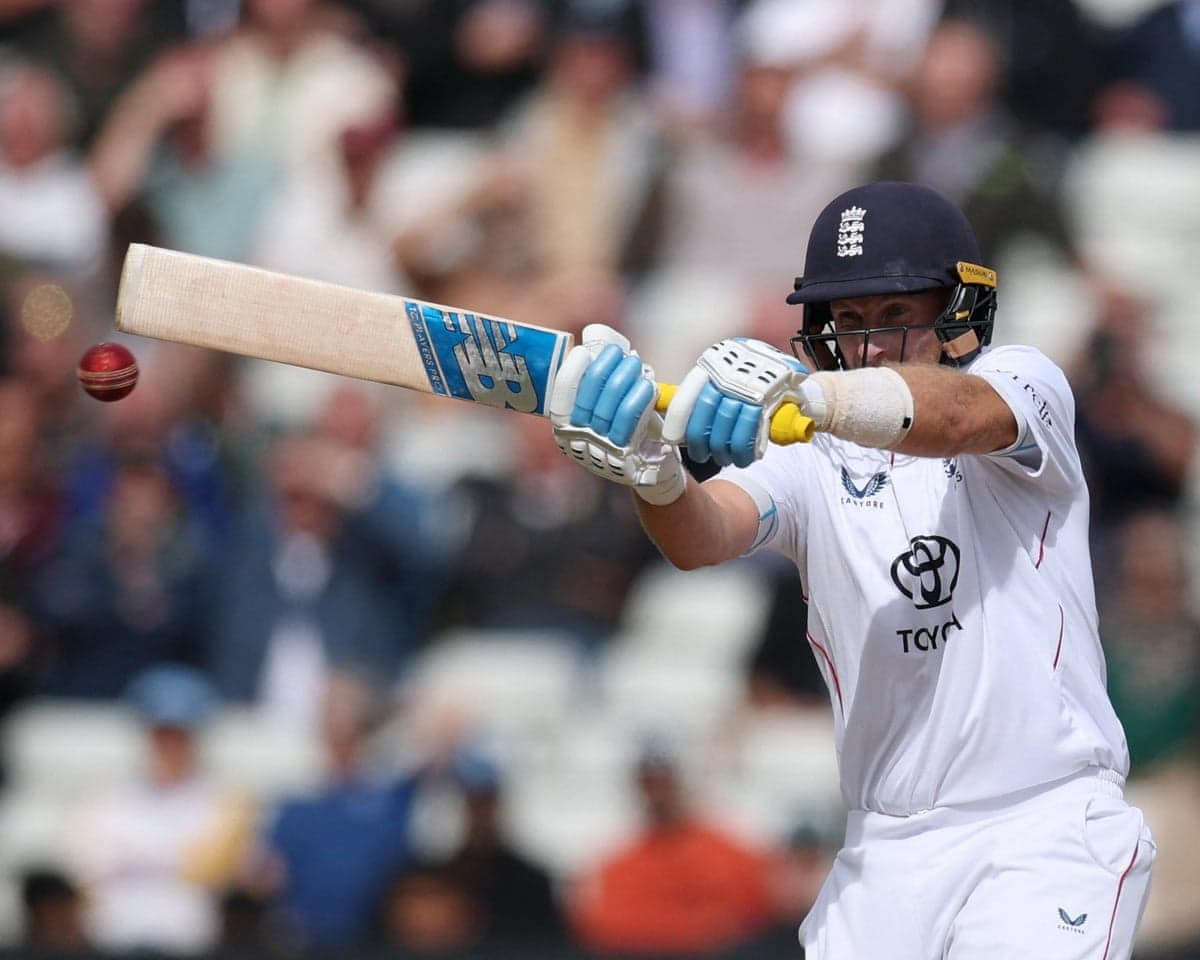
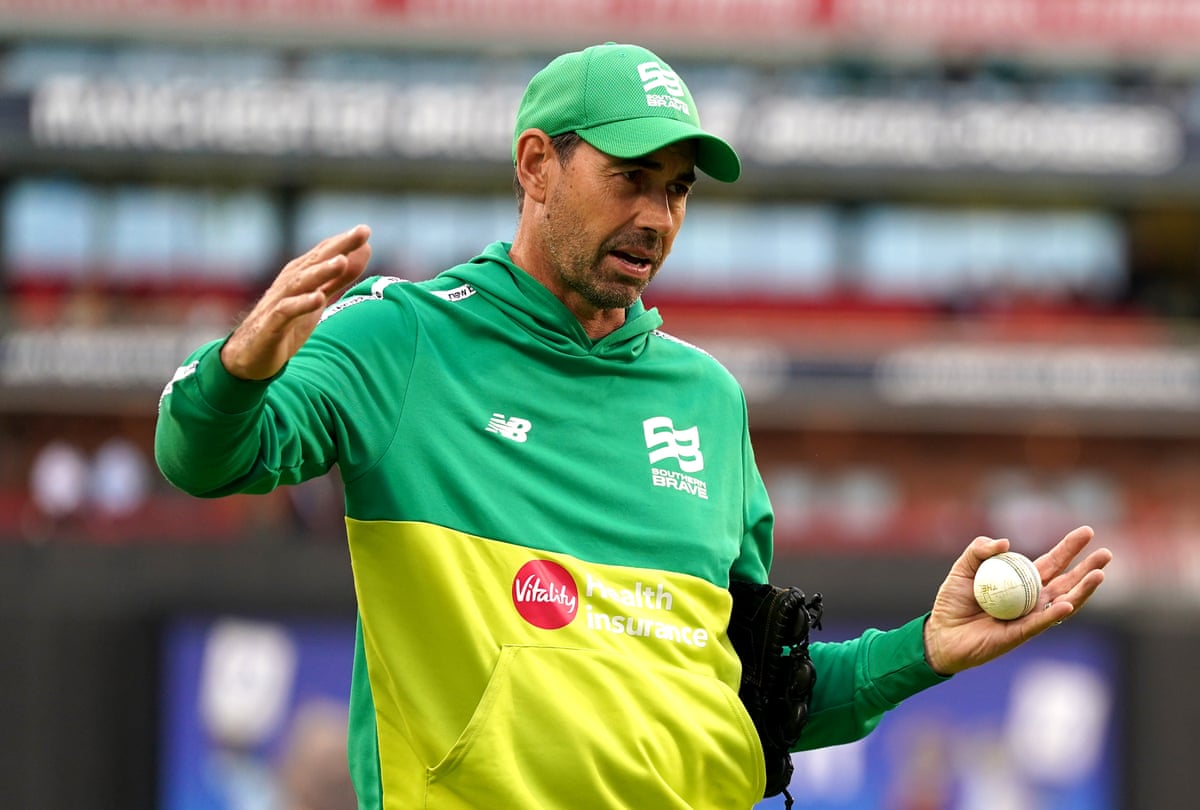
Yet dismissing the summer as entirely wasted would be a misreading of the period. According to , Root guided England to a 3-0 series whitewash over Pakistan, finishing the third Test with an unbeaten 62 at Edgbaston. Stephen Fleming, England's newly appointed head coach on a four-year contract running to September 2030, will inherit a squad with genuine foundations to build upon, even if he has not yet formally taken the reins.
What strengths does the bowling attack offer?
England's fast bowling stocks have stabilised considerably. Ollie Robinson has returned to form with devastating effect, Jofra Archer continues to demonstrate his appetite for Test cricket beyond the Stokes era, and Josh Tongue has developed physically into a significant asset. Gus Atkinson, though seeing his returns dip following a change of role, delivered the quickest spells of his season. These four form a credible frontline that Fleming can build around.
However, conditions during the Pakistan series masked some limitations. The ball dominated the bat to an extraordinary degree—a wicket fell every 41 deliveries, producing the lowest strike-rate in England since the 1880s—and Pakistan's batting lineup offered minimal resistance. When conditions shifted in England's favour at Edgbaston, where the pitch played more evenly and the ball softened after becoming damp overnight, England struggled to generate the penetration required. Root encountered familiar difficulties against the tail, a recurring theme that will demand Fleming's attention.

The question of what lies beneath the four first-choice quicks becomes pressing as England prepares for South Africa. Olly Stone's late-summer form with Nottinghamshire suggests he merits consideration ahead of less experienced candidates. The absence of a frontline spinner remains unresolved, and Fleming may pursue a multifunctional option in the mould of Daniel Vettori, with Liam Patterson-White emerging as a potential candidate.
Can the batting lineup find consistency?
England's batters accumulated 23 half-centuries across the summer, yet only Ben Duckett crossed three figures. This pattern of accumulation without conversion reflects a deeper fragility. Fleming's own playing record—he scored 10 centuries before reaching his first at Test level—may prove instructive in easing the pressure that players like Dan Lawrence impose upon themselves.
The opener position remains unsettled. Duckett, aside from his 113 at Trent Bridge, has appeared uncertain in the post-Bazball environment. Jordan Cox has emerged as a compelling alternative, demonstrating an almost cocksure presence at the crease that Root found initially difficult to assess. Cox has publicly stated his ambition to surpass Root's Test record, a target made marginally more achievable by one of the captain's quieter summers, though Root had already reached 14,000 Test runs by 20 June, becoming only the second player in Test history to do so.
Cox may be pushed up to open alongside Duckett, a shift that would not represent a dramatic change given he appeared as late as the ninth over at number three during the Pakistan series. While he fell short of a defining score, settling for three half-centuries, his demeanour suggested a player capable of thriving at the highest level. The current tension over batting positions, which will intensify when Jacob Bethell returns to fitness, may actually suit Fleming's purposes. Emilio Gay appears most vulnerable, though manufacturing a settled opening partnership will require careful deliberation.
What is Fleming's mandate?
Marcus Trescothick, who served as interim head coach during the Pakistan series, believes Fleming represents an ideal fit for Root's captaincy. Fleming's reputation as a tactically astute leader, combined with his status as the most decorated coach in the Indian Premier League's history, suggests he can provide the strategic direction England requires. Root's decision to return to the captaincy was itself predicated on Fleming's appointment, with the captain describing the role as a "very different place" from his previous tenure four years earlier.
The template Fleming inherits emphasises a different model of leadership than the Stokes era provided. Rather than seeking inspirational moments or residual aura from the captain, this team will look to Root as the quieter embodiment of what is required to sustain excellence at Test level. Cox's stated ambition to match Root's achievement, while ambitious, reflects the standard the captain now represents.
What happens next?
Fleming is set to take over in earnest ahead of England's South Africa tour in December. According to , Marcus Trescothick handed over a rejuvenated side to Fleming for England's three-Test tour of South Africa in December and January. The South African assignment will represent Fleming's first examination as England's head coach and will test whether the foundations laid during the Pakistan series can withstand a more formidable opponent in their own conditions.
Key Facts:
- England achieved a 3-0 series whitewash over Pakistan under Root's captaincy, with Root finishing unbeaten on 62 in the final Test
- Stephen Fleming has been appointed on a four-year contract running to September 2030 and will take charge ahead of the South Africa tour in December
- England's fast bowling attack of Robinson, Archer, Tongue, and Atkinson provides a credible foundation, though questions remain over depth and spinner options
- The batting lineup produced 23 half-centuries but only one century, highlighting a pattern of accumulation without conversion that Fleming must address
- Root became only the second player in Test history to reach 14,000 runs and will serve as the embodiment of the standards Fleming expects from his squad