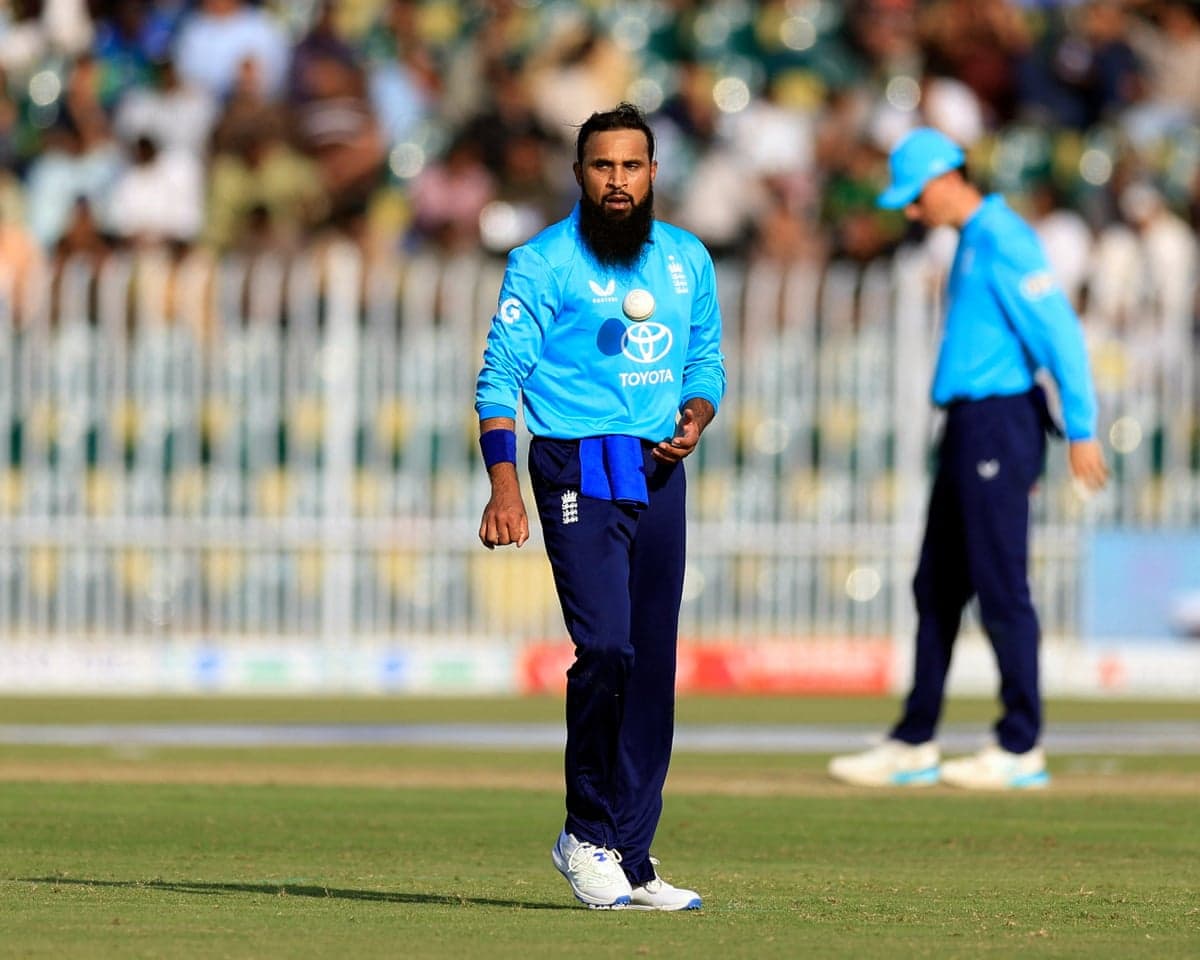
England's tour of Pakistan ended in disappointment when they failed to reach the final of the tri-series, despite beginning their campaign with apparent momentum. According to The Guardian, the absence of leg-spinner Adil Rashid from the latter stages of the competition raised questions about England's selection strategy, even as the team demonstrated considerable batting prowess throughout the tournament.
The opening delivery from Gus Atkinson set an encouraging tone for what appeared to be a straightforward path to the final. England had won four consecutive ODI series and arrived in Pakistan as heavy favourites, having dismantled Sri Lanka twice earlier in the year and embarrassed Pakistan with the Dukes ball during the summer. Yet the tri-series refused to cooperate with their ambitions. England beat Sri Lanka by 55 runs in their final group match on October 29, but had already been eliminated, with Pakistan and Sri Lanka advancing to contest the final instead.
Two separate collapses illustrated England's vulnerability despite their attacking intent. When they amassed 429 against Sri Lanka, the formula seemed foolproof: accumulate a mountainous total and allow scoreboard pressure to suffocate the opposition. Yet Pavan Rathnayake and Dasun Shanaka swung freely, and the breakthrough England needed never materialised. Harry Brook became the first batter to finish on the losing side after scoring an ODI double hundred, a sobering statistic that underscored how thoroughly the hosts resisted.
Three days later, Pakistan appeared to be crumbling at 154 for nine while chasing 242. Gus Atkinson delivered what looked like the decisive blow—a yorker that struck Shadab Khan's pad. But UltraEdge revealed the batter's blade had made contact, and the reprieve proved fatal to England's hopes. The visitors departed Pakistan without reaching the final they had expected to contest.
Why was Rashid left out of the later matches?
The most glaring tactical question concerned Adil Rashid's absence from the final three games. The leg-spinner, who has played more ODIs for England than any other player over the past decade, took 1 for 55 from eight overs in the opening match against Pakistan before being discarded entirely. Brendon McCullum explained that "conditions probably went against" Rashid's selection, with England opting instead for Liam Dawson's left-arm spin in hopes of replicating the success of Pakistan's Arafat Minhas.
Dawson's selection did yield results, claiming seven wickets at an average of 21.42 with an economical rate of five runs per over. Yet the decision to exclude Rashid entirely raised a fundamental question: why not play both spinners together? The pair have excelled as the leading wicket-takers in England's T20 side over the past 18 months, thriving under Brook's captaincy in a group that topped the world rankings. Rashid had missed September's three-match ODI series against Sri Lanka with a hand injury, but his recovery appeared complete by the time the tri-series began.
Rashid's value to England since 2015 has rested on his excellence across all conditions and continents. His googly provides an alternative when the leg-break fails to grip, and his revolutions through the air compensate when the pitch offers little assistance. Playing both spinners in Australia next month presents an obvious opportunity to test a combination that has already proven its worth in the shorter format.
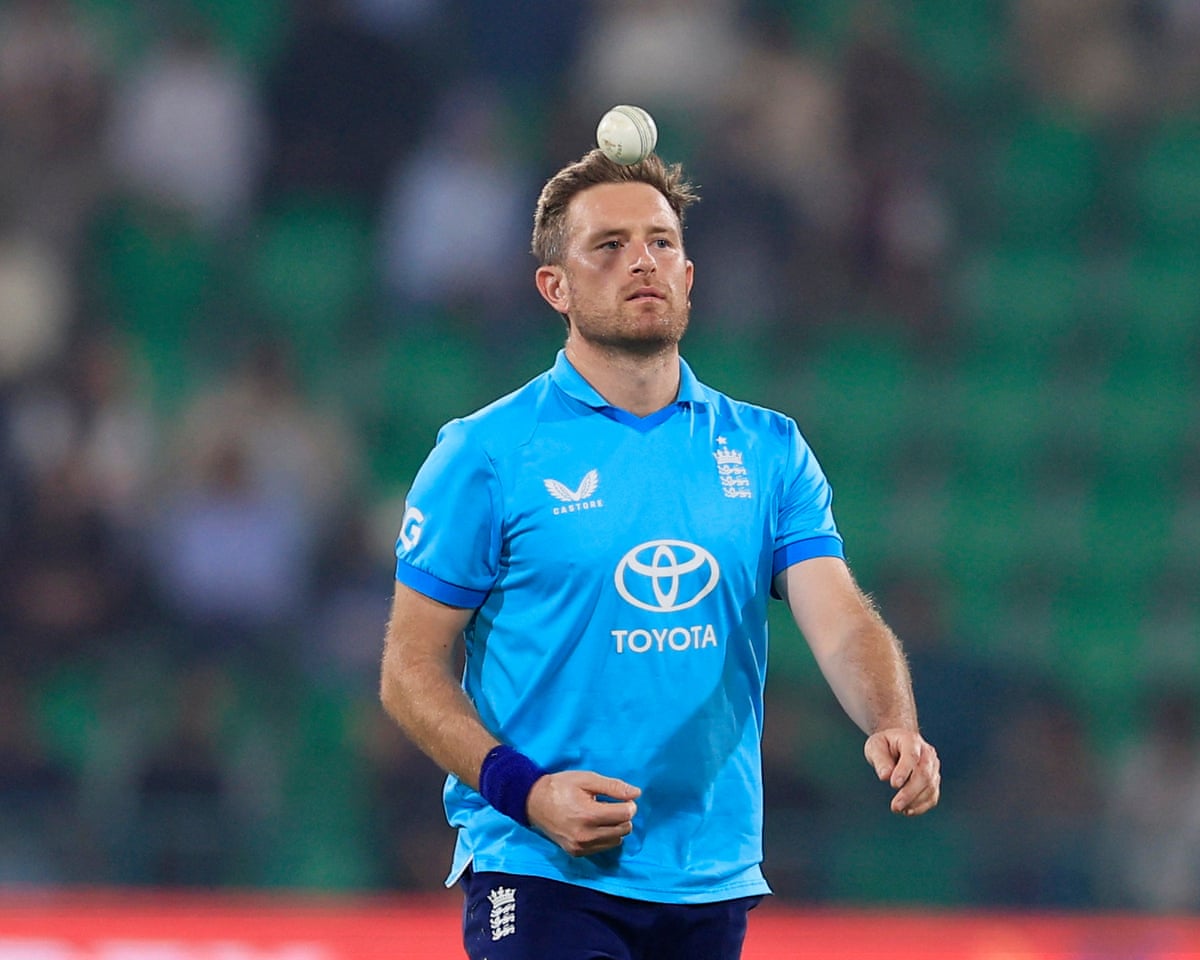
What role should Sam Curran play going forward?
Sam Curran's position in the ODI setup remains ambiguous eight years after his international debut. The left-armer, returning from groin surgery, conceded 103 runs in the historic loss to Sri Lanka and continues to occupy an ill-defined role. He began his career as a bowler capable of striking the ball cleanly but has evolved into a middle-order batter who does not necessarily bowl a full allocation—a position Ben Stokes once filled.
Curran's credentials in Australia are strong. He was player of the tournament at the T20 World Cup four years ago, taking 13 wickets at 11.38 in that competition. A return to the country where he enjoyed such success could provide the catalyst he needs. While he showed promise with the bat during the Pakistan leg, he has failed to reach fifty since returning to the 50-over format a year ago. A substantial innings in Australia would clarify his role and boost his confidence heading into next year's World Cup.
How strong is England's batting lineup?
Despite the tournament disappointment, England's batting has demonstrated genuine strength. Smashing 400 has become routine, the opening partnership has functioned smoothly, and Brook has been mesmerising in his captaincy record. The one chase on this trip faltered more quickly than expected, but the overall health of the batting unit appears sound.
A welcome problem has emerged regarding how to accommodate Jacob Bethell back into the XI. One potential solution involves Tom Banton taking the gloves and Bethell replacing Jordan Cox in the middle order, a reshuffle that would provide additional batting depth without sacrificing the team's aggressive approach.
What about the bowling attack?
Jofra Archer will return in Australia after a period of rest, his importance to the attack growing with each passing game. Josh Tongue, who has endured a difficult start to his ODI career, still possesses the spark to alter a match's trajectory. He nearly engineered an England comeback against Sri Lanka, striking the stumps with consecutive deliveries in the final over despite the hosts' successful chase of 429.
What happens next for England?
England's Australia ODI tour is scheduled to begin in Perth on November 13, followed by matches in Adelaide on November 15 and Hobart on November 18. Missing out on a final in Pakistan would have provided useful preparation and an extra game before next year's World Cup, but the upcoming series in Australia and South Africa should offer sufficient opportunity to address the tactical shortcomings exposed during the tri-series. The selection decisions made in Pakistan—particularly regarding Rashid's role and Curran's position—will likely be revisited and refined as England prepares for their next challenge.