England completed a comprehensive 3-0 Test series clean sweep over Pakistan, with the team's fast bowling attack proving irresistible across all three matches. Ollie Robinson emerged as the standout performer, taking 21 wickets at an average of 8.8 to claim player of the series honours, while the supporting cast of Josh Tongue, Jofra Archer and Mohammad Abbas ensured Pakistan had no answer to England's seam bowling on pitches that offered considerable assistance.
England's batting performances
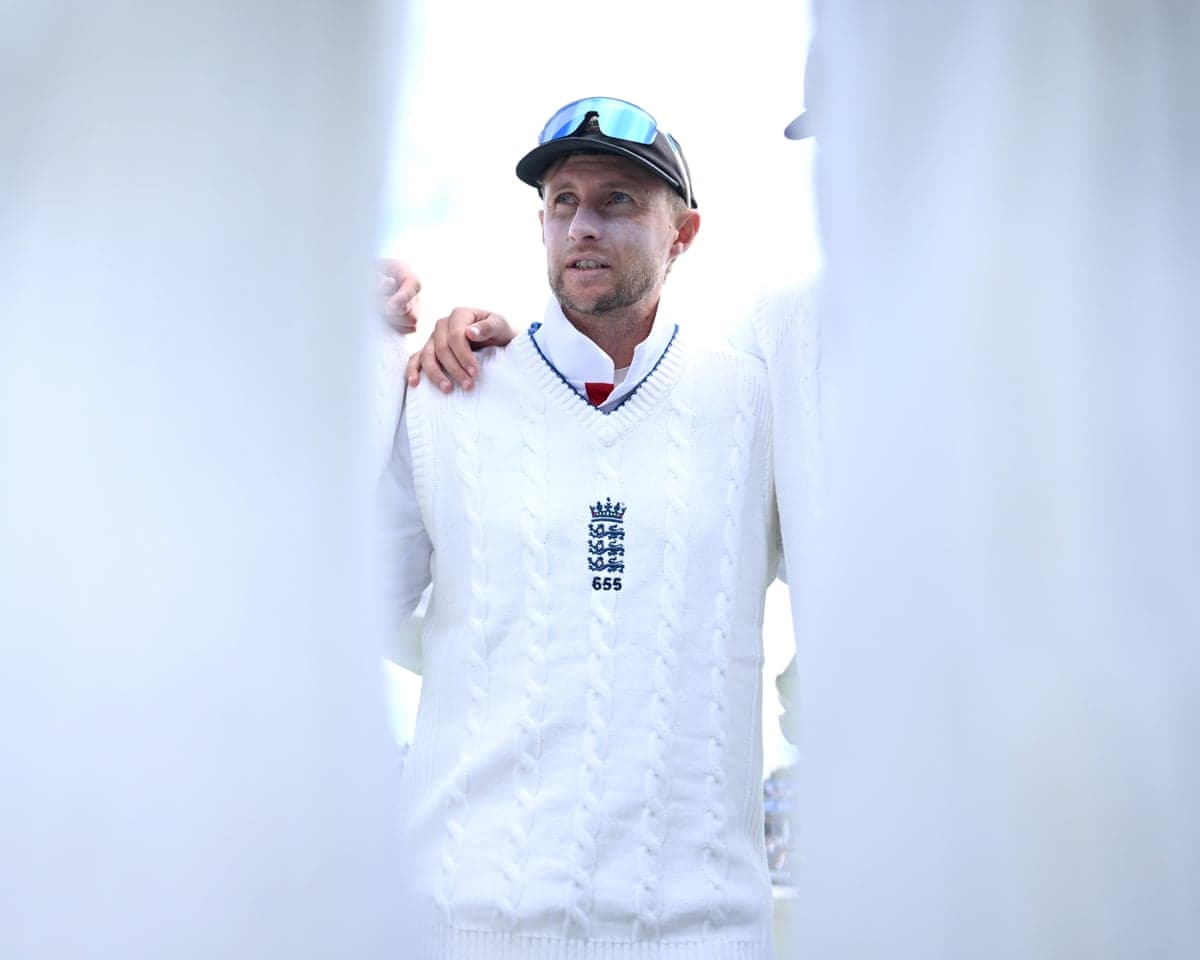
Joe Root accumulated 164 runs at an average of 41.0 with two catches across the series. As captain, Root's influence extended beyond his personal statistics, though his batting technique remains a concern. All four of his dismissals came via lbw, suggesting a persistent technical issue that has begun to take on psychological dimensions. His field placements occasionally reverted to old habits, particularly at Edgbaston when Pakistan mounted their only sustained challenge, but his overall captaincy proved effective in managing a dominant team.
Ben Duckett managed just 44 runs at 8.8, his aggressive approach to balls traditionally left by openers backfiring spectacularly. Dropped catches and a return to his sweeper role made for a forgettable series for England's sole Test centurion from the summer.
Emilio Gay scored 132 runs at 26.4, including two thirties and one sixty. While his cover drive remains a thing of beauty when executed, his inability to convert starts into substantial scores is troubling. Three Tests over the winter against Kagiso Rabada and Marco Jansen will provide crucial opportunities to prove he possesses the temperament to cash in after negotiating the new ball.
Jordan Cox impressed with 202 runs at 50.5, eight catches and one stumping. His three half-centuries at number three across three Tests demonstrated a natural aptitude for Test cricket, an intangible quality that radiates competence to teammates and opponents alike. Standing in as wicketkeeper for an injured Jamie Smith, Cox managed the role with assurance, though Ollie Pope's passport may yet remain unused if Cox continues this trajectory. Jacob Bethell's return could still challenge for the position, but Cox's performances have secured his place in touring squads for the foreseeable future.
Harry Brook accumulated 215 runs at 53.8 with seven catches, continuing his remarkable consistency at the highest level. His 91 in the first innings at Headingley proved pivotal, establishing England's control over the series that barely wavered until the penultimate day. While his tendency to dismiss himself in frustrating fashion invites exasperation from supporters, his underlying quality remains undeniable.
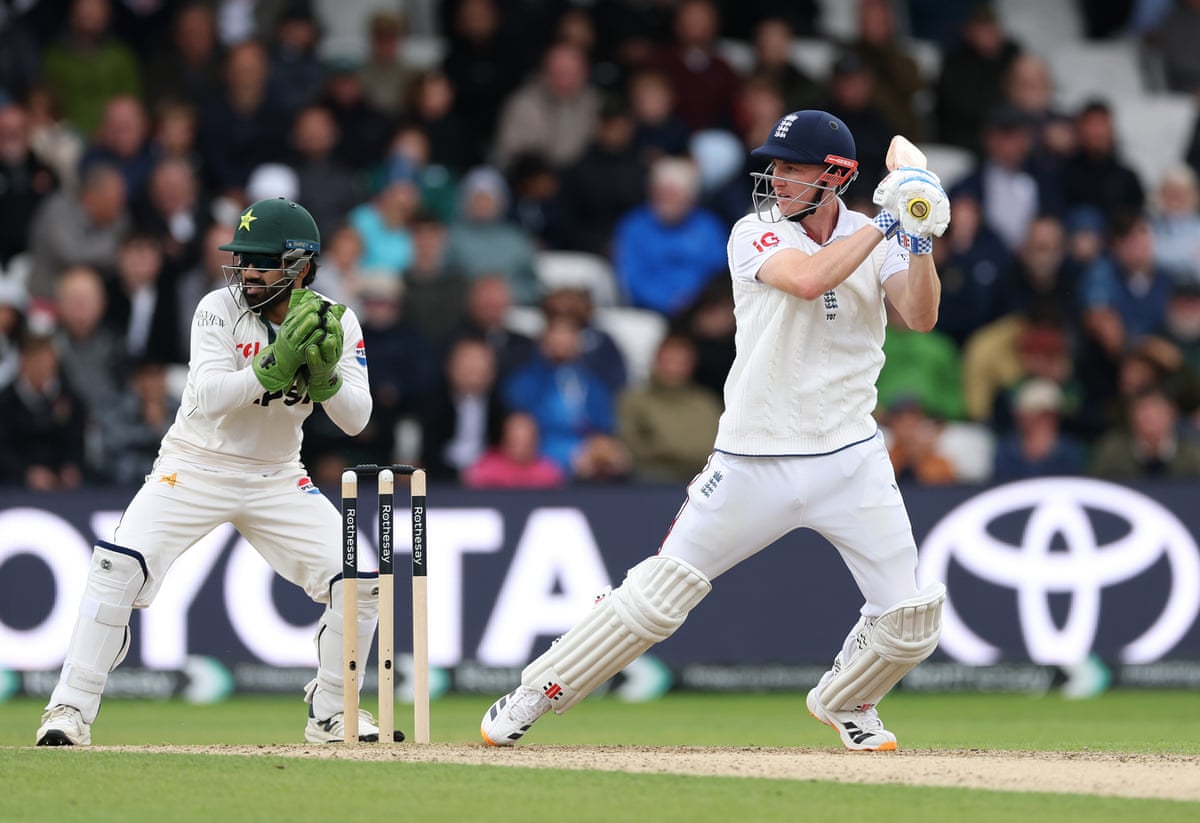
Dan Lawrence scored 187 runs at 46.8 with two wickets at 8.5 and four catches. His three half-centuries in four innings demonstrated his batting prowess, while his willingness to bowl off-spin proved invaluable. At Edgbaston, Root deployed him to remove Azan Awais and Razaullah, showcasing the versatility that makes him a useful squad member despite questions about his long-term place in England's best eleven.
Jamie Smith contributed 162 runs at 40.5 with three catches. His clean hitting reflects years of accumulated talent, while his wicketkeeping has developed substantially under Sarah Taylor's guidance. Standing up to the stumps as a tall man, Smith's balance, head position and shoulder relaxation remain exemplary, allowing him to dispense with the dancer's footwork shorter keepers require.
England's bowling attack
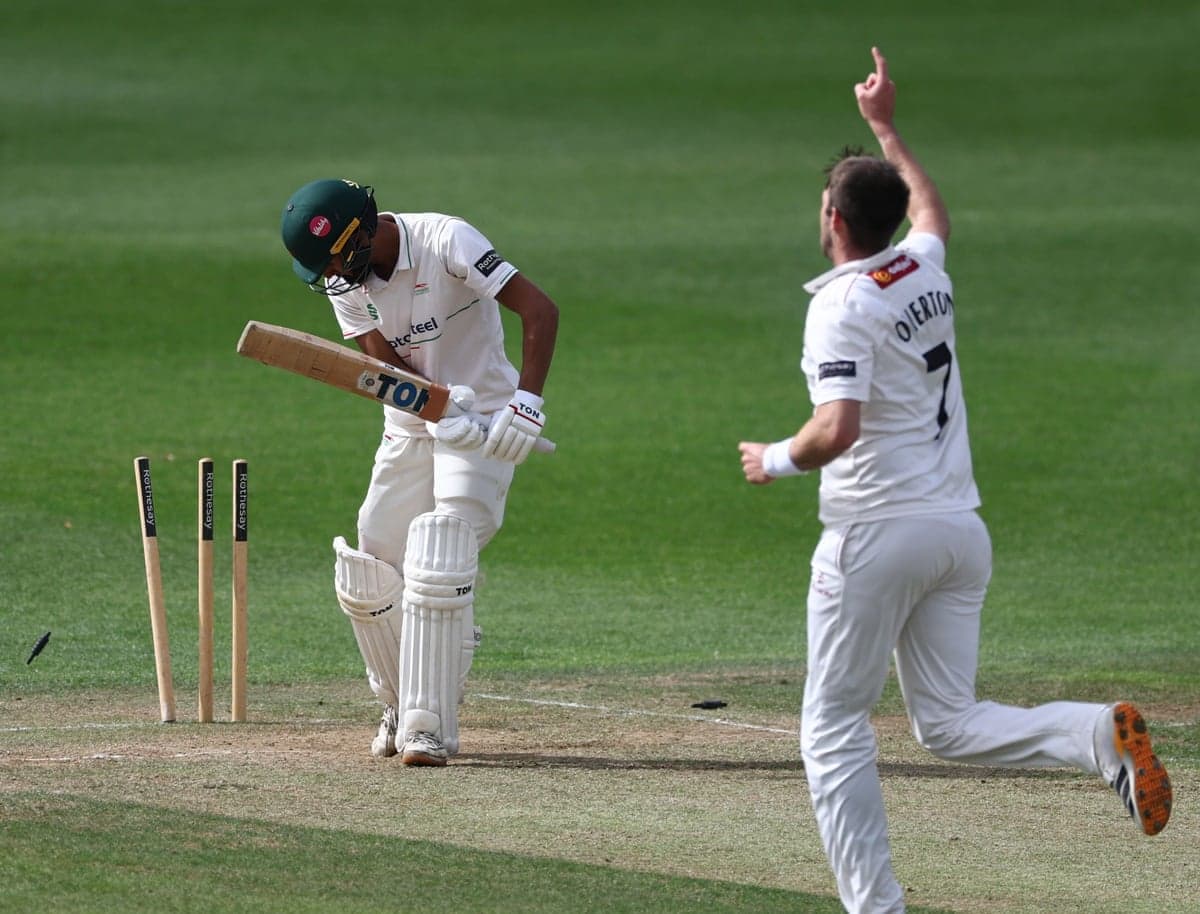
Ollie Robinson delivered a masterclass in seam bowling, taking 21 wickets at 8.8 across the series. According to reports from the series, Robinson was named player of the series for his dominant performances. His technique of bowling with a wobbling seam—a recent innovation also employed by Jimmy Anderson and Stuart Broad—creates uncertainty about movement direction until the ball pitches. Rather than seeking extravagant movement, Robinson maintained Glenn McGrath-like discipline on a pinsharp line and length, producing figures that would have satisfied SF Barnes a century ago. While he appeared fatigued during Pakistan's late rally at Edgbaston, he had earned the right to tire after a relentless campaign.
Gus Atkinson took four wickets at 66.3 while scoring 74 runs at 18.5. Bowling first change because Robinson refused to relinquish the new ball, Atkinson troubled all Pakistan batters without consistently finding the edge or lbw. His late wickets proved crucial during Pakistan's final push, though his overall figures suggest he can afford only one series of inconsistent returns given the depth of pace options available to selector Stephen Fleming.
Jofra Archer claimed 12 wickets at 26.7 while accumulating 71 runs at 71.0. His relentless barrage of fast bowling, delivered with increasing skill and cunning as the series progressed, proved devastating. His ferocious bouncer to dismiss Saud Shakeel when Pakistan reached 306 for five represented a masterpiece of controlled aggression. While he occasionally betrays his mood through reactions to disappointment, such moments were rare, and most of England's dropped catches came off his bowling.
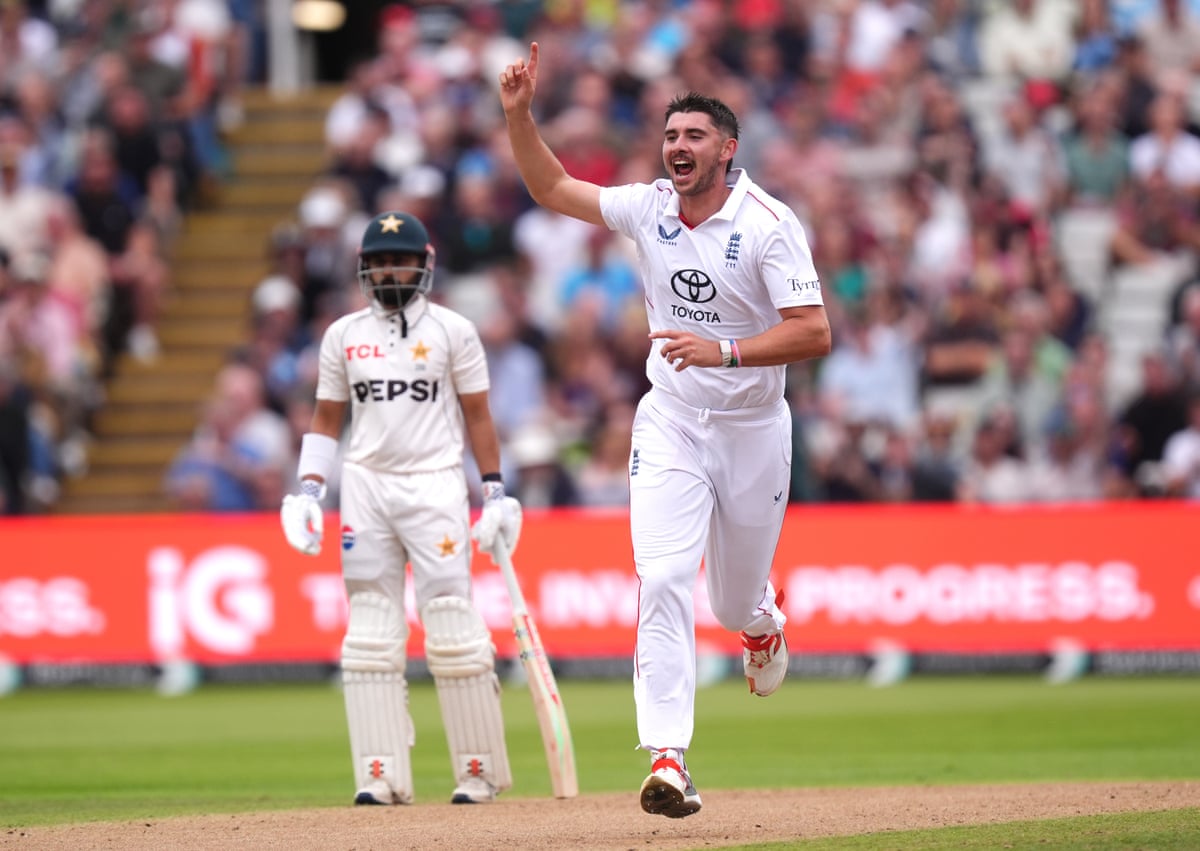
Josh Tongue delivered 19 wickets at 16.3 while scoring 65 runs at 21.7. His four five-wicket hauls and three four-wicket hauls in 15 Tests represent an extraordinary record, yet his success appears almost accidental rather than calculated. His unpredictability—finding equal amusement in both fortune and misfortune—contrasts sharply with the forensic data-driven approach dominating modern coaching, making him a genuinely valuable asset.
Pakistan's batting struggles
Shan Masood accumulated 161 runs at 26.8 with three catches. Leading a team destabilised by constant administrative changes proved impossible, yet his fielding improved markedly after dropping an early catch, boosting both team morale and personal pride. Only Dan Lawrence's diving grab prevented him from recording a valedictory century in what appears likely to be his final Test innings in England—a dismissal he scarcely deserved.
The young batter showed considerable class through the covers, his stroke-play evident in the crack of bat on ball sending deliveries skimming across the grass. However, the compressed timeframe of a 21st-century tour prevented him from establishing himself, and he suffered accordingly early on. Pakistan cricket remains unpredictable, but his return seems probable.
Imam-ul-Haq managed 42 runs at 21.0, displaying stubbornness during a two-hour-twenty-minute stay in the series' opening innings. His departure from Lord's through injury, followed by withdrawal from the tour, came amid stinging criticism.

Saim Ayub scored 0 runs at 0.0 with no wickets for 58 runs after being introduced for the third Test. Dismissed twice by Robinson for a pair, he had little opportunity to make an impression.
Abdullah Shafique accumulated 84 runs at 14.0, top-scoring for Pakistan in the first innings at Headingley before confidence drained away. He barely scored at Lord's or Edgbaston, yet his participation in all three Tests represented a minor achievement in itself.
Babar Azam scored 97 runs at 24.3 with two catches. Returning to lead the side after missing the opening Test through injury, he appeared diminished compared to his remembered form. Glimpses of the old Babar emerged in the final innings, yet his recent form remains patchy. At 31 years old, he appears older than his years—a consequence of 11 years as a Pakistan international.
A phlegmatic character, he batted beautifully at times, a strokemaker in an age of powerhitters. His figures lack impressiveness, yet one wonders how much better they might have been with greater support both on and off the field.
Salman Ali Agha managed 25 runs at 12.5 with one catch. Beginning the series as stand-in captain, he became stand-in fielder by the second Test—at least taking a spectacular slip catch—before returning home by the third.
Mohammad Rizwan scored 61 runs at 15.3 with five catches. He displayed considerable bravery standing up to the seamers, absorbing considerable physical punishment. However, his wicketkeeping exposed longstanding weaknesses, while his batting lacked its customary verve and energy.
Ghazi Ghori accumulated 20 runs at 10.0 with two catches. Making his debut standing up to Mohammad Abbas as the ball moved both ways, he managed adequately in difficult circumstances, though he showed limited understanding of constructing Test match innings in challenging conditions.
Pakistan's bowling performances
Mohammad Abbas took 13 wickets at 25.4 while scoring 86 runs at 17.2. A craftsman who understood precisely what he needed to accomplish after numerous seasons in England, Abbas possessed the skills and temperament to execute his plans. Every spell reached at least eight out of ten in quality, often exceeding that standard. Had he and Robinson competed on opposite sides, they would likely have recorded each other's figures.
Ali Usman scored 24 runs at 6.0 with six wickets at 25.2. He demonstrated fine bowling technique, prepared to give his left-arm spin considerable air while deploying his variations fearlessly. His five-wicket haul at Headingley—a rare achievement at a spinner's graveyard—promised much, yet he departed after bowling just 11.4 additional overs, checking in his bags before the series concluded.
Mohammad Imran accumulated 9 runs at 4.5 with two wickets at 35.5. Flown in specifically to bowl at Joe Root and colleagues, he proved exactly as his record suggested—a Lancashire League professional. He showed no inclination to get into line with the bat, though he could claim scalps of two Surrey men, Lawrence and Atkinson.
Khurram Shahzad scored 32 runs at 8.0 with six wickets at 44.7. A strong bowler who bustled into the crease seeking to hit the deck hard, his efforts fell short. His ordinariness raised questions about whether Pakistan's conveyor belt of talent had finally seized up.
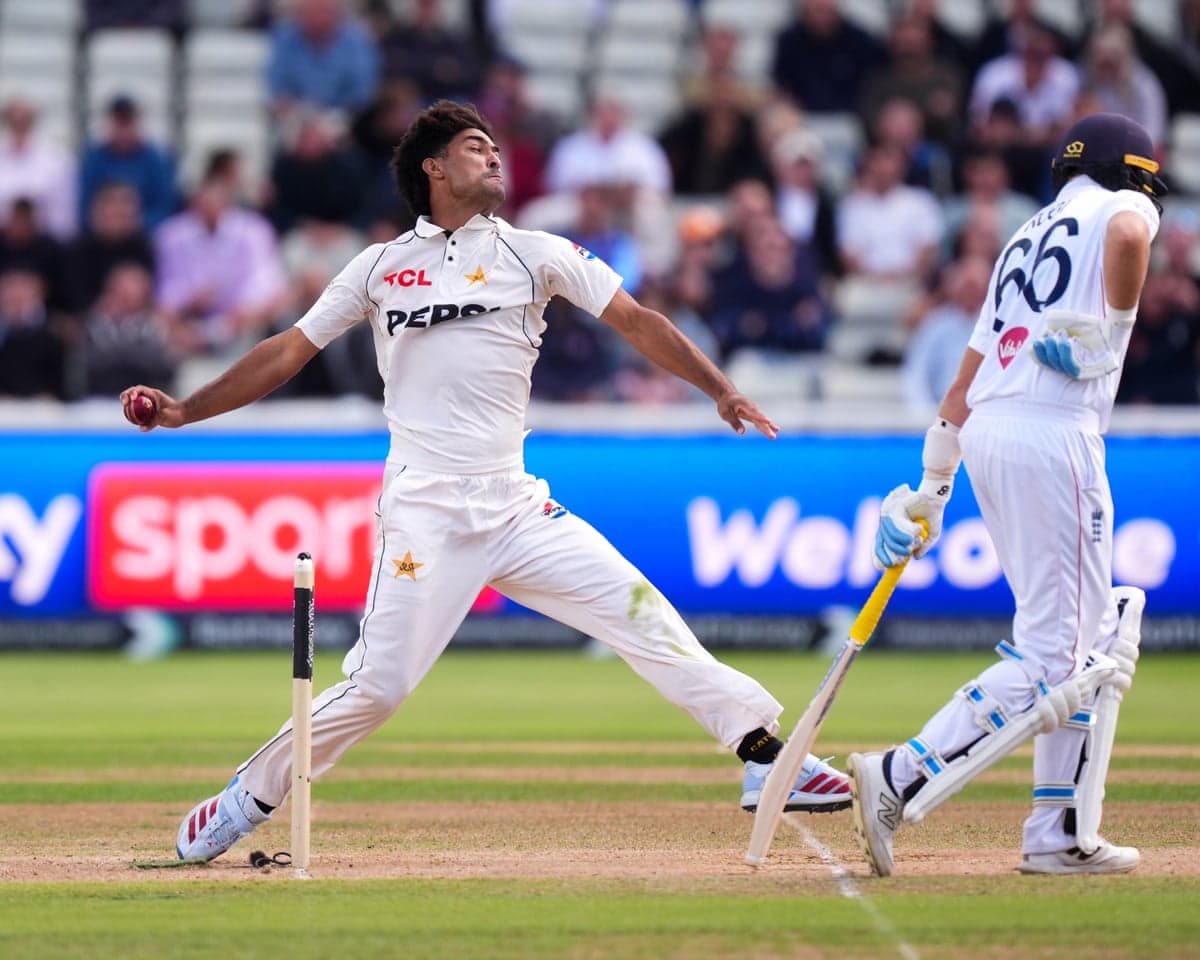
Razaullah accumulated 92 runs at 46.0 with four wickets at 46.8 and one catch. The young man from Mardan with boyband looks arrived beaming, registering 90mph on the speed gun while pinning Root for a maiden Test wicket. He subsequently went for runs—the mark of raw talent—before thumping nine sixes into the Birmingham sky during an entertaining cameo that provided Pakistan's long-suffering supporters with rare encouragement and gave England something to contemplate for the first time in the series. While players with similar backstories have soared only to crash and burn, Pakistan and cricket beyond Karachi and Lahore need Razaullah's talent and exuberance.
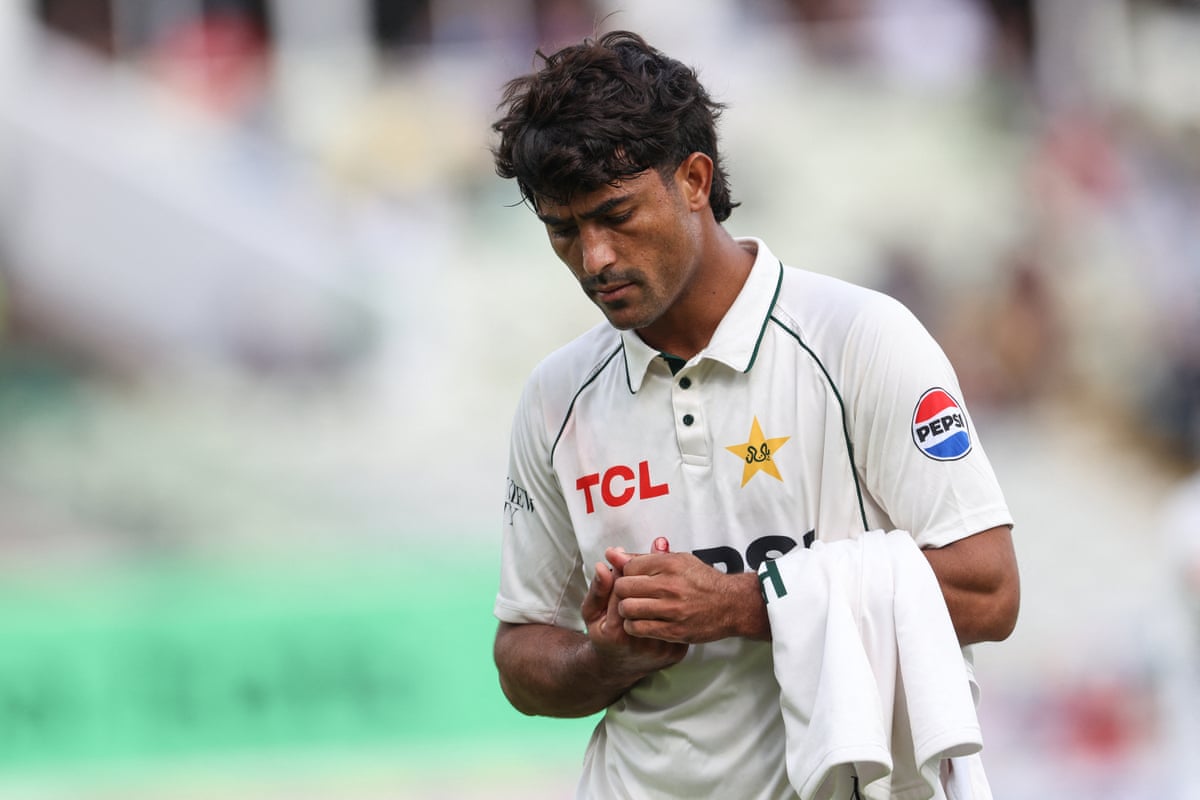
Mohammad Ali scored 20 runs at 20.0 with eight wickets at 45.0 and one catch. Tremendously entertaining to watch, his emotions never undersold, he could propel the ball at near 90mph at times. Yet at 33 years old, his numerous flaws in run-up and basic technique remain inexplicable.
Series context and significance
According to live coverage of the final Test, England secured their clean sweep with an eight-wicket victory at Edgbaston, with Root's unbeaten 62 and Cox's 59 guiding the hosts to their target of 130. The comprehensive nature of the victory reflected England's dominance throughout the series, with England's fast bowlers credited with controlling proceedings on helpful surfaces.
The series represented a successful return for Joe Root as permanent captain, building on England's opening victory at Headingley where Robinson and Tongue skittled Pakistan's batting order. England's dominance continued at Lord's, where Robinson took 4-11 as England extended their lead to 261 runs with three wickets down, securing a 1-0 series advantage before the decisive third Test.
This clean sweep marked England's second 3-0 Test series victory over Pakistan, matching the result from the 2022/23 series and demonstrating the gulf in quality between the teams on English pitches. Pakistan's tour of England has now concluded following the Edgbaston Test, with no further fixtures scheduled.
Key Facts
- Ollie Robinson took 21 wickets at 8.8 to claim player of the series honours in England's 3-0 clean sweep
- Josh Tongue delivered 19 wickets at 16.3, including four five-wicket hauls and three four-wicket hauls across his 15 Tests
- Harry Brook scored 215 runs at 53.8, with his 91 at Headingley establishing England's control over the series
- England won the third Test at Edgbaston by eight wickets, chasing down 130 with Root unbeaten on 62 and Cox on 59
- This represented England's second 3-0 Test series victory over Pakistan, matching their 2022/23 result