Excellence in sport creates a paradox for those who witness it. When athletes demonstrate exceptional ability, audiences simultaneously celebrate their achievements and demand even more, often overlooking the systemic factors that enable or constrain performance. This tension between appreciation and expectation shapes how we judge individual brilliance, particularly when it comes from figures who command attention both on and off the field.
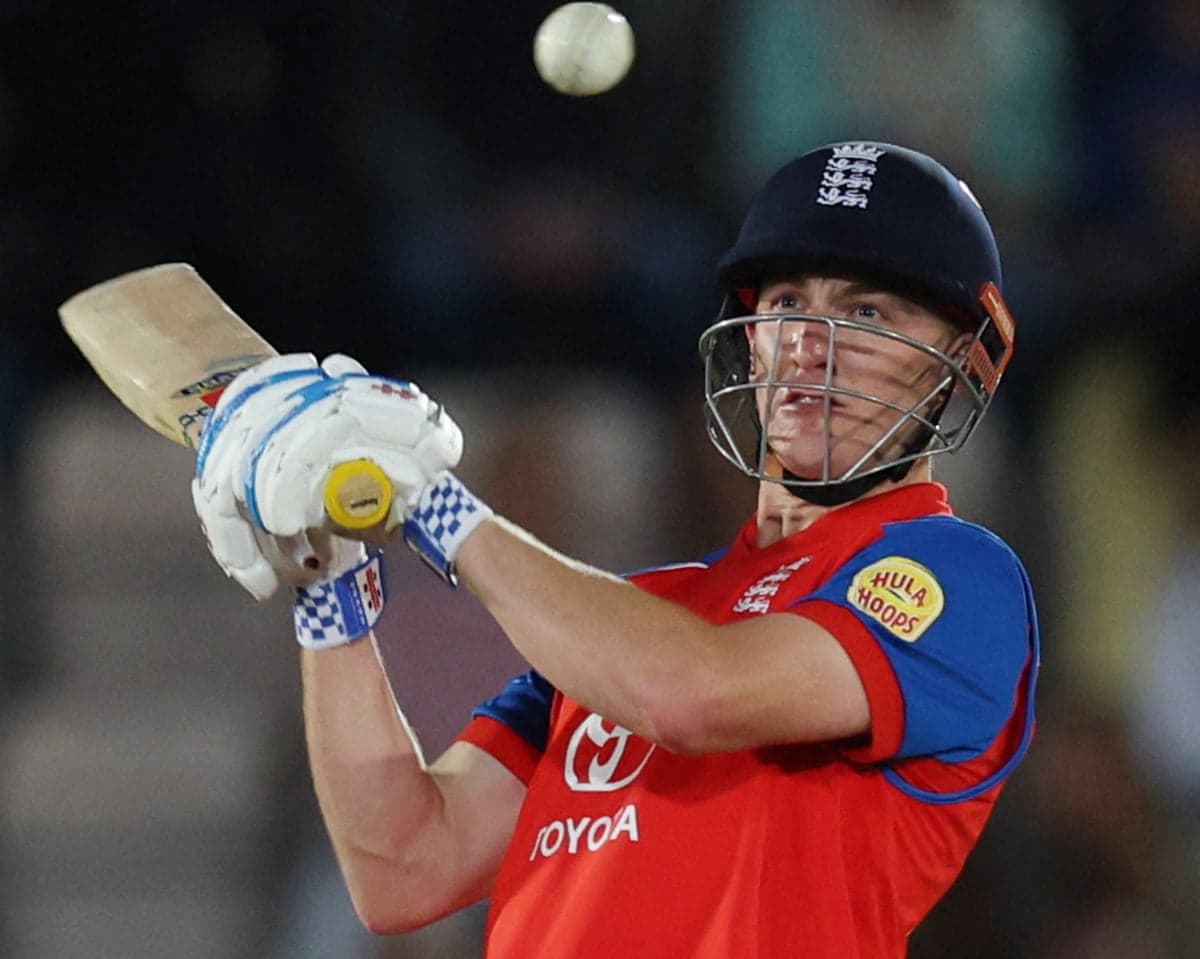
Harry Brook exemplifies this dynamic. The England captain represents a generational talent whose performances in international cricket stand comparison not only with his peers but with the greatest players across any era. His approach to the game carries an intensity that occasionally manifests in unconventional behaviour and questionable decision-making, especially in leadership contexts. Yet sport has always rewarded those who lead by example, and Brook's willingness to set standards through his own play remains unquestionable.
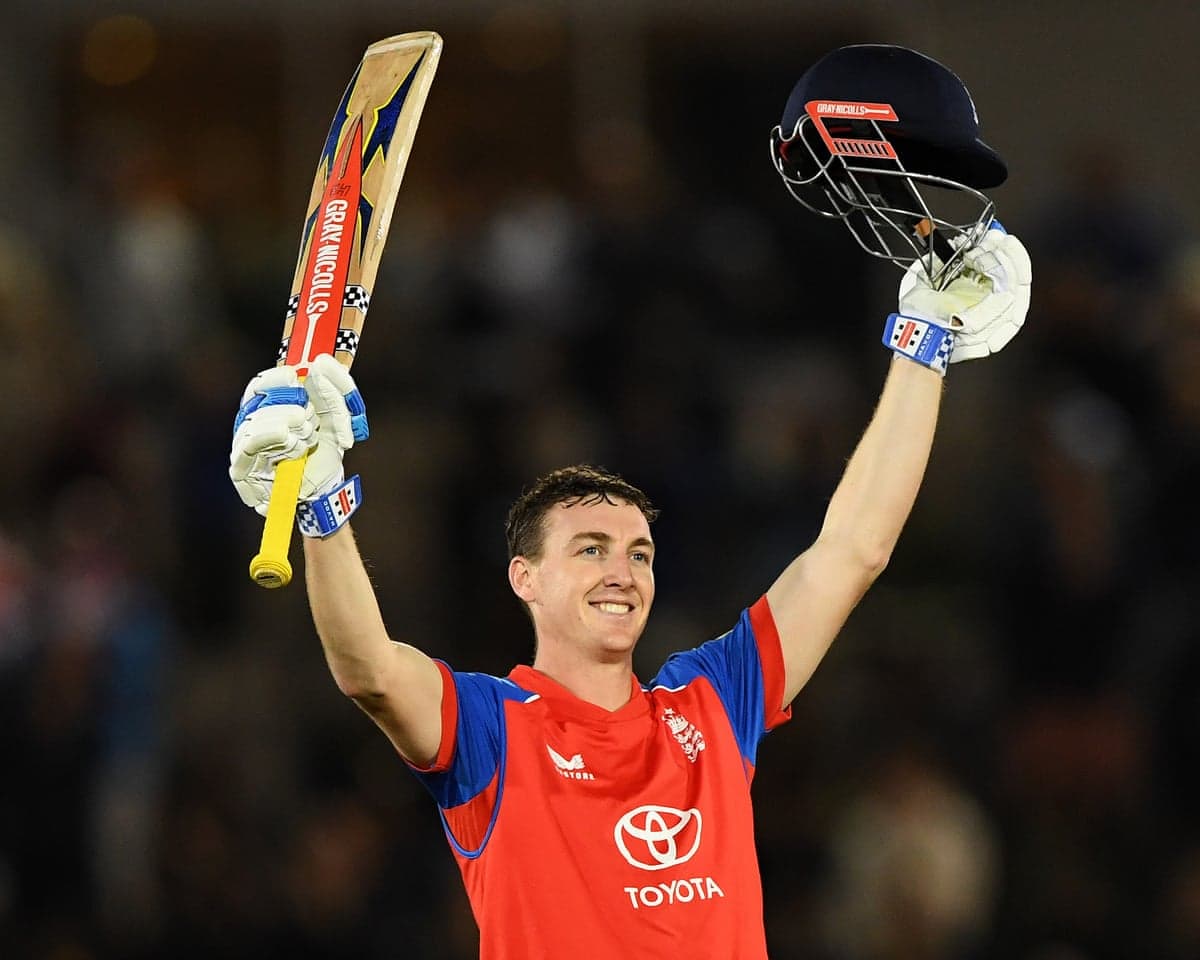
On 15 September 2026, Brook demonstrated precisely why he commands such scrutiny. His unbeaten 114 off 49 balls powered England to 254 in the opening T20 international, a total that proved decisive. Sri Lanka managed only 135 in response, with Sonny Baker claiming three wickets, giving England a commanding 119-run victory. That performance, however, belongs to the past; what matters now is what unfolds on 17 September 2026.
What can England achieve in the second T20I?
England will look to extend their dominance when they face Sri Lanka in the second T20 international at Sophia Gardens, Cardiff, on 17 September 2026. The match begins at 18:30 local time, offering another opportunity for the hosts to demonstrate their superiority in the format. The first-match victory established a clear pattern of play, but T20 cricket's unpredictability means nothing can be taken for granted.

How do these teams compare historically?
England's recent record against Sri Lanka provides context for tonight's encounter. Earlier in 2026, the two nations met in the ICC Men's T20 World Cup Super Eights, where England's defensive bowling proved decisive. Batting first, England posted 146 for 9, a total that appeared modest but proved sufficient when Sri Lanka fell short in their chase. That victory demonstrated England's capacity to win tight contests, a quality that may prove valuable if conditions or opposition performance tighten the contest at Cardiff.
What are the match details?
The fixture at Sophia Gardens is scheduled as a night match, with play running from 18:30 to 21:50 local time. Russell Warren and Rob White will stand as umpires, with Jeff Crowe appointed as match referee. This represents the 4129th T20 international in Sri Lanka's tour of England, a series that continues to build on the competitive foundation established in the opening match.
What happens next?
The second T20 international itself constitutes the immediate focus, with both teams preparing for the contest at Cardiff on 17 September 2026. The outcome will shape the trajectory of the series and provide further evidence of where each team stands in the T20 format as international cricket continues its relentless schedule.
Brook's century on 15 September 2026 was characteristic of his destructive approach—a performance only he could deliver. Yet that achievement, however remarkable, exists in the past. The expectations that surround him, much like those that surround elite sport itself, are rooted in the present and future. What matters now is what unfolds this evening at Cardiff, where England and Sri Lanka will contest the second chapter of their T20 series.