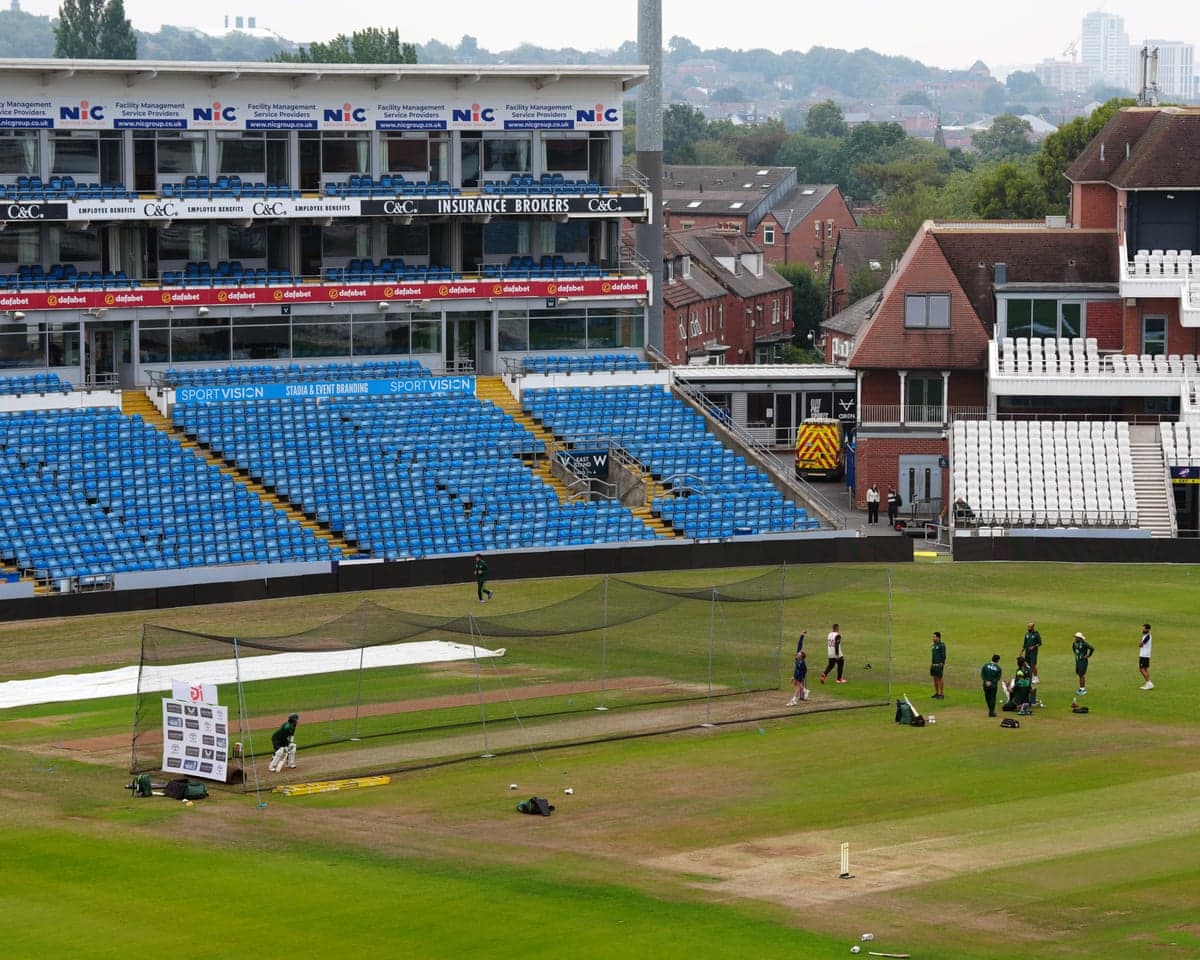
England secured a commanding victory over Pakistan at Headingley, but the ground will now endure a significant absence from men's Test cricket. The fixture, which ran from 19 to 23 August 2026, marked the last men's Test scheduled at the Leeds venue for several years, leaving both the ground and Yorkshire County Cricket Club facing considerable financial and sporting challenges ahead.
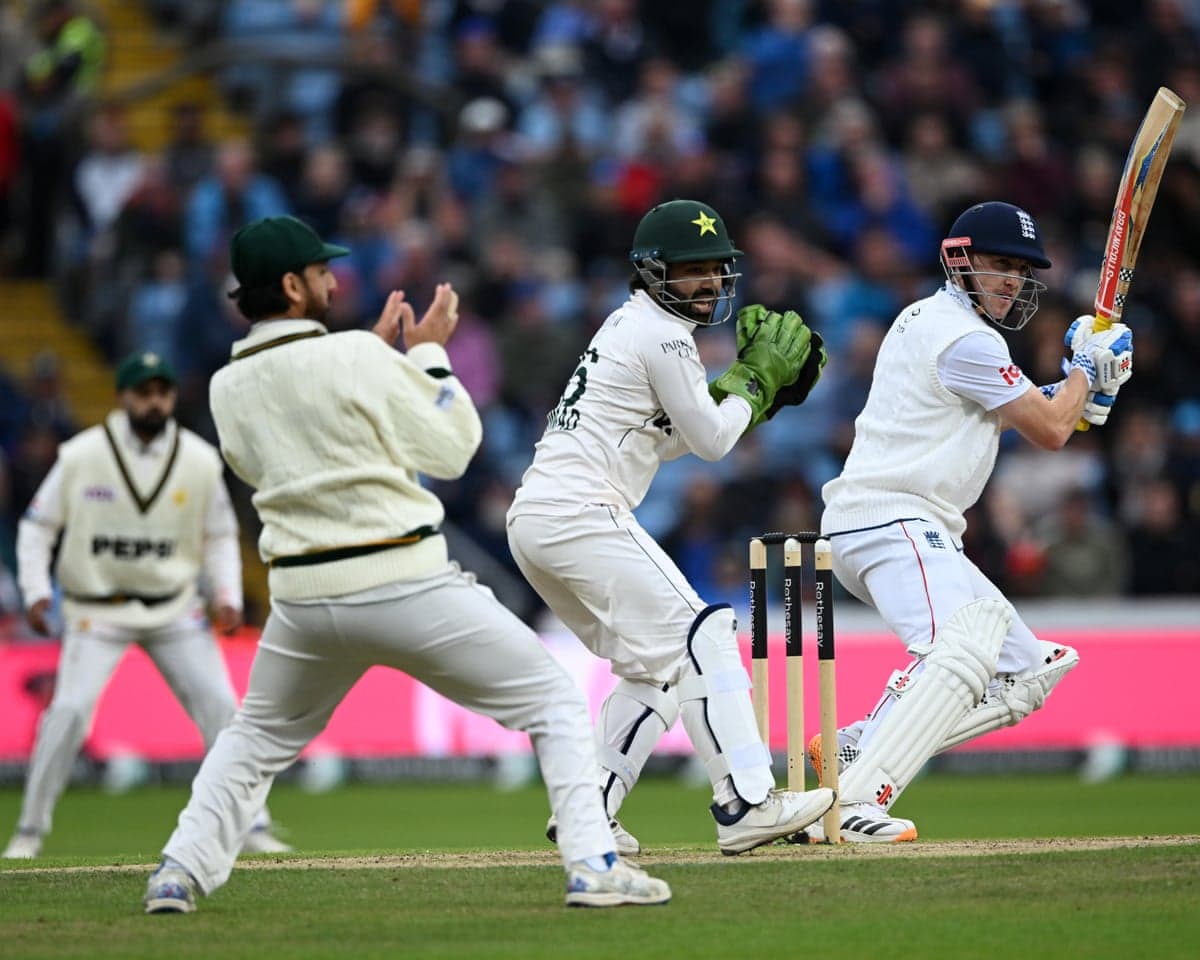
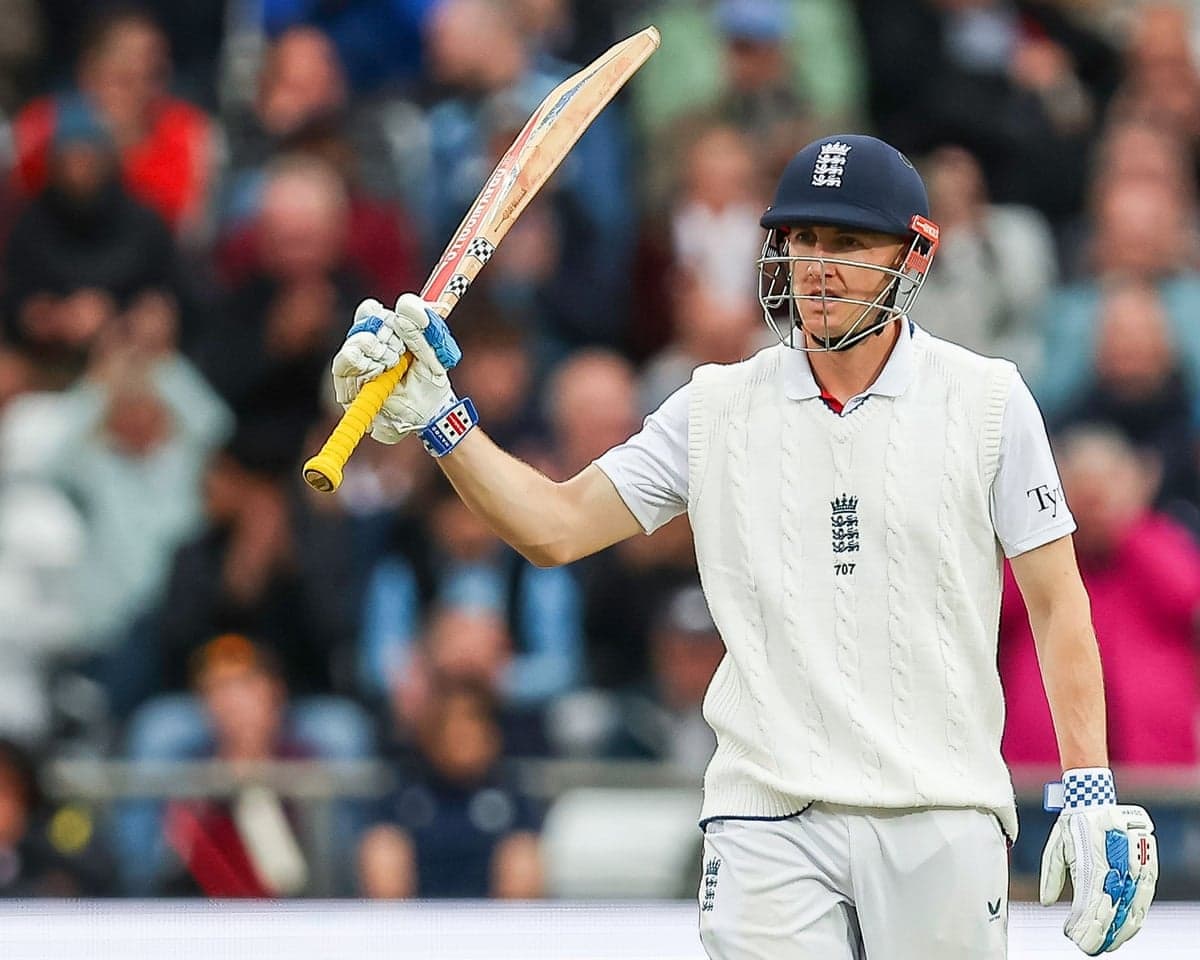
Harry Brook's performance encapsulated the broader story of the match. The Yorkshire batsman, who has produced memorable displays at his home ground in recent years, fell agonisingly short of a century once again. His innings of 91, struck against Ali Usman's left-arm spin, represented England's highest individual score but left him nine runs shy of the three-figure milestone he craves at Headingley. According to match records, Brook's dismissal came at a critical juncture as England built their advantage. The wait for his home Test century continues, and he will have to be patient—the ground will not host another men's Test until 2031.
England's bowling attack proved devastating in Pakistan's first innings. Josh Tongue and Ollie Robinson each claimed five wickets, dismantling the visiting batting order and allowing England to establish a commanding position. Pakistan were restricted to 171 in their opening innings, while England reached 366 for eight declared, establishing a 195-run lead that proved insurmountable. The gulf in quality between the two sides became apparent as the match progressed, with Pakistan's batting unit failing to construct any meaningful partnerships.
Joe Root marked his return to the captaincy with a significant milestone. His 28th Test victory as England captain came five years after his 27th on this same ground, sealed in afternoon sunshine on the final day. Root contributed both with bat and ball, taking a catch at leg-slip to accelerate Pakistan's second-innings collapse. This represented England's seventh successive Test victory at Headingley, a streak that underscores the ground's status as a fortress for the home side.
The match took place against the backdrop of major scheduling changes for English cricket. The England and Wales Cricket Board has not allocated Headingley a men's Test fixture as part of the 2027 Ashes series, with Australia's visit scheduled for Old Trafford instead. This means the ground will host no men's Tests in 2027 or 2028, with the next fixture not arriving until 2031. The absence represents a severe blow to Yorkshire's finances and operational capacity.
What does this mean for Yorkshire's finances?
The financial impact on Yorkshire is substantial and immediate. According to the club's most recent annual report and accounts, each year without a men's Test match results in a loss of between £2 million and £3 million. Sanjay Patel, Yorkshire's chief executive, has described the two-year absence as "devastating" for the organisation. Even with the recent sale of their Hundred franchise, which generated £52.1 million and cleared accumulated debts, the club remains heavily dependent on Test cricket revenue to sustain operations and fund ground improvements.
The financial pressure extends beyond immediate losses. Patel and Colin Graves, the club's chair, have continued to advocate for the controversial demutualisation of Yorkshire, arguing that external investment is essential to upgrade facilities and ensure long-term viability. The absence of Test cricket will likely intensify these discussions and strengthen the case for structural change within the organisation.
Why has Headingley been removed from the schedule?
The ECB's allocation decisions reflect broader strategic considerations about England's Test infrastructure. With five primary venues—Lord's, The Oval, Emirates Old Trafford, Trent Bridge, and Headingley—competing for a finite number of home Test series, rotation is inevitable. Yorkshire confirmed in 2023 that Headingley would return to the international schedule in 2031, suggesting the current gap is part of a planned cycle rather than a permanent exclusion.

However, the timing creates particular difficulty. The 2027 Ashes series, one of cricket's marquee events, will see no men's Test staged in the north of England. This represents a departure from recent practice and reflects the ECB's desire to concentrate resources and ensure optimal conditions for flagship fixtures.
What has made Headingley special in recent years?
The ground has produced several memorable Test moments that have cemented its reputation as a venue capable of delivering compelling cricket. Shai Hope's twin centuries for the West Indies in 2017 showcased the ground's capacity to produce high-quality cricket. More recently, Ben Stokes' unbeaten 135 in 2019, during which Jack Leach famously wiped his spectacles, became an iconic image in English cricket folklore. The 2023 Ashes Test maintained the ground's tradition of hosting tight, competitive matches that kept the series narrative alive.
New Zealand and India have also provided entertaining chases at Headingley, with Brendon McCullum's influence evident in England's attacking approach at the venue. These moments have established Headingley as more than simply a Test ground—it has become a place where underdog performances and dramatic finishes are possible, where the Western Terrace creates an atmosphere that can inspire unlikely victories.
Yet this Pakistan match offered no such drama. The absence of genuine contest meant the occasion lacked the narrative tension that has characterised recent fixtures. Pakistan, weakened by the absence of injured captain Babar Azam and led instead by Salman Ali Agha, never threatened to mount a serious challenge. The two rain-interrupted opening days gave way to clear conditions that favoured England's bowlers, and the home side's superiority proved too great to overcome.
What happens next for English cricket at Headingley?
The immediate future sees limited men's Test action at the ground. The second Test of the Pakistan series is scheduled for Lord's from 27 to 31 August 2026, with the third and final Test at Edgbaston from 9 to 13 September. A one-day international against Sri Lanka is provisionally scheduled for 24 September, though this fixture may not take place at Headingley.
A significant development is the confirmation that a women's Ashes Test will be held at Headingley in June 2027. This represents a landmark moment for women's cricket and ensures the ground will continue to host red-ball international cricket, even as men's Tests are absent. The fixture carries symbolic importance as women's Test cricket gains greater prominence within the ECB's scheduling.
Beyond 2027, uncertainty prevails. The ECB's 2027 ticket registration system indicated Headingley on Friday 21 May 2027 within the men's home international window, suggesting the ground may host a fixture that year, though this remains unconfirmed. The next guaranteed men's Test is not scheduled until 2031, leaving a significant gap in the ground's international calendar.
For Harry Brook, the implications are personal as well as institutional. Whether he will captain England at Headingley, or even play another Test there before the 2031 fixture arrives, remains uncertain. His quest for a home Test century at the ground will have to wait, possibly for several years. The ground that has hosted so many memorable moments faces an extended period in the shadows of English cricket's international schedule, a hiatus that will test both Yorkshire's resilience and the broader importance of Test cricket to the English game.