

Colwall Cricket Club, a small village side on the western slopes of the Malvern Hills in Herefordshire, marked a century of organised women's cricket over the weekend with a 1920s-themed celebration, live music, vintage cars and a women's softball competition. The event, attended by England great Enid Bakewell and cricket historian Raf Nicholson, coincided with the unveiling of a new heritage display in the clubhouse honouring the village's role as the birthplace of the Women's Cricket Association a hundred years ago.
Several towns have laid claim to the title "home of women's cricket" over the decades. Taunton took up the mantle in 2006 when the England and Wales Cricket Board named it the supposedly permanent base for the England women's team, a arrangement that did not last. More recently, Lord's has floated a similar claim after finally staging a women's Test match in its 142-year history.
Why is Colwall considered the true birthplace of women's organised cricket?
Colwall earns the title because it was there, in August 1926, that a group of women's hockey players on a cricketing holiday first discussed forming a national body for the sport. The party stayed at the Park Hotel, then owned by one of the group, Mollie Scott-Bowden, and spent three days playing cricket for the sheer enjoyment of it before gathering for a final conversation as the holiday drew to a close.
One of those present, Marjorie Pollard, later described the moment vividly:
We sat in the Park Hotel at Colwall, and discussed how cricket could become real for us – no longer to be an illusive thing, that one played half afraid of ridicule. We pondered, mused, talked.
A month later the group reconvened in London and formally agreed to establish the Women's Cricket Association. According to a national broadcaster's report, that founding meeting took place on 4 October 1926, when members passed a motion to create a central body for the women's game. The WCA went on to run English women's cricket until 1998, staging the first public women's match in 1929, the first women's international fixtures in 1934-35, and the first Cricket World Cup in 1973.
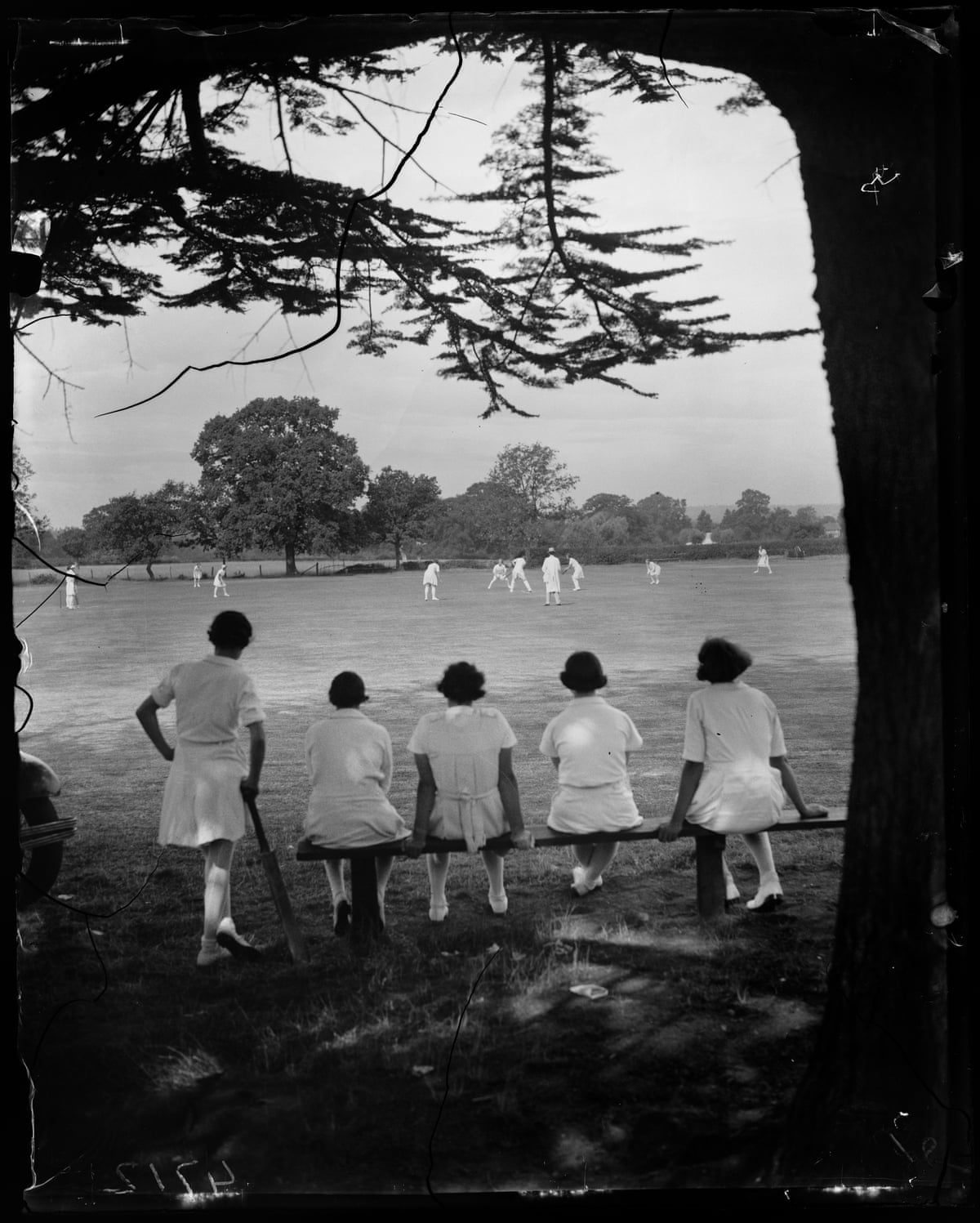
How has Cricket Week survived for a hundred years?
The tradition begun by that first holiday has continued largely uninterrupted since. Cricket Week has been held in almost every peacetime year since 1927, according to the event's own history page, with players returning every summer to camp around the edge of Colwall Cricket Club's second pitch for five days of cricket in the place where the sport's governing body for women was first conceived.
Raf Nicholson, who has written a history of women's cricket, admits to having known the Colwall story for years without visiting until this year's centenary weekend provided the opportunity. Staying at the Park Hotel and walking down the hill to the ground, Nicholson describes feeling as though she were retracing the steps of the WCA's founders, half-expecting to sense Pollard's disapproving ghost over a pair of shorts or an early cocktail — the hotel now serves a "Colwall 1926" special made with gin, prosecco, Yuzu soda and mint. On arrival, Bakewell, aged 85, was already dancing the Charleston.
What does the new heritage display include?
The clubhouse display now features photographs correcting what had been an almost entirely male-dominated visual history at the ground. Among the new additions are Frances Heron-Maxwell, the WCA's first chair, pictured wearing a bow tie in 1927, and Betty Snowball, England's first wicketkeeper, shown in her prime in 1933. Snowball loved Cricket Week so much that she later moved to Colwall and died in the village in 1988.
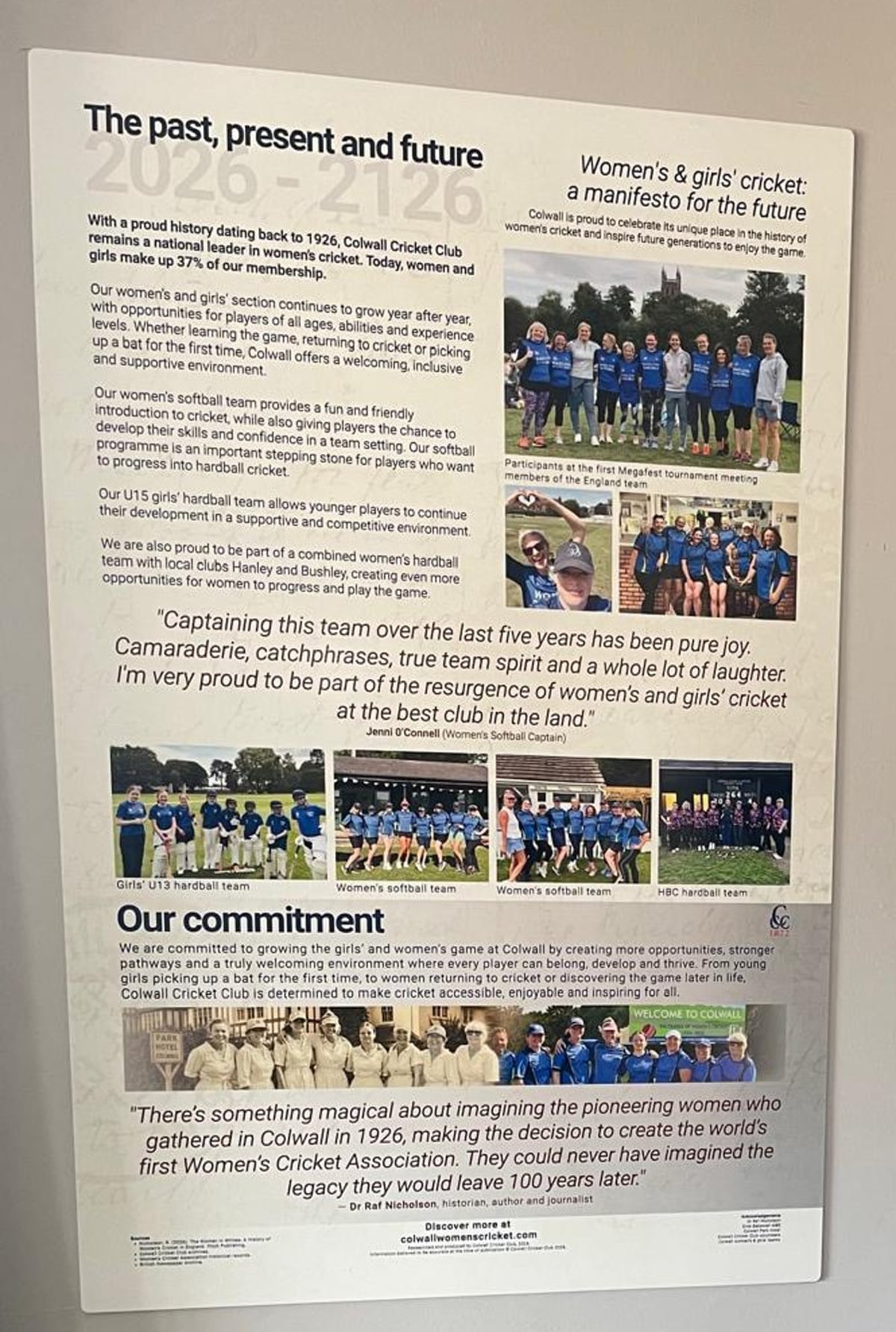
Colwall's communications lead, Gemma Nurser, explained the motivation behind the new display:
The clubhouse is quite male-dominated, so we've been really desperate to show that female presence, and also recognise the history that is associated with Colwall: 1926 is where it all began with the Women's Cricket Association being formed. We just wanted something in the clubhouse to recognise that.
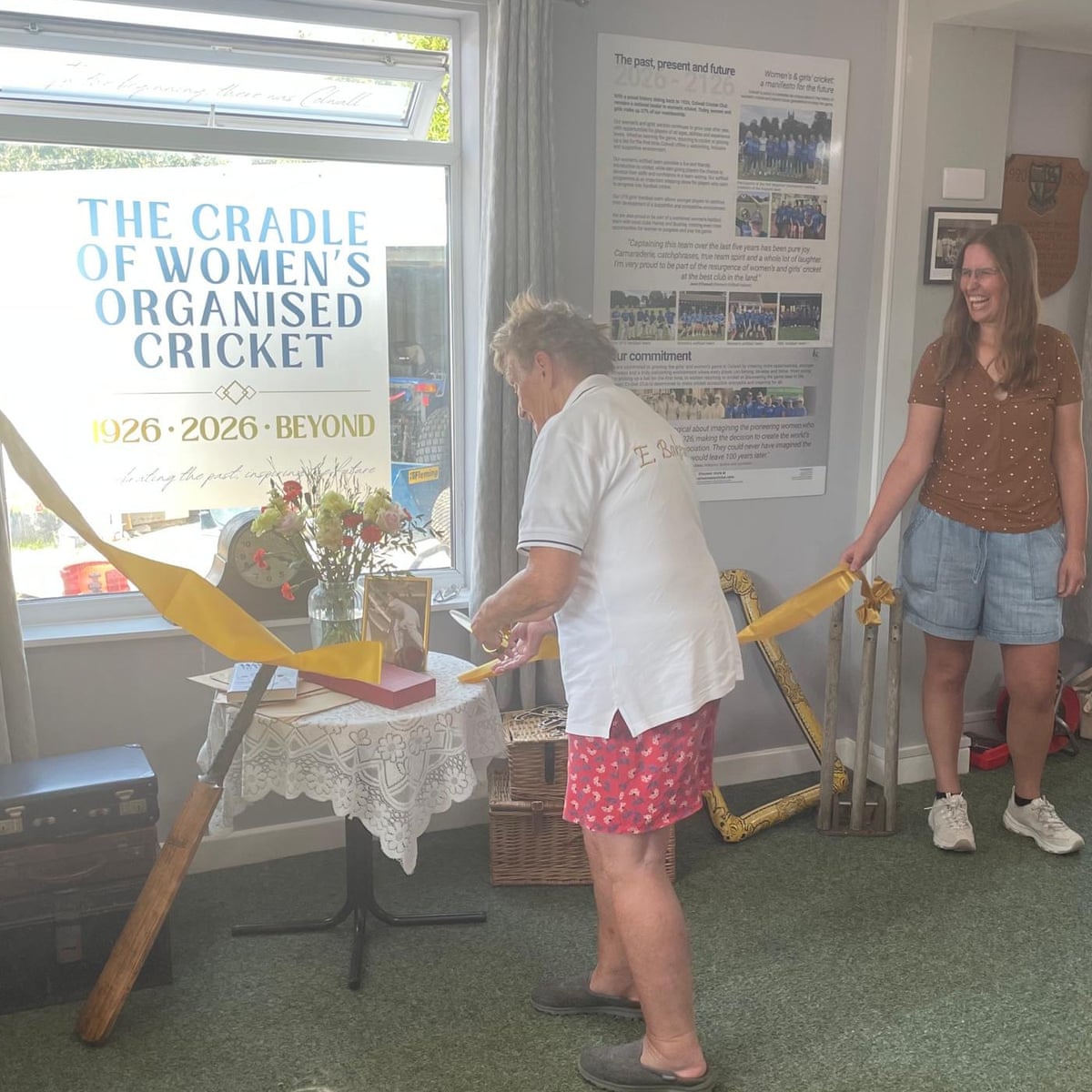
Five years ago the club started a women's team, and women and girls now make up 37% of Colwall's membership. Nurser said the club is proud to host the annual gathering: "We are always grateful to welcome them every year and we love it. It just brings such an amazing atmosphere to the club for the week. As a burgeoning ladies section, we're trying to really embrace Women's Cricket Week and all collaborate together."
Is this connected to the ICC's global Women's Cricket Week campaign?
Colwall's centuries-old Cricket Week tradition is distinct from, though thematically linked to, a separate global initiative of the same name. According to the International Cricket Council, its own Women's Cricket Week campaign ran from 21 to 28 June 2026, bringing together nearly 60 member nations, and according to the ICC the campaign engaged more than 13,000 women and girls worldwide. The two events share a name and a spirit of grassroots celebration, but Colwall's gathering predates the global campaign by nearly a century.

The wider growth of the women's game has been evident elsewhere this year too. Lord's staged its first-ever women's Test match on 10 July 2026, as detailed in our coverage of the historic opening day of the England v India Test, a fixture that arrived 50 years after women first played at the ground and 92 years after the first women's Test was staged anywhere. Attendance and viewing figures at this year's T20 World Cup have also seen the women's game outstrip the men's in several markets, as we reported in our coverage of women's cricket's growth surpassing the men's game.
Why does Cricket Week matter so much to those who attend?
Attendees this year included Ingrid van der Elst of the Netherlands, who played in the 1982 World Cup, and Coral Handley and Veronica Savage, both marking 50 years of attending Cricket Week. No one is quite sure when some of the week's quirkier traditions began, including Fancy Dress Friday, an end-of-week attempt to play cricket in full costume. Last year's theme, "Party like it's '99", saw four players dressed as the Spice Girls attempt to bowl while pulling a cardboard union jack bus; in previous years the Eiffel Tower has opened the batting and an inflatable Mr Blobby has umpired.
For many, the week's real value lies in the sense of belonging it offers to players who might otherwise feel excluded from the sport. One attender said:
When you go to Cricket Week you're in a safe, supportive and inclusive bubble, insulated from the outside world.
Another added:
Once you've been to Cricket Week you're part of an incredible family, and always will be, long after you stop playing.
What challenges does Cricket Week face going forward?
The competitive standard has declined even as the tradition endures, largely because elite players now have professional county commitments elsewhere. Carole Cumino, who has attended since the mid-1980s, recalls a peak of 16 teams, each captained by an England international; this year there were four. Cumino explained the shift:
It's fair to say that the quality of the cricket over the years has decreased, but when you've got professional county teams doing their own thing elsewhere, they're not the people who are going to come to Cricket Week.
Former internationals still take part, however. Sarah Clarke, who won six one-day international caps for England between 2001 and 2002 and played for Surrey for 16 years, has organised the week for two decades, while Claire Taylor opened the batting for the Cricket Week team against MCC this year. Cumino believes the event is evolving into something different but still valuable:
Where do people who just love their cricket go? Where do they keep going once they get into their slightly more advanced years? I think that there is a niche for Cricket Week, but it feels to me it's emerging more as a festival of cricket and an opportunity for friends to meet up, for new people to come along and build those friendships and relationships going forward. We're at a sort of watershed now. But it feels like talking to people, there is enough will to want to keep it going, because they really value it.
What has changed in Jon Lewis's approach to coaching women's cricket?
London Spirit Women's head coach Jon Lewis has revised his views on coaching in the women's game over the past four years, having entered the role in November 2022 after spells with the England Lions and as England men's fast bowling coach. He initially dismissed the idea that coaching approach should differ by gender, saying at the time: "You coach individuals, you don't coach gender. You coach people – you get to know people and try to understand people."
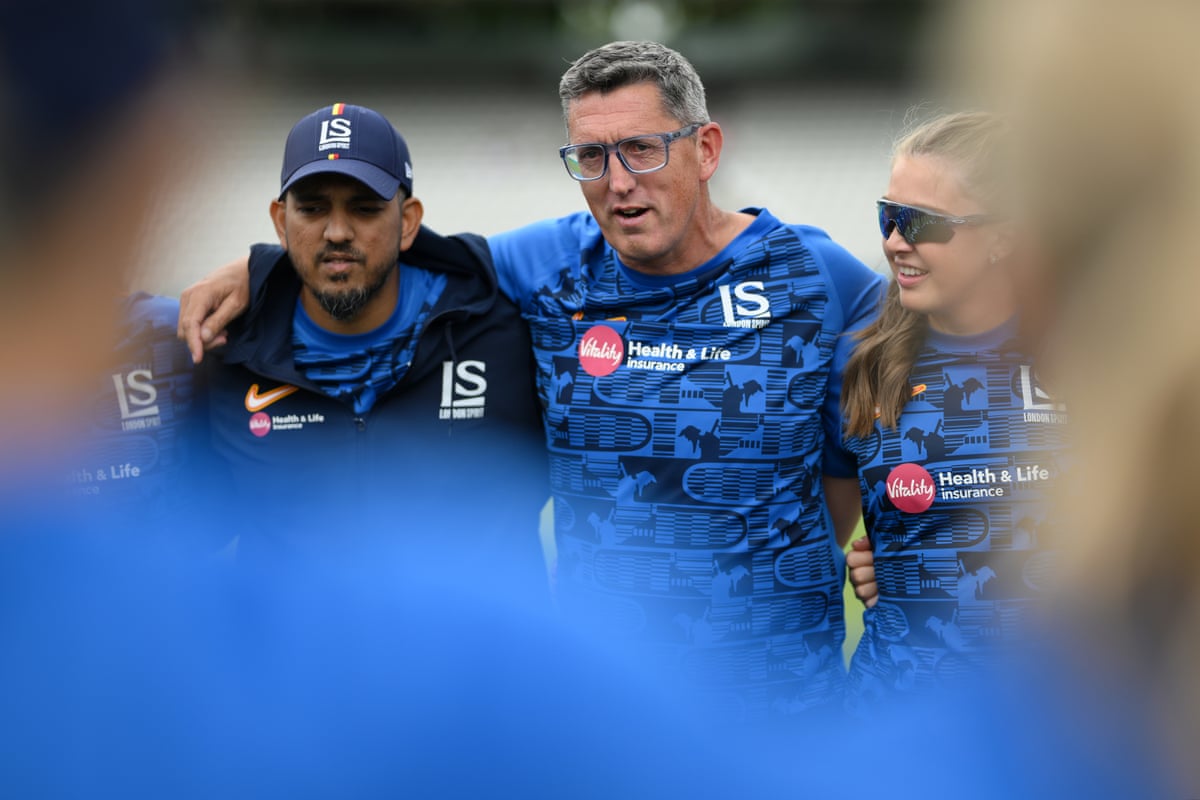
Speaking on the Wisden podcast, Lewis has since softened that stance, telling Katya Witney: "I think you need a slightly stronger level of empathy in terms of the women's game … and I think you have to be a more skilful communicator." Lewis has also spoken about his time as England Women's head coach ending badly because he was, in his words, trying to stretch the women's game too fast.
What did Ash Gardner's ex-wife say about the vice-captaincy row?
Monica Wright, the former wife of Australian all-rounder Ash Gardner, has called for Gardner to be stripped of the national team's vice-captaincy following revelations of an affair with teammate Georgia Voll last month. In an interview with Code Sports, Wright said:
You can't have an affair with a junior member of staff, especially when there's a clear power imbalance, and then remain in a position of leadership. Captains are expected to set the standard, and that kind of conduct falls well short of it.
Cricket Australia responded with a statement describing the matter as "a personal and private matter" and said it has "appropriate conflict-of-interest management arrangements in place to support leadership responsibilities and maintain the integrity of team processes."
What else happened in women's cricket history this week?
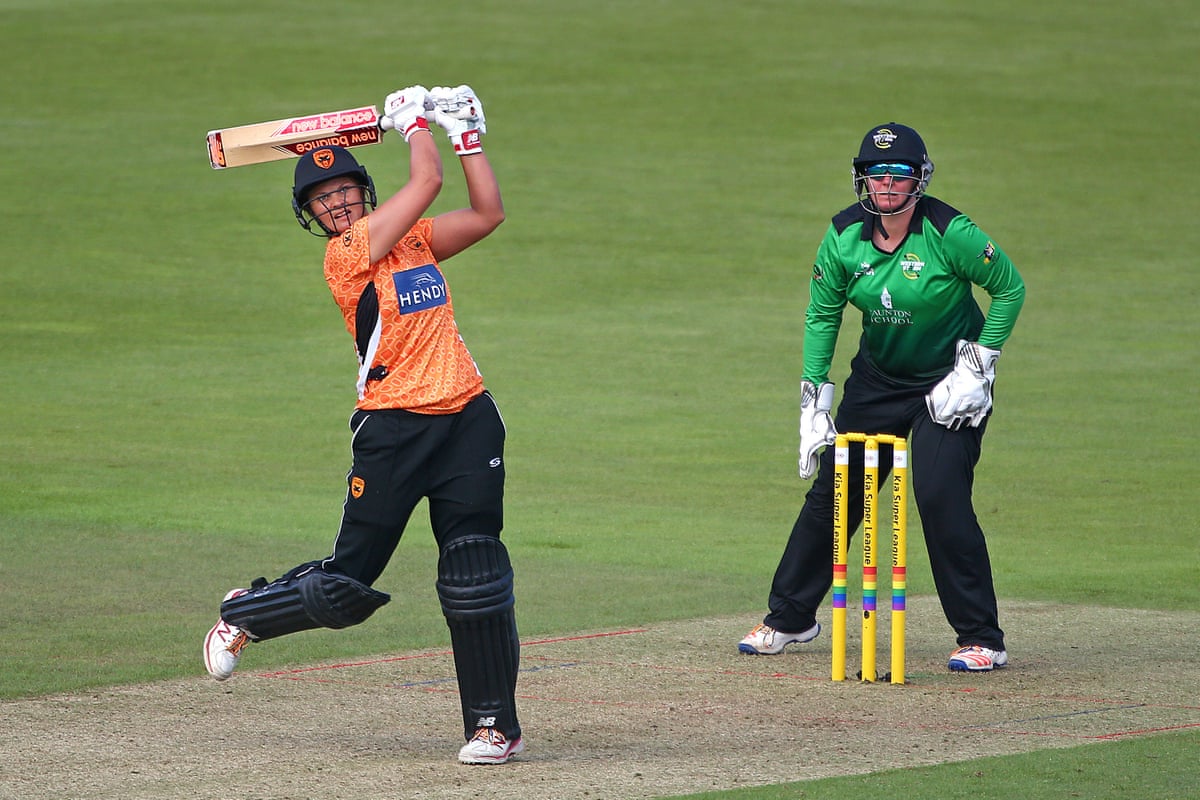
On 10 August 2017, only a fortnight after England lifted the World Cup trophy at Lord's, the second edition of the Kia Super League began at Southampton. The reigning champions, Southern Vipers, captained by Charlotte Edwards, won their opening fixture, with Suzie Bates striking an unbeaten 47 to be named player of the match.
What happens next?
Cricket Week's own event page lists this year's gathering as running from Monday 3 to Friday 7 August 2026, though an application form for players wishing to take part was still described as "coming soon" at the time of writing, according to the event's website. Meanwhile, the professional women's game continues its busy summer schedule: Welsh Fire Women face London Spirit Women in the Hundred on 12 August 2026, according to published fixtures, with the competition's Eliminator set for 14 August 2026 and the Final for 16 August 2026, as listed by tournament scheduling information.
Elsewhere in the domestic game, Joe Root has returned for a second spell as England's men's captain, England have begun life after Ben Stokes with call-ups for Dan Lawrence, Jordan Cox and Ollie Pope for the series against Pakistan, and a major streaming platform has agreed a landmark rights deal covering coverage of the sport this month.
Key Facts
- The Women's Cricket Association was formally agreed in London on 4 October 2026, a month after a cricketing holiday at Colwall in August 1926.
- Cricket Week has run in almost every peacetime year since 1927 and this year's edition is scheduled for 3–7 August 2026.
- Women and girls now make up 37% of Colwall Cricket Club's membership, five years after the club formed its first women's team.
- A separate ICC-run global Women's Cricket Week campaign engaged nearly 60 nations and more than 13,000 women and girls between 21 and 28 June 2026.
- The number of teams at Colwall's Cricket Week has fallen from a peak of 16 in the mid-1980s to four this year.


