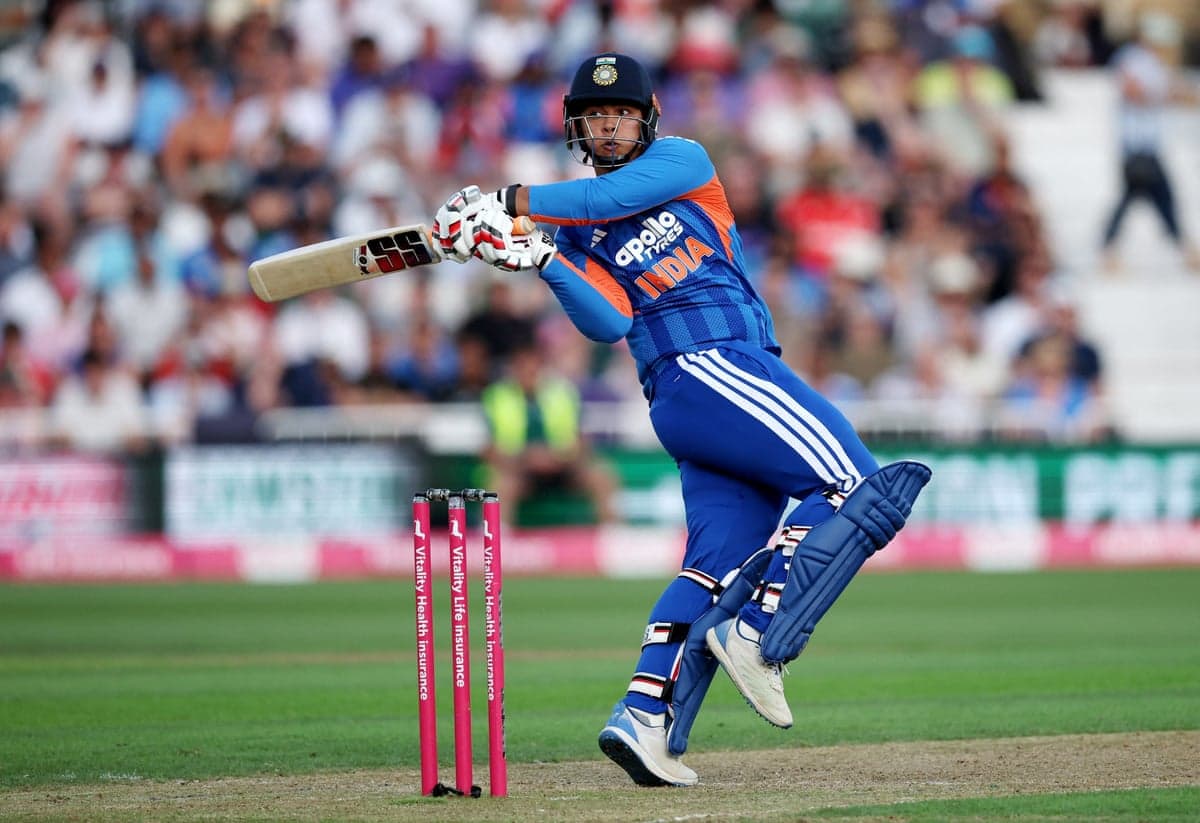
The delivery arrives short outside off stump. Vaibhav Sooryavanshi advances down the pitch to pull, sends it high towards deep midwicket, and departs for 44 off 37 balls. Within moments, sections of the 12,000 spectators who queued at dawn for free entry to the M.A. Chidambaram Stadium begin filing out of their seats. The Duleep Trophy final between East Zone and South Zone in Chennai was scheduled to run five days, yet barely an hour has elapsed. For some in attendance, the spectacle has already concluded.
Sooryavanshi's presence shaped the tournament itself. The final was originally planned for the national academy grounds outside Bengaluru before being relocated to Chennai to accommodate the thousands of supporters eager to witness the 15-year-old in person. He stands as cricket's most talked-about prospect—a left-handed batting prodigy with a record-breaking resume. Yet when measured against the demands of red-ball cricket, the sport's classical format, his credentials remain unconvincing by conventional standards.
Entering the final, Sooryavanshi carried a first-class average marginally above 23, a figure that renders him statistically less productive in Test cricket than Craig Overton. In this match, played under ideal batting conditions, he compiled a rapid 44 before being stumped for eight in the second innings as East Zone pursued an outright victory. These numbers, however, obscure a deeper question that extends far beyond one player, one series, or even one nation—a question with ramifications for the sport's future itself.
Currently, despite his prominence in the Indian Premier League with Rajasthan Royals, Sooryavanshi remains absent from India's Test squad. Instead of selection for India A's multi-format series against Australia scheduled this month—the conventional pathway for young batting prospects destined for Test cricket—he was named in the Twenty20 squad to face Afghanistan. According to , the three-match T20 series against Afghanistan is set for New Delhi from September 13 to 17, 2026. This selection pattern raises an intriguing paradox: given his skill set, his upbringing, his 7.6 million Instagram followers, and the widespread sense of decline affecting traditional cricket formats, could Sooryavanshi represent the first player in history who requires Test cricket less than it requires him?
The teenager will become a superstar regardless of which format he prioritises. This year he shattered the record for sixes in a single IPL season. He has struck the second and third fastest centuries in competition history. He launched his first delivery from Jasprit Bumrah over the boundary. He made his national team debut this summer. He maintains a strike rate of 216 and dispatches 16 per cent of good-length deliveries for six. He is, remarkably, just 15 years old. This represents the sport's biggest and most lucrative stage, and whichever path he selects, he is already positioned to become one of the most celebrated and financially rewarded cricketers of his generation.
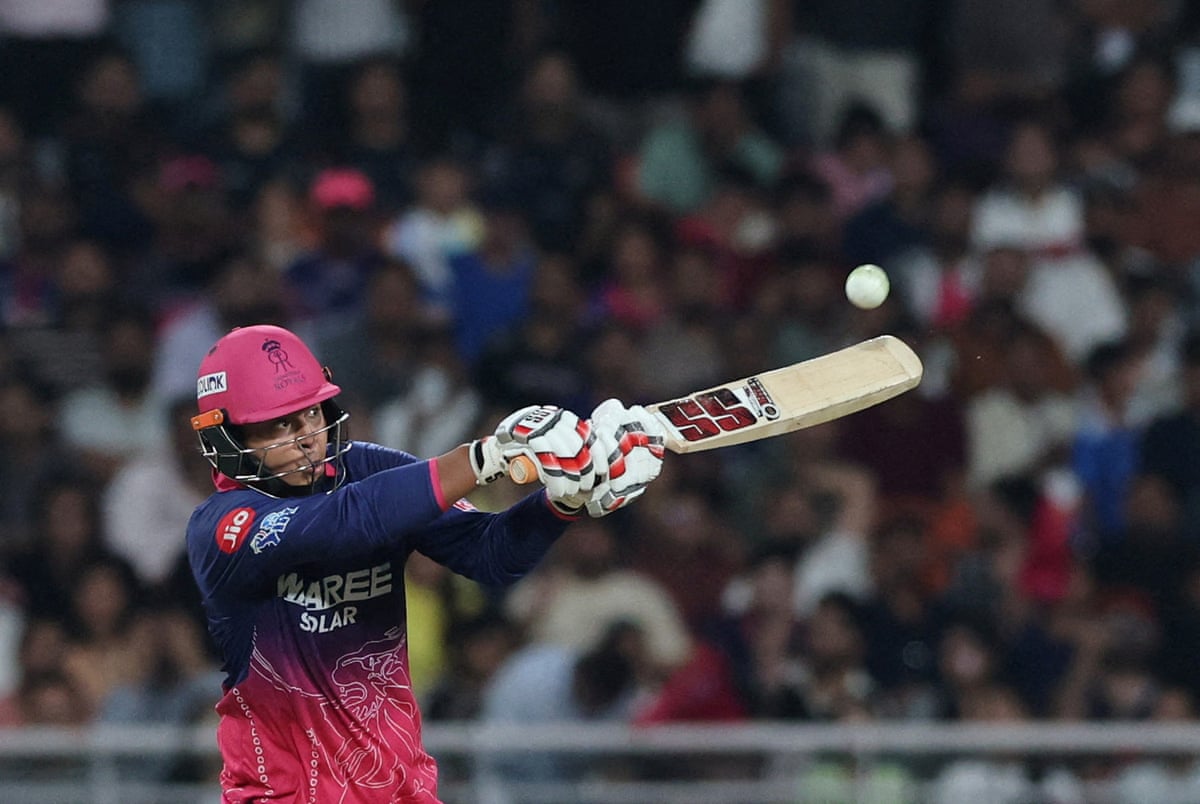
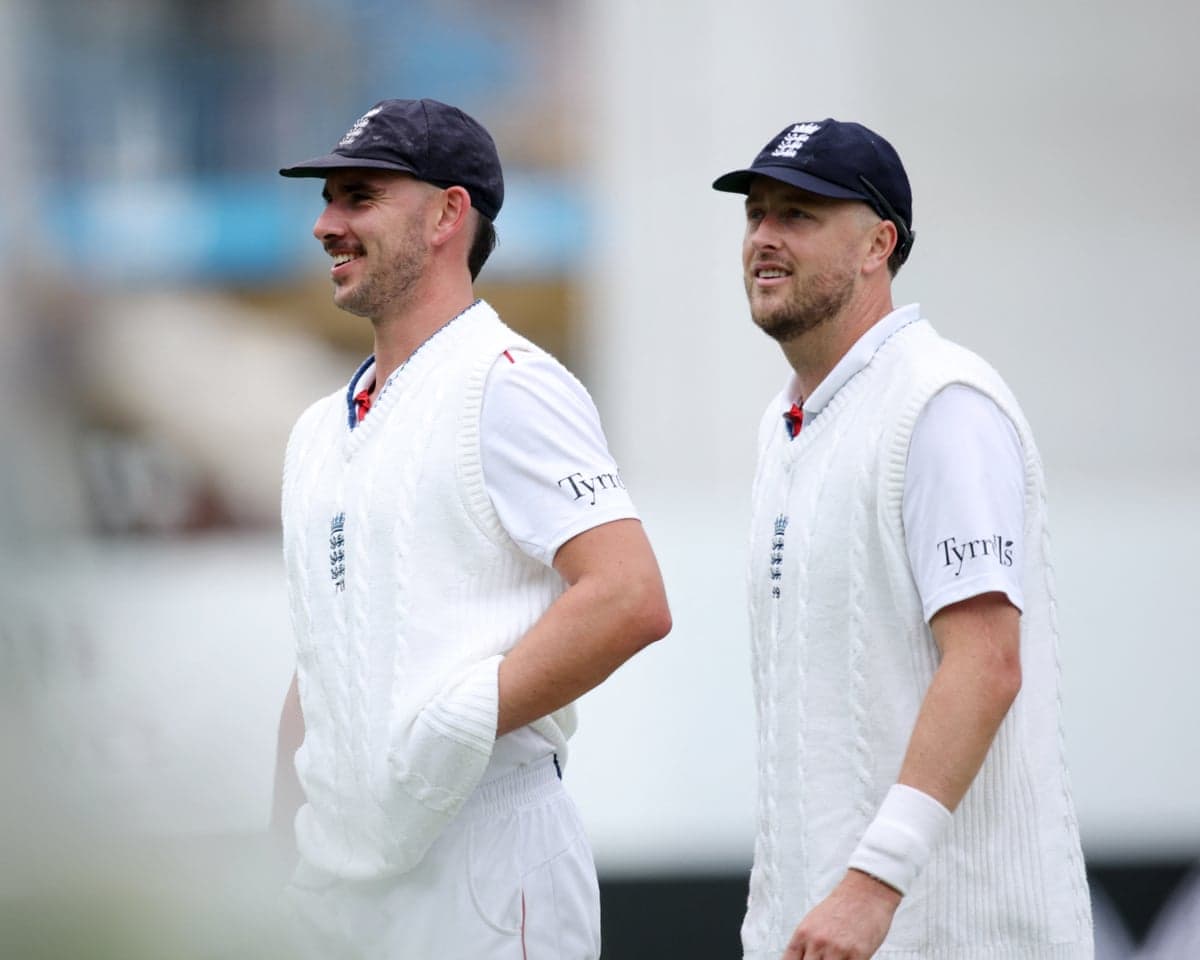
This raises an uncomfortable question: does it truly matter whether he plays a Test match? How significant is it that he masters the "supreme" form of the game, which currently appears to consist of bowlers like Ollie Robinson extracting movement off a fifth-stump line in overcast English conditions? And more pointedly, what should observers want to happen? Should we hope he flourishes or struggles? Is the desire to see Sooryavanshi conquer Test cricket the sporting equivalent of forcing a Kardashian to read Beowulf—superficially satisfying but ultimately hollow, mere pub conversation, a celebrity spectacle?

A technique built for short-form dominance
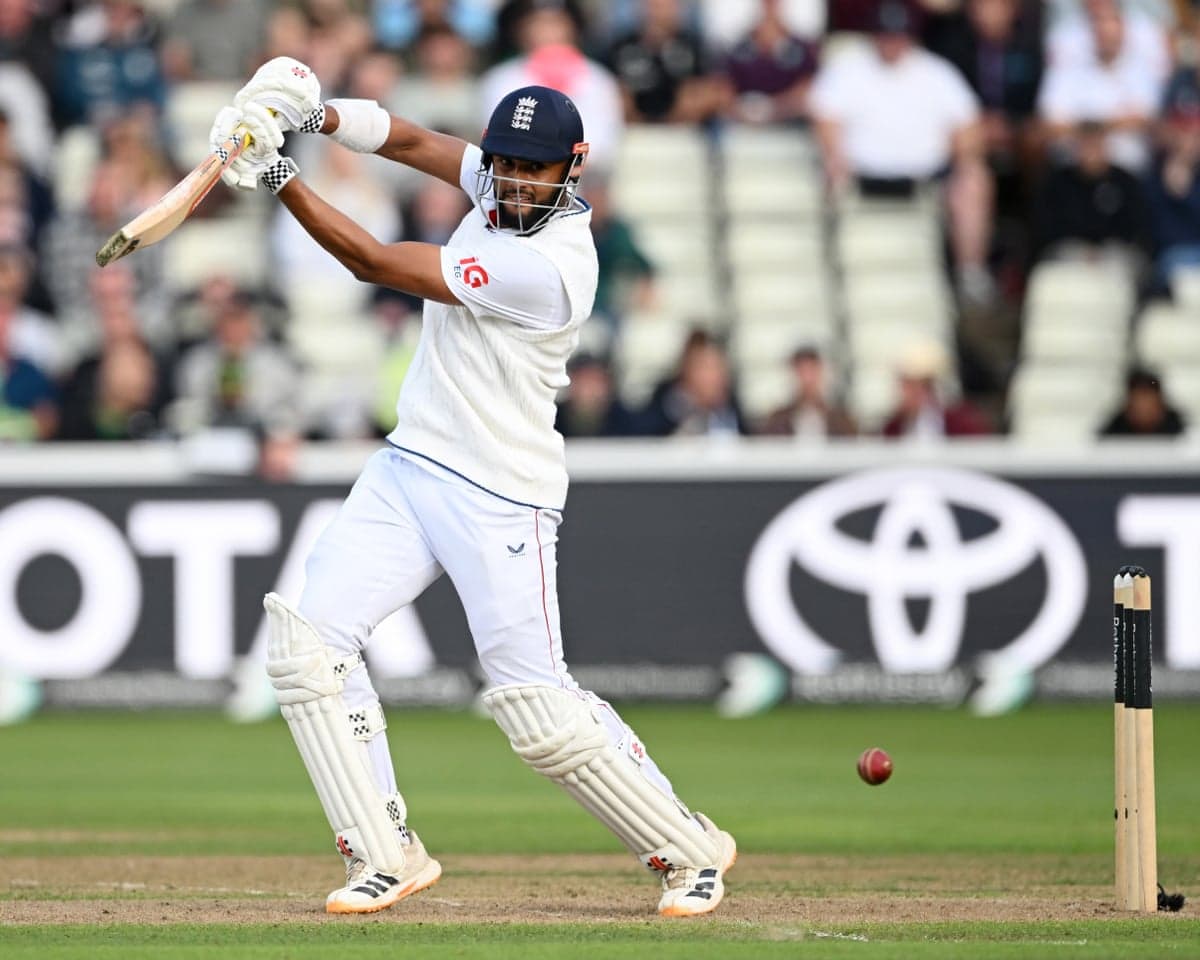
Sooryavanshi represents perhaps the most extreme batting approach Test cricket is likely to encounter. His technique is not simply adapted for Twenty20 but fundamentally rooted in it, constructed entirely around the mechanics of striking the ball hard and high. His trigger movement propels his front foot towards mid-on, opening his leg side for an expansive swipe. His torso tilts towards the off side, his eyes sit at an uneven angle. At the moment of contact, virtually his entire weight transfers to his back leg—the inverse of what classical coaching manuals prescribe. Consequently, he makes almost no effort to keep deliveries down. His hands move with speed, fluidity, and brilliance. His batting idol is Brian Lara.
Beyond technique lie the intangibles of endurance and temperament, game management and condition management. Throughout his professional career, Sooryavanshi has never batted beyond 90 balls, never spent longer than a couple of hours at the crease, never genuinely faced a spell requiring survival or attrition. His former coach Manish Kumar Ojha told Cricinfo:
As long as he trained, I've never seen him train defence.Sooryavanshi possesses every shot in cricket's arsenal and could certainly defend if he chose to. Yet during a match against Lucknow this season, he acknowledged that the wild swipe that ended his innings followed five consecutive dot balls—he simply could not endure playing out a maiden over.
What could Test cricket look like if he succeeded?
Many observers fantasise about placing him against Mitchell Starc at the Gabba, or forcing him to bat an entire day for a draw with the ball turning sharply from the rough and five fielders positioned around the bat. The prospect tantalises. Yet the inverse question deserves equal consideration: what if Sooryavanshi's game—which has already substantially reimagined white-ball batting—manages to reimagine Test batting as well? What if he establishes a new orthodoxy: go aerial, trust your eyes, attack everything, abandon defence entirely? If Test cricket ends up being decoded by a player with a native T20 game, then what purpose does Test cricket ultimately serve?
The path forward remains uncertain
Answering these questions depends partly on economics and partly on politics. To whatever extent a 15-year-old can express autonomous preference, Sooryavanshi has stated a desire to play Test cricket eventually. Yet Nicholas Pooran expressed the same wish before retiring from West Indies cricket at 29 without ever appearing in a Test. Everyone knows this is the expected aspiration. But aspiration and execution represent fundamentally different propositions.
According to mid-day, BCCI secretary Devajit Saikia stated the board was taking Sooryavanshi "in a very serious manner," suggesting institutional commitment to his development across formats. His semifinal performance in the Duleep Trophy provided encouraging signs—he scored 92 off 81 balls against Central Zone, demonstrating he can construct an innings when required.
A tentative forecast: market forces and basic curiosity will ensure Sooryavanshi plays a Test match sooner rather than later. Nearly everyone, with possible exception of some Rajasthan loyalists, wants this to happen. As for what unfolds when it does: this is cricket's essential mystery. Every series, every match, every ball represents a new narrative. From which a second forecast emerges: if Sooryavanshi ever encounters Test cricket, neither the format nor the player will emerge unaltered from the experience.