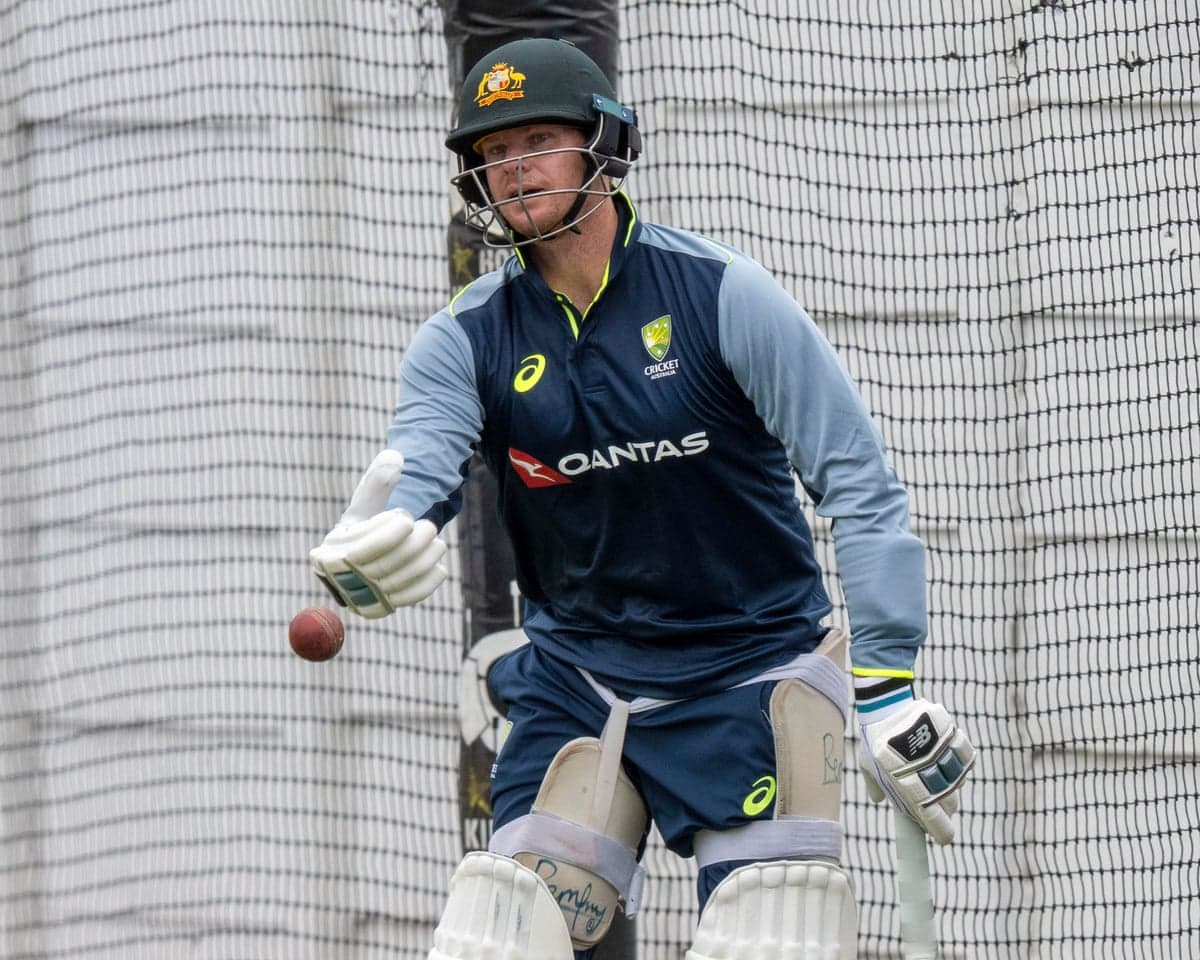
Australia's Test tour of South Africa in 2026 mirrors the structural vulnerabilities that defined their 2018 visit: a formidable bowling unit compensating for inconsistent batting. The series shapes as a contest of unforced errors and modest scores, with both teams unconvincing with the bat and dependent on their pace attacks to determine the outcome.
Eight years separate these two tours, yet the Australian batting order remains fundamentally similar. Nathan Lyon, Josh Hazlewood, Pat Cummins and Mitchell Starc formed the bowling quartet in 2018 and have since accumulated a further 998 Test wickets between them. David Warner's opening aggression and Steve Smith's middle-order solidity anchored that side. Beyond those proven performers, the 2018 batting was makeshift: Cameron Bancroft as the newly promoted opener, Usman Khawaja carrying a poor away-from-home record, and the Marsh brothers untested at positions five and six.
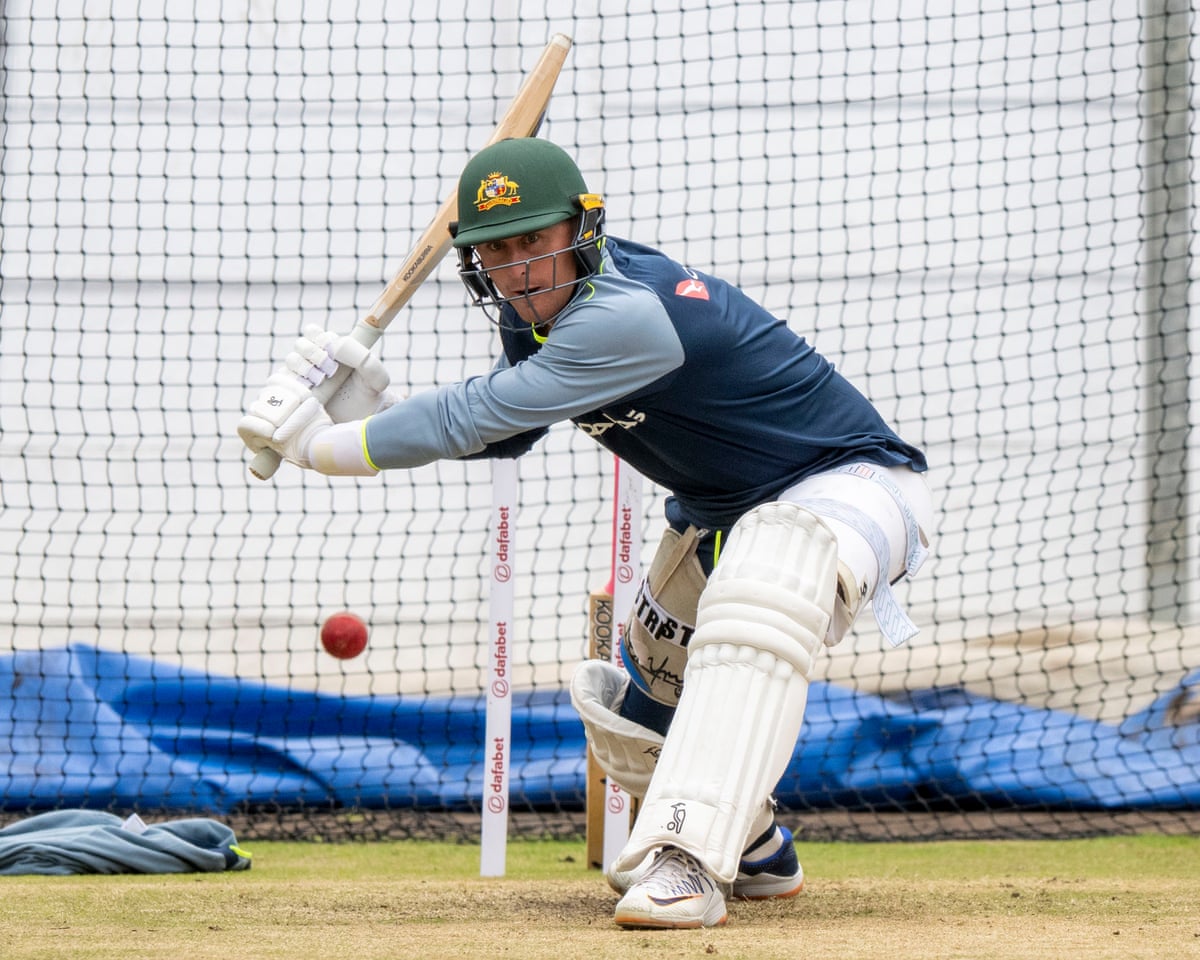
The 2026 squad exhibits the same pattern. Smith remains the cornerstone, but the opening and middle order again lack depth and consistency. Matt Renshaw has earned the opener's role in Durban following modest preparation in Mackay. Marnus Labuschagne provided reassurance with a century in warm-up cricket, though that fixture carried little intensity.
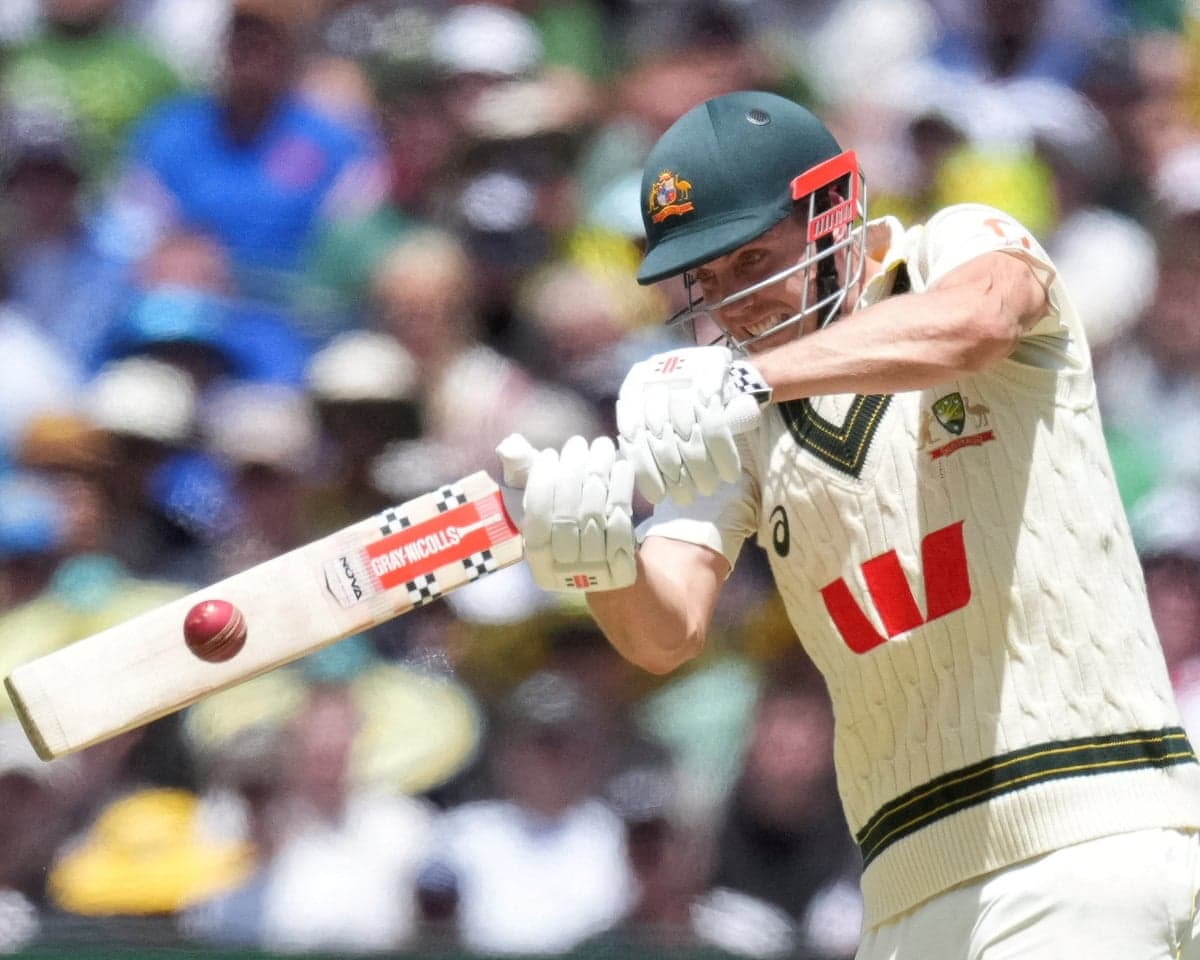
The batting crisis deepened when Cameron Green was ruled out of the first Test with an abdominal strain, an injury sustained while attempting to hook a full toss from Corbin Bosch during the third one-day international. Coach Andrew McDonald indicated Green's availability for later Tests remains uncertain. Additionally, wicketkeeper Josh Inglis is recovering from a broken finger and unavailable for the opening Test.
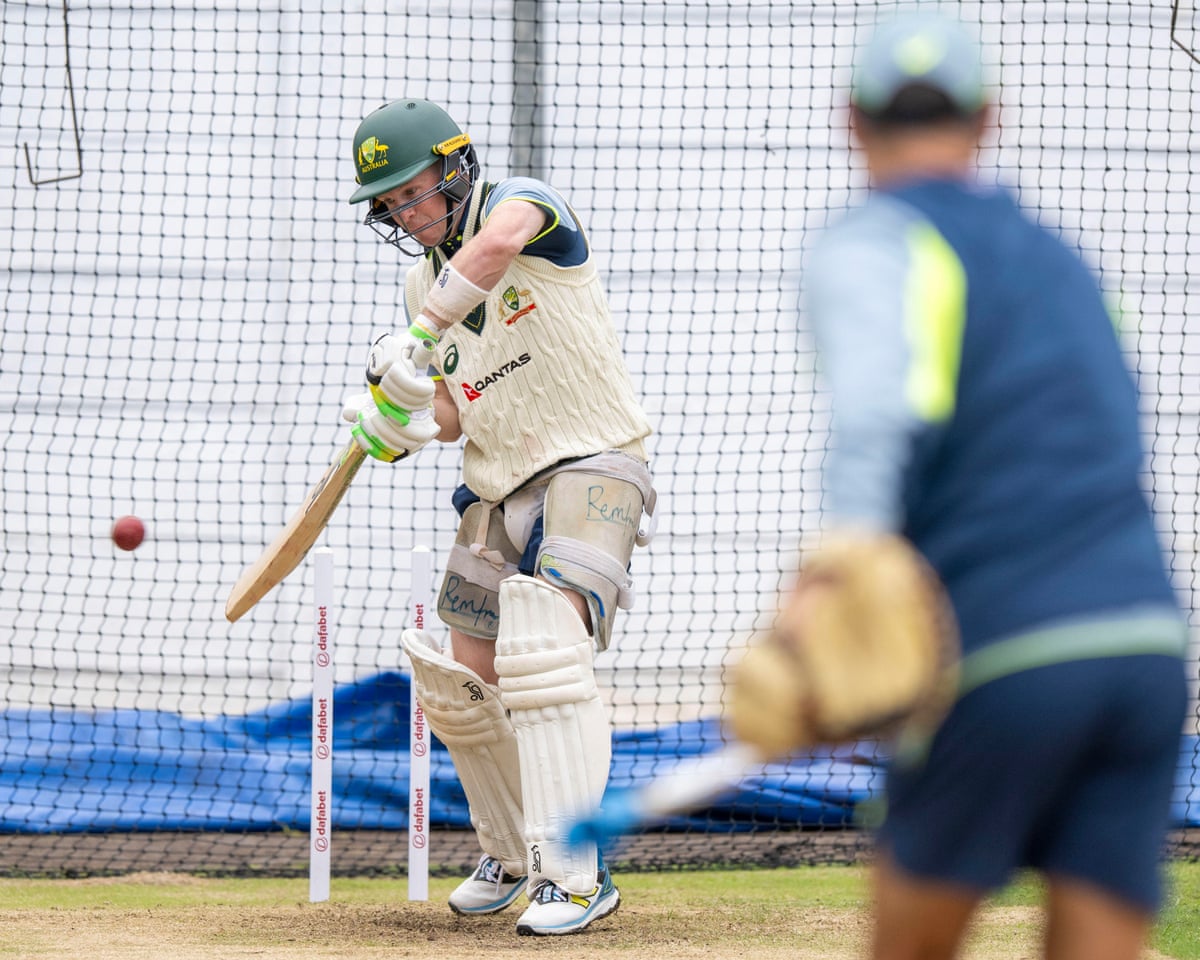
These injuries forced selectors into uncomfortable choices. Australia added Nic Maddinson and wicketkeeper Sam Harper to the squad as cover, creating a selection dilemma between Maddinson and Cooper Connolly for Green's batting position, with Beau Webster available as a bowling option.
Why has Connolly been selected despite limited first-class experience?
Connolly possesses a remarkable record for entering tournaments at decisive moments. His fourth Big Bash game, fourth List A match, and first-class debut all occurred in finals, and each time he contributed to trophy success. Yet since that debut century, he has played sparingly in first-class cricket, never surpassing his initial 90-run score. His long-format bowling has been negligible. He had no legitimate claim to selection for the squad that toured Sri Lanka in 2025, a pick that resulted in one of the cheapest Test caps ever awarded for a match in which he barely participated. In 2026 to date, he has played one first-class match, scoring 10 and 10. Another squad spot granted on potential rather than demonstrated performance has opened a Test opportunity. At 23 years old, Connolly may represent the future, but he has yet to prove he belongs in the present.
What is the case for Maddinson's selection?
Maddinson, by contrast, represents the past. Many cricket observers in recent days have cited his youthful reputation as justification for his inclusion, as though accolades from years earlier should influence a 34-year-old's current selection. He merits genuine respect for overcoming cancer and returning to cricket, but respect alone does not warrant a Test cap. His first-class cricket has been sparse: he has not played since March 2025, when he scored 4 and 0 at the end of a season averaging 17. Selectors pointed to his performance from 2023 onwards, when he was among Shield cricket's leading run-scorers. National coach Andrew McDonald stated:
From 2018 to 2024, he was one of the leading players in Shield cricket.Yet historical dominance in domestic cricket does not guarantee current Test fitness. Bill Ponsford led Sheffield Shield run-scoring from 1924 to 1928, yet he would not receive a centennial recall. Players must demonstrate through recent performance that they can sustain high-level skill across five days. Nobody knows whether Maddinson can field for that duration, let alone perform effectively with the bat.
Smith's return after 16 months following his ban might seem a precedent, but Smith already possessed the record of a batting great. Selecting a player years after his domestic performances were insufficient to earn him a place, then demanding his return as though those runs have accrued interest like financial instruments, represents a different proposition entirely.
What does this selection chaos reveal about Australian cricket?
Neither Maddinson nor Connolly bears responsibility for these selections. Their inclusions reflect a deeper structural problem: Australian state cricket has produced no clear next generation of batsmen demanding selection through undeniable form. When output fails to provide obvious candidates, selectors resort to vibes and reputation. Young talents can be picked based on ratings established years earlier, while older players can be recalled based on performances from seasons past. This inverts the principle that recent, demonstrable form should drive selection.
The encouraging aspect for Australia is that South Africa face an analogous predicament. Their batting has been unconvincing, and they too depend on their bowling attack to compensate. South Africa's 18-man squad was scheduled for trimming, but they are affording pace spearhead Kagiso Rabada every opportunity to recover from a hamstring injury. Should he remain unavailable, alternatives exist: Corbin Bosch could join Marco Jansen and Anrich Nortje in a pace trio; Simon Harmer could replace Bosch in a spin partnership with Keshav Maharaj; or all three could feature if Jansen's batting form prompts South Africa to position him at number seven. Wiaan Mulder offers seam-bowling versatility and might provide a superior batting option compared to the out-of-form Tristan Stubbs.
What will determine the series outcome?
This series will be decided by which team can construct sufficient batting resilience while building on uncertain foundations. It will demand nerve and mutual support. The stakes extend beyond pride: Australia's first Test is also the opening match of its 2025–27 World Test Championship campaign, making these results consequential for both teams' paths toward another World Test Championship final. South Africa perpetually feel compelled to prove themselves on the global stage, while Australia wish to distance themselves from the disappointments of 2018.
When do the Tests take place?
The first Test is scheduled for 9–13 October at Kingsmead in Durban; the second runs 18–22 October in Gqeberha, and the third 27–31 October in Cape Town. Regardless of the outcome, this series will provide both teams with a narrative more recent than the eight years that have elapsed since their last encounter.