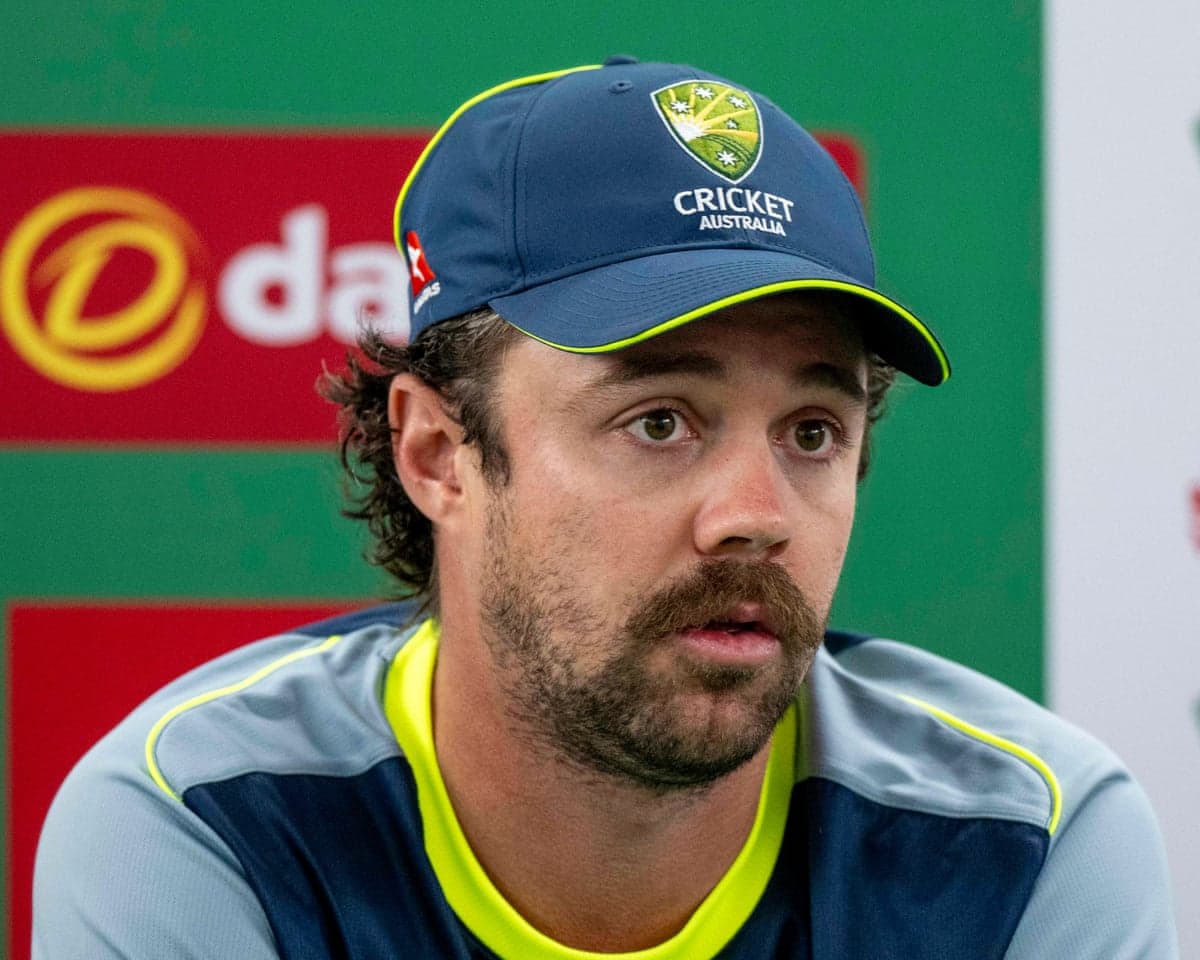
Australia's vice-captain Travis Head has pushed back against former players who have publicly criticised the current Test batting lineup, arguing that the sport has fundamentally transformed since the previous generation played at the highest level.
Head's remarks came just one day after Matthew Hayden, a former opening batsman, condemned the selection panel and described the squad as representing "the greatest pile of mediocrity." Hayden's criticism focused on the recall of Nic Maddinson and the inclusion of Sam Harper, with the former Test opener contending that candidates should maintain a first-class average of at least 45.
Speaking ahead of the first Test in Durban scheduled for October 9, 2026, Head declined to name specific critics but expressed frustration with the pattern of commentary directed at the team's batting performance during a period when averages have declined globally.
Why do past players criticise the current team?
Head acknowledged that former players are entitled to voice their opinions as part of their professional roles, but suggested the criticism lacks fairness given how substantially the game has evolved. He also referenced the contentious departure of Justin Langer as head coach in 2022, which created lasting tension between the current squad and the previous generation of Australian cricket.
"I think it's unfairly judged a fair bit from a group of past players, pretty much, that put the bullet through a lot of players," Head said. "But that's what they're paid to do. Some of them need a job, so they go after us and that's totally fine. This group is strong enough to deal with those sort of things."
Head expressed respect for the achievements of Australia's earlier era while maintaining that the current side operates under entirely different circumstances. He noted that the squad had endured a difficult period following Langer's exit, when the former coach rejected a contract extension of only six months after guiding Australia to victory in the 2021-22 Ashes series.
"They're a very proud bunch of guys. We went through a bit of a sticky situation a few years ago where they stood up and were pretty proud about one of their own. But in saying that, we're all one of each. We're all each other. We play for the same cause. We have huge respect for it."
Despite the friction, Australia has maintained its position as the world's top-ranked Test nation for most of the period since Langer's departure, securing a World Test Championship title and retaining the Ashes.
How have playing conditions changed?
Head attributed much of the decline in batting averages to alterations in pitch preparation and match conditions rather than a decline in player quality. Test batting averages have fallen by approximately 20 per cent since the end of the 2010s, while the Sheffield Shield domestic competition has experienced a comparable downturn since the mid-2000s.
While some observers have linked the drop in averages to the expansion of Twenty20 cricket, Head pointed to the physical characteristics of modern pitches as the primary factor. He referenced the Sheffield Shield run-scoring record held by Darren Lehmann, noting that all ten highest run-scorers in the competition's history played during or around the turn of the century, when batting conditions were considerably more favourable.
"It's pretty obvious to see what the wickets were like back then to now. We have huge respect for what's come before us, but it's a completely different game."
Modern pitches have become progressively more challenging for batters, with an increased reliance on drop-in surfaces. Australia's cricket authorities have recently requested that pitch curators shift their approach to provide more balanced conditions that favour batting. Head also highlighted statistical evidence suggesting that the ball is behaving more dramatically in contemporary cricket.
"Sometimes it's commented around unfairly on some of the wickets that teams have played on, whether that be Sheffield Shield, Test cricket. We've seen games go quicker than ever. We've got a lot of stats that suggest that the ball's doing a lot more."
How does the squad composition address recent injuries?
Nic Maddinson was added to the squad after Josh Inglis fractured a finger and Cameron Green suffered a stomach injury, creating the selection decision that prompted Hayden's public rebuke. Head defended the inclusion by emphasising the importance of experience and role clarity within the squad structure.
Head noted that Maddinson's first-class batting average stood at 37.11 and argued that Australia required mature players who understood their specific functions within the team. This perspective directly contradicted Hayden's assertion that Test candidates should maintain significantly higher domestic averages.
Will Head continue opening the batting?
Head confirmed that he would persist in opening the batting during the South African tour and expressed irritation at commentary questioning whether he should retain that position. His commitment to the opening role underscores his confidence in his ability to perform at the top of the order despite the challenging conditions facing modern batters.
What happens next?
Australia were scheduled to play a three-Test series in South Africa, beginning with the Durban Test on October 9, 2026. The tour represents a significant opportunity for the squad to respond to the criticism from former players through on-field performance, with Head and his teammates aiming to demonstrate that the current generation can compete at the highest level despite the changed circumstances of modern cricket.