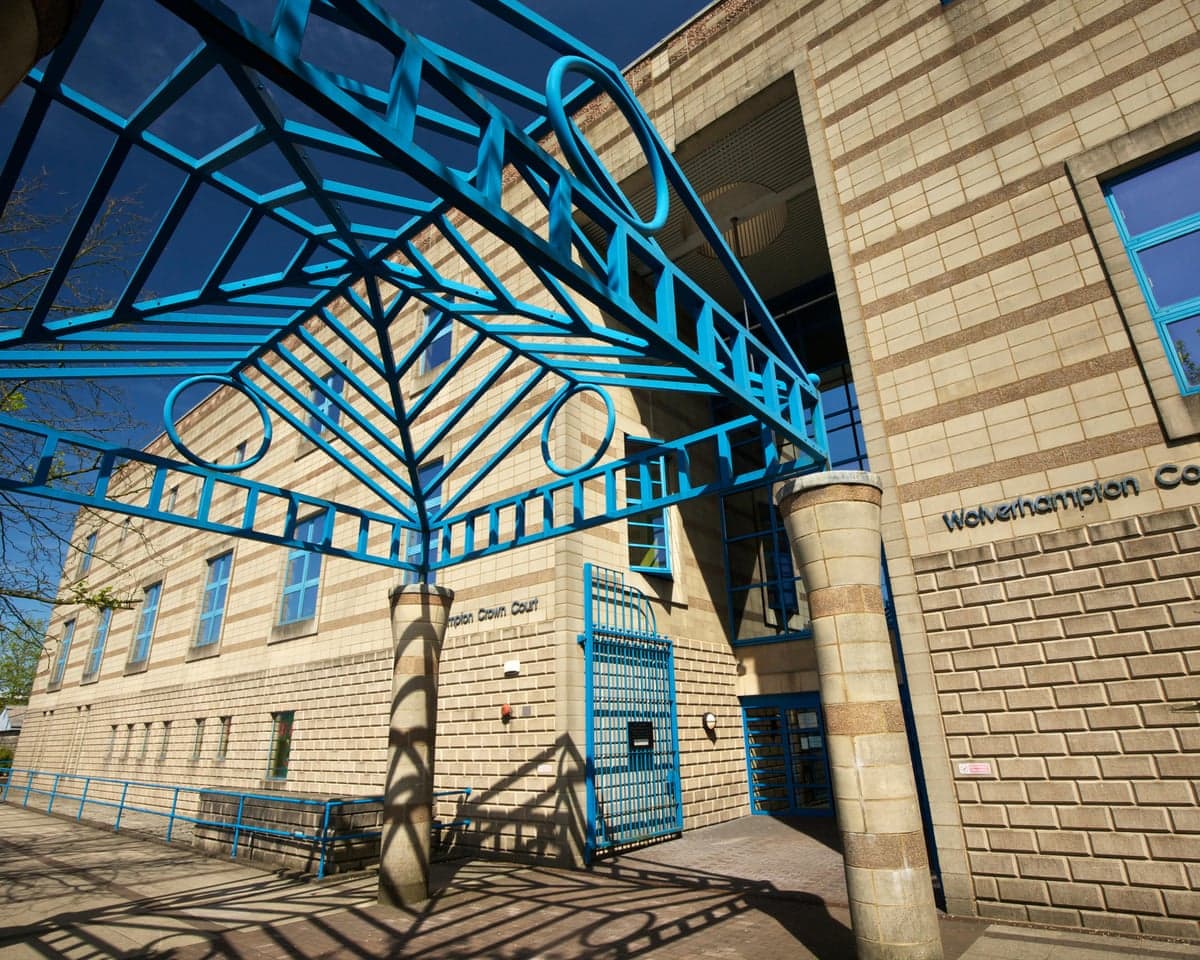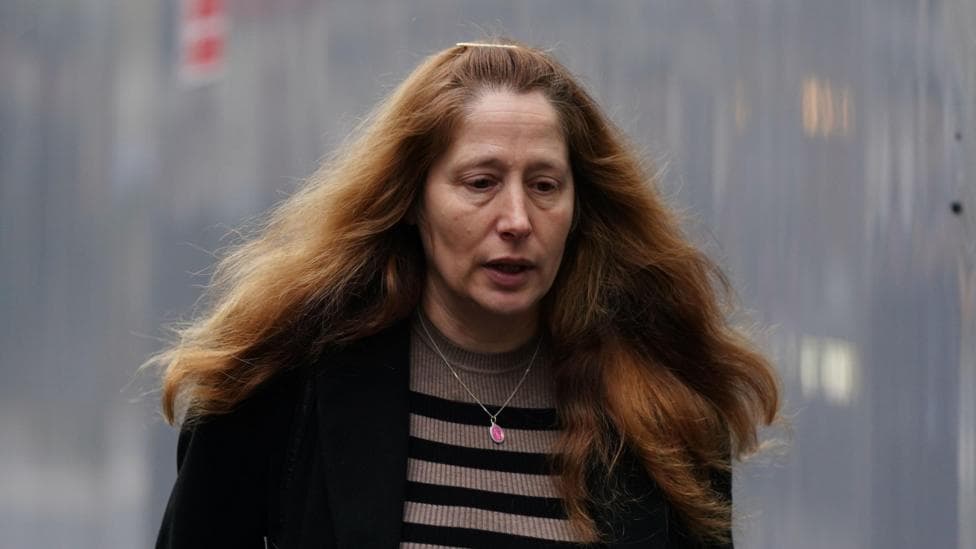
Isabel Vaughan-Spruce, a 49-year-old from Malvern in Worcestershire, has denied five separate charges related to alleged breaches of buffer zone legislation at an abortion clinic in Birmingham. She appeared at Birmingham Magistrates' Court on Wednesday and entered not guilty pleas to all counts. Prosecutors have successfully argued that each of the five alleged incidents should be treated as individual offences under the Public Order Act.
Vaughan-Spruce is the first person in England and Wales to face charges under the new "buffer zone" law, which took effect in October 2024. The legislation restricts certain activities within 150 metres (492 feet) of abortion facilities. She is accused of intending to or being reckless in interfering with any person's decision to access, provide or facilitate abortion services at the clinic in the Kings Norton area of Birmingham.
According to legal records, the clinic in question is the BPAS Robert Clinic in Kings Norton. The area has been subject to a local Public Spaces Protection Order since November 2022, which predates the national buffer zone legislation.
The alleged offences are said to have occurred on five separate occasions between 13 June 2025 and November 2025. Prosecutors indicated that a trial was unlikely to proceed before January, with no specific new trial date confirmed at the hearing.
What is the buffer zone law?
The buffer zone legislation was introduced to prevent anyone from influencing a person's decision to access, provide or facilitate abortion services. It also prohibits conduct that causes distress or alarm within the designated 150-metre zone around abortion facilities. The law applies across England and Wales and represents a significant change in how activities near clinics are regulated.
Background to the case
Vaughan-Spruce was previously arrested under the local Public Spaces Protection Order in 2023 but was acquitted of those charges. Following those arrests, West Midlands Police agreed to pay her £13,000 in a settlement in 2024. The current charges under the national buffer zone legislation represent a fresh legal action against her.
The Crown Prosecution Service has issued guidance stating that silent prayer alone would not generally meet the threshold for prosecution unless accompanied by overt behaviour. This guidance is relevant to the case, as Vaughan-Spruce's alleged conduct has been described as silent prayer.
Significance of the prosecution
The case marks the first prosecution under the buffer zone legislation since it came into force. The successful argument by prosecutors that five separate incidents constitute five individual offences rather than a single charge establishes how the legislation will be applied in practice. This approach means each alleged breach is treated independently, which could have implications for sentencing and future cases.
What happens next
The case will proceed to trial, though prosecutors indicated at Wednesday's hearing that it is unlikely to take place before January. A trial had previously been scheduled for 6–9 October 2026, but that date has been abandoned. The court will need to set a new trial date at a future hearing.