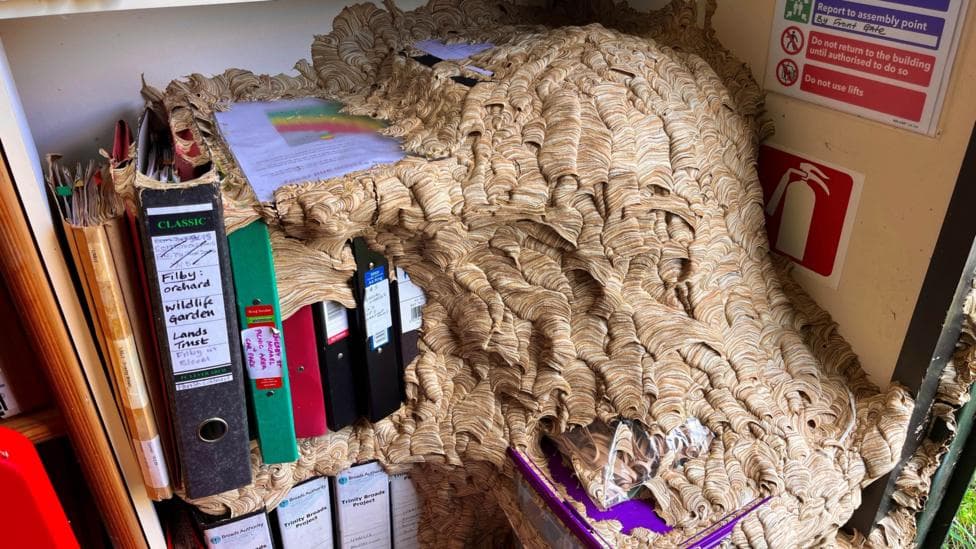
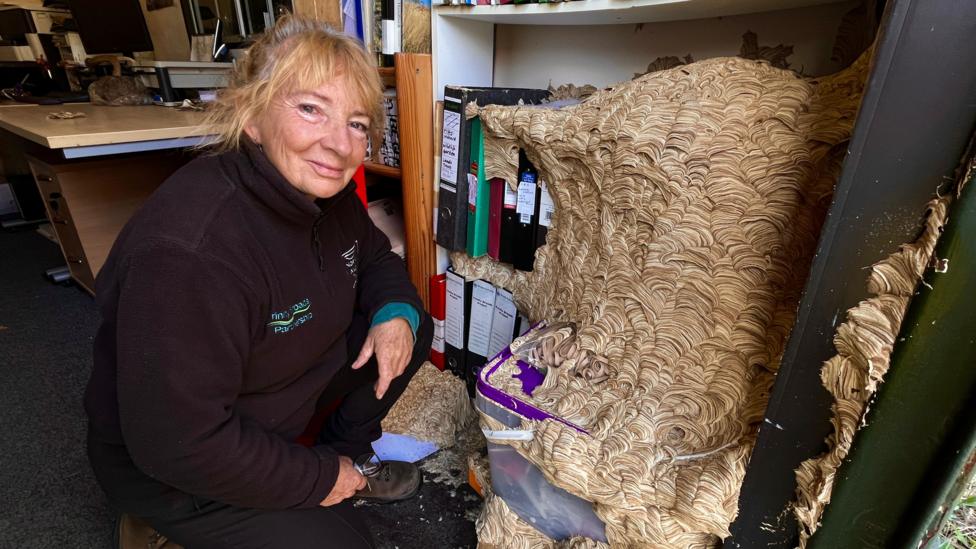
A nature reserve manager at Norfolk Wildlife Trust has dismantled a substantial wasps' nest that occupied her office shelves for four months, after the colony vacated the space naturally. According to BBC News, Eilish Rothney, who manages the Trinity Broads reserve, discovered the insects had established their home in her Ormesby St Michael office when she returned from conducting field surveys in June.
Rather than immediately removing the nest, Rothney chose to coexist with the colony, allowing it to develop undisturbed on her office shelves where it wrapped around binders and other items. The wasps remained active throughout the summer months before departing naturally several weeks before Rothney began dismantling the structure on a Tuesday in autumn.
How did the nest grow so large?
When Rothney first encountered the colony in June, the nest was approximately the size of a paperback book. Over the following months, it expanded significantly; earlier coverage reported that the nest eventually grew to about 1 metre (3.2 feet) tall. The constant activity was remarkable, with Rothney observing tens to twenties of wasps moving in and out continuously throughout each day.
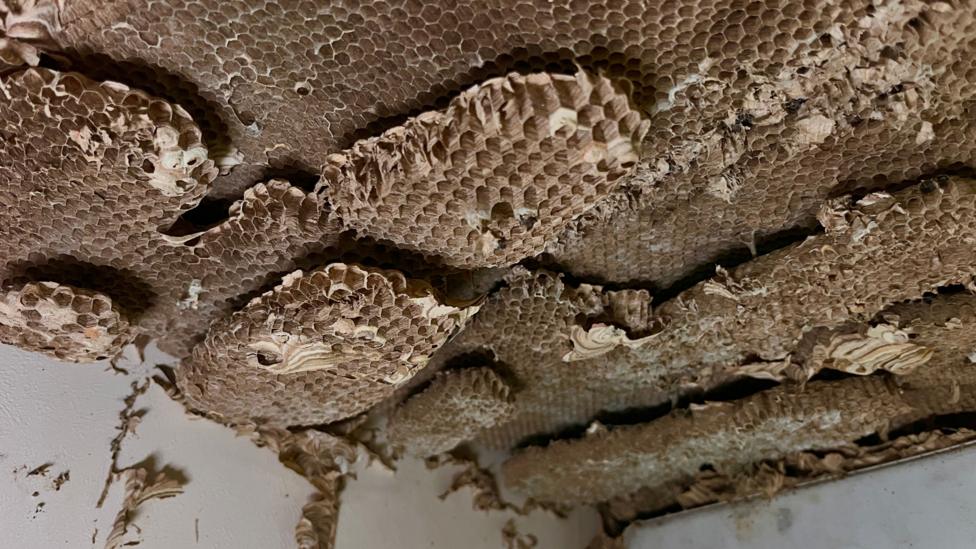
The wasps had gained entry through a hole in the door frame, and Rothney described their nest material as looking like "exotic paper". The office's proximity to a pond and meadow provided the colony with ready access to food and water sources, which likely contributed to their successful establishment and growth during the warm summer months.
What did Rothney discover when dismantling the nest?
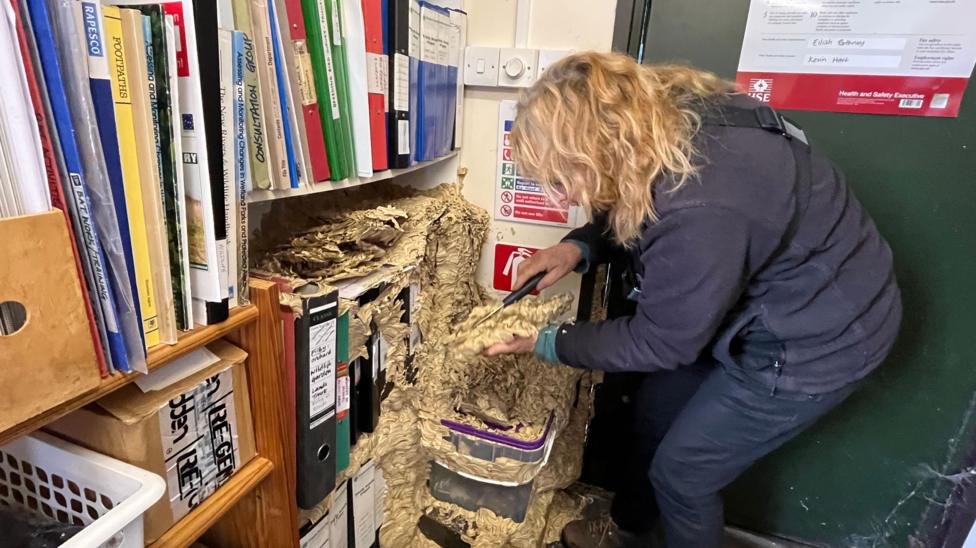
When Rothney began carefully dismantling the structure, she was struck by its complexity and engineering. She peeled back multiple layers of the papery material before reaching the shelves beneath, gradually uncovering the intricate architecture the wasps had constructed. As she worked closer to the ring binders, she could see the distinctive hexagonal cells where larvae had developed, revealing the sophisticated internal organisation of the colony.
Why did Rothney allow the nest to remain?
Rothney's decision to tolerate the wasps reflected her professional commitment to wildlife conservation.
"It's kind of a fitting tribute that we've welcomed what many, many people see as a pest...and we've helped them survive, which will help this whole ecosystem that we rely on,"she explained. This philosophy extends beyond wasps; she emphasised the importance of making space for all species, even those widely disliked.
Wasps play critical ecological roles that many people overlook. Rothney noted that wasps help control leaf-eating insects, pollinate plants, and provide food for other wildlife.
"Although people don't like them [wasps] are part of nature. They have a really, really important role to play, as do all the insects, even mosquitoes, which are not my favourite,"she said, acknowledging that even species commonly regarded as pests contribute essential functions to natural systems.
What happens if the wasps return?
Rothney expressed confidence that the colony would not return to her office, knowing that autumn marked the natural end of the wasp season. However, she made clear her willingness to welcome them again if they chose to establish a nest in the same location during the following summer.
"I think if they do come back in here next summer they will be welcome,"she said, demonstrating a philosophy of coexistence that aligns with her role as a conservation professional.
Her approach reflects broader conservation principles about the value of all species in maintaining healthy ecosystems. Rather than viewing wildlife management as the removal of unwanted animals, Rothney's experience illustrates how protected spaces and reserves can accommodate diverse species, even those that make many people uncomfortable, in service of ecological balance.
Key Facts
- The wasp nest occupied Eilish Rothney's office shelves for four months, from June through autumn
- The colony grew from the size of a paperback book to approximately 1 metre tall
- Wasps entered through a hole in the door frame and constructed their nest from paper-like material
- Rothney allowed the nest to remain undisturbed, reflecting her commitment to wildlife conservation and ecosystem health
- Wasps provide essential ecological services including pest control, pollination, and food for other wildlife