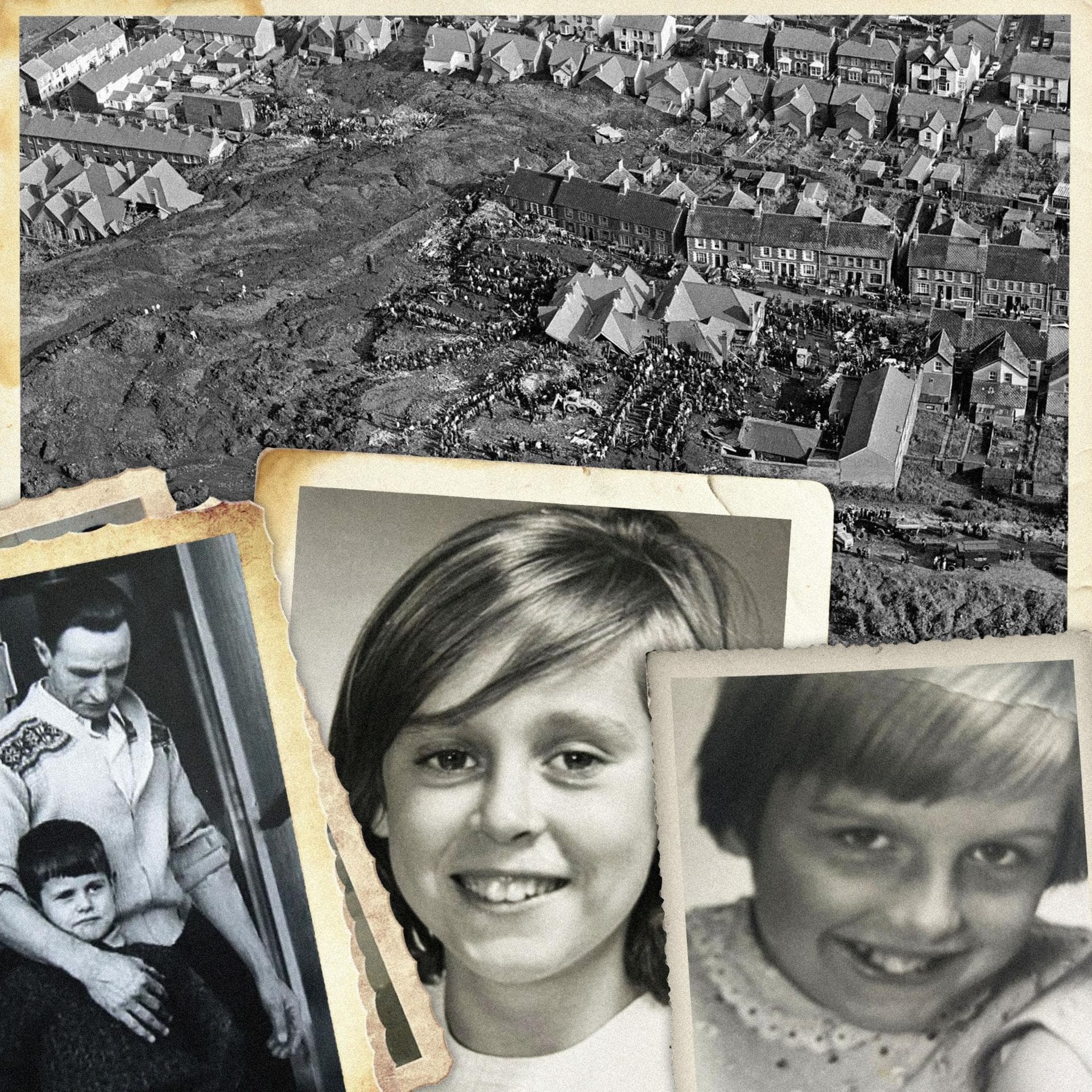
Few catastrophes have left a more enduring mark on Wales than the Aberfan disaster. Sixty years on, the tragedy remains embedded in the nation's collective consciousness—a day of devastating loss that fundamentally altered a community and transformed attitudes toward industrial safety across Britain. According to BBC News, those who lived through the tragedy continue to carry vivid memories of the event.
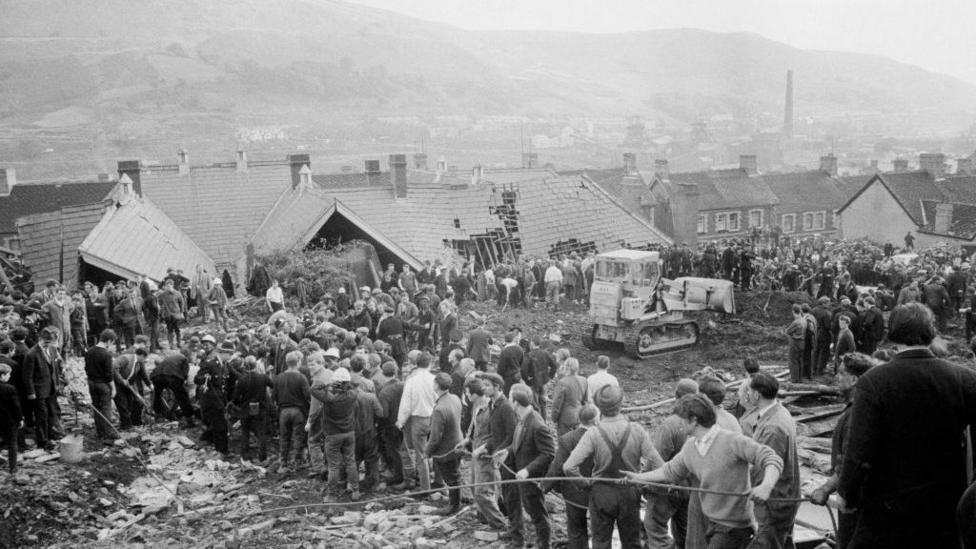
At 09:15 on 21 October 1966, an ordinary school morning turned catastrophic when a coal tip perched above Aberfan collapsed. Black slurry surged down the mountainside, engulfing Pantglas Junior School and nearby homes. The disaster claimed 144 lives, among them 116 children, on what was meant to be the final school day before the half-term break. The survivors and witnesses whose accounts follow offer a window into the human cost of that terrible morning.
What was the immediate impact on those inside the school?
Mair Morgan, a 25-year-old teacher who had worked at Pantglas School for just one year, was ringing the bell to begin the school day when disaster struck.
"What I remember was the drizzly rain, it was misty. I rang the bell to start school at about ten to nine, before the children went in. There was this terrible noise, and I looked out of the window. I could see a wall had collapsed and realised I had to get my pupils outside."As she and her students escaped, she witnessed the caretaker rushing to evacuate other children.
"They opened Bethania Chapel to take children who had died, but the first bodies were placed in a shelter in the playground. We identified them before they were cleaned up, and before their parents were told. I found that very hard. I remember one little girl, I can see her face now. She had beautiful black curly hair."
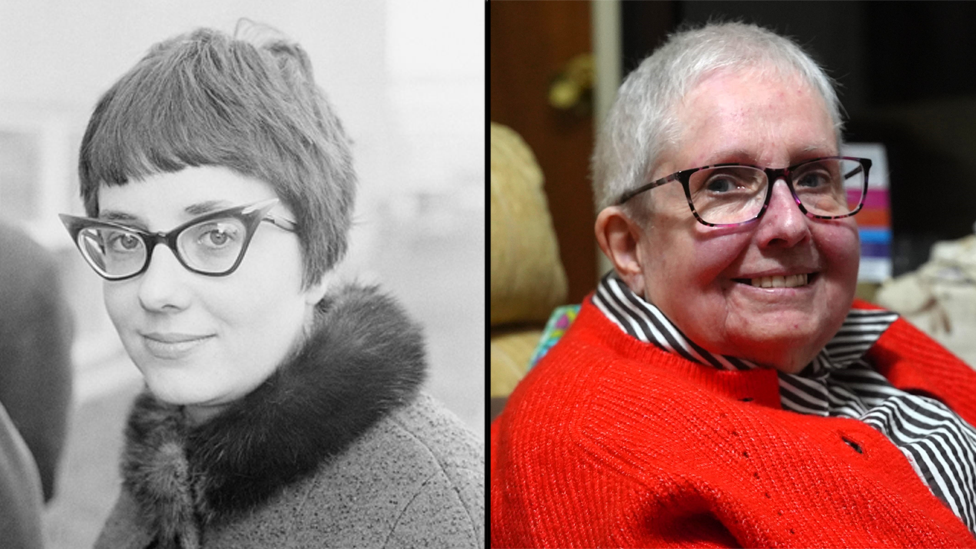
Gareth Jones, six years old at the time, was among the first children rescued.
"There was this really unusual sound, like a rumble. Like if you chuck stones across the floor, but it was getting louder and louder. Next thing, water was seeping through the floor, the walls were cracking and timbers were breaking."His teacher demonstrated extraordinary presence of mind.
"The teacher put a desk on a table, and a small chair on top of that. She climbed on top and smashed the window. And then she held us up, probably by the scruffs of our necks, to get us out through it. I am so grateful for her quick thinking, she saved our lives."
"When I got outside, I could see a mountain of coal and slurry, with dust and water everywhere. I ran home, and remember saying: 'Mam, mam, the mountain came down to the school'."
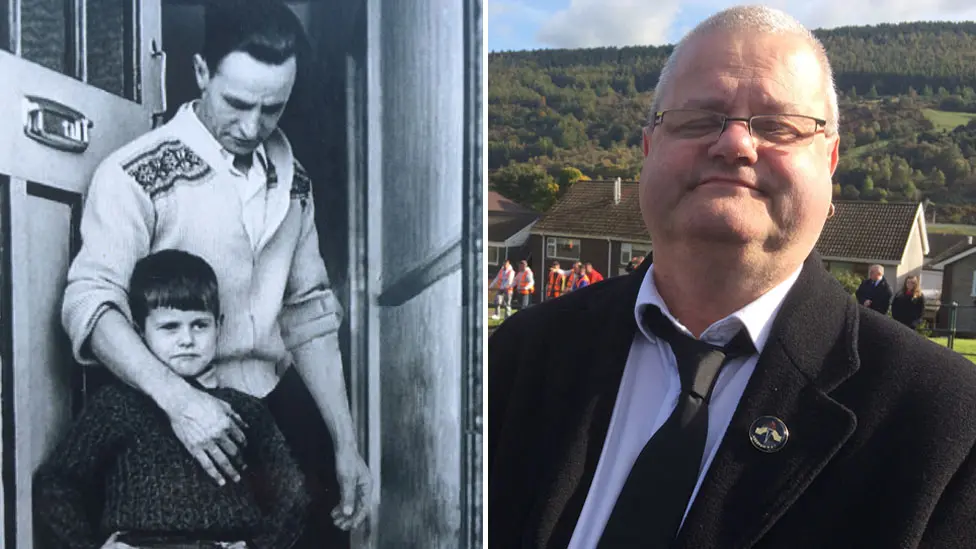
Gaynor Madgwick, eight years old, attended school that morning with her brother Carl, aged seven, and her sister Marylyn, aged ten. The force of the impact was overwhelming.
"I heard this tremendous sound, like a hurricane. It was so overwhelming, I knew something was coming, but didn't know what. Then this mass of black came crashing through the window, hurling me from the front of the classroom to the back."She regained consciousness to find herself buried.
"I woke up to find the classroom was no longer the classroom. The roof had caved in on us, and we were completely buried. I couldn't see my legs, I thought they had gone."The scene around her was horrifying.
"A pupil in front of me was trapped, and he had blood trickling down his head. Another one was trying to get through the roof to get help. My head was cut open, and I couldn't move my hand as it was stuck in the cracked wall."Rescue came through an unexpected source.
"Then I heard someone shout 'I'm going to smash the window' and saw my grandfather. I started to cry and will never forget the look in his eyes knowing I was alive."Her injuries were severe.
"I'd broken my femur, my leg was just swinging and my shoes had gone. 'I'll buy you all the shoes you need,' my mum said as she greeted me outside."But the joy of her own survival was tempered by devastating news.
"My parents then ran off to find my siblings. I was later told Carl and Marylyn had died, and all my friends had gone as well."
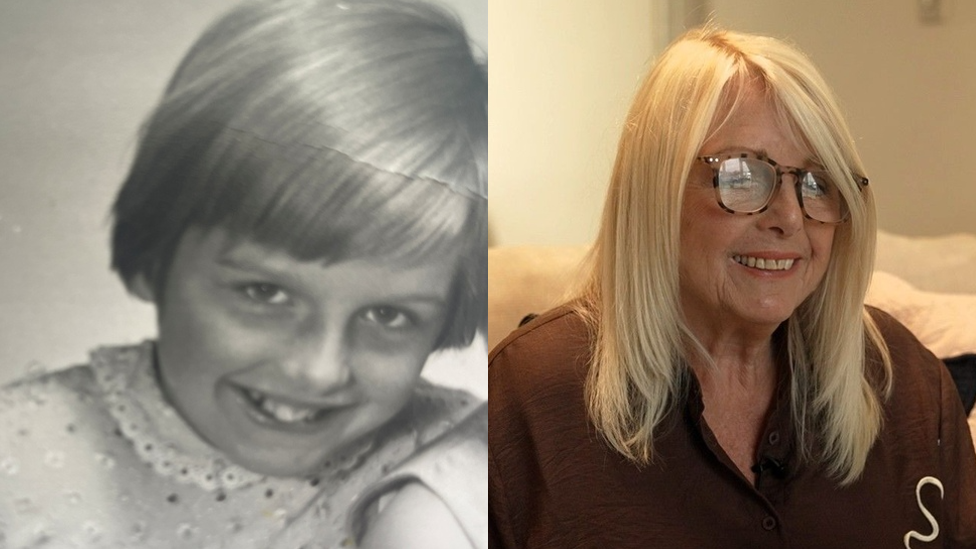
Jeff Edwards, also eight, became the last child pulled from the rubble alive.
"As the teacher spoke by the blackboard, there was a rumbling sound that got louder and louder. The lights started to sway back and fore, but the teacher reassured us there was nothing to worry about. It was only thunder."When he regained consciousness, the full horror became apparent.
"The next thing I remember was waking up and seeing light from the sky because the roof had come in. I was stuck but awake and could see a dead girl on my shoulder."The silence that followed was as chilling as the initial chaos.
"There was screaming, shouting and crying, but this got less and less. This was because the children were dying of physical trauma, the roof and slurry coming in, or they couldn't breathe, they had no air."Edwards survived through a combination of luck and the dedication of emergency workers.
"I was lucky because I had this balloon of air around me. The fire service broke through the window from the hall, and somebody saw my white hair. They started digging and eventually they got me out, passing me in a chain from one fireman to another. I got out just after 11, and was the last child to come out alive."
"Tom Harding, the local grocer, threw me in his van with the cabbages and the carrots, and took me to St Tydfil's Hospital."
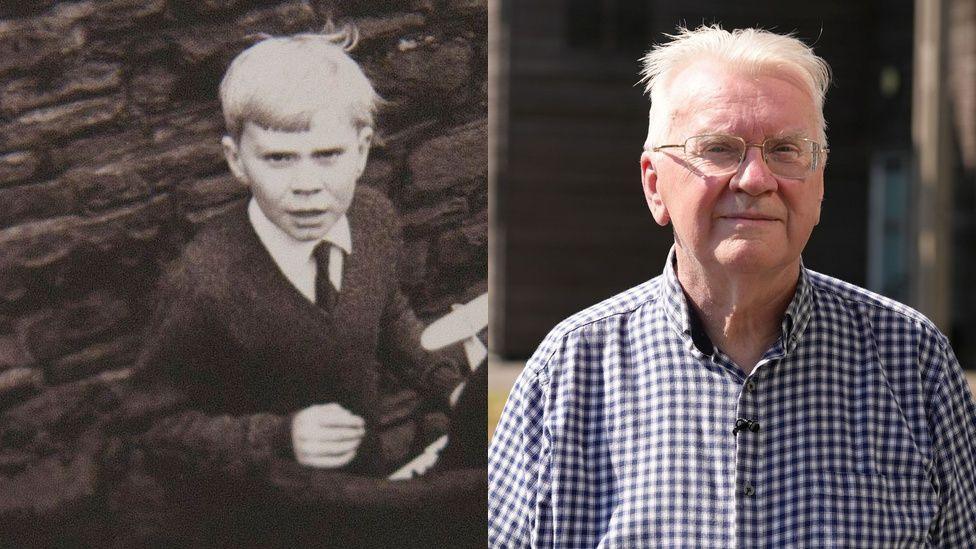
David Davies was initially counted among the dead.
"I was at my desk, quite close to the western side of the school that took the fullest impact. Almost immediately I was engulfed with debris and falling masonry, which knocked me unconscious."His survival was discovered almost by chance.
"I'm told I was brought out and placed with the deceased bodies and covered with a blanket. Then someone thought they saw my foot move. I was evidently still alive and taken to hospital."
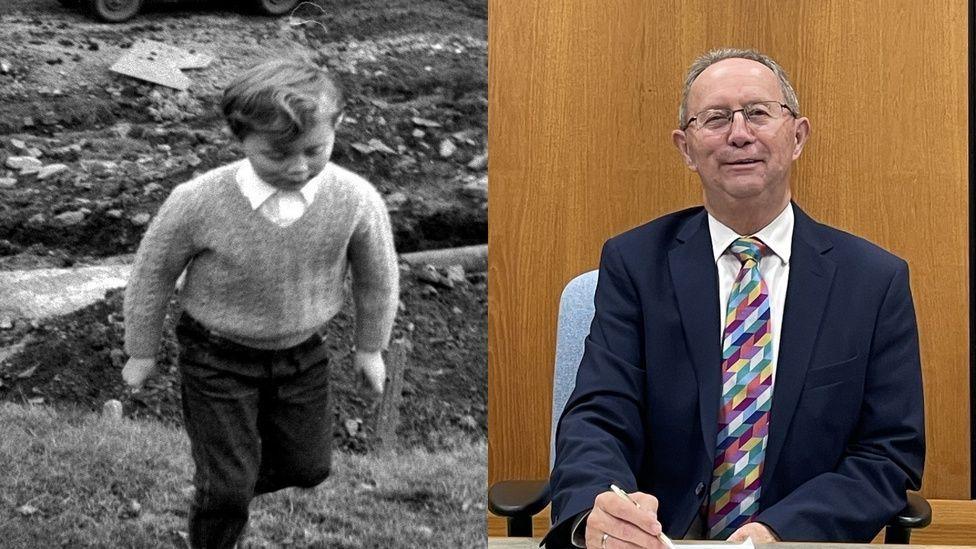
Janett Bickley had nearly stayed home that day.
"After having pneumonia, I almost stayed at home - but was determined to go in for the last day."Her decision to attend proved nearly fatal.
"I looked out of the window towards the tip and told my teacher I could see smoke. He said it was just steam from the canteen, which I thought was odd, because there was no canteen in the infants' school - that was in the senior school. But it was coming closer and closer."When the disaster struck, she acted on instinct.
"I put my head on the desk with my book over it - I don't know why, it was just instinct. The next thing I knew, I woke up and I was under coal, soil and muck."The suffocation was immediate and terrifying.
"When I tried to breathe, I just sucked water in, and I had coal waste over my face. There was lots of crying and screaming, then it went black again."When she regained consciousness, the horror had deepened.
"When I woke up, there was silence, nobody crying, and the little boy next to me was dead."Escape came through the help of a classmate.
"One of my classmates was walking around and he helped dig me out. In the hallway, there was a queue of children waiting to be pulled out of the window by a teacher. There was one boy stood there and he just wouldn't move, he was stunned. I was pulled out and never knew what happened to him. Then I found out years later he'd died of a heart attack before being rescued."
How did families cope with the loss?
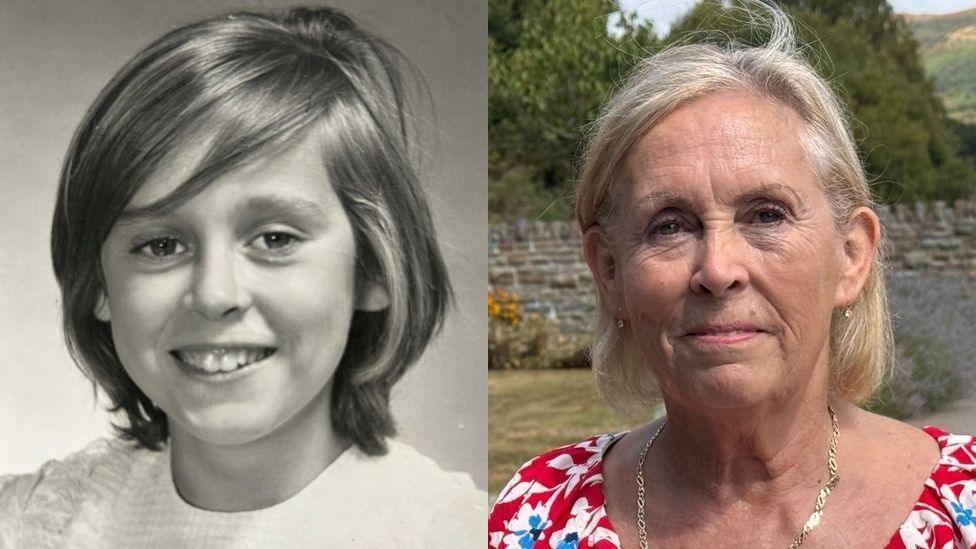
Ray Lee had only one child, his eight-year-old daughter Anne.
"I can remember being very, very close to her. She used to do things like comb my hair. I had great hopes for her. We had breakfast, I went to work, and Anne went to school."The search for her was agonizing.
"It was absolute chaos there - people trying to get into the school. There was hope in my mind they may find her. I was walking the roads until 10 at night, just living in hope."The confirmation of her death was devastating.
"I didn't know for certain she'd died until I saw her in the mortuary in Bethania chapel. It's hard to think about it now. I'd like to have known her for that bit longer, because the eight years went very quickly."
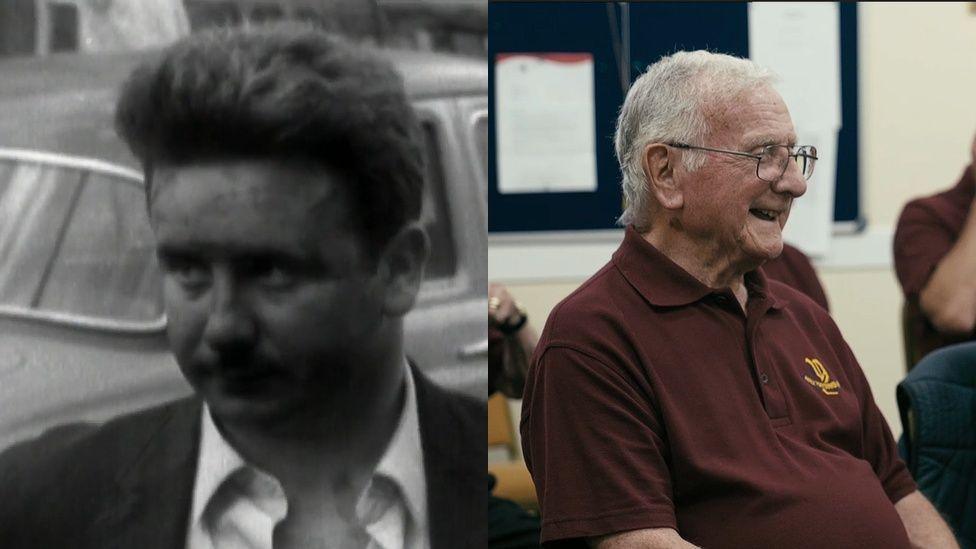
Denise Morgan was eleven when her sister Annette, just eighteen months younger, was killed.
"I was 11 and remember my dad coming home with my sister Annette's purse and a piece of her dress. He had identified her in the makeshift morgue in the chapel."The loss of her closest companion was profound.
"When I asked what she looked like, he said 'as if she was sleeping'. Those were his words. She was peaceful. There was only 18 months between us, we were very close as sisters. We slept together, the same bed. From then on, not having her by the side of me was just an enormous loss. You're only 11 and trying to understand what has happened."
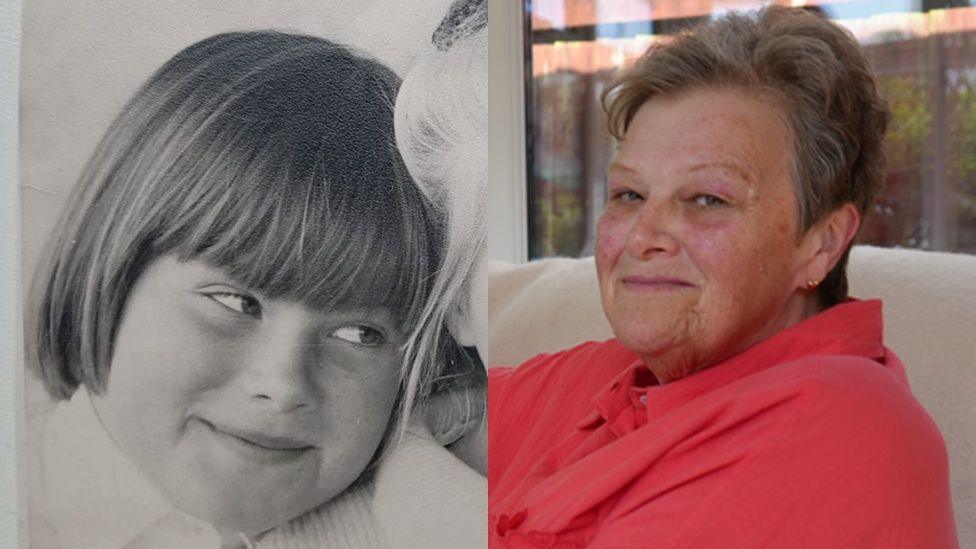
Jeanette Keane was attending nearby Quakers Yard grammar school when news of the disaster reached her.
"I was at nearby Quakers Yard grammar school, and there were rumours something had happened and children had died. So we went running out, we all just wanted to go home."Her parents were already at the school, searching for her sister.
"My parents weren't there, they were at the school, my father digging. He had found my sister Edwina and she was alive. But he couldn't get her out because the roof would have fallen in. My father laid by the side of her. He held her hand and she suffocated."
How did the wider community respond?
David Evans was one of the few residents in Aberfan with a telephone, making him a crucial link to emergency services.
"A neighbour knocked on my door and he was in a terrible state, shaking like a leaf. He wanted to use my phone to call the fire brigade because a house on Moy Road had collapsed."As he made the call, the scale of the disaster became apparent.
"As we talked, a lady ran past shouting: 'The school has gone, the school has gone.' I ran down the road and was taken aback - the houses on Moy Road were concertinaed."The response was swift and overwhelming.
"Lorries were arriving, each with about 40 miners from Merthyr Vale colliery who had shovels and pickaxes. There were bereaved mothers, and I thought 'What the hell has happened?' Policemen were carrying stretchers with body bags on them, and I thought to myself, where is God? How did he allow this to happen with all these children?"
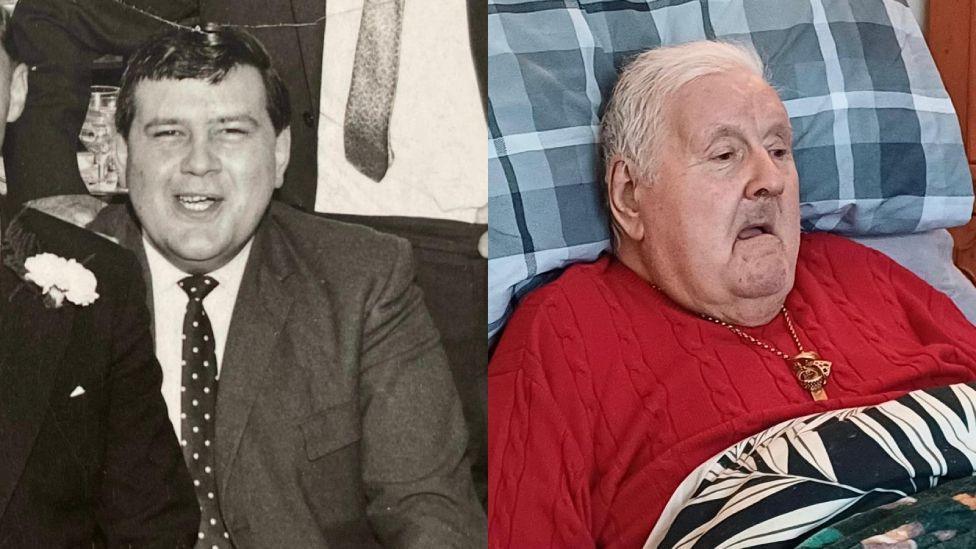
Mel Parry, an eighteen-year-old apprentice photographer with the Merthyr Express newspaper, was on a bus through Aberfan when the disaster unfolded.
"I had been on the bus through Aberfan when somebody shouted 'the school has fallen down'. I remember thinking 'that sounds a bit silly', but looked up and there was a gap."What he witnessed was almost incomprehensible.
"If you've ever seen photos, it [the slurry] took the junior school, but left the senior school completely free. I was thinking something's not right, but then your journalistic brain kicks into gear, and I realised I had work to do. Not as something you want to do, but it's your job."Parry's photographs became among the most iconic images of the disaster, capturing the scale of the devastation for the world to see.
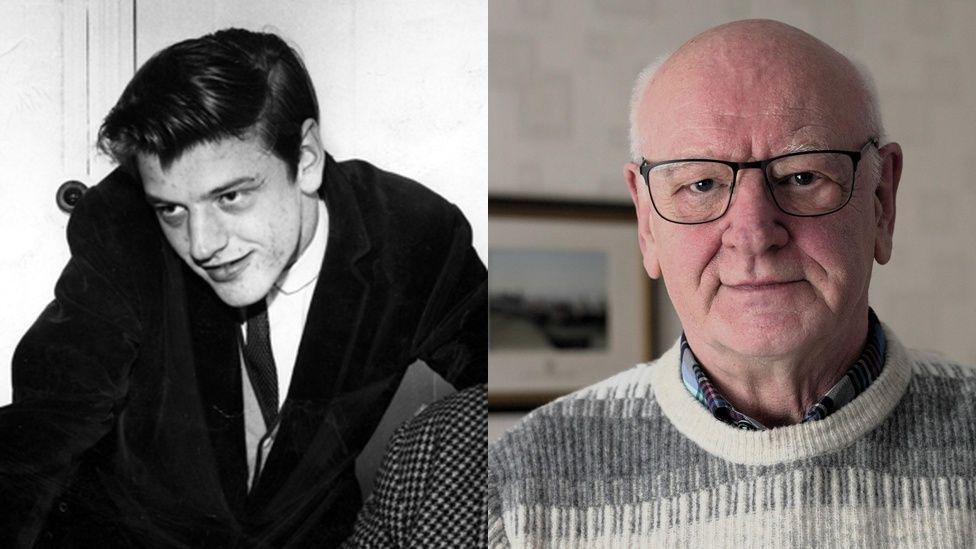
Calvin Pugsley, a journalist originally from Merthyr Tydfil, covered the story for the Birmingham Evening Mail and witnessed scenes of extraordinary heroism amid the tragedy.
"You could just about see the top of the school, but it was totally engulfed by this black mass. Men worked with shovels, their hands, desperately trying to find survivors. Every so often, a whistle blew and everybody stopped working. There'd be total silence while they listened for signs of life."He documented acts of selflessness that defined the rescue effort.
"I was aware of some terrible stories, including of two men who played rugby for Merthyr. One was Dai Beynon, the deputy headmaster and a big bear of a man. He scooped as many children as he could in his arms to shield them. When the room was cleared, they found him still holding them."Another teacher's sacrifice was equally profound.
"And there was Bill Evans - a teacher in Merthyr Tydfil. When he got back to Aberfan, having heard about the disaster, all he had left was what he was standing up in. His wife and two children had died, and their home had been swept away."
How is the 60th anniversary being marked?
The disaster's legacy continues to shape how Britain approaches industrial safety and community resilience. Prime Minister Andy Burnham visited Aberfan on 19 October, laying a wreath with survivor Jeff Edwards and Welsh Secretary Stephen Kinnock, and raised coal-tip safety in former mining communities. The royal family will also pay tribute: King Charles III, Queen Camilla and Prince William are scheduled to attend the 60th-anniversary remembrance in Aberfan on 21 October.