More than a decade ago, the West Midlands earned a grim distinction: it was branded the gun crime capital of England and Wales. The region, encompassing Birmingham, Wolverhampton, the Black Country and Coventry, was gripped by high-profile shootings and regular gun battles between rival gangs. Firearms offences per capita in the West Midlands Police force area exceeded those anywhere else in the country.
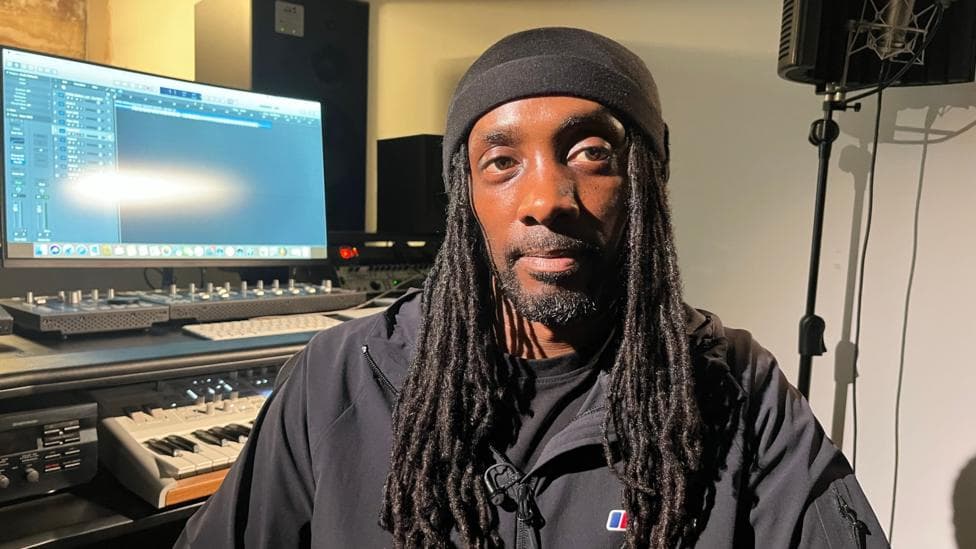
"Back then, there were shootings every day, reported shootings every day and unreported shootings every day,"recalls Simeon Moore, known as Zimbo, a former member of the Johnson Crew, one of Birmingham's most notorious gangs during the 2000s. Today, the picture has transformed dramatically.
New data obtained by a regional news outlet reveals a striking decline in firearms incidents across the West Midlands force area over the past six years. While historical comparisons are imperfect due to changes in how offences are recorded and classified, the trajectory is unmistakable: approximately 1,300 gun crimes were recorded in 2002-03, compared with 504 in the 2024 calendar year.
The most recent figures paint an even sharper picture of improvement. In 2020-21, West Midlands Police recorded 157 firearms discharges. The following year saw 148 discharges. By 2025, that figure had fallen to 69, and in the first seven months of 2026, only 30 discharges had been reported. According to local reporting in September 2026, the force recorded 294 gun-crime offences in the year ending March 2026, down from 576 in 2024.
"Things have calmed down dramatically since the early 2000s,"Zimbo, who now mentors young people, observed.
How policing strategy changed the picture
West Midlands Police attributes much of the decline to a fundamental reorganisation of how it handles firearms incidents. The force established a dedicated major crime unit that treats every reported firearm discharge as if it were a murder investigation. This specialised approach targets offenders and those in possession of firearms with unprecedented focus.
Detective Superintendent Ryan Chambers, who leads the unit, highlighted the force's recent success.
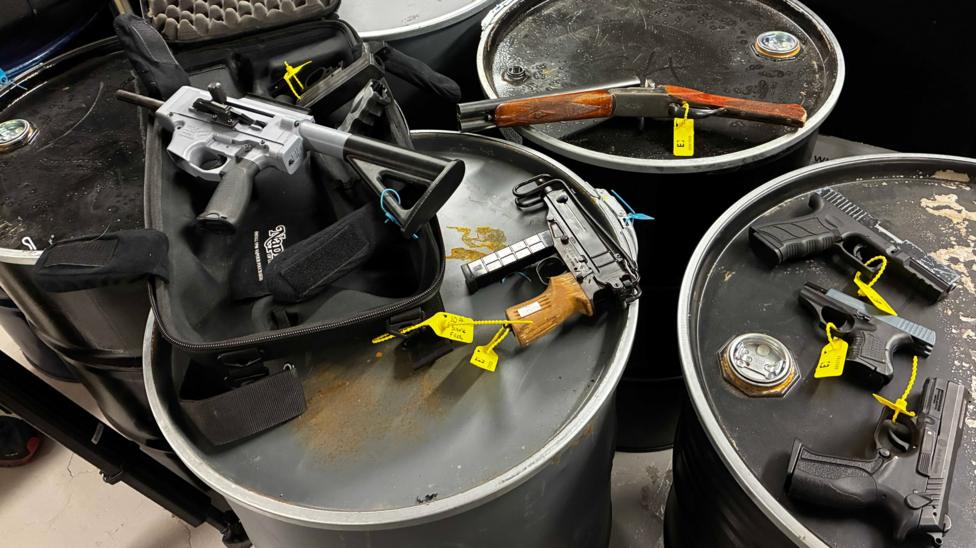
"We've had a good level of success over the last 12-months. We've had the most recoveries and biggest reduction in discharges we've seen in recent years."The force has intensified its recovery operations: between July 2025 and the end of June 2026, officers recovered 158 firearms and seized 110 guns through stop-and-search powers in 2026, six more than in 2024.
Chambers noted that half of all discharges the force dealt with involved shotguns that had been legally owned but stolen in burglaries before ending up in criminal hands. This insight has shaped enforcement priorities, with particular attention paid to residential break-ins targeting firearms.
The role of community voices and cultural shift
Yet police action alone does not explain the transformation. Zimbo credits a profound cultural change within communities, driven by people who have lived through gang violence and prison sentences now speaking out against that lifestyle.
"There's more people that have been involved in that life talking about it, turning away from it and speaking bad about it in the sense that this isn't the right way to go. Now you've got man that have lived that life, done crazy sentences and they're telling the young people now, 'if you're going to start living like this, expect jail, expect to lose your friends or possibly lose your own life.'"
Zimbo himself spent six years in prison as a teenager for possessing a semi-automatic weapon and cycled through the criminal justice system for two decades before turning his life around. He now heads the urban division at Revere Records, a community space where young artists like Solitary record music addressing life in parts of the city, the risks of incarceration and environmental pressures.
Beyond individual mentorship, Zimbo credits the network of organisations across Birmingham working with young people.
"Most young people within the city are engaged with organisations that are supporting them to stay away from the streets,"he said, suggesting this collective effort is transforming Birmingham into what he describes as
"more of a village. The village is starting to work together."
Violence persists despite the progress
The decline in shootings does not mean gun crime has vanished. Rivalries between groups remain active, and incidents continue to occur. In the early months of 2026, a shooting outside FJ Lounge nightclub in Aston was captured on CCTV footage showing crowds fleeing in panic as two men fired at each other. One of the shooters was injured, as was an innocent bystander working a food stall outside the venue. Two men were subsequently convicted and faced sentencing the following week.
In 2025, another incident left a man in critical condition following a shooting at Mango nightclub in Birmingham city centre. These cases underscore that despite statistical improvements, the threat remains real.
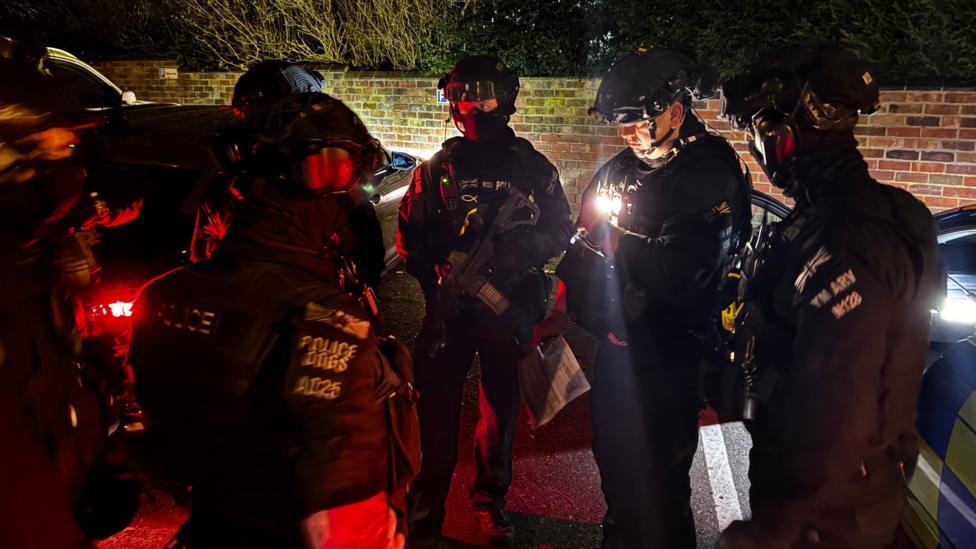
Zimbo expressed a cautious perspective on the underlying situation.
"I don't believe there's fewer weapons out there. I just think a few less people are using them,"he said, suggesting that while behaviour has shifted, the availability of firearms has not necessarily diminished.
Recent enforcement operations and ongoing cases
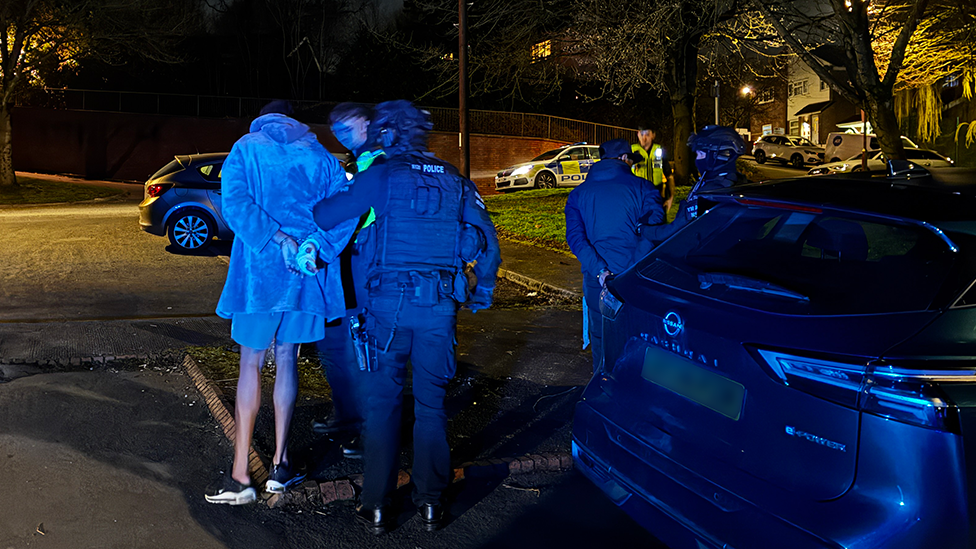
Officers continue active enforcement work. During a raid in Dudley in the early hours, police did not recover a firearm but seized a machete and crossbow. They arrested a man who bore a wound to his hand from a shooting that had occurred a week earlier. The suspect was also believed to have been involved in a machete attack and is scheduled to stand trial in 2029.
The broader context and national standing
While the West Midlands has shed its status as the gun crime capital, it remains a significant concern nationally. The most recent statistics from the Office of National Statistics showed the West Midlands force area ranked second only to the Metropolitan Police for the total number of firearms discharges. However, this ranking must be contextualised: the West Midlands Police force area also serves the second-largest population among forces in England and Wales. According to government data, West Midlands Police recorded 2,120 firearms operations in the year ending March 2026, a 6% increase on the previous year, the second-highest total among forces.
The challenge ahead
The transformation of the West Midlands from gun crime capital to a region showing measurable improvement reflects the combined efforts of police innovation, community intervention and cultural change. Yet the work remains incomplete. Weapons continue to enter the country despite strict gun laws, and the temptations of gang life persist for vulnerable young people. What is clear, however, is that the coordinated approach—combining specialist policing with community mentorship and youth engagement—is producing tangible results. The question now is whether this momentum can be sustained and extended further across the region.