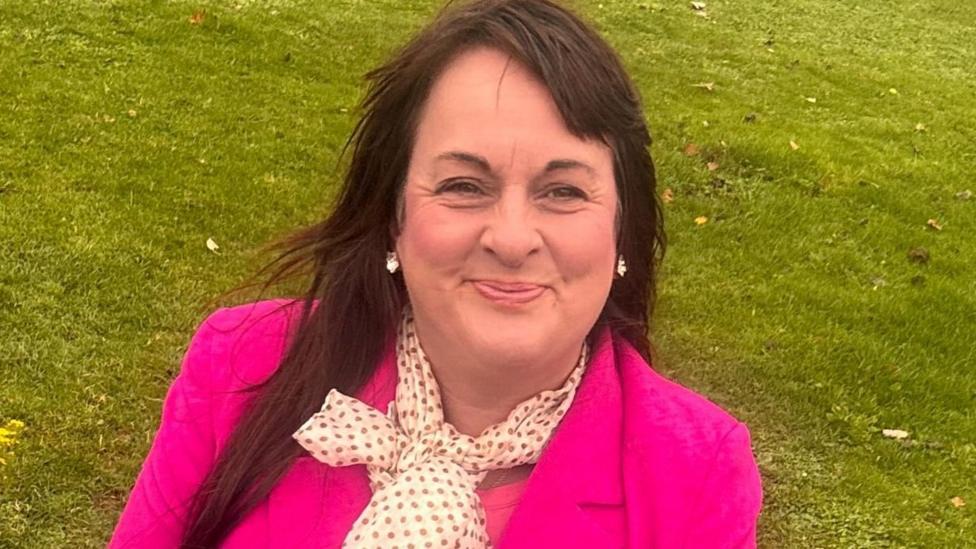
Catherine Cullen, a Reform UK member of the Welsh Parliament, discovered at age 40 that she had been adopted—a revelation that came as a complete shock when she ordered her birth certificate while registering one of her children. According to BBC News, Cullen had already adopted two children with her husband, himself an adoptee, when the discovery fundamentally changed her understanding of her own identity and family history.
The moment came when Cullen, then 40, requested the long version of her birth certificate for administrative purposes. "I ordered it and when it came, it was adoption certificate, not a birth certificate," she recalled. Her parents, who had raised her in what she describes as a "very Valleys upbringing" in Cwmbran, Torfaen, had never disclosed their status as adoptive parents. "My parents had obviously kept that to themselves for their own reasons," Cullen said. "My reaction was very calm to begin, but it wasn't long before shock set in."
Rather than allowing the revelation to overwhelm her, Cullen channelled the emotional impact into research. She located her birth parents through her own investigative efforts and went on to expand her family further. Today, she and her husband have six children in total: three biological children and three adopted. Two are now adults, three are teenagers, and the youngest is nine years old.
From Teaching to Full-Time Parenting
Before entering politics, Cullen worked as a secondary-school science teacher, instructing physics, chemistry and biology. She later made the decision to leave teaching to become a full-time parent, describing it as "one of the most fulfilling experiences." After her years raising her family, she pursued further education, completing a master's degree in additional learning needs. Her professional background in education and her lived experience with adoption have shaped her focus on children's welfare and support systems.
Political Journey and Family Influence
Cullen grew up in a politically engaged household on a council estate in an area with strong Labour traditions. Her mother, from Tredegar—the birthplace of Aneurin Bevan, the founder of the NHS—was consistently politically active. "My mother, being from Tredegar and Aneurin Bevan land, was always very political," Cullen said. She credits her parents as a "fantastic influence" on her upbringing, though her own political views diverged from her family's Labour roots as she matured.
As an adult, Cullen's political allegiances shifted. "Friends said you need to look at manifestos because at that point I was not sure," she explained. She voted Conservative for a period before becoming drawn to the emerging Reform movement. "I had been watching Nigel Farage and the late Ann Widdecombe in the background. When Reform came on the scene, I knew that's where my political allegiances were going to lie."
Entry into the Senedd and Committee Work
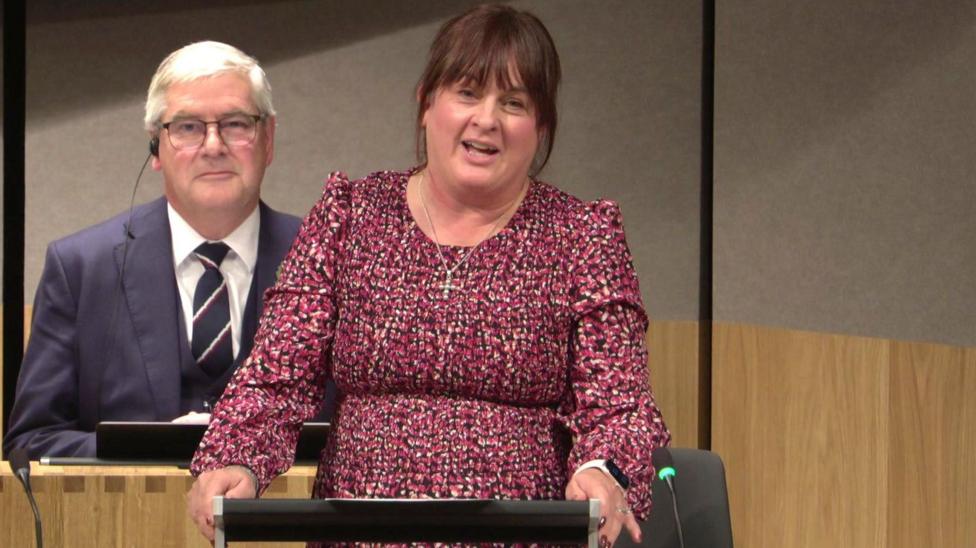
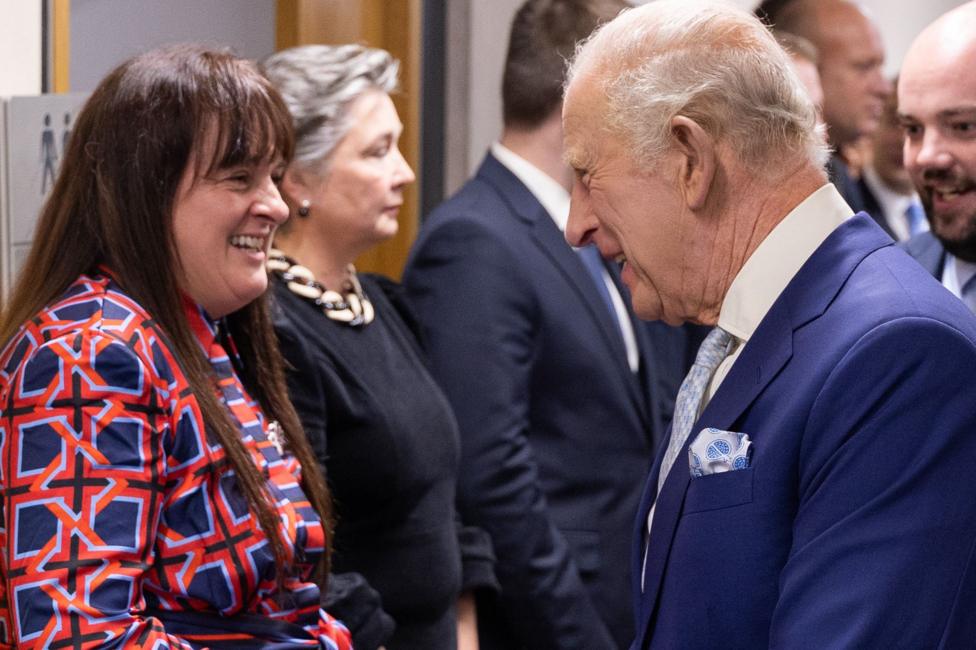
Cullen was elected to represent the Blaenau Gwent Caerffili Rhymni constituency in the Welsh Parliament on 7 May 2026, beginning her term on 8 May. Her family expressed pride in her achievement. Since taking office, she has become increasingly active in parliamentary work. According to her Senedd profile, she sits on the Early Years, Children, Young People and Education Committee and the Commonwealth Committee. By November 2026, she had delivered 55 speeches, posed 10 oral questions, submitted seven written questions, and maintained 100% attendance at seven committee meetings.
Her parliamentary focus has centred on children's issues from the outset. On 14 October 2026, Cullen challenged the Welsh Government over barriers to children's participation in sport, citing the fact that 49% of children in Blaenau Gwent experience income deprivation—the highest proportion of any Welsh local authority—while arguing that reduced opening hours at Cefn Fforest Leisure Centre further limited young people's access to physical activity.
In September 2026, Cullen was appointed as Reform UK's shadow cabinet minister for Children and Young People, a role that reflects her growing prominence within the party on child welfare matters.
Personal Experience Shaping Policy Priorities
Cullen's interest in adoption and children's services is deeply rooted in her family experience. Three of her six children are on the autistic spectrum, giving her direct insight into additional learning needs. She views adoption "through the lens of my children and the process I went through with them," and believes the current system requires substantial improvement.
In her advocacy, Cullen has called for extended emotional support for adoptees beyond current provision and better assistance for those seeking to locate their birth families.
"I would like to see adoptees having emotional support for a lot longer, and support in locating birth families if they require it,"she stated. She emphasised that
"it's up to the adoptee how they formulate a relationship with their birth parents."
Cullen has also raised concerns about children remaining in care for extended periods.
"Adoption is a really important way of showing care, compassion and love and it gives a child a foundation from which they can thrive, learn and grow,"she said. However, she acknowledged that support systems for prospective adoptive parents fall short of what is needed.
"It's not up to scratch. There's a lot to do."
Broader Child Welfare Advocacy
Cullen's parliamentary work extends beyond adoption policy. In June 2026, she questioned the Welsh Government about school guidance on gender identity, invoking the Cass Review and safeguarding standards in her line of inquiry. Her interventions reflect a comprehensive approach to child protection and wellbeing across multiple policy areas.
At 52, Cullen brings both personal experience and professional expertise to her role as a legislator. Her journey from discovering her own adoption in midlife to becoming a vocal advocate for children's services in the Welsh Parliament demonstrates how lived experience can inform and drive political commitment to vulnerable populations.