

The Welsh government has set up a new task force aimed at regenerating struggling town centres across Wales, with a particular focus on Bangor, Gwynedd, home to the country's longest high street. Housing, local government and planning minister Sian Gwenllian announced the initiative during a visit to Bangor on 12 August 2026, confirming that £1m in funding would be distributed nationally, including £654,000 earmarked for Bangor projects such as new street furniture and an amphitheatre.
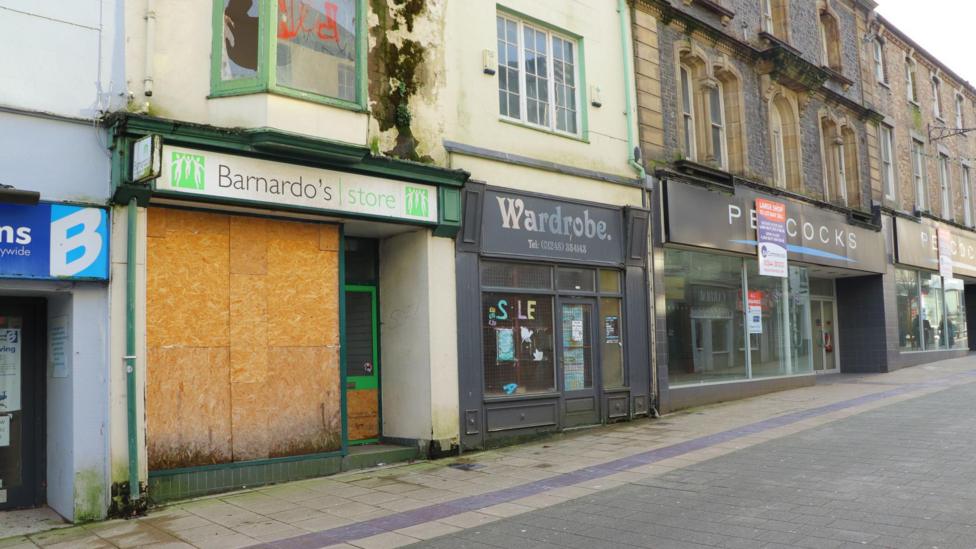
The announcement comes after years of visible decline on Welsh high streets, driven by the growth of online shopping, businesses relocating to out-of-town retail parks, and a lasting drop in footfall following the Covid-19 pandemic. Empty shopfronts have become a familiar sight in many town centres, and Bangor is no exception.
What did the minister say about the plan?
Gwenllian acknowledged that the traditional model of a high street anchored by large retailers is no longer realistic for many Welsh towns.
The high street has changed…and we must acknowledge that.
We're not going to be bringing in these big companies into our towns and cities.
Instead, she suggested that creative and community-focused spaces — such as arts centres, adult-learning facilities and medical hubs — could help draw people back into town centres, which in turn could support existing local businesses. She also said the government would examine reforming business rates and planning regulations, alongside plans to convert unused space above shops into housing for local residents.
Will be looking forensically for solutions - solutions that can be adapted in different parts of Wales.
The recommendations will come to me in a few months. This isn't going to be a long drawn-out exercise.
What do residents and traders think?
Not everyone in Bangor is convinced the funding goes far enough. Charlotte Moore, 16, from Caernarfon, said the town lacks enough amenities to attract younger visitors.
There's not enough places like cafes, restaurants. So I think more needs to come to this area.
She welcomed the creation of a task force but suggested a direct approach to attracting new businesses.
I'd start with maybe asking brands if they'd be willing to come to the empty buildings that are here.


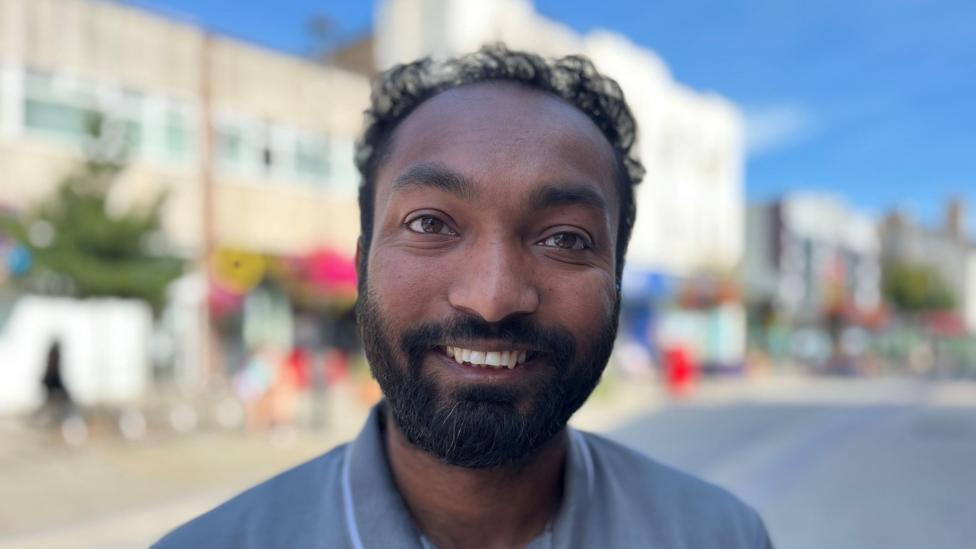
Business owner Md Mustakim Raza, 36, who runs Bangor Tandoori, described the task force as a welcome step but said the government needed to go further on practical issues affecting trade.
We've got multiple issues going on here. Business rates is a very important one. You need to cut the business rates.
Cleanliness – we have problems with dog poos everywhere. No cleaning, nothing.
They've done some flowers and things like that, and that's nice, but it doesn't go a long way.
He also pointed to parking charges as a deterrent for younger shoppers, who increasingly turn to online retailers instead.
Young generations don't come to the high street anymore.
They go to Amazon, eBay, lots of different online stores where they don't get a parking ticket for shopping. Here, you do.
How does this fit into previous regeneration efforts?
Bangor's high street has been the subject of regeneration attempts before. In 2019, the Welsh government's targeted regeneration investment programme allocated £2m to a separate Bangor scheme designed to bring vacant and under-used commercial properties back into use, including shopfront improvements and community-focused refits, according to an earlier report. Nigel Pickavance of the Bangor City Regeneration and Vision group, which was formed three years ago in response to the deterioration of the town centre, said the area has long been neglected by decision-makers.
Bangor has been overlooked by many, many places and especially the local authorities and the Welsh [Parliament] as well.
On the new funding, he was blunt about its limitations.
We'd never turn down funding from anywhere. But literally, if you think about this money in a big sense, it's pittance or it's peanuts compared to what's needed to regenerate Bangor.
Francesca O'Brien, Reform Wales' shadow cabinet minister for local government, housing and planning, criticised the government for launching another task force while residents continue waiting for tangible improvements.
Wider patterns of high street decline in Britain have drawn increasing scrutiny, with an investigation into how Britain's high streets reflect political and social instability pointing to economic hardship and shifting community sentiment as visible symptoms of decline nationwide. Similar struggles have played out elsewhere, including in Castlederg, where a £6.5m regeneration scheme has caused significant disruption to local traders, and in Dumfries, where a £20m levelling up plan has been launched to restore buildings and boost the local economy.
What broader framework guides high street recovery efforts?
Task forces of this kind often draw on a recognised recovery model built around what is known as the


