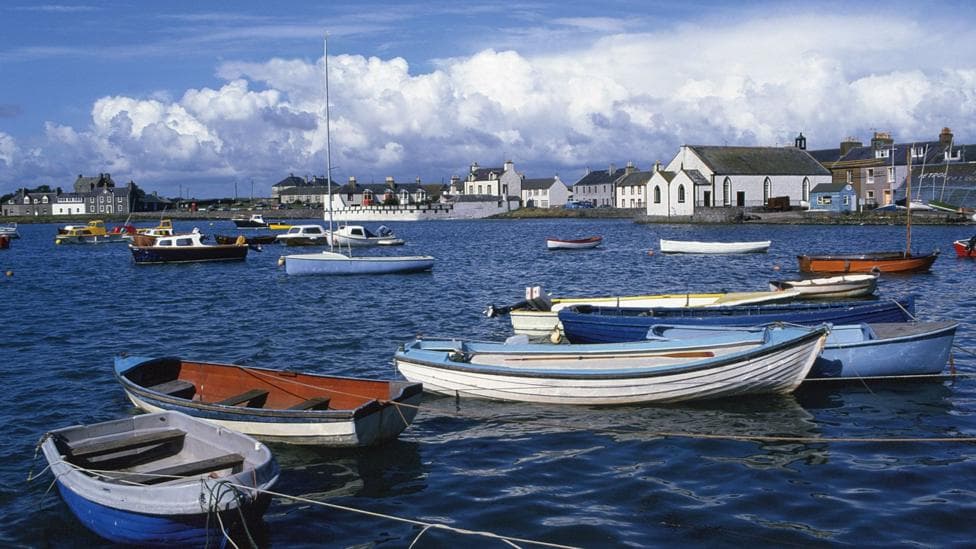
A planning appeal for an underground house in the Isle of Whithorn, a fishing village in south Scotland, has been dismissed by a Scottish government reporter. According to BBC News, the reporter concluded that the significant harm to the village's character would outweigh any benefits, including the provision of additional housing during a regional emergency and reduced carbon emissions.
Dumfries and Galloway Council had originally refused the proposals on the grounds that they would "not relate well to the character of the existing village". The applicant appealed that decision to the Scottish government, supported by planning consultancy David Fallas, which argued the design would have minimal visible impact on the landscape and conservation area. The appeal was dismissed on 16 October 2026, with the case reference 25/2070/FUL relating to a site adjacent to Braefoot, Tonderghie Road, Isle of Whithorn, DG8 8JD, according to the Scottish government's planning appeals database.

Why did the council initially refuse permission?
The local authority raised several objections to the underground dwelling. It determined that the house would "not integrate well into the existing settlement while respecting its historic pattern and layout". The council also expressed concerns about the impact on the special architectural character and appearance of the village, a designation that carries weight in planning decisions affecting historic communities.
Additional grounds for refusal included the finding that the property would be served by a "substandard private access road", which could compromise safety. The council further concluded that the applicant had not demonstrated how the development would contribute to the economy of the coastal community, an important consideration for rural settlements.
What arguments did the applicant make?
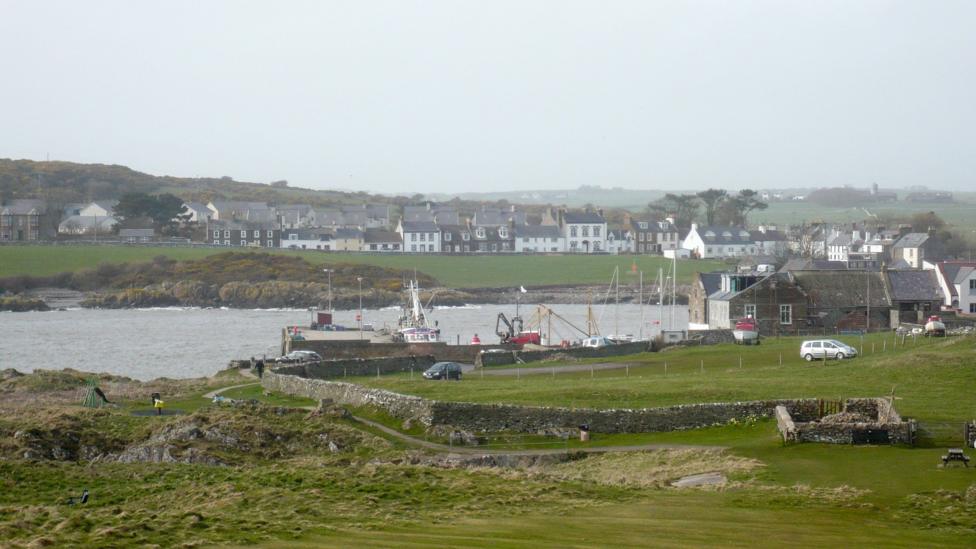
The supporting statement from David Fallas planning consultancy contended that the site already contained a "marked and obvious depression in the contours" of the landscape, making it suitable for an underground structure. The consultancy argued that the proposal would deliver a dwelling "of high design quality and merit in a way that has a minimal visible impact upon its setting and that of its immediate locality and wider conservation area".
The statement further asserted that the plot should be viewed as part of a wider area "characterised by varied built residential forms and structures, and not in isolation as a distinct area of 'undeveloped' coastal plane". The applicant presented the underground design as an "imaginative solution" that would "significantly mitigate" any adverse impact on the surroundings.
What did the reporter conclude?
The Scottish government reporter acknowledged that the development would offer genuine benefits. The proposal would provide additional accommodation at a time when the region faces a housing emergency, and it would create employment during the construction phase. The reporter also praised the design of the green roof and the efforts to limit carbon emissions through the building's environmental performance.
However, these advantages did not outweigh the identified drawbacks. The reporter determined that the scheme would cause "significant harm" to the character and appearance of the area. This finding aligned with the council's original assessment that the development, despite its innovative design approach, would fundamentally conflict with the village's established character and historic settlement pattern.
What does this mean for planning in Scotland?
The decision reflects an ongoing tension in Scottish planning between addressing housing shortages and protecting the character of established communities. While the Scottish government's planning appeals system recognises the importance of delivering new homes and reducing carbon emissions, it continues to prioritise the preservation of village character and historic settlement patterns in conservation-sensitive areas.
The Isle of Whithorn case demonstrates that even well-designed, innovative proposals that address environmental and housing concerns can be rejected if they are judged to cause unacceptable harm to the character of a place. Applicants in similar rural and historic settings may need to consider alternative approaches that more closely align with existing settlement patterns and architectural character.
Key Facts
- The appeal was dismissed on 16 October 2026 under case reference 25/2070/FUL
- The site is adjacent to Braefoot, Tonderghie Road, Isle of Whithorn, DG8 8JD
- The reporter acknowledged the proposal's benefits for housing provision and carbon reduction but found these outweighed by harm to village character
- Dumfries and Galloway Council's original refusal cited concerns about integration with the historic settlement pattern and impact on architectural character
- The applicant argued the underground design would minimise visual impact through use of a natural landscape depression