The United Kingdom held its inaugural National Day for Victims and Survivors of Terrorism on 21 August 2026 in London, bringing together people affected by violent extremism from across the country. The event recognised those killed and injured in terrorist attacks, their families, witnesses and emergency responders, while also highlighting the availability of specialist support services. For many attendees from Northern Ireland, the day carried particular significance as they remembered the decades of violence during the Troubles, which claimed more than 3,500 lives over a 30-year period.
The government established the national day in response to sustained campaigning by victims and survivors seeking greater acknowledgement of terrorism's profound impact on their lives. Across the UK, the observance encompasses attacks including the 7/7 bombings, the 2017 Manchester Arena attack and the London Bridge terror attack, alongside the historical atrocities that defined Northern Ireland's conflict.
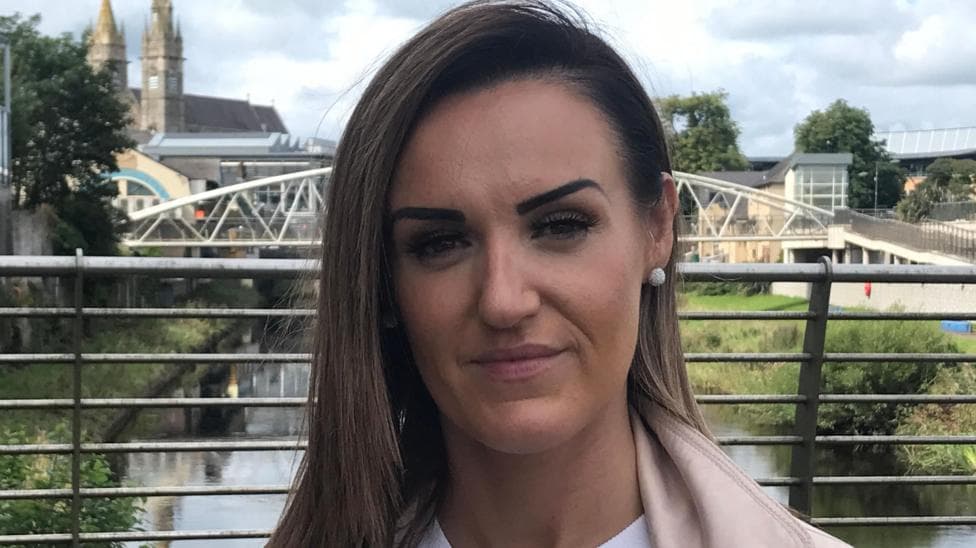
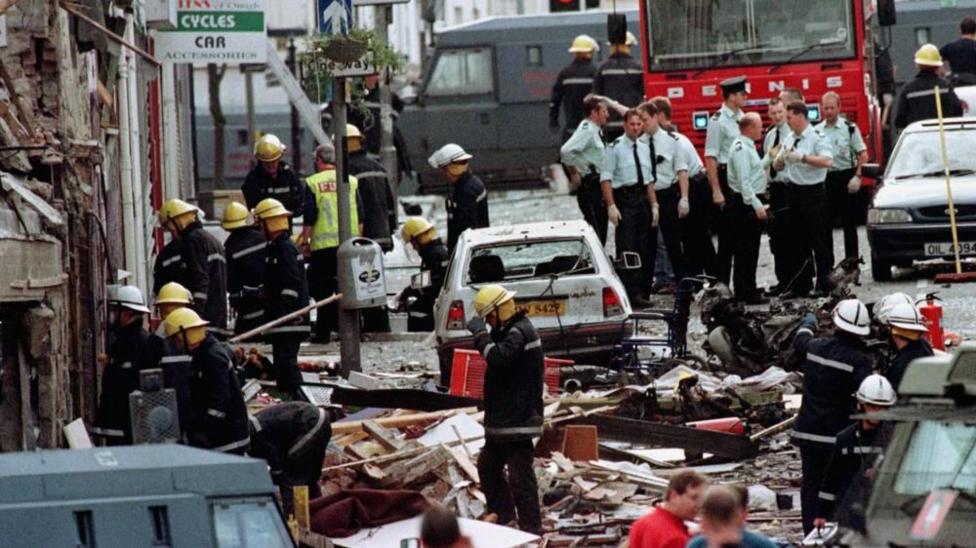
A delegation from the South East Fermanagh Foundation, a victims advocacy group, travelled from Northern Ireland to participate in the London ceremony. Among them was Claire Hayes, whose brother Alan Radford was murdered at age 16 in the Omagh bombing carried out by the Real IRA on 15 August 1998. The attack killed 29 people in total, including a pregnant woman expecting twins.
Recognition beyond statistics
Hayes expressed relief that her brother is now being remembered as an individual rather than merely a figure in casualty counts.
"It's been very welcomed that Alan is no longer just a statistic, that he is being recognised, that he was a human being, who was here, who was murdered and his life mattered,"she told a national broadcaster's radio programme. However, Hayes stressed that victims have been campaigning for such recognition for years and questioned why the Northern Ireland Assembly and its ministers have not established their own commemorative day.
"They like to try and cleanse what has happened in Northern Ireland and I think this is going to be another pushing point for them that they really don't want to,"Hayes said. She also called for Northern Ireland schools to provide greater education about terrorism's effects on victims, arguing that such teaching is essential to preventing future violence.
The UK ceremony on 21 August 2026 included a commemorative event at 2:30pm BST with a two-minute silence and livestream coverage, bringing together victims, survivors, bereaved families, first responders and government officials.

Centering victims in remembrance
Tanya Williams-Powell, whose grandfather Thomas Niedermayer was abducted and murdered by the IRA in December 1973 more than 50 years ago, emphasised that victims must remain central to how terrorism is remembered. She expressed concern that public discourse often focuses on perpetrators' motivations in ways that can inadvertently glorify violence.
"It can almost be glorified. I think it's really important that we teach history honestly,"Williams-Powell said.
"The victims are the most important and we need to make sure as much as we can that young people don't glorify it and continue the violence."
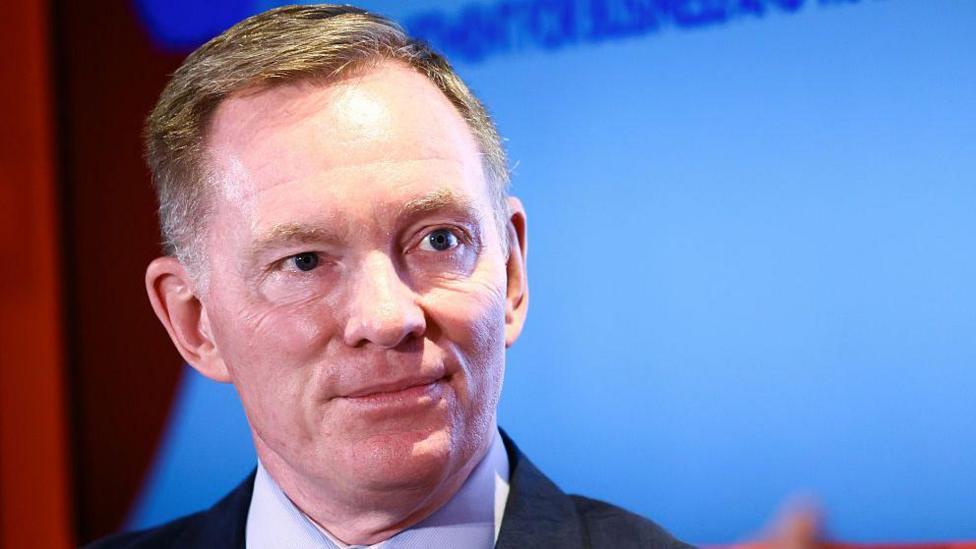
Secretary of State Chris Bryant acknowledged the particular suffering endured in Northern Ireland.
"Few places have borne more pain than in Northern Ireland. I'm amazed and inspired by the fortitude and grace so many victims, survivors, and bereaved families have shown over the years, often suffering in silence,"he said.
"As we stand with the victims and survivors of terrorism we commit ourselves anew to keep people safe and remember the past with honesty."
Alignment with international observance
The date of 21 August was selected to coincide with the UN International Day of Remembrance and Tribute to the Victims of Terrorism, established in 2017. This alignment reflects the government's commitment to recognising terrorism's global impact. The UN is holding a high-level virtual event on the same day under the theme "Healing through Memory", scheduled for 10:00–11:20 a.m. EDT.
The government has indicated that the national day will be held at different locations across the UK in future years, ensuring that communities affected by terrorism in different regions receive recognition. For this inaugural year, the London venue served as the focal point, though people throughout the country were encouraged to observe the day locally.
How people can participate
The Home Office has suggested that individuals mark the day by lighting a candle, donating to victim-support charities, attending local memorial services, or sharing reflections on social media. The government emphasised that participation need not be limited to formal ceremonies; personal acts of remembrance and community-based observances are equally valued.
What happens next
The national day will recur annually on 21 August in future years, becoming an established fixture in the UK's calendar of remembrance. The government has committed to rotating the location of the main ceremony to ensure that different regions affected by terrorism receive direct recognition and support. Victims and survivors groups continue to advocate for enhanced support services and educational initiatives to ensure that the impact of terrorism is neither forgotten nor repeated.
Key Facts
- The UK's first National Day for Victims and Survivors of Terrorism was held on 21 August 2026, aligned with the UN's International Day of Remembrance and Tribute to the Victims of Terrorism.
- The Omagh bombing of 15 August 1998 killed 29 people, including a pregnant woman expecting twins, in an attack carried out by the Real IRA.
- The day recognises victims, survivors, bereaved families, witnesses and emergency responders affected by terrorism across the UK, including attacks during the 30-year Troubles conflict in Northern Ireland.
- The government has committed to holding the ceremony at different locations across the UK in future years to ensure nationwide recognition of terrorism's impact.
- People are encouraged to participate through lighting candles, donating to victim-support charities, attending local services, or sharing personal reflections.