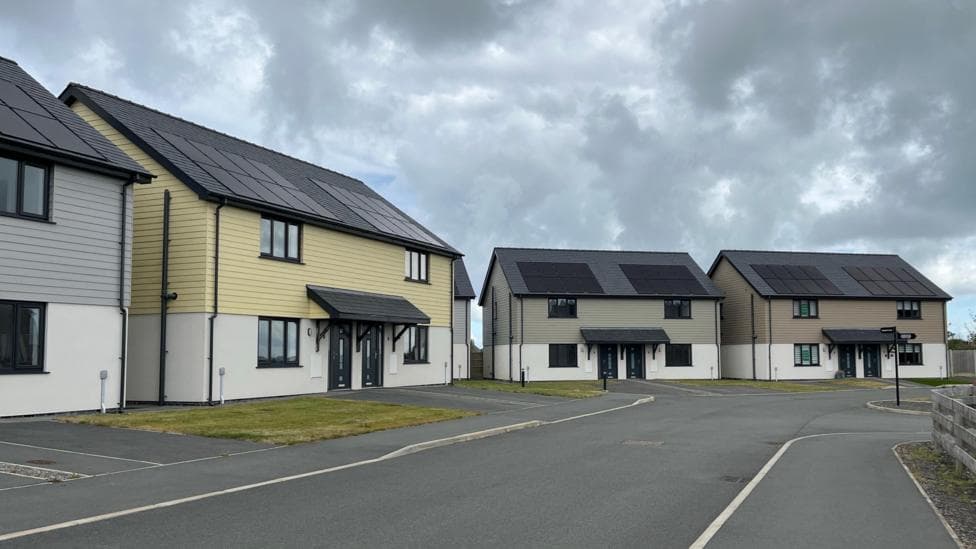
An almost-empty new-build estate on Anglesey has become a flashpoint for local frustration after planning restrictions prevent residents from purchasing properties as permanent homes, despite at least 37 families expressing interest in buying them.
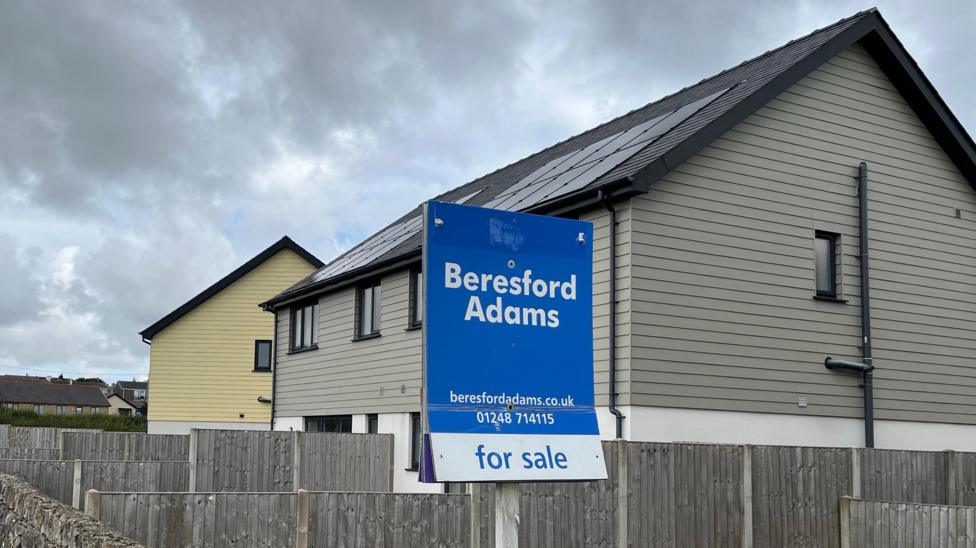
Parc Delfryn in Brynteg, situated two miles from the Anglesey coast, was approved exclusively for holiday accommodation before construction began. Of the 16 houses built, only two have sold since completion nearly three years ago, leaving 14 properties vacant. The area already hosts the second-highest rate of holiday home users in Wales relative to its population size.
A planning application has now been submitted to Anglesey council seeking permission to convert the homes to full-time residential use, according to a June 2026 report. However, planning officers have refused to lift the holiday-home restriction, citing the need for detailed financial viability evidence that was not provided.

Why are locals unable to buy?
The homes cannot be sold to people seeking permanent residence because of planning conditions imposed before construction. When a challenge to these restrictions was mounted, it failed. Anglesey council stated that approving a change of use without proper supporting documentation would "set a dangerous precedent" for similar applications elsewhere on the island.
According to planning policy guidance, Brynteg has reached a 15% holiday-home threshold under local development rules, and the site sits outside any defined development boundary—factors that complicate approval for permanent residential conversion.
What impact has this had on the community?
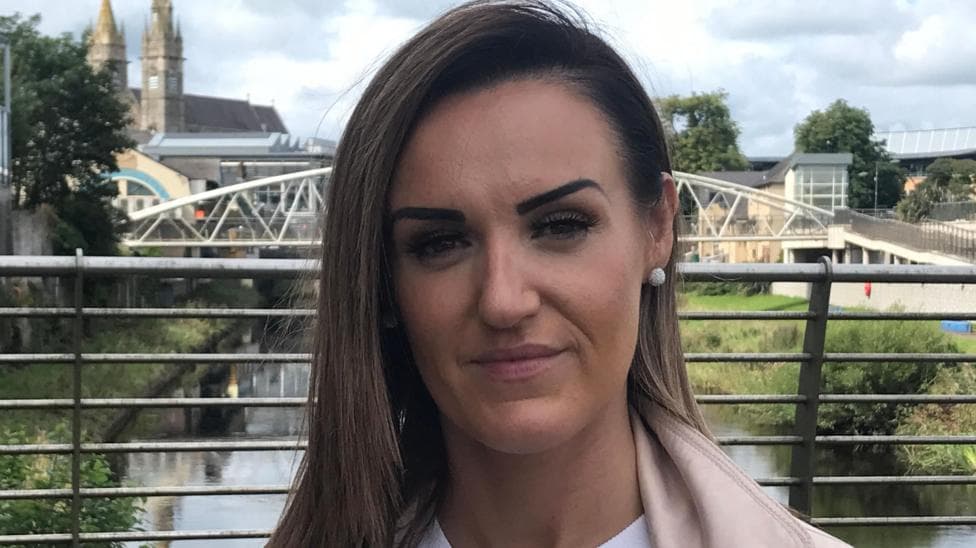
Jane Roberts, who grew up in Brynteg where her father and grandparents were born, had planned to return to the village in 2024 but abandoned the idea after discovering the restrictions. She expressed deep frustration at the situation, saying her family members "would turn in their graves" if they knew these homes could not be sold to local buyers.
"I didn't feel right about it. My father and grandparents would turn in their graves if they saw these houses could not be sold to local buyers. It has put me off looking at other properties in the village."
Roberts, 66, described Brynteg as "a lovely village to grow up in" where she and her siblings had "the best childhood." She noted that her daughter, who now lives in the village with her own children, shares her disappointment.
"It's not a good look for the area. It doesn't create a good feeling,"she added.

Phil Morrill, another resident, voiced similar concerns about the empty properties.
"There's too much red tape... it's terrible, it really is. There should be nothing to stop anyone from buying and living in these... it doesn't make any sense at all. They're no use to anyone just lying empty like that."
Richard Jones also questioned the logic of the restrictions.
"It doesn't make any sense that local people shouldn't be able to buy and live in these houses. It's a good spot, right near a village pub, they would be ideal as family homes."He suggested the council could have purchased the properties as social housing to address local need.


What do estate agents say about the market?
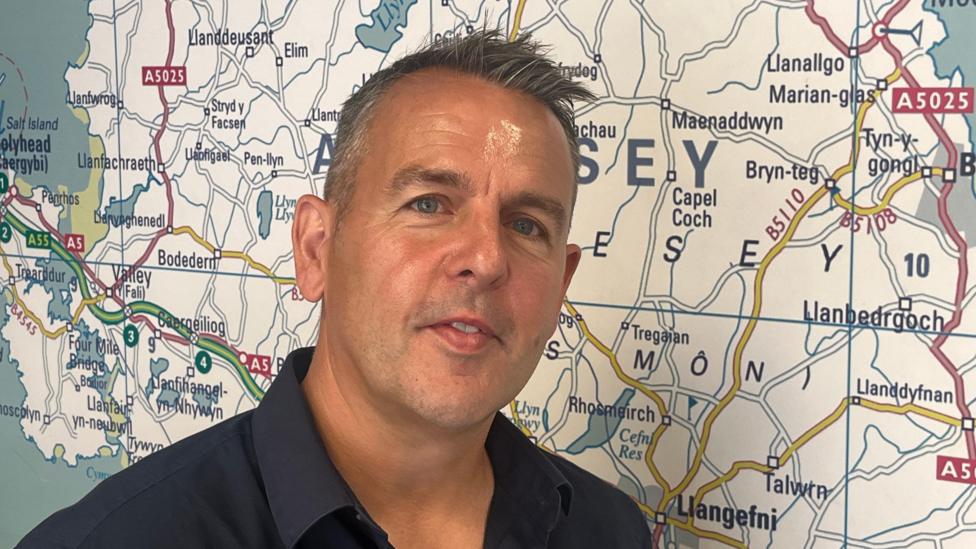
Mike Williams of Beresford Adams, one of two agents marketing the properties, described the situation as a "complete and utter waste of money." He reported that the development has received no viewings for approximately 18 months, despite the homes being "perfect" for local families.
"We've literally had no viewings on the development for about a year-and-a-half. The second home market was never really interested in places like Brynteg, they were more interested in places like Benllech and Moelfre, which are closer to the coast."
Williams, who lives in Brynteg himself, expressed frustration that homes have been "left lying dormant" when they could serve the community. He noted that awareness of the holiday-home-only restriction has deterred further inquiries from local buyers.
How have tax changes affected the market?
Since April 2024, second home owners on Anglesey have faced an additional 100% council tax surcharge on their properties—unless the property is rented out for at least 182 days per year. This change followed a Wales-wide policy allowing councils to charge up to four times the standard council tax rate as part of efforts to improve housing affordability.
According to planning analysis, these Welsh Government tax changes have significantly impacted the holiday home market. PLanD development consultants stated that the second home tax has "killed the holiday home market," leaving the Parc Delfryn homes in a commercial limbo.
In June 2023, a national broadcaster reported that Anglesey had experienced the biggest jump in holiday home users across England and Wales over the preceding decade. As of late 2023, approximately 10% of the island's housing stock was classified as either second or holiday homes—higher than other areas of Wales and the UK.
What evidence has been requested?
In its statement, Anglesey council acknowledged local residents' concerns but explained that to support an application for open-market residential sales, the applicant "needed to provide evidence that the approved holiday accommodation scheme was no longer financially viable."
The council said it had requested "on a number of occasions" a detailed viability assessment and supporting information but these were not provided.
"Approving the proposal without the necessary supporting information would have gone against the planning policy framework and could have set a precedent for similar applications elsewhere on the island."
PLanD planning consultant Simon James countered that a change of use would be "beneficial" and help address housing needs in the area. The planning consultants confirmed that an appeal against the council's refusal would be pursued.
What happens next?
The developer is expected to appeal to the Welsh Government after Anglesey planning officers refused to lift the holiday-home restriction, according to reporting from August 2026. A decision on the newly submitted application to allow full-time residential use remains pending, though no hearing date has been announced.
Meanwhile, the Welsh Government has indicated it will review holiday home tax rules following backlash from owners, potentially examining a reduction to the 182-day rental threshold and new exemptions. Any such changes could alter the commercial viability calculations that currently block the Parc Delfryn conversion.
Key Facts
- Only 2 of 16 homes at Parc Delfryn have sold since construction finished nearly three years ago
- At least 37 families, mostly local to Anglesey, have inquired about purchasing the properties as permanent homes
- Planning restrictions imposed before construction require the homes to be sold exclusively as holiday accommodation
- Anglesey council has rejected a change-of-use application, citing insufficient financial viability evidence
- An appeal to the Welsh Government is expected after the council's refusal