As Halloween celebrations expand across the UK, families are increasingly turning to second-hand costumes, swapping networks and homemade creations to manage rising seasonal costs. According to BBC News, parents are finding creative ways to celebrate without straining household budgets, even as overall spending on the occasion continues to climb.
The shift towards cost-conscious celebration comes as Halloween has grown into one of Britain's most significant seasonal events. Savvy forecasts UK Halloween spending will reach £705m in 2026, up 6% on 2025, with 46% of shoppers planning to celebrate. Among families specifically, the proportion rises to 78%, reflecting how deeply embedded the occasion has become in household calendars.
For many parents, the financial pressure is real. Multiple Halloween events—school celebrations, trick-or-treating expeditions and friends' parties—mean children often want different costumes for each occasion, multiplying costs rapidly. Mandy Thomas, a mother from Birmingham, recognised this challenge early on.
I figured out really quickly that I needed to cut costs where I could when Halloween came around. There would be a school event, trick-or-treating and a friend's party, and they didn't want to dress up as the same thing every time.
Thomas discovered that online communities dedicated to costume swapping and resale platforms offered substantial savings.
A friend put me onto these Facebook groups where people swap or sell costumes really cheaply. When one of them wants to be a specific character, I search eBay or Vinted and I usually spend a quarter of the original price.
Where are families finding affordable costumes?
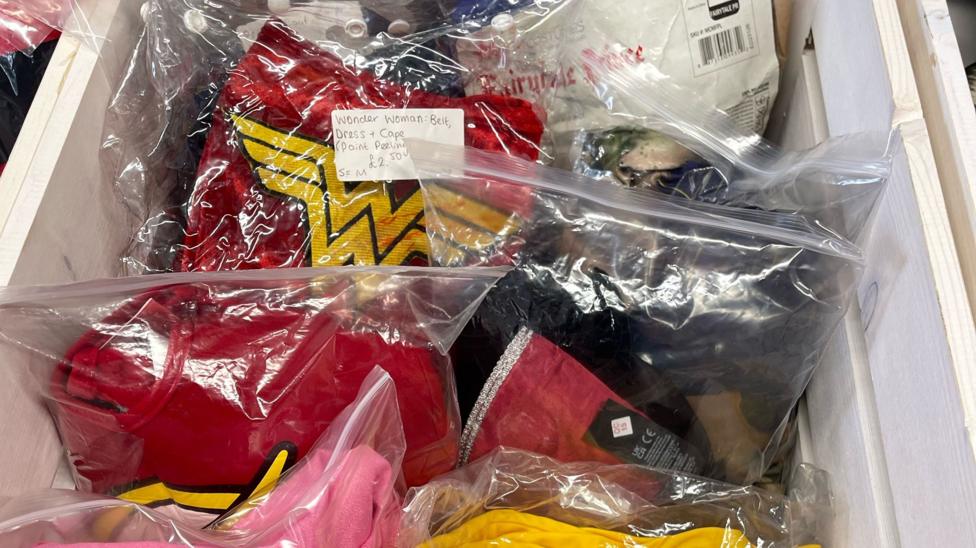
Charity shops have emerged as a primary destination for budget-conscious Halloween shoppers. At the RSPCA charity shop in Coundon, Coventry, manager Ellya Hayden explained that staff prepare throughout the year by setting aside suitable donations for the spooky season.
We know that at Halloween and Christmas there's going to be lots of buying going on, and people prefer to cut costs by shopping in charity shops.

Hayden noted that the shop actively curates its Halloween inventory.
We save any sellable costumes that come in and get them ready for display. It's really great to see the kids coming in and getting excited and there's always someone who needs a last-minute costume.Recycled costumes can be priced at anything between £1.50 and £12, with items still in original packaging often marked at approximately a quarter of their retail value.
The environmental dimension of costume reuse is equally important to Hayden.
It's really important to reuse and recycle costumes. We try to repair items where we can so they can have multiple lives.This approach aligns with broader patterns of household spending behaviour, as Nationwide's survey found that 24% of 25–34-year-olds expect to spend less on Halloween because of rising living costs.
How can families make costumes at home?
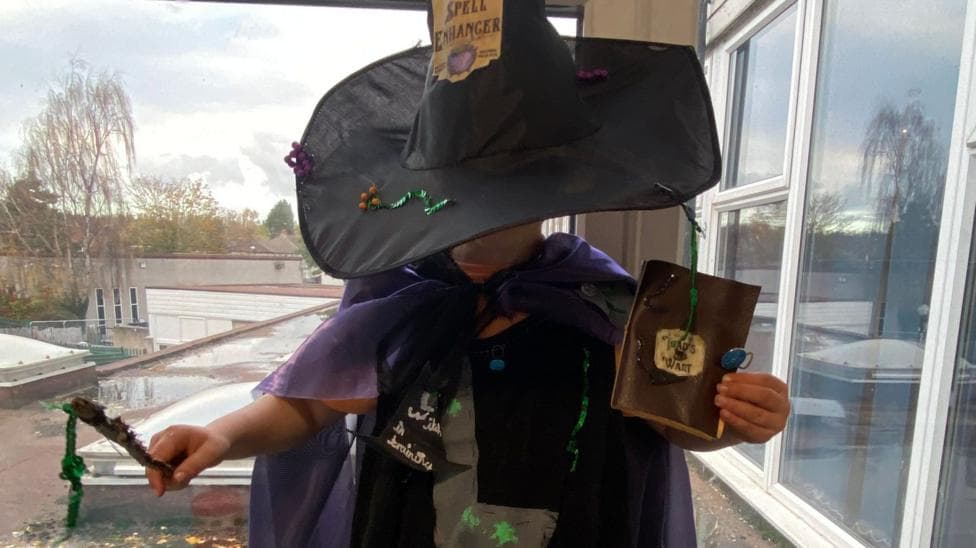
For those seeking to avoid shops entirely, creative DIY approaches offer both financial and educational benefits. In Coventry, Adele Harrison, founder of not-for-profit organisation Cov Cloth, runs workshops teaching children and parents to transform unwanted textiles and household items into Halloween costumes, decorations and accessories.
Our Halloween workshops are especially popular. Young people have a great day and leave with homemade Halloween treasures, including accessories, costumes and decorations they've made themselves.
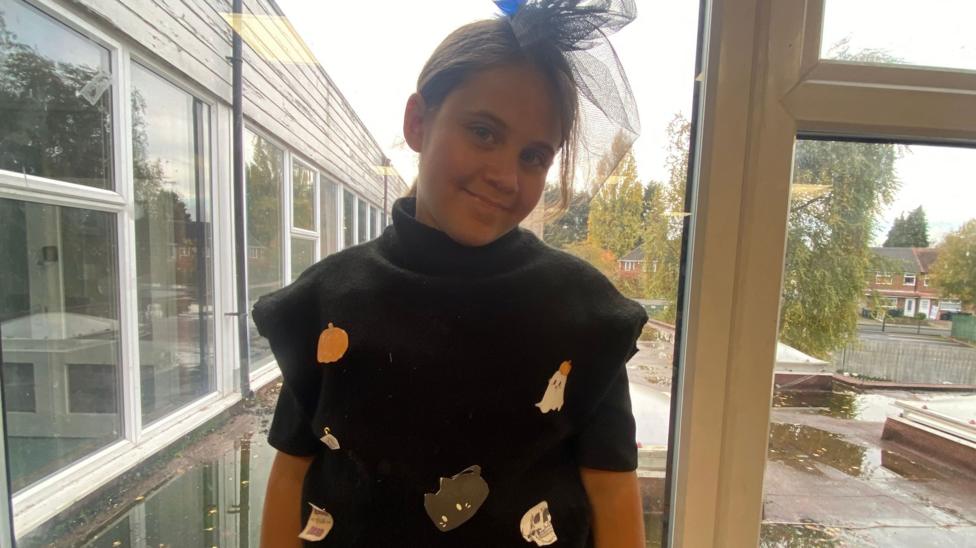
Harrison emphasised that families need not attend paid sessions to apply these principles.
Our message is: before heading to the shops, use what you already have. Get creative, save some money and let your children see how brilliant they are.Old tights, cereal boxes and unwanted clothing can all be repurposed into effective costumes and decorative items.
While families may not perceive immediate savings on workshop days, Harrison stressed the longer-term value.
The families may not necessarily see it as a money-saver on the day, but the practices we promote are money-saving creative habits.This approach builds sustainable consumer behaviour that extends beyond Halloween itself.
What is driving the expansion of Halloween celebrations?
Halloween's growth reflects broader changes in how Britons approach seasonal celebrations. The occasion now encompasses far more than traditional trick-or-treating, with 45% of Halloween shoppers planning to decorate their home or garden and 42% expecting to wear fancy dress. This expansion means costume purchases represent just one element of overall seasonal spending.
Spending patterns vary significantly by age group. Among 25–34-year-olds, 20% plan to spend more on Halloween than last year, with expected average spending of £42 for a Halloween-themed day out and £38 on costumes and accessories. These figures demonstrate that despite cost-of-living pressures, many households continue to allocate significant budgets to the celebration.
The growth of costume swapping and second-hand purchasing reflects a wider trend in UK households seeking value without sacrificing participation in seasonal events. Parents are discovering that community-based solutions—whether Facebook swap groups, charity shop bargains or craft workshops—allow families to engage fully with Halloween while maintaining financial discipline.
What happens next?
Halloween falls on Saturday, 31 October 2026, giving families several weeks to source costumes through their preferred methods. Whether through swapping networks, charity shops or creative home projects, the infrastructure for affordable celebration is now well established across UK communities.