The UK and EU have reached a draft agreement on food and plant products that would substantially reshape trade flows to Northern Ireland and reduce friction at the Irish Sea border. According to BBC News, the deal is expected to eliminate many of the post-Brexit goods checks between Great Britain and Northern Ireland, though it would leave the customs border largely intact.
If approved, the agreement would deliver significant relief to exporters in Great Britain by cutting the extra costs and administrative burden they currently face when selling goods to EU states and Northern Ireland. However, the arrangement comes with a trade-off: Northern Ireland would remain the only part of the UK required to follow EU customs rules, and the UK would commit to aligning with EU goods standards without a formal voice in how those standards are set.
The draft text has reportedly been settled with no further negotiation expected, and the deal is expected to be signed at the UK-EU summit on 20 November. The 200-page draft would restore EU market access for British fresh sausages, burgers, shellfish and seed potatoes, and remove export health and phytosanitary certificates for covered shipments.
What is the Irish Sea border?
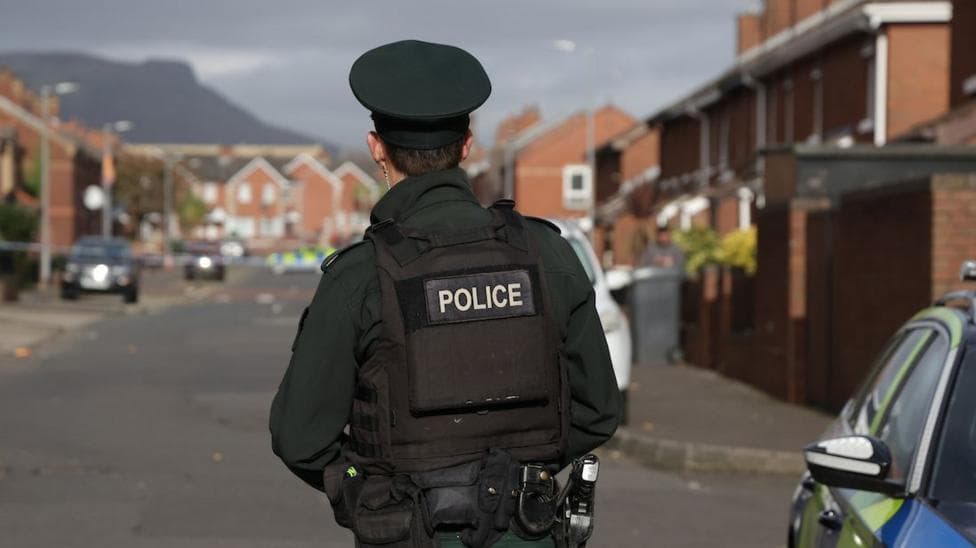
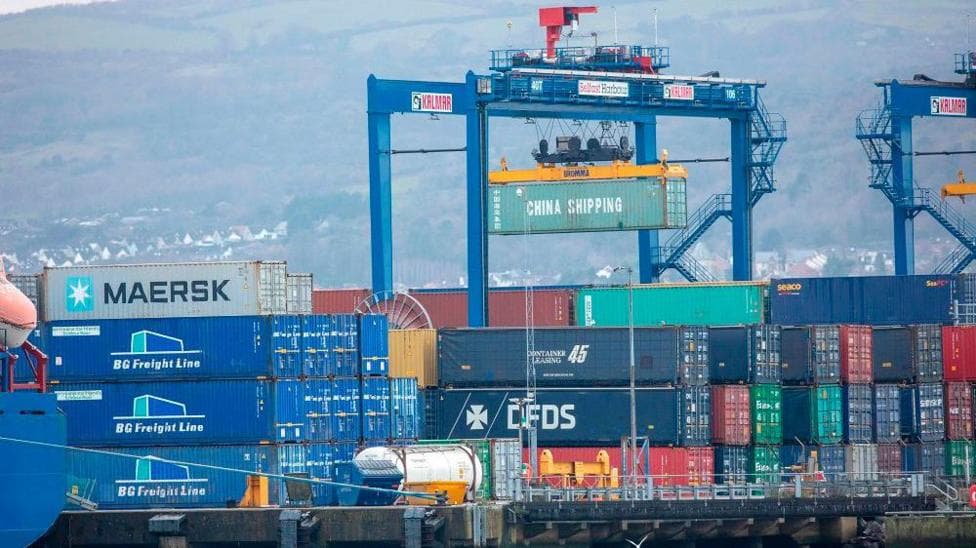
The Irish Sea border refers to the checks and controls imposed on goods entering Northern Ireland from the rest of the UK. This arrangement emerged from the initial Brexit deal agreed between the EU and UK in 2019, which was revised in 2023 and became known as the Windsor Framework.
The framework established that the most practical way to keep the border open between Northern Ireland and the Republic of Ireland after Brexit was for Northern Ireland to follow many EU laws governing goods regulation. Consequently, products coming from the rest of the UK into Northern Ireland must clear paperwork and other restrictions to ensure compliance with EU rules. Food products and plants face the most extensive bureaucratic requirements, and this continues to create difficulties for retailers.
The Windsor Framework was agreed after the DUP's Stormont boycott; the party returned to power-sharing in early 2024 following changes intended to reduce trade red tape and give the Assembly a scrutiny role.
For many nationalists in Northern Ireland, the border arrangement represents a necessary compromise to minimise Brexit's impact on the island of Ireland. For many unionists, it constitutes a constitutional violation that undermines Northern Ireland's position within the UK. The Democratic Unionist Party (DUP), the largest unionist party, prevented Northern Ireland's power-sharing government from operating between 2022 and 2024 in protest at the Irish Sea border.
How could an agri-food deal change things?
Trade agreements in agri-food fall broadly into two models: New Zealand-style or Swiss-style arrangements. Under the EU's New Zealand-style deal, each party recognises the other maintains high food standards, allowing the frequency of checks on products and paperwork to be reduced. New Zealand retains the ability to set its own standards, though a proportion of goods still face checks upon entering the EU.
Swiss-style agreements operate differently. There are no regulatory border controls for agri-food trade between Switzerland and the EU, but Switzerland achieved this by agreeing to follow EU rules almost entirely, with minimal input into how those rules are formulated. Switzerland is obliged to modify its laws in response to changes in EU legislation—a process known as dynamic alignment—and must accept oversight from the European Court of Justice. The UK and EU are now on the verge of finalising a Swiss-style deal.
Such an arrangement would effectively end the Irish Sea border controls on GB food products entering Northern Ireland. Border control posts built at Northern Ireland ports would become largely redundant, although pre-Brexit checks on livestock would continue. The 'Not for EU' labels currently seen on GB food products sold in Northern Ireland would no longer be needed. The UK would dynamically align with EU rules; precision breeding is cited as an area where rules have diverged.
What border processes would remain?
The Irish Sea border actually comprises two separate systems. One addresses product standards, ensuring goods can be legally sold. The other handles customs, verifying that correct tariffs have been paid. An agri-food deal would substantially remove the standards border but would leave the customs border untouched.
Businesses in GB would still be required to make customs declarations for goods destined for Northern Ireland, with the risk that shipments could be delayed if paperwork is incorrect. This means that while the deal would eliminate much of the regulatory friction, some administrative burden would persist.
What have traders said?
The President of the Ulster Farmers' Union, John McClenaghan, offered cautious support for the proposed UK-EU agreement.
Initially, we would be very welcoming of what we see in draft form at the minute. Now we do need to see more of the detail but certainly for some time now we've been calling out this higher level of bureaucracy and red tape which has been adding cost to our industry and that frictionless trade, particularly between east-west (GB to NI) trade. So very, very keen to see more of the detail but broadly speaking it sounds very positive.
Garden centres and plant importers in Northern Ireland have been particularly hard hit by post-Brexit restrictions in recent years. Robin Mercer, who runs the Hillmount chain of garden centre stores in counties Antrim and Down, described the proposed deal as transformative.
Honestly, all gardeners and plant suppliers are going to be so happy that, if we can get rid of all this red tape, it will be amazing. We can go back to the old days where you can bring in roses, you can bring in shrubs, you can bring in your sweet potatoes, without all the red tape and bring in the varieties you want.
What are the political objections?
Critics of the plan contend that in exchange for relaxed trade rules between GB and the EU, the UK government is committing to adhere to EU goods standards without any meaningful say in how those standards are established. Some unionist leaders object to this arrangement, and they also oppose the fact that Northern Ireland would continue to be treated differently from the rest of the UK.
DUP leader Gavin Robinson said the draft deal does not go far enough and shows a
lack of ambitionby the UK government, according to reporting on the agreement.
What happens next?
EU member-state representatives are scheduled to discuss the draft on 4 November 2026, ahead of the UK-EU summit planned for 20 November 2026. Implementation may be delayed until the first quarter of 2028, with a further six-month transition for some products; this differs from the government's stated intention of a mid-2027 start.