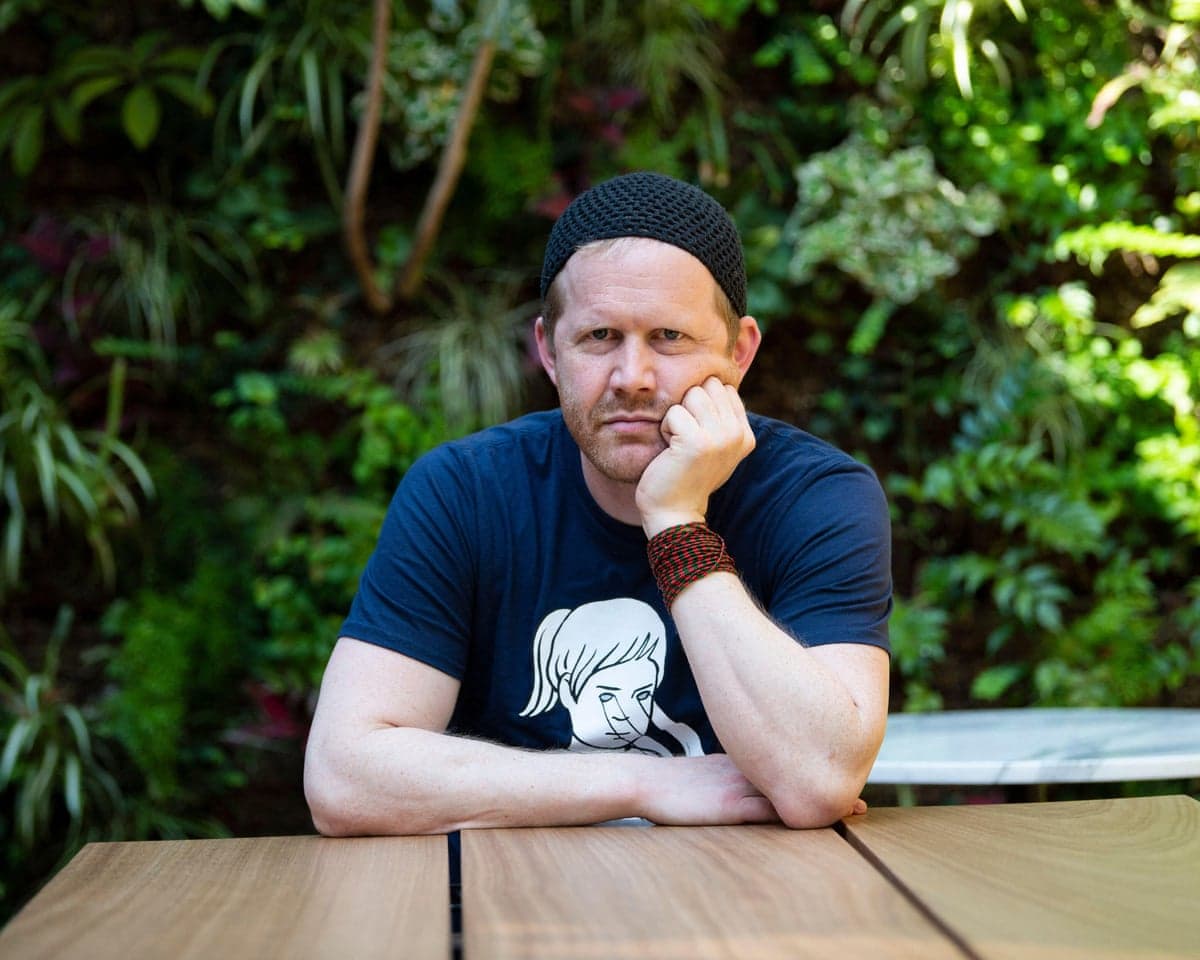
More than 900 academics have condemned the government's decision to prevent Swedish climate scholar Andreas Malm from entering the United Kingdom, describing the move as a fundamental breach of academic freedom and freedom of expression. According to The Guardian, Malm, author of How to Blow Up a Pipeline and a leading figure in climate research, was blocked by the Home Office after officials determined his presence "may not be considered to be conducive to the public good".
The Home Office's decision has triggered widespread concern among the academic community. The letter signed by scholars from over 250 institutions, including some of the world's most prestigious universities, warns that the exclusion sets a dangerous precedent.
The ability of scholars to travel, exchange ideas and participate in public debate – including on politically contentious issues – is fundamental to a free and democratic society. Excluding academics because of their political views or the topics they discuss sets a dangerous precedent and risks creating a chilling effect on academic and public discourse.
Why was Malm prevented from entering?
Malm, an associate professor at Lund University in Sweden, was scheduled to attend an academic conference on Wednesday, appear on the BBC, and take part in a public discussion organised by Tribune magazine alongside Huda Ammori, a co-founder of Palestine Action. The Home Office cancelled his electronic travel authorisation (ETA) without providing detailed reasons, but Malm believes the decision stems directly from his planned appearance with Ammori.
I cannot see any other explanation than the scheduled appearance of me on stage for a panel on Wednesday evening in London, together with Huda Ammori. That … makes me somehow a terrorist or associated with terrorism, and therefore barred from travelling to the UK. That's pretty scandalous.
According to Tribune magazine, lawyers have indicated that the cancellation of Malm's ETA effectively bars him from entry, despite the Home Office's assertion that he could apply for a standard visitor, transit or temporary work visa. Malm had previously visited the UK in May using an ETA and received no warning that it might be cancelled.
What is the broader context?
Palestine Action was proscribed by the UK government in July 2025. Although a Divisional Court later found the proscription unlawful on two grounds, the Court of Appeal reversed that ruling. The Supreme Court is now scheduled to hear Huda Ammori's challenge to the proscription on 4–5 November 2026, making the timing of Malm's exclusion particularly contentious.
Malm characterised the decision as part of a wider authoritarian trend.
This is just a very small part of a major trend: this drift into authoritarianism that is targeting the Palestine movement, the climate movement, and others who oppose the destructive forces that are in control of this world.
How has the publishing world responded?
Verso Books, Malm's publisher, expressed shock at the decision. According to Times Higher Education, the publisher stated that in its more than 55 years of operation, no British government had previously revoked one of its authors' right to enter the country.
What has the government said?
A Home Office spokesperson defended the decision, stating that cancelling or refusing an ETA can occur for multiple reasons, including concerns about public safety or the spread of extremism.
It is not a ban on coming to the UK. Those in this position can still apply for a visa, enabling further consideration of circumstances and suitability for entry to the UK.
What is the academic community's response?
The letter opposing the decision has attracted substantial support. Fabian Dablander, an assistant professor at the London School of Economics who initiated the letter, highlighted the strength of feeling within academia. The letter has been signed by more than 1,400 individuals from over 250 academic institutions worldwide. Dablander stated:
The letter quickly attracted hundreds of signatures, reflecting the academic community's deep concern about the threat this decision poses to academic freedom and the UK's reputation as a place for open intellectual debate.
What happens next?
Malm is set to address the Tribune event by video after being unable to travel to the UK, according to New Arab. The Supreme Court's hearing of Ammori's challenge to Palestine Action's proscription on 4–5 November 2026 will be a significant moment for both the legal status of the group and the broader questions about free expression and protest rights that Malm's case has raised.
Key Facts
- More than 1,400 academics from over 250 institutions have signed a letter opposing Malm's exclusion from the UK
- Malm's ETA was cancelled without detailed explanation, though he suspects it relates to his planned appearance with Palestine Action co-founder Huda Ammori
- The Home Office maintains that Malm can apply for a standard visa, though legal experts suggest the ETA cancellation effectively bars entry
- Verso Books stated that no British government had previously revoked one of its authors' entry rights in the publisher's 55-year history
- The Supreme Court is scheduled to hear Ammori's challenge to Palestine Action's proscription on 4–5 November 2026