An £18 million public inquiry into events at the Countess of Chester hospital and the crimes of Lucy Letby has concluded that systemic failures in hospital management and safeguarding allowed preventable deaths and attacks to continue, yet it deliberately avoided examining whether the criminal convictions themselves may rest on flawed foundations.
The decision by Lady Justice Kathryn Thirlwall not to pause proceedings or widen the inquiry's terms of reference means the 822-page report, published on 15 September 2026, does not engage with the central concern that has preoccupied many distinguished experts: whether Cheshire Constabulary and the Crown Prosecution Service may have arrived at an entirely wrong conclusion about how the babies died.
Just two months before Thirlwall opened her inquiry in 2023, a major report into the wrongful conviction of Andrew Malkinson for rape was published, highlighting what the author called the criminal justice system's "deep-seated" cultural reluctance to acknowledge that it produces miscarriages of justice. That report urged the legal establishment to recognise that "entirely innocent defendants will sometimes be convicted" and to remain vigilant to this risk in all decision-making.
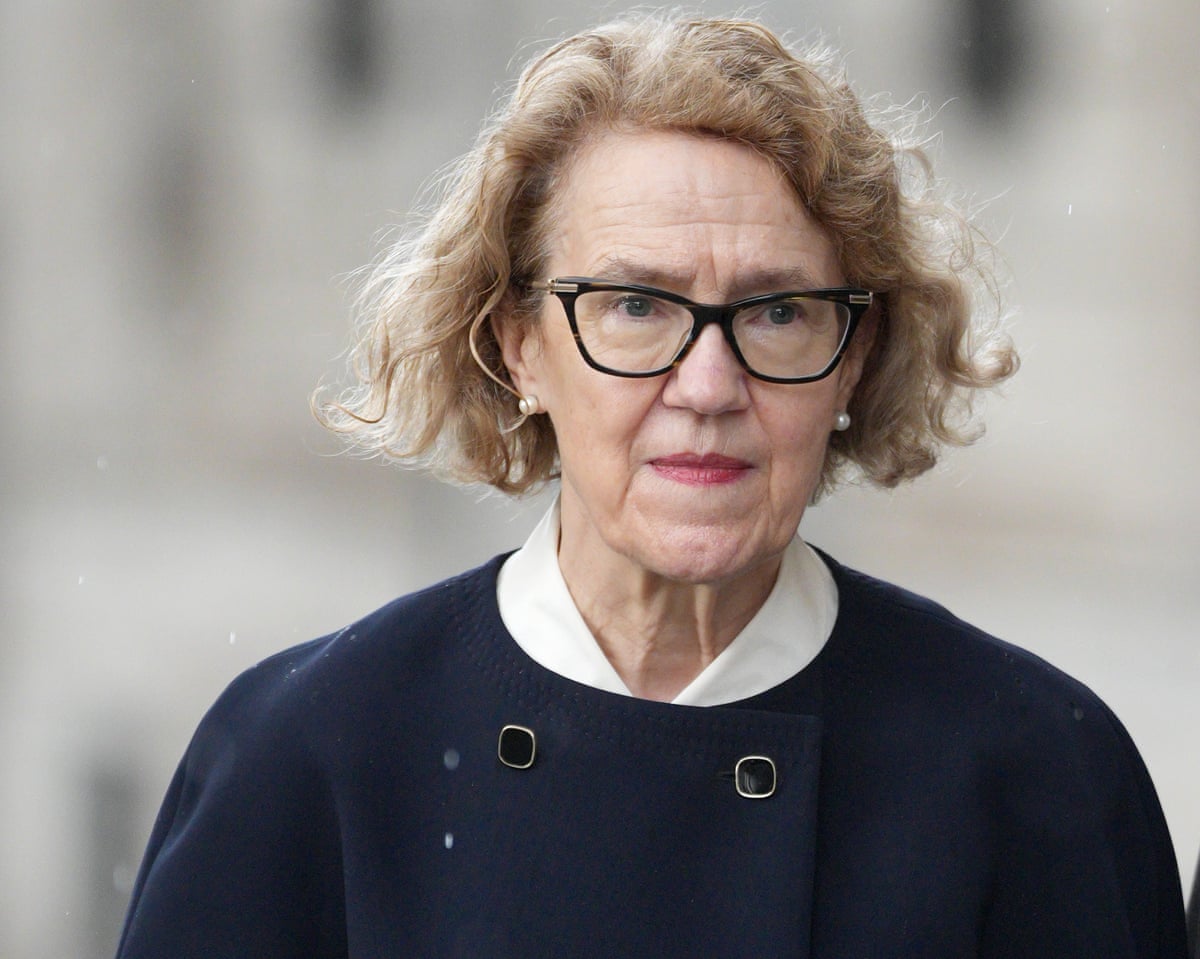
The Thirlwall inquiry was established by then health secretary Steve Barclay on the explicit basis that Letby was guilty of murdering seven babies and attempting to murder seven more at the neonatal unit. Its terms of reference were confined to examining whether hospital management's actions and culture "contributed to the failure to protect babies from Lucy Letby."
Before the inquiry began, 24 distinguished experts wrote to Wes Streeting, who became health secretary after Labour's 2024 general election victory, urging him to pause the inquiry or expand its remit to examine the possibility of a miscarriage of justice. Streeting declined to do so.
In her opening speech in September 2024, Thirlwall dismissed the criticisms of Letby's convictions as "a huge outpouring of comment" and "all of this noise" that had caused distress to bereaved parents.
"It's not for me to set about reviewing the convictions," she said. "The court of appeal has done that with a very clear result. The convictions stand."
What did the inquiry conclude about hospital management?
The central finding of the inquiry was that hospital managers failed to act on warnings about Letby from consultants and delayed calling the police. Thirlwall criticised "a prolonged delay by senior managers in calling the police" after two of three triplets, known as babies O and P at trial, died in June 2016. The inquiry found a "complete failure" in safeguarding and said parents were "kept in the dark" for years about what happened to their babies.
The report also identified "dysfunctional management and governance" and a "gulf" between hospital leadership and clinicians. The inquiry issued 14 recommendations, including the installation of baby monitors in cots and incubators, and NHS England has been urged to implement these recommendations by March 2027.

What evidence did the inquiry hear about the medical findings?
Thirlwall examined in exhaustive detail the actions taken by medical director Ian Harvey and his management colleagues when considering the deaths and collapses of babies on the unit. Postmortems carried out by three experienced consultant pathologists at Alder Hey, Liverpool's children's teaching hospital, found no deliberate harm or any suspicion of it. Harvey asked the Alder Hey pathologists to review their conclusions and they confirmed their original findings.
Harvey also arranged for the babies' deaths to be reviewed by consultant neonatologist Dr Jane Hawdon of London's Royal Free Hospital. She did not find any deliberate harm but identified many areas of "sub-optimal care" on the unit. Harvey invited a review by the Royal College of Paediatrics and Child Health, whose team concluded that the unit had insufficient consultants and inadequate consultant time was being spent on babies of such medical vulnerability, with only two ward rounds each week. The management subsequently downgraded the unit so that it would no longer care for babies born so prematurely.
Thirlwall concluded that none of these processes were adequate and that when consultants raised concerns about Letby, safeguarding should have been introduced immediately and police should have been called in earlier.
What concerns have experts raised about the convictions?
A large group of British and international experts, led by renowned Canadian neonatologist Dr Shoo Lee, has argued relentlessly that prosecution evidence was misrepresented and that the deaths resulted from natural causes affecting only vulnerable newborn and premature babies, combined with poor care on the unit. These experts submitted copious reports with Letby's application to the Criminal Cases Review Commission, the body responsible for referring potential miscarriages of justice back to the court of appeal.
Yet throughout the two years of inquiry proceedings and the £18 million spent on legal investigation, there was almost no moment in the gruelling sessions held in Liverpool town hall's ballroom that engaged with the fundamental question looming over the entire exercise: whether Cheshire Constabulary may have got the case catastrophically wrong. The inquiry was set from beginning to end not to consider the possibility that the police, CPS and courts might have made a mistake.
What remains unresolved?
The most significant gap left by the inquiry is the absence of any solid engagement with why the prosecution's experts came to such wholly different conclusions about the causes of death compared to all the experts who had examined the same medical evidence before the criminal trial. How and why did Cheshire Constabulary and the Crown Prosecution Service, and the doctors they recruited as expert witnesses, reach conclusions so fundamentally at odds with the findings of experienced pathologists, neonatologists and the Royal College of Paediatrics and Child Health?
The author of the Malkinson report wrote after that wrongful conviction: "Miscarriages of justice disfigure the lives of all connected to the case and make the public generally less safe." That warning appears particularly resonant given the scope of the Thirlwall inquiry and what it chose not to examine.
What happens next?
The Criminal Cases Review Commission is still considering Letby's case, which keeps the possibility of a further legal review alive. The commission's role is to refer potential miscarriases of justice back to the court of appeal, and it continues to examine the expert reports submitted with Letby's application. Meanwhile, NHS England faces a deadline to implement the inquiry's 14 recommendations by March 2027.