A second parish council is weighing whether to hold a symbolic independence referendum in response to government proposals to accommodate asylum seekers at a nearby Royal Air Force base. The move follows a similar vote in Oxfordshire, where residents sent a powerful message about their opposition to the scheme.
Residents of Piddington in Oxfordshire voted to become independent from the United Kingdom on 15 September in protest against plans to house asylum seekers at the former MoD Bicester site. According to reports of the referendum result, 285 votes were cast in favour of symbolic secession, with 26 against and one spoiled ballot, representing a turnout of nearly 92% in the village of approximately 350 people. The referendum explicitly asked residents to support Piddington "seeking to secede from the United Kingdom and pursuing self-determination," making the vote symbolic rather than legally binding.
Now, Barnham Parish Council in Suffolk is considering a similar approach. John Bauer, the chairman of Barnham Parish Council, stated that his village is exploring the possibility of holding its own vote. A delegation from the parish will travel to Piddington on Tuesday to meet with campaigners and learn from their experience.
It's really a fact-finding mission to find out a bit more about exactly what they've done, how effective it's all been and whether that's something we would want to do in Barnham.
Bauer expressed personal support for the idea, noting that Piddington had significantly raised its public profile through the referendum. He added that the council would assess whether a similar approach would be worthwhile for Barnham.
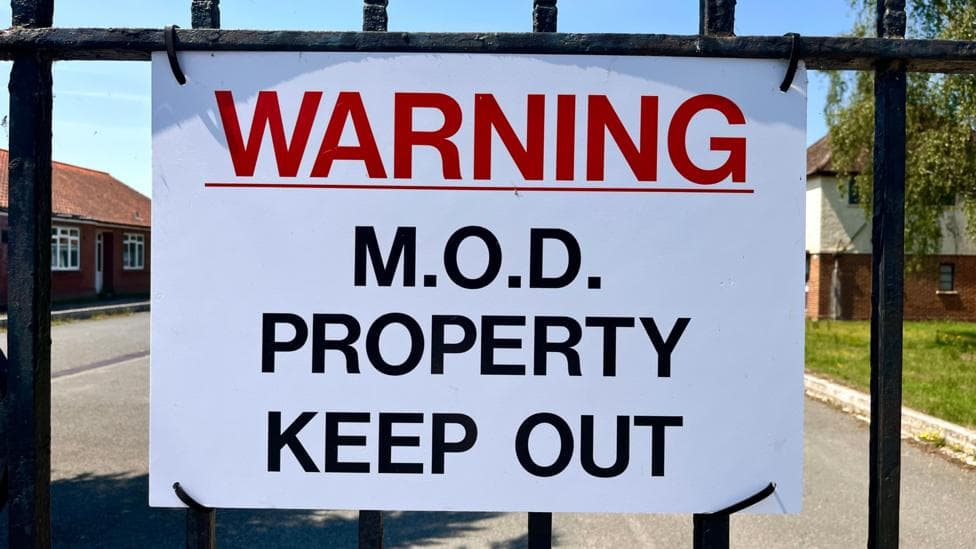
The underlying issue driving both communities' concerns is the government's plan to use former military sites for asylum accommodation. In June, the Home Office identified three Ministry of Defence locations as potential housing sites: Bicester in Oxfordshire, Barnham in Suffolk, and Linton-on-Ouse in North Yorkshire. The government has indicated it intends to house approximately 3,750 asylum seekers across these three facilities as part of its shift away from hotel-based accommodation.
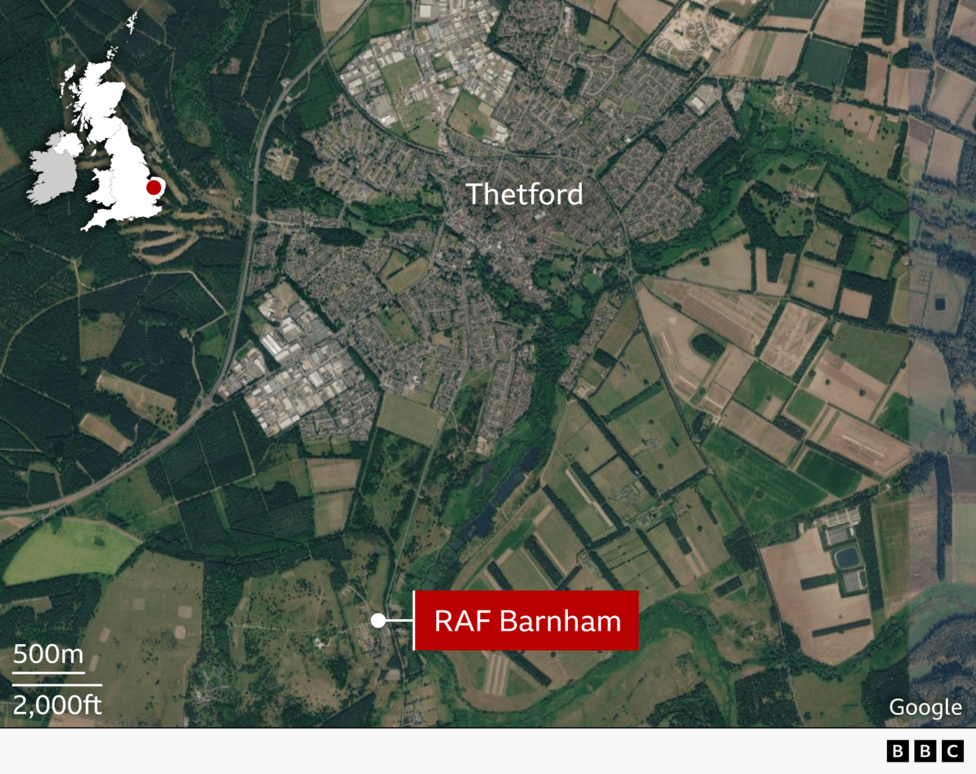
RAF Barnham, situated on the Norfolk-Suffolk border just south of Thetford, could accommodate approximately 1,250 male asylum seekers aged 18 to 65 if the plans proceed. The base, which opened during the early stages of World War Two, is currently owned by the MoD but is not actively used for military operations, though specialist police training takes place there.
What concerns do local communities have?
Bauer highlighted that the proposed number of asylum seekers would be starkly disproportionate to Barnham's existing population. According to the most recent census data, approximately 580 people live in the village, meaning the asylum seeker population would dwarf the current resident base. The council has also consulted with a charity supporting refugees, which raised concerns that housing men in a former military facility could prove psychologically traumatic for residents.

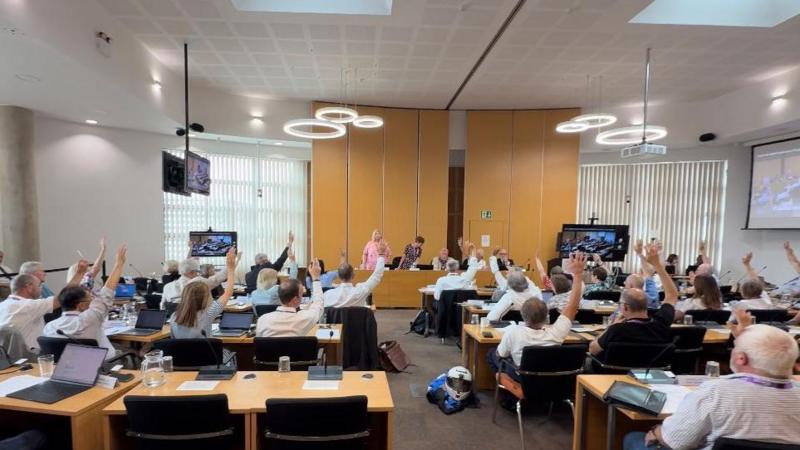
Opposition to the scheme is widespread across all levels of local government. Councillors from all parties on West Suffolk Council unanimously backed a motion declaring the site unsuitable for asylum seekers. Suffolk County Council and Barnham Parish Council have similarly expressed firm opposition.
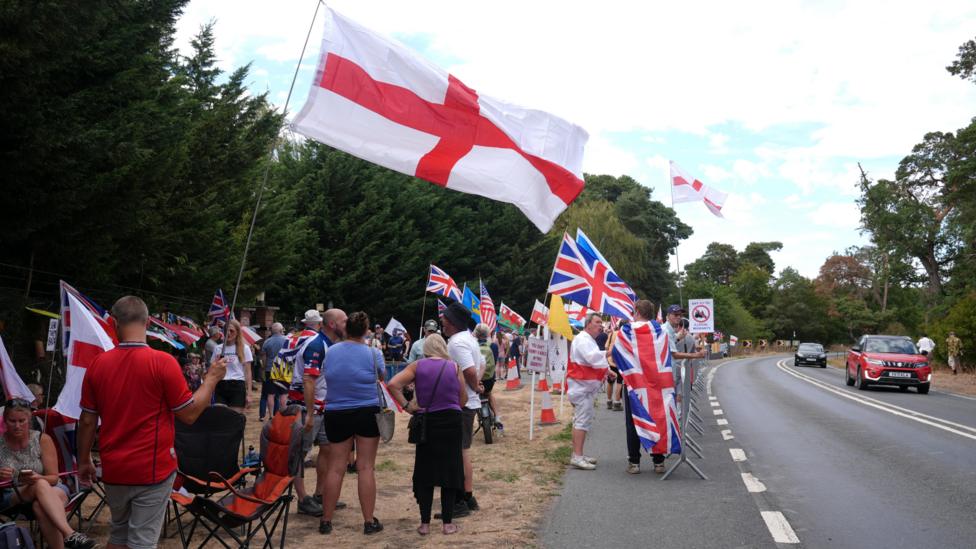
Regular protests, mostly peaceful in nature, have been taking place outside RAF Barnham. Local Labour MP Terry Jermy has raised concerns about security arrangements, particularly regarding whether residents would be free to leave the site. The Home Office has previously stated that security services will maintain a permanent presence and that those housed at the facility would not "end up living in the local community."
Why are symbolic votes being used as a protest tool?
The symbolic independence referendums represent a new form of protest against government policy. While such votes carry no legal force, they serve as a visible demonstration of community sentiment. Piddington's overwhelming 91% vote in favour of independence has been interpreted as a dramatic way to capture ministerial attention and signal the depth of local feeling on the issue.
Residents in communities near these proposed camps have engaged in extensive advocacy efforts, including large-scale protests, public meetings, and correspondence with government ministers. However, growing frustration has emerged that these conventional channels have not produced the desired response. The symbolic referendum approach offers a novel method of making the government take notice of local opposition.
The government has characterised the military bases as temporary measures and pointed to falling asylum seeker boat crossings and rising deportation numbers as evidence of progress. However, communities living near these facilities—which are typically located in rural areas—express concerns about potential impacts on their neighbourhoods, including worries about personal safety and anti-social behaviour, despite official figures suggesting such incidents remain minimal.
What happens next?
The Home Office planning application for the Bicester site was in its representation period, with the deadline set for 17 September. Oxfordshire County Council has indicated that a final decision on whether to use Bicester Garrison for migrant housing has not yet been taken. Barnham Parish Council's delegation will meet with Piddington campaigners this week to determine whether pursuing a similar referendum would be an effective course of action for their community.
Key Facts
- RAF Barnham could house up to 1,250 male asylum seekers aged 18–65 under government proposals announced in June
- Piddington residents voted 285–26 on 15 September to symbolically leave the UK in protest at plans to house 1,256 asylum seekers at nearby MoD Bicester, with a turnout of nearly 92%
- Barnham Parish Council, West Suffolk Council, and Suffolk County Council all unanimously oppose the asylum housing plans
- The government is using former military sites to reduce reliance on costly hotel accommodation for asylum seekers
- Barnham's population of approximately 580 residents would be vastly outnumbered by the proposed 1,250 asylum seekers