

Three consumers have described how they fell into unwanted subscription charges and the steps they took to secure refunds, as pressure grows on the government to tighten rules around free trials and auto-renewals. Sophie Branscombe, Hussein Zaaiter and Rosalinda Kwafo-Akoto each signed up for free trials that turned into unexpected payments, but all three eventually recovered their money after contacting either the company, their bank or the app store directly.
Their experiences come amid Prime Minister Andy Burnham's ongoing push to clamp down on so-called subscription traps, where customers are charged after forgetting to cancel a free trial or struggle to end a contract once it has started.
How did a photo app trial lead to an £89.99 charge?
Sophie Branscombe, 23, from Wirral, signed up for a free trial of a photo editing app before noticing a payment of £89.99 leaving her bank account.
"It was a free trial, and they did make it clear I was signing up to a subscription, but there was no reminder of when [the free period] would end," she says.
She says she was unable to secure a refund directly from the company, so instead used Apple's "report a problem" feature, which resulted in the full amount being returned. Apple's own support guidance confirms that users can select the app or subscription in question and submit a refund request through this system, according to Apple's support pages. A national broadcaster's report says it has asked the company involved for a response.
Sophie's advice to others is to set reminders as soon as they to a subscription, so they know exactly when a free trial is due to end.
"Make it a habit of checking what subscriptions run out and if you also find that you don't like something after signing up to a free trial, cancel straight away," she says.
Why was cancelling a software trial "near impossible"?
Hussein Zaaiter, 21, from West London, had been using a free software trial for university work when he tried to cancel and ran into repeated obstacles.
"I tried online chat, email and even the phone at one point as they were constantly charging me," he says.
He says £16 was taken from his account, followed by a further £32, before he froze his card to stop additional payments. He says the company attempted to charge him seven times in total.
"I felt like it was marketed as a free trial that was easy to cancel. It was difficult to contact them, and the cancellation was near impossible," he says.
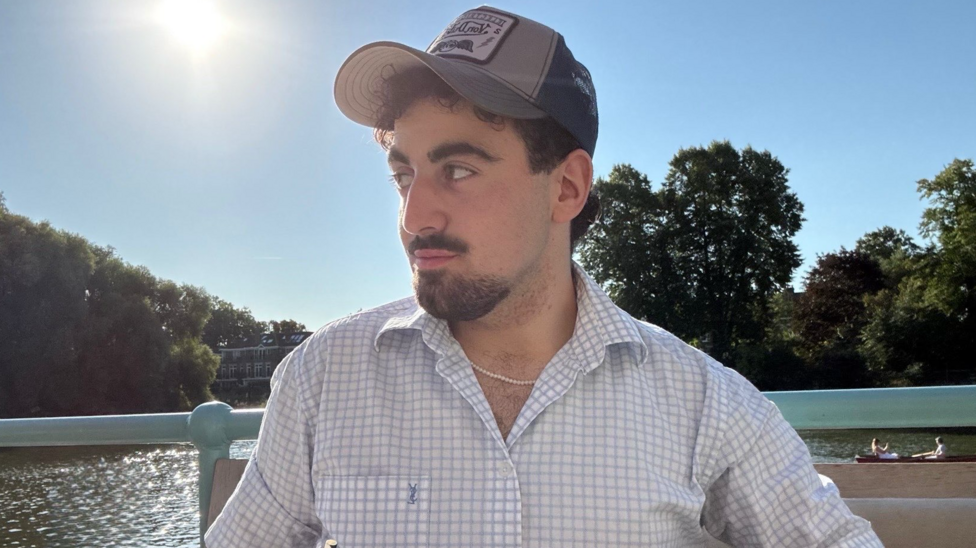
Hussein contacted his bank to explain the situation in the hope of being reimbursed. His advice to others is to read the terms and conditions carefully and exercise caution before starting any subscription. A national broadcaster's report says it has contacted the firm for a response.

Why shouldn't you assume a trial will cancel itself?
Rosalinda Kwafo-Akoto, 22, from the West Midlands, signed up for a one-week free television trial that would convert into a £9.99-a-month subscription once the trial period ended.
"I remembered before the end of the week that the trial was ending and tried to cancel it so I wouldn't be charged," she says.
She says she could not locate the subscription anywhere in her account and assumed it had automatically lapsed and been removed. A week later, she realised money had in fact been taken from her account.
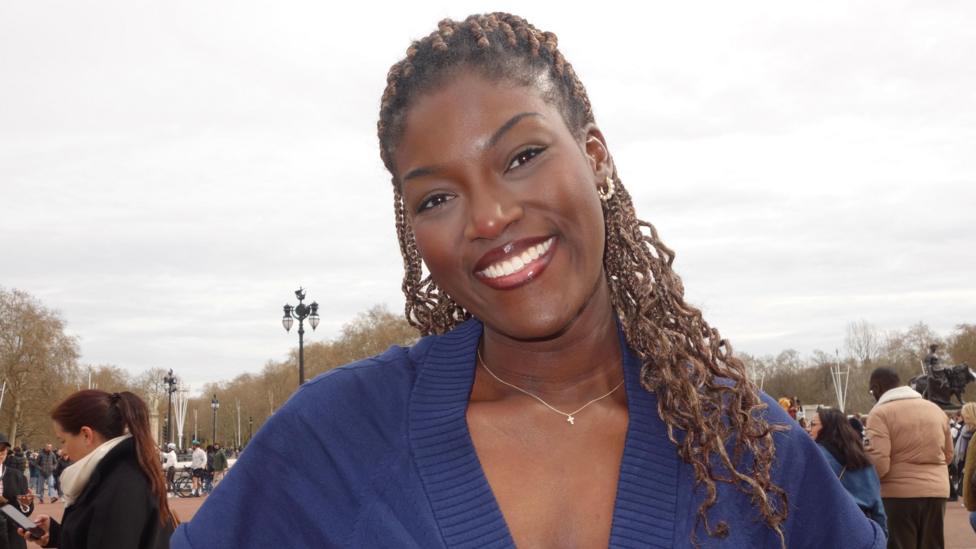
She says it took an hour and a half on the phone to reach customer service and locate the subscription before she was able to cancel it and receive a full refund.
"These companies make it as difficult as possible for you to cancel so make sure you get a confirmation email of your cancellation," she says.
A national broadcaster's report says it has contacted the firm involved for a response.
How does this connect to the wider crackdown on subscription traps?
These cases echo wider concerns raised in earlier reporting, in which consumers described similar unexpected charges and cancellation struggles, with new government rules aimed at simplifying cancellations estimated to save households around £170 a year per person. Andy Burnham has since moved to fast-track new protections against subscription traps and fake discount pricing, with measures expected by January 2027 alongside a consultation on misleading prices this autumn. However, some readers have questioned whether these reforms go far enough to address the broader cost of living pressures many households face.
What extra protections has the government now announced?
According to the UK government, new measures will require companies to send reminders before free trials end and will introduce a 14-day cancellation window after a subscription auto-renews or a long-term contract begins. A follow-up report from a national broadcaster says the changes are designed to make it easier for customers to cancel subscriptions and to ensure they receive reminders ahead of renewal dates, according to that broadcaster's coverage.
What rights do consumers already have when cancelling?
Separately from the new proposals, Citizens Advice notes that online, phone and mail-order services already come with a legal 14-day cooling-off period, which can allow customers to cancel certain subscriptions without penalty, according to Citizens Advice guidance. Government consumer guidance also states that businesses should clearly explain how they have calculated any amount they retain or charge when a customer cancels a contract, according to official GOV.UK consumer advice. Android users facing similar issues can pursue a comparable process to Sophie's, as Google Play also operates a formal refund flow through its payments and subscriptions section, according to Google Play's support guidance.
What happens next?
The government's subscription-trap reforms are expected to progress through the implementation of the newly announced measures, including mandatory reminders before trials end and post-renewal cancellation rights, according to the government's announcement. In the meantime, consumer advice bodies continue to recommend keeping written records of cancellation attempts and disputing any charges that continue after a subscription has been cancelled.
Key Facts
- Sophie Branscombe, 23, was refunded £89.99 via Apple's "report a problem" feature after a photo app free trial converted to a paid subscription.
- Hussein Zaaiter, 21, says a software company attempted to charge him seven times after he tried to cancel a free trial.
- Rosalinda Kwafo-Akoto, 22, spent an hour and a half on the phone before cancelling a TV subscription and receiving a full refund.
- New UK government measures will require reminders before free trials end and a 14-day cancellation window after auto-renewal.
- Existing UK consumer law already provides a 14-day cooling-off period for many online, phone and mail-order subscriptions.


