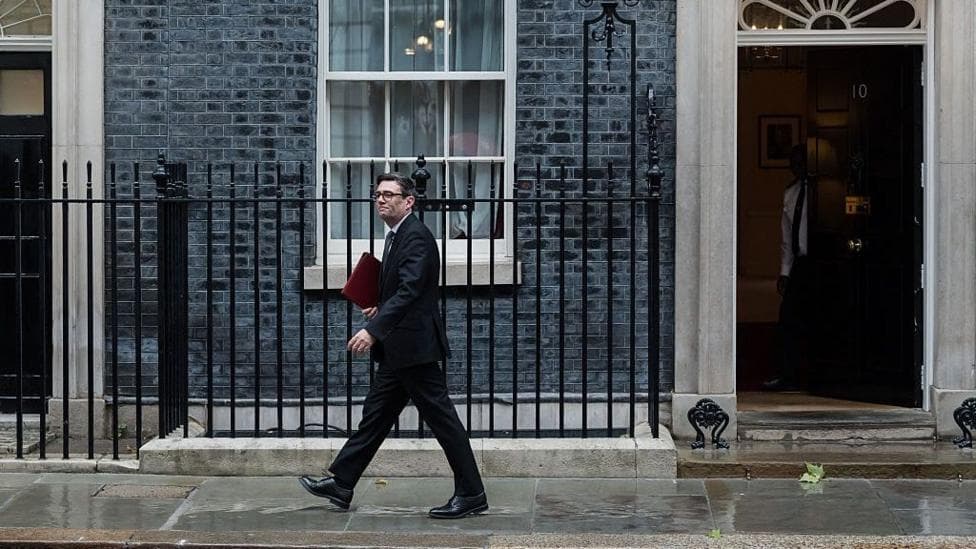
Senior figures within Sir Keir Starmer's administration disclosed that the government examined the possibility of moving operations out of 10 Downing Street due to concerns about its functionality as a modern workplace, according to BBC News. James Lyons, who held the position of director of communications under Sir Keir, revealed over the weekend that relocating was among the options considered during his tenure. Two additional senior officials confirmed that preliminary discussions took place regarding the transfer of staff to an open-plan office environment within another government building.
The discussions centred on identifying alternative accommodation that would foster greater collaboration among government workers. One source identified a space within the Foreign Office building, situated a short walk from Downing Street, as a potential location. However, both sources emphasised that these conversations remained at an exploratory stage, and there is no evidence that Sir Keir himself was involved in the deliberations. The plan would not have affected the prime minister's residential arrangements at Number 10.
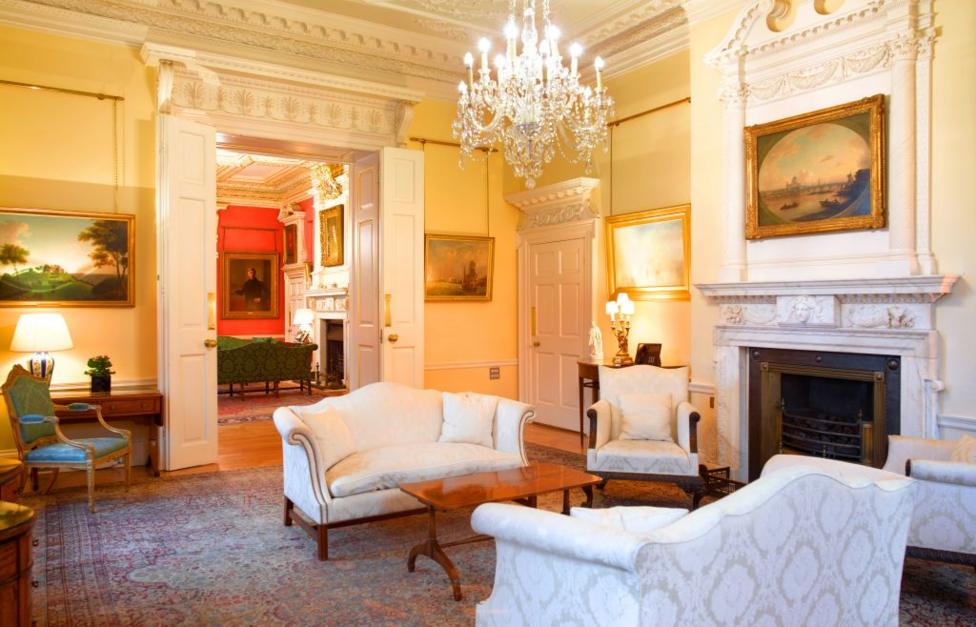
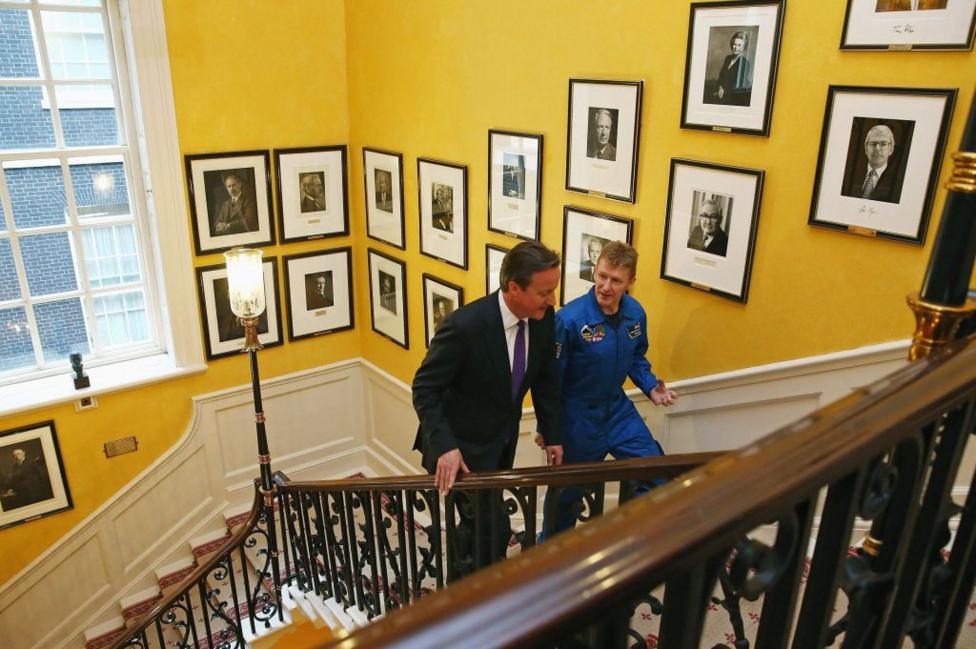
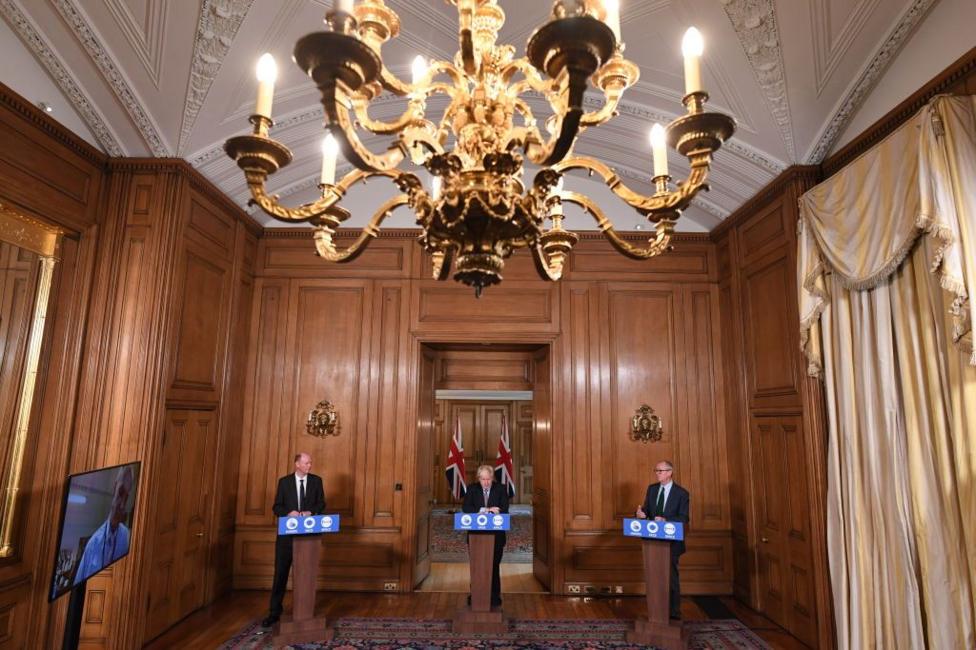
The concerns about Downing Street's suitability reflect longstanding frustrations among ministers and officials across successive administrations. The building, constructed over three centuries and comprising an amalgamation of three separate houses containing more than 100 rooms, has been the subject of criticism regarding its layout and functionality. The structure was granted to Robert Walpole, regarded as Britain's first prime minister, by King George III in 1732.
Lord Walker, chief executive of supermarket chain Iceland and a former adviser to Sir Keir, articulated these concerns publicly in an interview with the Financial Times on Friday. He characterised Number 10 as no longer fit for contemporary government operations, stating that
"I think we should turn it into residences, or a museum. It's a national treasure. It's amazing. But it's ridiculous. It's just a Stuart-era building, not fit for purpose. It has tiny, tiny meeting rooms, all on different levels. There are hazards."
Lyons endorsed Walker's assessment on LinkedIn, declaring that
"Lord Walker is 100% right"and describing the building as a
"gloomy, mice-infested, bomb-curtained rabbit warren."He elaborated that staff members harboured significant dissatisfaction with their working environment compared to other government departments.
What were the specific workplace issues?
The physical constraints of Downing Street have created genuine operational difficulties. According to Politico, between 250 and 300 people work at Downing Street, encompassing policy staff, security personnel, catering workers and custodial employees. The policy unit occupies the second floor, while digital and strategy teams are situated in the basement. Officials have also reported poor phone signal and insufficient space, with some offices converted from former bedrooms or pantries.
One source explained that the rationale behind the relocation discussions was substantive, noting that the alternative arrangement was "about staff being open plan and able to collaborate." The proposed move to the Foreign, Commonwealth and Development Office would have created a more integrated working environment designed to break down departmental silos.
How does this reflect broader government reform efforts?
Sir Keir's frustration with Whitehall's capacity to implement change became increasingly evident during his premiership. He publicly criticised the civil service, stating that "too many people in Whitehall are comfortable in the tepid bath of managed decline." Darren Jones, who served as chief secretary to the Treasury under Sir Keir, took this critique further, telling MPs last week that he "tried to abolish the Cabinet Office three times but failed." Jones proposed replacing it with a new integrated department that would "abolish those barriers and walls and make them just one integrated team, focusing on the same things and really supporting each other to move it forward."
Jones has since expanded on these concerns, arguing that
"No. 10 should be used only for Cabinet meetings and visiting dignitaries"and characterising the current arrangement of running government from a 1680s townhouse as
"mad."
What structural challenges has Downing Street faced historically?
The building's difficulties are not new. In 1957, an independent committee identified serious structural problems at Downing Street, including water-damaged and crumbling timber foundations. Major reconstruction work subsequently took place, with Prime Minister Harold Macmillan returning to the building in September 1963. More recently, a 2005 proposal known as Project George envisioned a comprehensive redevelopment of Number 10 and adjacent buildings, but the scheme was ultimately shelved.
What has the current administration done in response?
Following Sir Keir's departure, Andy Burnham established the Office for the Prime Minister and Cabinet, a structural reorganisation intended to enhance the effectiveness of government decision-making. This new office consolidates Number 10, Number 10 North and key components of the Cabinet Office under the leadership of Dame Antonia Romeo, the UK's most senior civil servant. The government has stated that the new office will "ensure the centre of government is focused on our top strategic priorities."
The creation of Number 10 North represents a significant shift in how government operations are organised. Senior ministers close to Burnham are expected to work regularly from No 10 North in Manchester, with Heron House serving as the initial base while plans for a broader civil service hub continue. Additionally, Whitehall officials are being offered relocation packages to move to Manchester as the new No 10 North branch opens, with a long-term base planned for a Digital Campus due to finish in 2032.
Those close to Burnham indicate that he has not yet formed a definitive view on whether Downing Street remains adequate as a workplace for contemporary government operations.