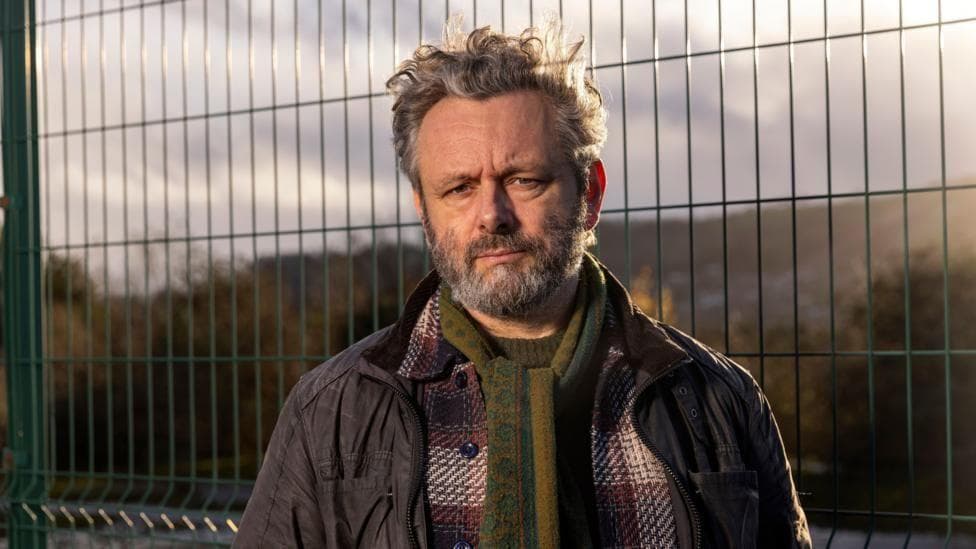
Hollywood actor Michael Sheen has described his meeting with Welsh First Minister Rhun ap Iorwerth as "constructive" and "really encouraging", marking a significant shift after the politician initially declined to meet before the actor's documentary on toxic chemical contamination aired in August 2026.
The meeting represents progress on addressing the toxic dumping claims explored in Buried with Michael Sheen, which investigated chemical pollution across 14 sites in Wales and England. Sheen said on Thursday that discussions focused on how to move forward on the issues raised by the investigation.
Speaking on Instagram, Sheen explained:
"I've just come from a meeting with the first minister. Talking about how we can move forward and address all the issues that Buried raised around the toxic dumping, and that was really constructive. So early days but that's really encouraging."
The documentary examined decades of warnings from farming consultant and campaigner Douglas Gowan, who died before the series was completed. Sheen worked with investigative journalists Lucy Taylor and Dan Ashby, who had inherited Gowan's extensive documents and research, to test soil at suspected dumping sites linked to chemical giant Monsanto.
The investigation found elevated levels of polychlorinated biphenyls (PCBs)—cancer-causing chemicals—at 13 of the 14 sites tested. PCBs persist in the environment and accumulate in human tissue, posing long-term health risks to nearby communities.
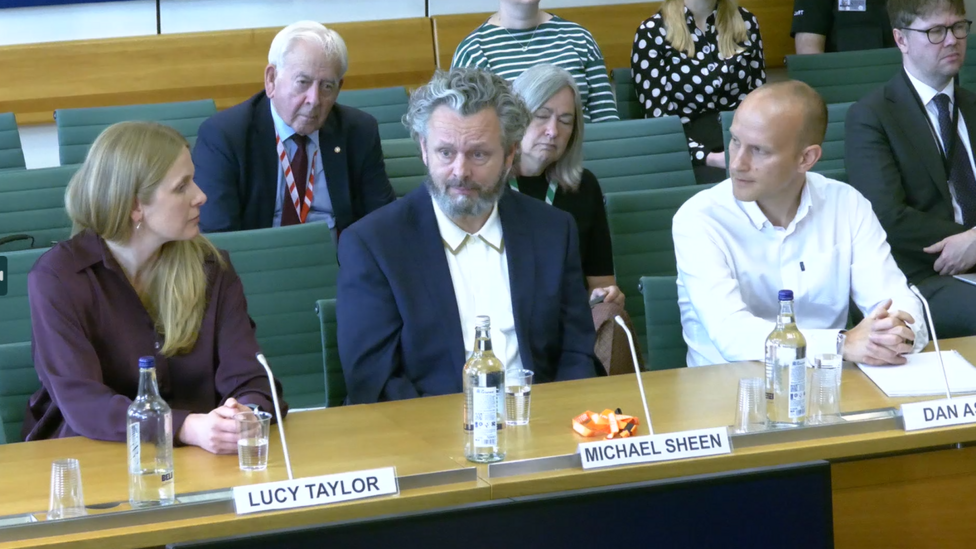
In the week before his meeting with the first minister, Sheen appeared before the Welsh Affairs Committee in Parliament, urging MPs to establish a national testing programme for historic toxic dumps to ensure sites were safe. Following that evidence session on 10 September 2026, the committee wrote to Stephen Kinnock demanding immediate testing at suspected dump sites in Wrexham.
Committee chair Ruth Jones highlighted that the evidence showed contamination risk is not limited to old mines but may also involve PCBs dumped at numerous sites across Wales and England. The documentary's investigation drew particular attention to the Llwyneinion Acid Tar Lagoon in Wrexham as an example of industrial pollution.
How did residents become exposed to these chemicals?
Susan Smith, who worked at the Monsanto facility in Wrexham, described inadequate safety practices during her time there as a secretary. She spent most of her four-year employment in the telex office next to the warehouse, where she handled delivery notes and instructions sent between Monsanto offices.

"We had a small glass hatch that the instructions would be passed through and it was never closed because people were passing things through so often. As a result dust and powders and all sorts would blow through and coat the desks, the paper, even our sandwiches."
Smith received no safety briefing, protective clothing, or information about potential hazards. Office staff were unaware they were at risk from chemical exposure. She worked there temporarily on three separate occasions, including a stint to address a failing system.
What health concerns have emerged?
Susan and her husband Geraint have lived in their home for 53 years, separated from the decommissioned Ruabon chemical works only by a thin tree line. Both have experienced serious health issues: Geraint was diagnosed with prostate cancer 13 years ago and later developed skin cancer, while Susan developed breast cancer at age 38.
Although they acknowledge uncertainty about whether Monsanto was directly responsible, the documentary has prompted them to question the factory's possible impact on their family's health. When the documentary team tested Susan's blood, PCB levels were not classified as high, but the absence of a safe exposure threshold for PCBs and the lack of accountability from Eastman—the US company that now owns the former Monsanto operation—has left them with unanswered questions.
The couple have joined the Monsanto Contamination Action Group, established for residents in Wrexham living in communities affected by historic industrial waste dumping.
What is the broader scale of contamination?
The Sheen documentary reveals only a fraction of Britain's contamination crisis. Experts estimate that 20,000 high-concern contaminated sites may exist across the country, suggesting the problem extends far beyond the 14 sites examined in the investigation.
Eastman was approached for comment on the allegations but did not respond.
What happens next?
MPs have demanded urgent testing of contaminated sites, with the Welsh Affairs Committee's letter to Stephen Kinnock indicating follow-up action is now expected. The committee's next decision will likely concern whether to push for a national testing programme for historic toxic dumps, the policy Sheen urged MPs to back during his parliamentary appearance.
Key Facts
- The BBC documentary Buried with Michael Sheen tested 14 sites in Wales and north west England, finding elevated PCB levels at all but one
- PCBs are persistent, cancer-causing chemicals that accumulate in human tissue and have no safe exposure level
- The Welsh Affairs Committee has demanded urgent testing at suspected dump sites in Wrexham following Sheen's evidence
- Experts estimate 20,000 high-concern contaminated sites may exist across Britain, far exceeding the sites examined in the documentary
- The Monsanto Contamination Action Group has been established to support affected residents in Wrexham