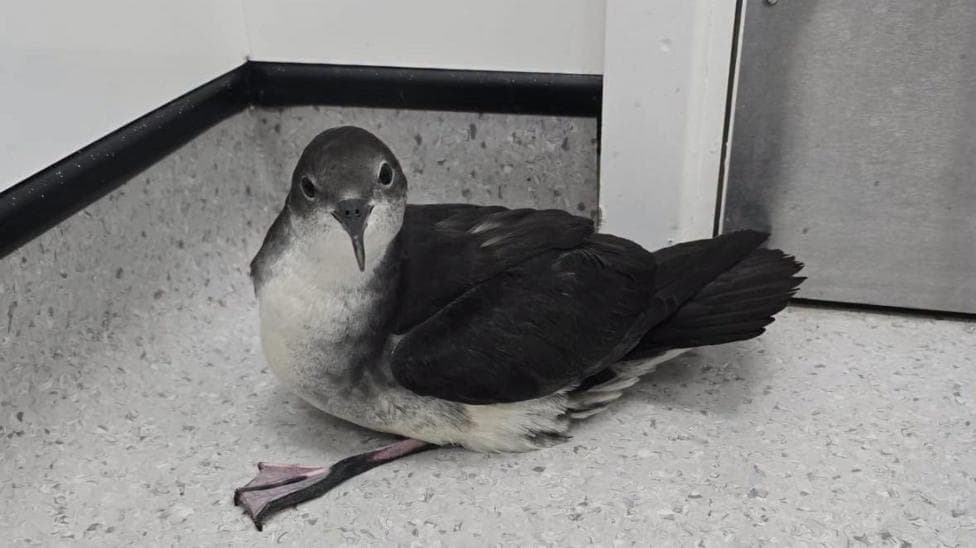
A Manx shearwater has become the second seabird in twelve months to turn up in Herefordshire after being swept approximately 109 miles (175 kilometres) off course from the Welsh coast.
The bird's unexpected arrival follows the discovery of a puffin, also believed to have originated from Skomer Island, in a garden near Stoke Lacy a year earlier.
Elliot Goodwin, a veterinarian at Vets for Pets in Hereford, characterised the Manx shearwater as a
"remarkable species"and attributed its presence in the county to inexperience combined with powerful south-westerly winds. He indicated the bird was probably a young individual that had made a navigational error upon departing its nesting burrow, most likely originating from Skomer Island.
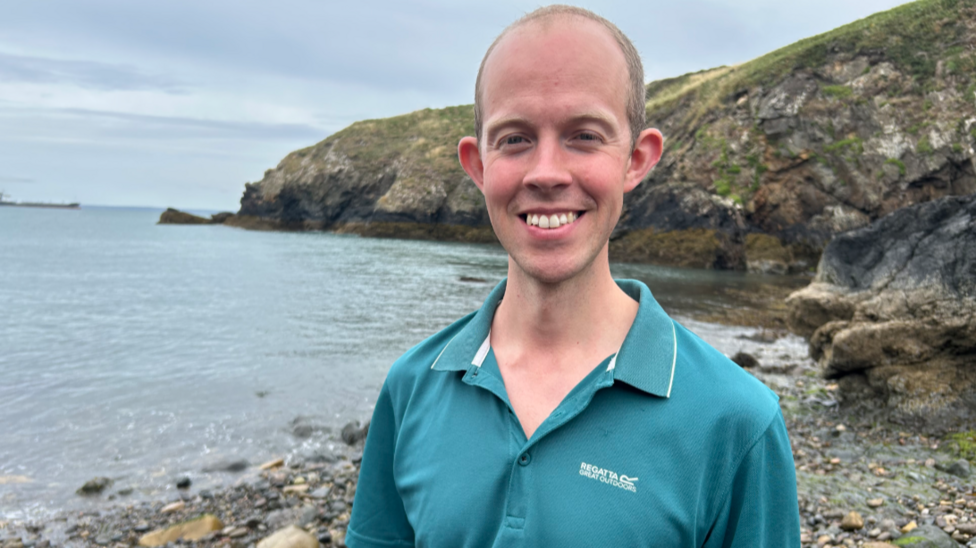
Skomer Island hosts the world's largest Manx shearwater colony, with approximately 350,000 breeding pairs returning annually. The species undertakes remarkable migratory journeys of around 6,000 miles to South America, yet Goodwin explained that despite their extraordinary navigational abilities over ocean expanses, these birds struggle when displaced inland.
"They make use of the wind that skips across the surface of the sea,"Goodwin noted.
"They tire very quickly over land."Manx shearwaters are fundamentally adapted to maritime existence and lack the capabilities to navigate around trees and buildings effectively, making inland locations particularly hazardous for them.

How was the bird treated?
The stranded Manx shearwater was brought to Vets for Pets after being discovered in Bobblestock, near Leominster. Staff at the practice described it as a bird that "should never be found inland". By 15 September 2026, the veterinary team had tube-fed the bird, conducted a thorough physical examination, and confirmed it was in good health.
The practice reported having "everything crossed" for a release back to the sea following the assessment, which showed the bird's weight was within acceptable parameters. Unlike Oona the puffin found the previous year, this Manx shearwater sustained no injuries during its ordeal.
When will the bird be released?
Vets for Pets anticipated releasing the bird back to the sea on Tuesday, 16 September 2026, provided final health checks continued to show positive results. The return to its natural maritime habitat represented the best prospect for the bird's survival, given its specialised adaptation to ocean life.
Why are seabirds appearing inland?
Skomer Island's Manx shearwaters are present primarily from April through August, with September operating on a reduced schedule, meaning the timing of this bird's displacement coincided with the tail end of the breeding season. Young, inexperienced birds departing their nesting burrows for the first time are particularly vulnerable to being blown off course by severe weather systems, especially when strong winds push them away from their intended flight paths over the sea.
The appearance of two seabirds from the same Welsh colony within a single year suggests that weather patterns and breeding cycles may occasionally conspire to displace young birds far inland, though such occurrences remain uncommon enough to warrant attention from local wildlife specialists.
Key Facts
- The Manx shearwater was found in Bobblestock, near Leominster, approximately 109 miles from Skomer Island
- This marks the second seabird from Skomer Island discovered in Herefordshire within twelve months, following a puffin in 2025
- The bird was assessed and treated at Vets for Pets before being scheduled for release back to the Welsh coast on 16 September 2026
- Manx shearwaters undertake annual migrations of around 6,000 miles to South America but are poorly equipped to survive inland environments
- Skomer Island supports approximately 350,000 breeding pairs of Manx shearwaters, the largest colony of the species globally