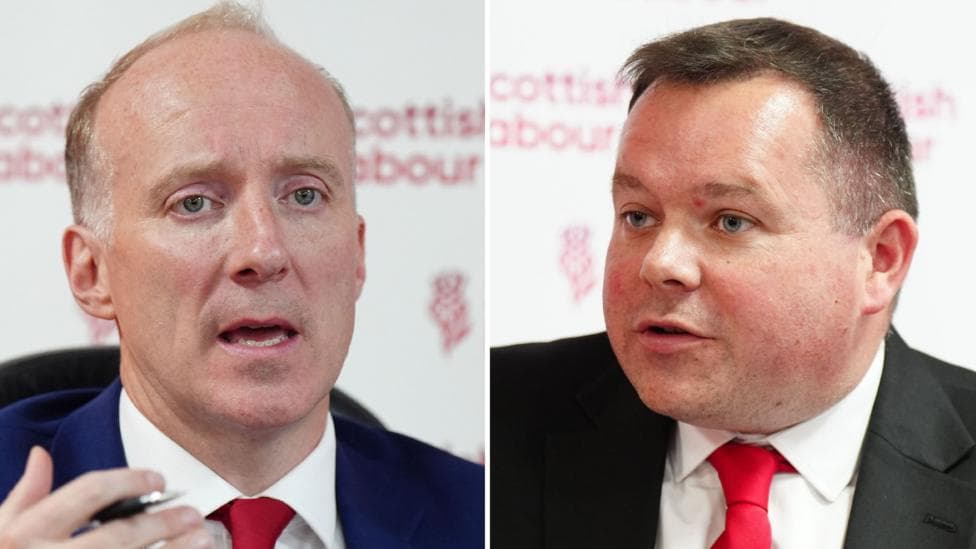
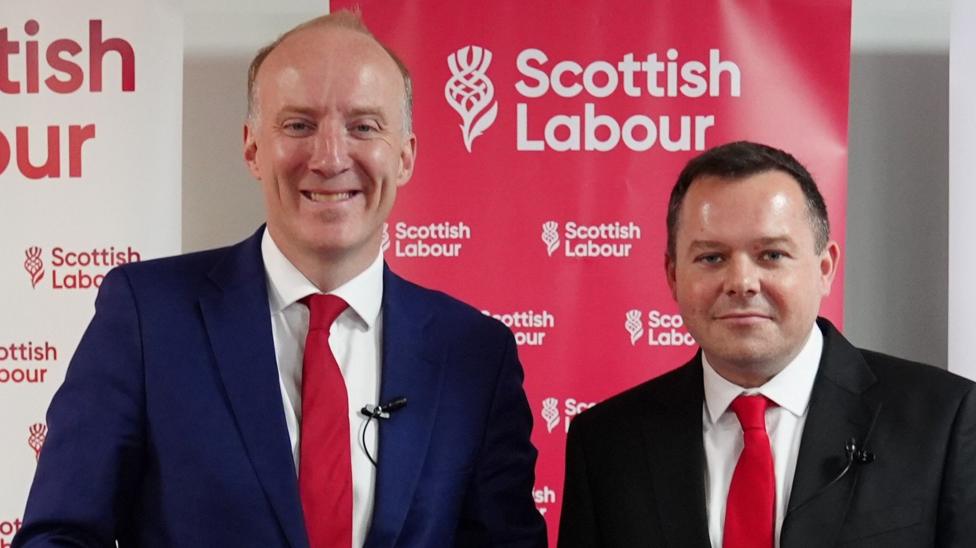
Michael Marra and Joe Fagan are the final two contenders in the Scottish Labour leadership race, with the winner set to be announced on 19 September 2026 at an event in Edinburgh. The victor will take charge of a party that suffered its worst result in the May 2026 Scottish Parliament election, inheriting a group of just 17 MSPs and a membership that has dwindled to approximately 11,000 members.
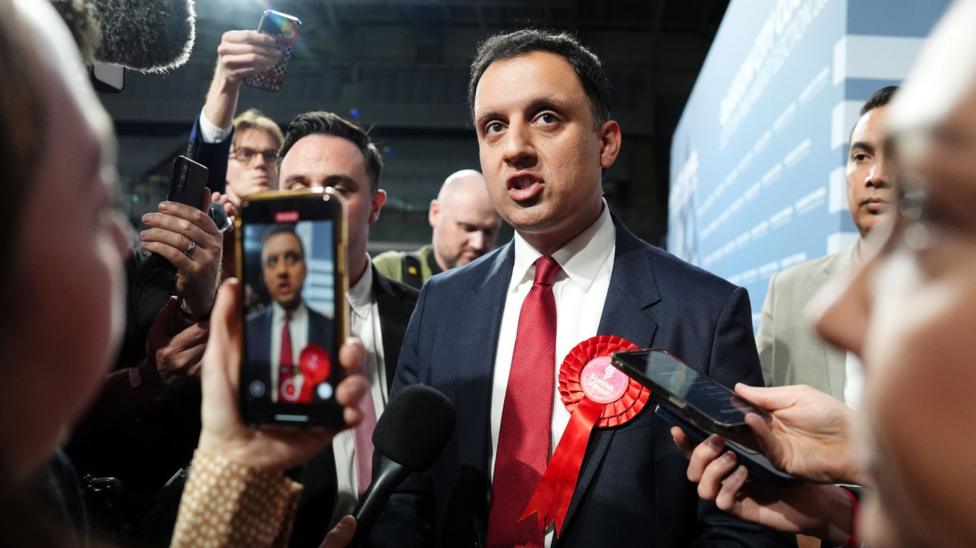
The incoming leader will find themselves heading the joint second-largest party at Holyrood, level with Reform UK but trailing significantly behind the Scottish National Party. This represents a dramatic reversal of fortunes for a party that once dominated Scottish politics. The previous leader, Anas Sarwar, fell well short of his ambition to become First Minister and subsequently accepted a position in the House of Lords after the election.
There is an old saying about someone asking for directions, only to be told: "Well, if I were you, I wouldn't start from here." That sentiment captures the challenge facing whoever emerges victorious from this contest. The new leader will inherit a party struggling for relevance and visibility in Scottish politics.
What are the main obstacles ahead?
Pollster Mark Diffley has identified the party's loss of political relevance as the most significant hurdle facing the incoming leader.
The party has become a bit of an irrelevance, and I think that is the biggest hurdle that they face going forward. The vast majority of people don't really know either of the candidates and, worryingly for them, don't know that the contest is going on.
Diffley outlined three core priorities for the winner: regaining political relevance, building a constructive relationship with Prime Minister Andy Burnham (who currently enjoys strong support in Scotland), and articulating compelling policy proposals that resonate with voters.
Senior figures within Scottish Labour have acknowledged the scale of the task ahead. One party insider characterised the situation bluntly as
not an easy inbox, pointing to the need for a fundamental shift in strategy and approach.
Could Labour learn from the Scottish Greens' playbook?
Party insiders have suggested that Scottish Labour should study the tactics employed by the Scottish Greens, who have successfully positioned themselves as policy influencers within the Scottish government. The Green strategy involves promoting their ideas to the SNP and then publicly claiming credit when those policies are adopted by the government. Labour could adopt a similar approach, potentially offering to support SNP budgets in exchange for specific commitments such as greater public ownership of bus services or improved wages for care workers. This would provide Labour with tangible achievements to highlight at future elections, a marked departure from their previous pattern of opposing or abstaining on budgets during the last parliament.
Another senior party figure called for an end to the relentless
SNP badapproach, arguing that
the electorate rejected that wholesale.They emphasised that Scottish Labour must become
far more considerate about where we pick our battlesand engage constructively with SNP policies, even when disagreeing with them, such as the government's decision to reduce the number of health boards.

What challenges does the UK government relationship present?
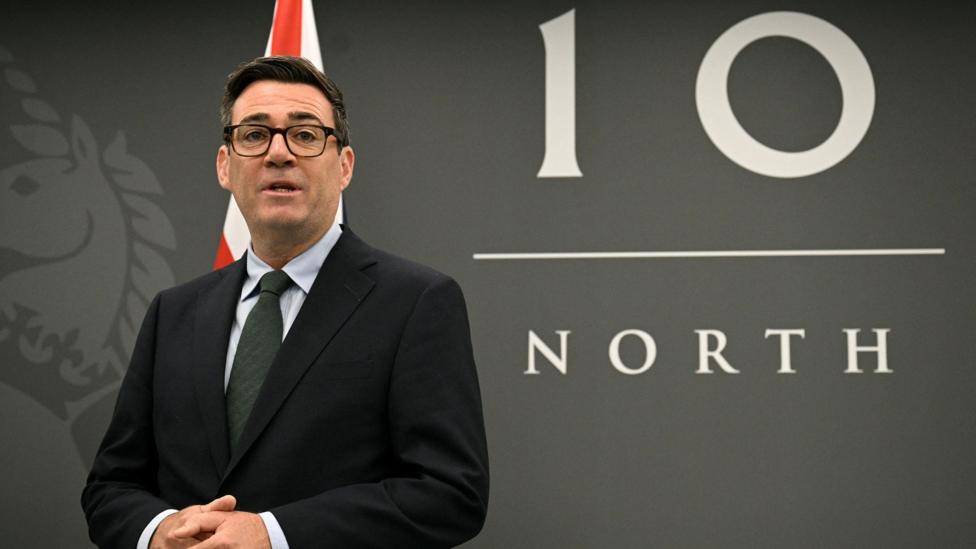
While many observers view Andy Burnham's early months as Prime Minister positively, concerns have emerged within Scottish Labour about aspects of the UK government's approach to Scotland. Some party members believe Burnham should have made more frequent visits to Scotland to strengthen his political presence north of the border. Additionally, there is frustration that Downing Street's position on a potential second Scottish independence referendum has appeared inconsistent and unclear.
Burnham sparked controversy in the House of Commons last week when he suggested circumstances might exist where a second Scottish independence referendum could occur. His spokesperson subsequently clarified those remarks, but SNP figures seized on what they perceived as an opening to renewed constitutional debate. This issue will demand careful handling from the new Labour leader, particularly given that both Marra and Fagan have struggled at times during the campaign to articulate a clear and consistent position on whether Scottish Labour supports or opposes a second referendum.
Will managing the parliamentary group prove difficult?
One potential advantage for the incoming leader is the relative manageability of Scottish Labour's reduced parliamentary presence. With only 17 MSPs, the group is smaller and more cohesive than in previous parliaments. The leadership contest itself has not been characterised by significant ideological divisions or personal animosity between the two finalists. Neither Marra nor Fagan is expected to pose serious challenges to the winner's authority.
However, the contest has not been entirely without friction. Monica Lennon, who failed to secure sufficient nominations to reach the final ballot, publicly criticised the party as
quite nastyduring her withdrawal from the race. Despite this, the overall tone of the competition between Marra and Fagan has remained relatively civil.
Who are the two candidates?
Michael Marra is a Dundee MSP who has served in the Scottish Parliament since 2021. According to reports from the campaign trail, Marra has secured the backing of 24 MPs and seven fellow MSPs, indicating substantial support from the broader Labour movement.
Joe Fagan was elected as an MSP for the South of Scotland in the May 2026 election and brings local government experience, having previously served as a council leader in South Lanarkshire. Fagan has the backing of seven MPs and five MSPs, representing a smaller but still significant base of support within the party.
What is the broader context?
The leadership contest was triggered when Anas Sarwar resigned on 22 July 2026 following the party's disappointing election performance. The Scottish Parliament election on 9 May 2026 left Labour on 17 seats, tied with Reform UK for second place behind the SNP. Nominations for the leadership race ran throughout August, with members voting between 28 August and 17 September 2026.
The scale of Labour's decline is evident in the party's membership figures. The revelation that Scottish Labour's membership has fallen to around 11,000 underscores the challenge of rebuilding the party's grassroots base and reconnecting with voters who have drifted away in recent years.
What happens next?
The new Scottish Labour leader will be announced on 19 September 2026, immediately facing the task of charting a course for party recovery. The winner will need to address the party's loss of relevance, rebuild relationships with voters and the UK government, and develop a coherent strategy for the next Scottish Parliament election. The path ahead is undoubtedly demanding, but party figures believe that with the right approach and sustained effort, Scottish Labour can begin to reverse its trajectory and reclaim a more prominent role in Scottish politics.