The death of Diana, Princess of Wales, remains one of the most painful chapters in the modern Royal Family's history, a wound that has never fully healed—as demonstrated by the candid and contentious memoir from her brother, Earl Spencer. Nearly three decades after the tragedy, Buckingham Palace has issued an unusually forceful rebuttal to allegations in the book that King Charles responded with callousness to his ex-wife's fatal car crash in Paris in 1997, underscoring how deeply the matter still cuts.
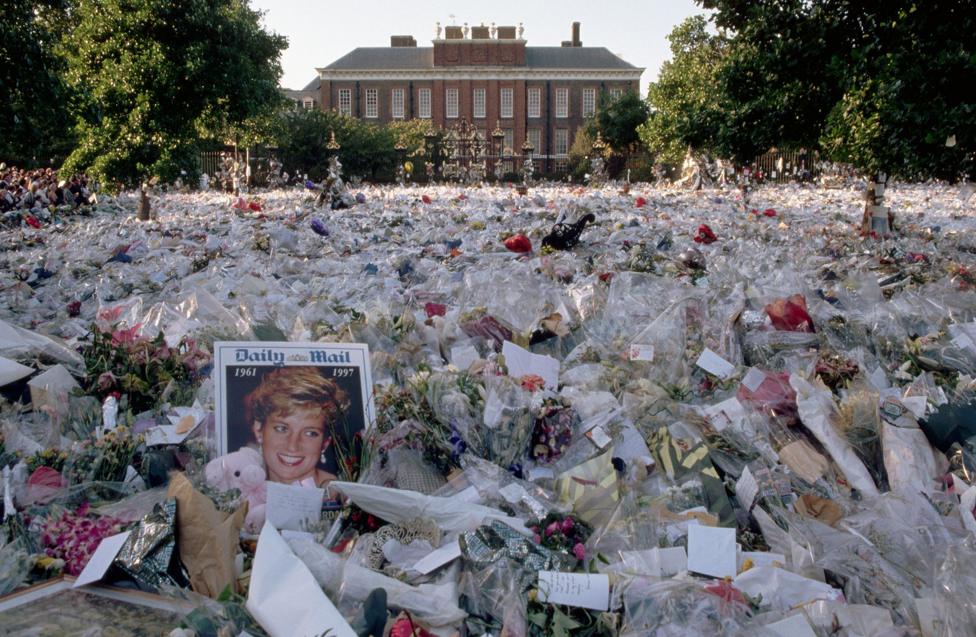
The summer of 1997 was a turning point for the monarchy. The Royal Family appeared disconnected from public sentiment, seemingly indifferent to the loss of the woman the nation had embraced as the "People's Princess." Crowds descended on royal residences and Diana's homes, leaving flowers and expressing grief that the institution appeared slow to acknowledge. The palace faced a genuine threat to its standing, with the public mood volatile and the royals vulnerable to accusations of emotional detachment.
Royal author Valentine Low, who was present at Diana's funeral in Westminster Abbey, recalls the extraordinary atmosphere that day.
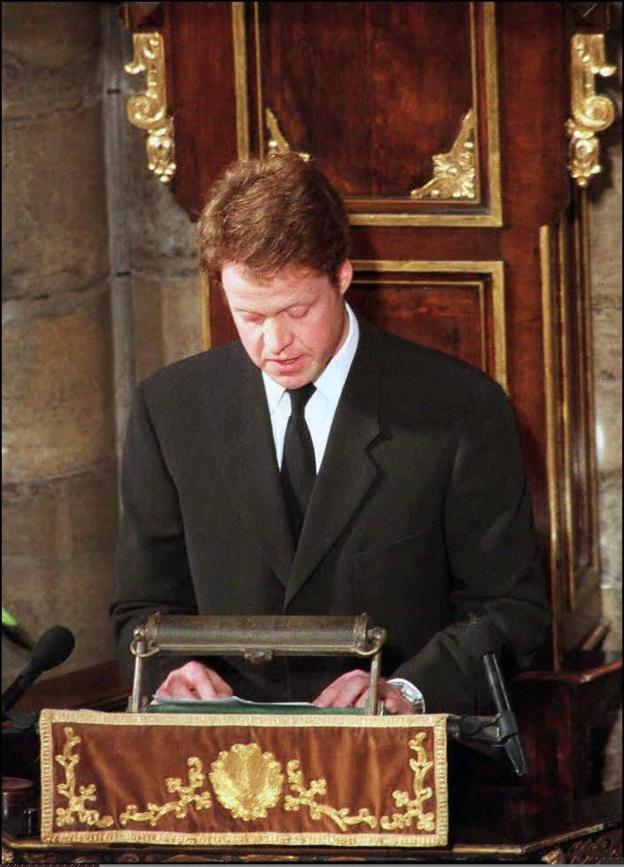
"It was a very febrile mood. Everyone was taken by surprise by the strength of feeling, and the strength to which the Royal Family was unpopular. The palaces were deemed to have treated Diana badly,"he remembers. When Earl Spencer delivered his eulogy, the response from crowds gathered outside the abbey was so powerful that it penetrated the stone walls of the building itself.
"I heard this noise. I couldn't quite make out what it was, and then I worked out it was the crowd outside the abbey, who'd been listening on the speakers,"Low explains.
"That noise appeared to come through the stone walls of the abbey and it was the most extraordinary thing - as people then started to applaud inside the abbey. It was so astounding, in front of Charles and all of the Royal Family."
The intensity of public emotion forced the late Queen Elizabeth to intervene directly. She delivered a live televised address in which she acknowledged the difficulty of expressing grief and paid tribute to Diana's memory.
"We have all been trying in our different ways to cope. It is not easy to express a sense of loss, since the initial shock is often succeeded by a mixture of other feelings: disbelief, incomprehension, anger - and concern for those who remain,"the Queen said. Prime Minister Tony Blair, newly elected and seen as a modernising force, was credited with encouraging the palace to make such an unusually direct and personal statement—a moment later dramatised in the film The Queen, starring Helen Mirren.
What is the central dispute in Earl Spencer's book?
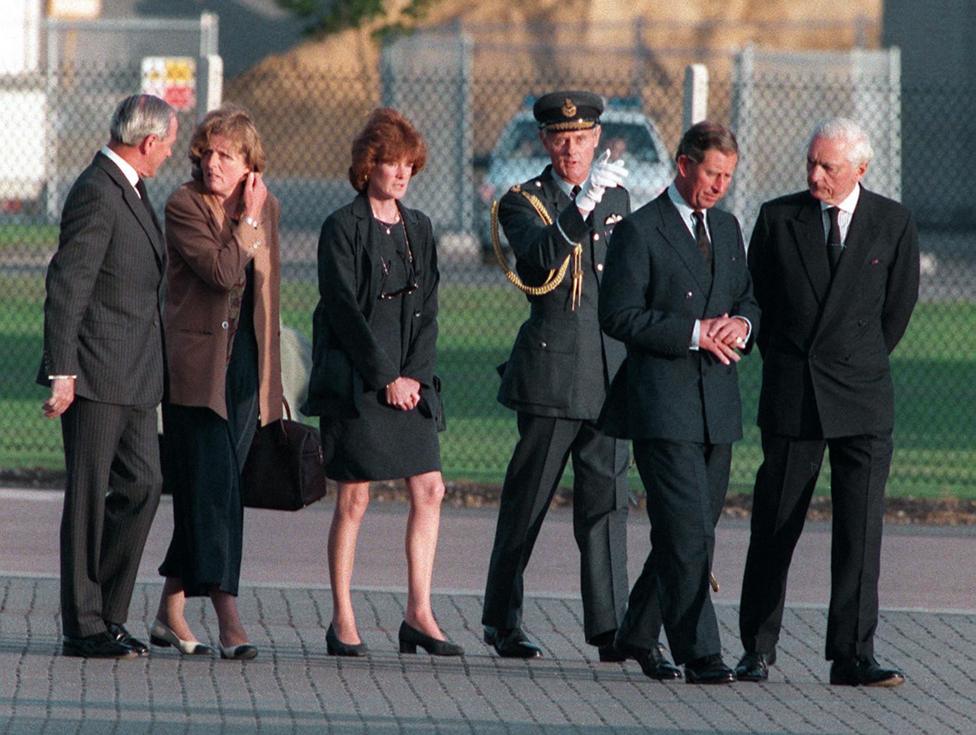
At the heart of the controversy is Earl Spencer's account of a telephone conversation with the then Prince Charles following Diana's death. According to Spencer, Charles made remarks that revealed a shocking lack of grief or concern. Spencer has stated that Charles told him "We'll forget her soon enough" and sounded "giddily elated" and like a "lottery winner" after learning of her death. The alleged conversation took place during discussions about funeral arrangements, according to excerpts from the memoir.
Buckingham Palace has firmly rejected this account. In a statement that, while couched in diplomatic language, amounted to a direct denial, the palace suggested that
"the pain of fraternal grief can cloud reason, affect judgment and colour memory in ways that others do not recognise."The palace's response was notably forceful for an institution that typically avoids public disputes, signalling how seriously the allegations are being taken.
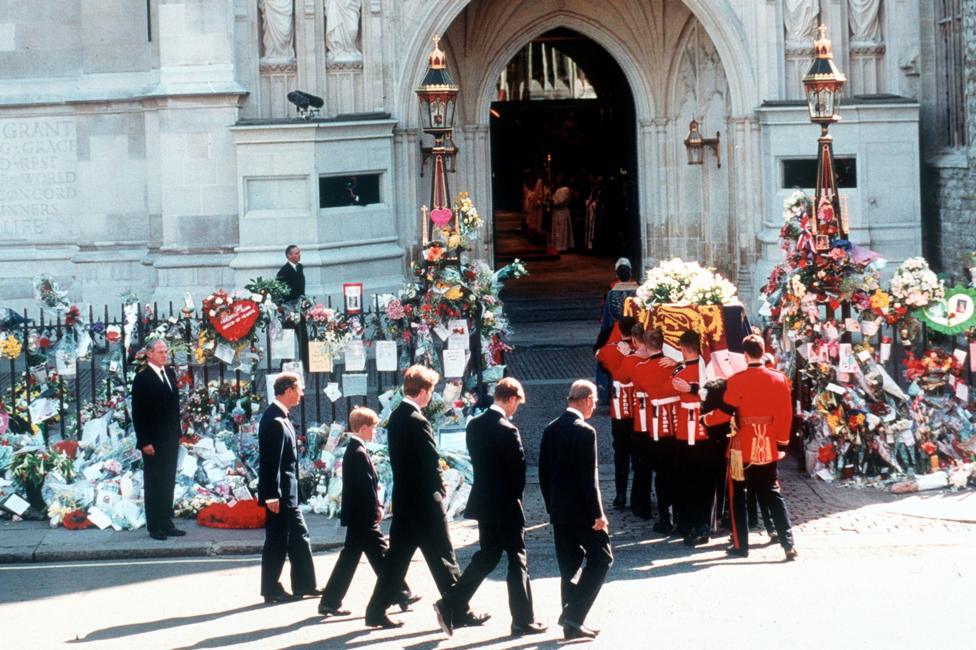
In his defence, Earl Spencer has been unequivocal. In a BBC interview, he insisted he was "telling the truth" and stated that he had "only ever had two calls" with Prince Charles in his life, making the disputed words impossible to confuse with any other conversation.
"I can tell you here and now, those are exactly the words he said. I was hyper alert to what he was saying and those are precisely the words that he said and I promise that to you now. Genuinely, that is what he said. I don't hear him saying he didn't say that."
How does this connect to tensions between the princes?
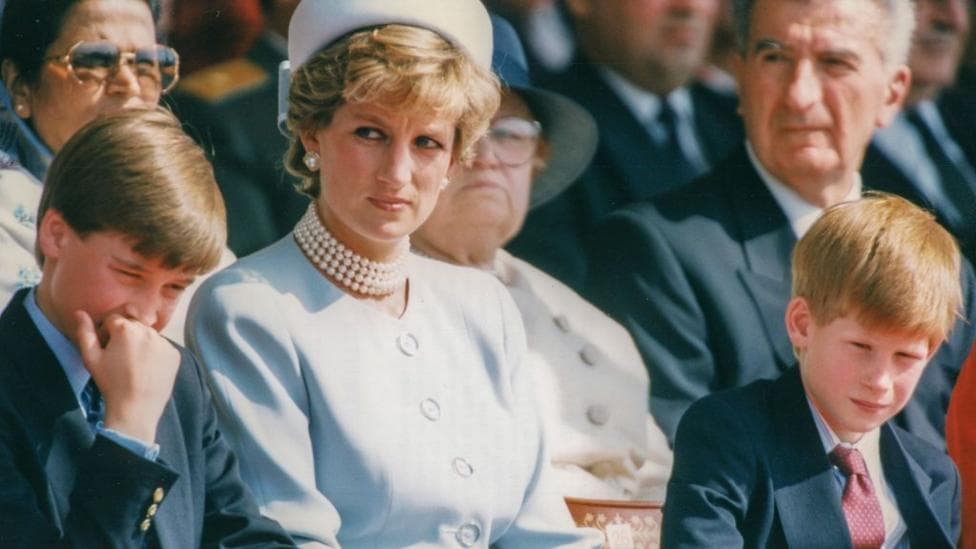
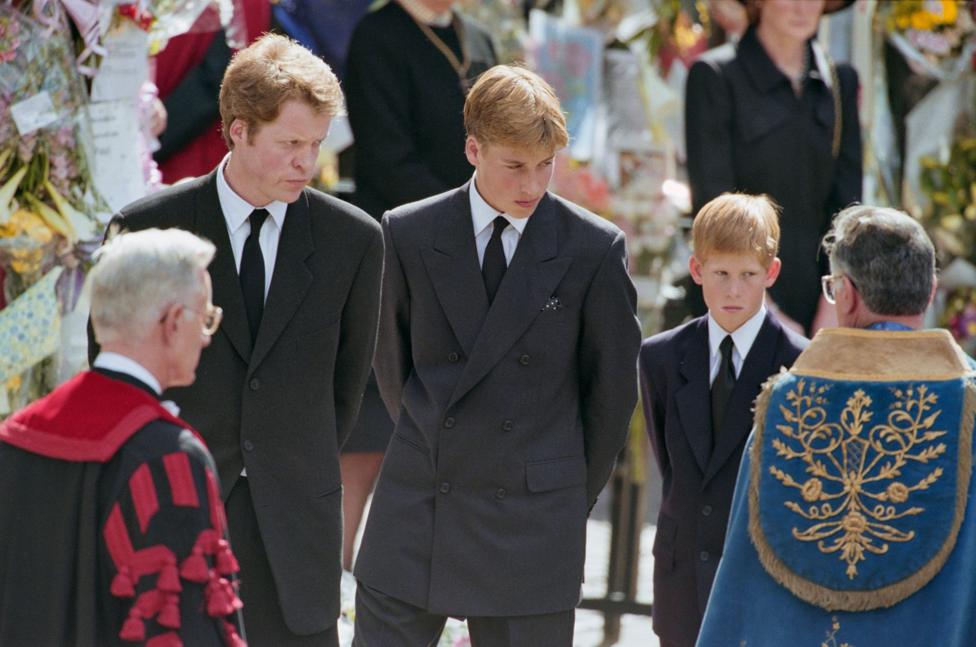
The trauma of Diana's death has cast a long shadow over her sons' lives and their relationship with the monarchy. Prince William was 15 and Prince Harry was just 12 when they walked behind their mother's coffin—a decision that remains controversial. In his own memoir, Spare, Prince Harry revisited the pain of that moment and his uncle's opposition to it.
"Mummy's brother, Uncle Charles, raised hell. 'You can't make these boys walk behind their mother's coffin! It's barbaric',"Harry wrote, recalling Earl Spencer's objections at the time.
Harry's broader narrative—that the institution of the monarchy prioritised its own interests over the wellbeing of individuals—has become central to his estrangement from the Royal Family and his ongoing disputes with his brother, Prince William. The unresolved tensions from 1997 continue to reverberate through the family's dynamics, with each new revelation seeming to reopen old wounds rather than allow them to heal.

What do experts say about the competing accounts?
Psychotherapist Nick Hatter notes that during traumatic events, memories can be significantly altered. Phone conversations, lacking visual cues and body language, are particularly prone to misinterpretation. Hatter also points to a psychological phenomenon known as "bereavement mania," in which individuals may display inappropriate euphoria or hyperactivity following a loss—a condition that could theoretically explain Charles's alleged demeanour, though Hatter emphasises he cannot determine which version of events is accurate.
A YouGov poll conducted after the allegations surfaced revealed a deeply divided public: 31 per cent believed Earl Spencer's account, 36 per cent suspected it was inaccurate, and 33 per cent remained uncertain. Royal commentator Jennie Bond described the book as
"a fantastically hostile, absolutely rude book... it's a very unpleasant portrayal of a man - but it's his memory of it, and who knows who's right?"
Royal author Valentine Low suggests the memoir is unlikely to shift entrenched opinions.
"People have settled into their camps about how they regard Charles, how they look back on the Diana years,"he observes. Some commentators have questioned whether revisiting these claims after so many years serves any constructive purpose. Historian Sir Anthony Seldon, while acknowledging Earl Spencer's courage at the time of the funeral, has called the memoir
"a sad and unnecessary publication."
Why is Earl Spencer publishing now?
The approaching 30th anniversary of Diana's death in August 2027 prompted Spencer to document his memories. In a statement, he explained that he had been
"inundated"with interview requests and decided to write his account
"rather than having the discomfort of again reading the opinions of others, many of which are based on untruths that have become accepted over time."The book, titled Swan Song: Diana, My Sister, represents the first time Spencer has spoken at length and on the record about his sister's life from his perspective.
Royal commentator Richard Palmer has warned that the memoir and the media attention surrounding the anniversary threaten to undermine
"the Royal Household's three decades of work to rehabilitate Charles and Camilla's image."Veteran broadcaster David Dimbleby, who led the BBC's coverage of Diana's funeral, expressed puzzlement at the timing, saying it seemed
"odd"that Spencer would release the book now and wishing that public focus would shift away from
"the cycle of gossip"toward substantive questions about the monarchy's future.
What makes Spencer's claims particularly potent is that he writes not as a commentator or analyst, but as an insider—someone who sat at the table with his in-laws and his sister, who witnessed events firsthand and participated in crucial family decisions. His account carries the weight of proximity and emotional investment, offering a close-up, intimate perspective rather than a distant observation.
The dispute also reflects broader questions about how the Royal Family has processed Diana's legacy. On social media, Diana's supporters have largely embraced Spencer's version of events, according to Prof Pauline Maclaran of Royal Holloway, University of London, who notes that the royals remain
"highly vulnerable"to anything that evokes the story of
"a beautiful princess whose life was cut short in such tragic and ambiguous circumstances."
What happens next?
Swan Song: Diana, My Sister is scheduled for release on 22 September 2026 in both the UK and the United States, with the publisher announcing that the book will be translated into 12 languages. The full text will provide further detail on Spencer's claims and his perspective on Diana's life and marriage. Notably, copies of the memoir were stolen from a truck in the Netherlands before its official release, an incident that has only intensified media interest in the book's contents.
The publication is likely to trigger fresh commentary and reaction from royal observers, historians, and members of the public. Whether the book will shift the narrative around Diana's death, Charles's character, or the state of the modern monarchy remains uncertain. What is clear is that nearly 30 years after her death, Diana's absence continues to shape the Royal Family's present, and the unresolved questions surrounding those final years show no sign of fading away.