Former Top Gear presenter Richard Hammond has committed to accommodating several species of bats discovered on his newly purchased Welsh estate, despite the discovery forcing him to delay renovation plans. The 56-year-old acquired the 19th-century Georgian mansion in Llanwenarth, near Abergavenny, for approximately £2m in November 2025, but a bat survey has revealed the presence of multiple protected species that will require special licensing before work can proceed.
"If I have to share it with the bats, I'll find a way of sharing it with the bats,"Hammond told a national broadcaster.
"You don't move somewhere as beautiful as this and expect to stamp out everything that already lives there... I'm sure there's room for the bats and me in Abergavenny."

Why did Hammond move to Wales?
Hammond relocated to Monmouthshire following his divorce from his wife of 23 years, which was finalised last year. The couple had two daughters together. He described discovering the property as transformative, viewing it five times before committing to the purchase.
"I saw the house advertised and thought, 'there must be something wrong with that' but went to have a look at it. I fell head over heels in love with the house."
"Every single week I've discovered another reason to be delighted that I live there,"he said of the experience since moving in.
"I've never been happier moving in anywhere."
What are the renovation plans?
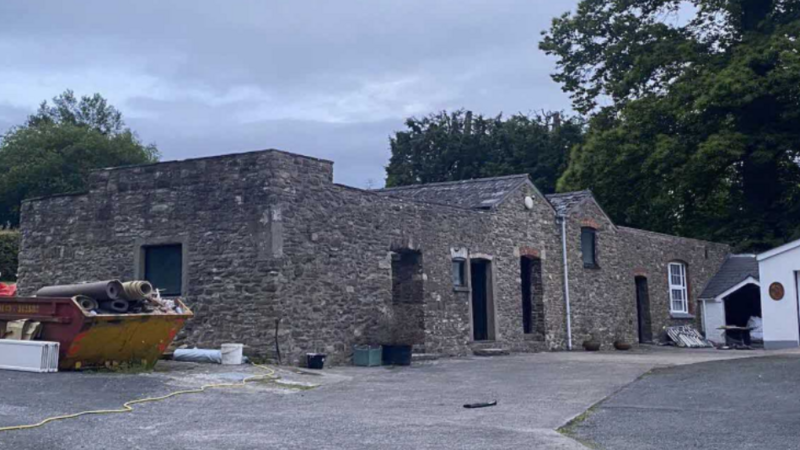
Hammond's initial proposals included constructing a garage to house his collection of historic and specialist vehicles, adding a padel court to replace an existing tennis court, and converting historic outbuildings and former stables. Planning documents described the property as occupying an elevated position overlooking the Usk Valley, set within 21 acres of landscaped grounds and remnant parkland from a former estate. The site sits within Bannau Brycheiniog National Park, also known as the Brecon Beacons.
The applications sought approval for alterations, repairs, new extensions, reversal of modern changes, replacement windows, and new doorways. Hammond stated his intention to preserve the property's character rather than alter its appearance.
"I'm very lucky in that most of what I'm having to do is just make it fit for my lifestyle rather than repair it. So it could be a long project. It's not going to be finished in a month or two. I'll do nothing to change the look of the place. Why would I? You don't buy something beautiful and then deface it."

What bat species were found on the estate?
A commissioned bat survey identified eight species of bats on the property, according to independent reporting. The species included common pipistrelle, soprano pipistrelle, brown long-eared, noctule, Leisler's, and serotine bats. The survey found that
"bat activity levels in the immediate vicinity of the building complex were moderate, and the surrounding habitats supported foraging and dispersal by a diverse assemblage of bat species."
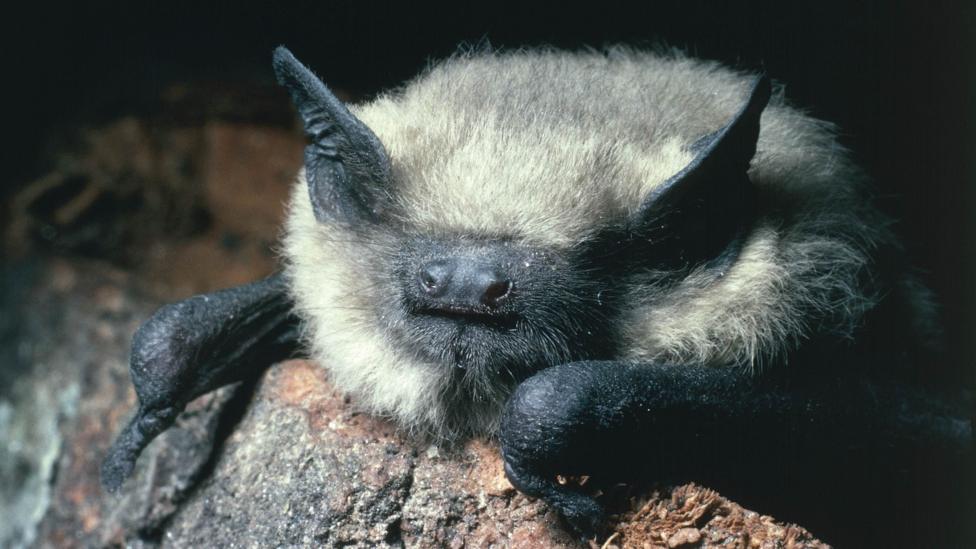
The report noted that
"the habitats on site at The Pentre support a diverse assemblage of bat species, providing essential foraging and commuting resources to local bat populations and connectivity with the wider environment, which is also of high suitability to bats."The bats were documented as foraging and commuting near the estate's outbuildings, with external roosts in trees providing shelter for the species.
What legal protections apply to the bats?
In Britain, all bat species and their roosts are legally protected, meaning it is an offence to kill, injure, take or disturb a bat, or to destroy, damage, obstruct or otherwise interfere with a bat roost, breeding site or resting place. The survey identified that loss of or disturbance to the roosts would result in adverse effects on local populations of two common and widespread species.
According to Natural Resources Wales guidance, bat-development licence applications require detailed plans, a species survey report, and evidence of associated permissions. The Bat Conservation Trust notes that planning conditions can require a developer to obtain a European Protected Species Licence before work starts.
What licensing is required?
The bat survey identified a legal requirement for Hammond to apply for a protected species development licence from Natural Resources Wales (NRW) before carrying out the proposed barn conversion and associated work. The report stated this must be done alongside appropriate measures to prevent harm to the bat species concerned. Without obtaining this licence, Hammond would be unable to proceed with his renovation plans.
According to independent reporting, the licence application was submitted last month, with consultation on it closing on 16 September 2026. NRW confirmed it had not received an application at the time of the original reporting, though Hammond confirmed his intention to proceed through the licensing process.
What happens next?
The consultation period on Hammond's protected species development licence application is scheduled to close on 16 September 2026, after which Natural Resources Wales will make a decision on whether to grant the licence. This determination will establish whether Hammond can proceed with his barn conversion and other planned renovations while implementing appropriate bat protection measures.