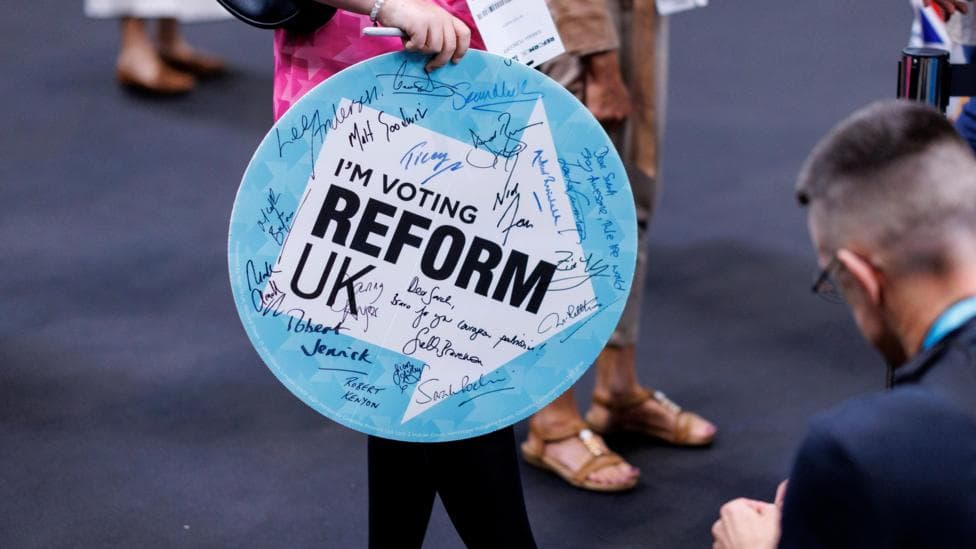
A senior figure within Reform UK privately acknowledged the party's structural vulnerabilities in the wake of an undercover investigation that has upended its annual conference. "We are still a bit of a pirate ship," the insider confessed, reflecting broader concerns about the organisation's readiness for high office.
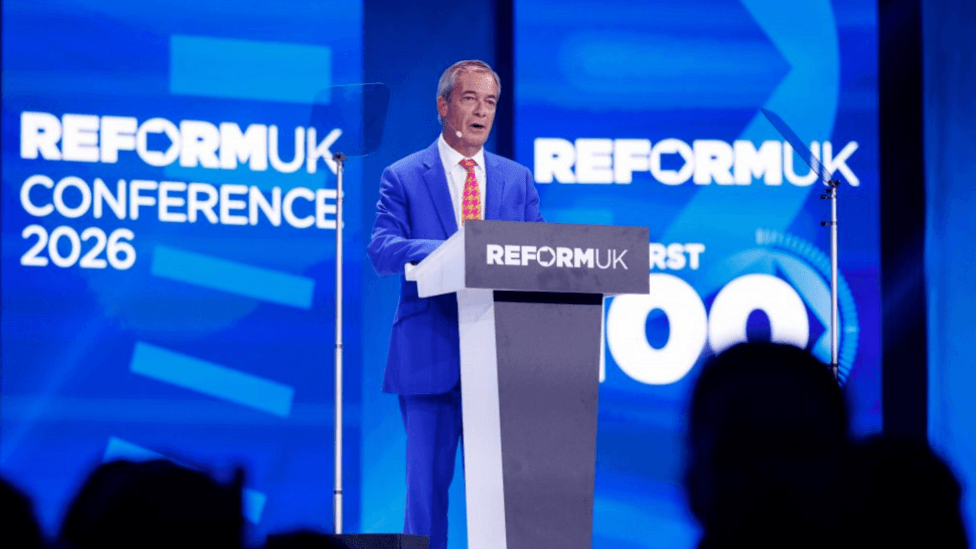
The damaging revelations, broadcast by an investigative team on Thursday evening, prompted the departure of two key party officials and triggered urgent internal discussions that stretched into the early hours. The fallout has dominated conversation at the party's Birmingham gathering, overshadowing months of preparation for what was intended to be a showcase of Reform's vision and policy platform.
What triggered the crisis?
An undercover investigation exposed conversations in which senior party figures discussed donor relationships in ways that raised questions about the party's compliance with electoral law. The broadcast prompted swift action: party leadership moved to suspend the officials involved pending a formal internal inquiry. According to reporting on the investigation, the two officials who stepped down were James Orr, the party's head of policy, and Dan Jukes, Nigel Farage's long-serving deputy.
The allegations centre on polling payments worth £32,500 commissioned earlier in 2026 from a US-based firm. According to reports of the Electoral Commission complaint, the disputed funding also involved allegations of concealment of donations from an impermissible source. Reform has been reported to both the Metropolitan Police and the Electoral Commission over the matter.
In the hours immediately before the broadcast, senior figures within the party had projected relative composure about the emerging story. That changed once the investigation aired.
"A few bottles of red were had, and we knew we had to act,"one source described the moment of realisation to me. The gravity of the situation became apparent as conversations continued through the night.
Why does this matter for Reform's image?
The party faces a dual reputational challenge. First, the scandal has consumed the conference agenda that party strategists had spent months constructing, preventing Reform from articulating its policy platform and vision for government to the assembled media and membership. Second, and more significantly, the allegations allow critics to portray Reform not merely as disorganised or amateurish, but as an operation engaged in a pattern of conduct that may breach electoral regulations.
Nigel Farage has insisted to me that no such pattern exists and that nothing illegal occurred. Yet the timing and nature of the revelations strike at the heart of Reform's political positioning. The party aspires to present itself as a credible alternative government, capable of managing the machinery of state. The headlines generated by the donations row undermine that ambition by suggesting internal dysfunction and potential legal jeopardy.
A senior figure within the party articulated the tension plainly:
"A key part of the appeal of us is the sense of us being cavaliers. Doing things differently. Standing out. And that's great. But we need roundheads too. Those who ask the boring questions. Do the checks. We need more of them too."The observation captures a fundamental challenge: the qualities that have driven Reform's appeal—its insurgent energy and willingness to break convention—may also create vulnerability to the kind of operational lapses the investigation has exposed.

What does this reveal about Reform's leadership culture?
Questions about organisational culture inevitably focus on the person at the apex. Political commentator Tim Shipman has observed that
"it is the experience of everyone I have ever known near the summit of politics that political operations take their character and operating logic from the person at the apex of the triangle. Leaders set culture."The observation carries weight: Rishi Sunak's Downing Street operation and Boris Johnson's were strikingly different in character, each reflecting the temperament and priorities of its leader. The question for Reform is whether the party's current culture—one that appears to tolerate informality around donor relationships and regulatory compliance—flows from the top.
Some within Reform who admire Farage's communicative gifts and political instincts are privately pressing for a visible cultural shift. They want to see the party move more quickly to strengthen its internal infrastructure, tighten its governance, and recruit personnel with the expertise to navigate the regulatory landscape that any prospective government must master. Farage's team has pushed back, arguing that precisely this work has been underway. But the message from some insiders is that the pace of change must accelerate.
What happens to the officials who stepped down?
The departure of Orr and Jukes represents a significant loss to the party's operational capacity. Jukes, in particular, has been a pivotal and loyal figure in Farage's inner circle for years. His immediate future remains uncertain. He has already been dividing his time between the UK and the United States, as his wife and child are based in America. Some senior figures within Reform suggest his next chapter may unfold across the Atlantic, with a possible return to UK operations closer to a general election.
Orr's situation is more ambiguous. Privately, some within the party wonder whether he might eventually return to his role once the internal investigation concludes, though no timeline has been set.
What is the broader context?
The donations row is not Reform's first brush with financial scrutiny. The party has faced ongoing questions about its funding arrangements. According to reporting on Reform's recent fundraising, the party received a £4 million donation from crypto investor Daniel Vogel, which accounted for 75 per cent of its donations in the previous quarter. Earlier in the year, the Electoral Commission had referred some Reform funding issues to police for possible concealment or disguising of donations from impermissible sources, involving figures including Christopher Harborne, George Cottrell, and Richard Tice.
The accumulation of these controversies has created a pattern that complicates Reform's political messaging. The party has instructed its councillors to characterise the Electoral Commission's inquiries as an
"establishment stitch-up,"a framing that has become harder to sustain as each new allegation emerges.
What happens next?
Reform has launched an internal investigation into the donation allegations and pledged to cooperate with external authorities. The Metropolitan Police has indicated it is aware of the media reporting but has not yet launched its own formal investigation. The Electoral Commission complaint remains active, and the outcomes of these parallel inquiries will shape the party's trajectory over coming months.
The immediate challenge for Reform is to demonstrate that the crisis represents an aberration rather than a symptom of deeper organisational problems. The party leaves Birmingham wounded by the revelations, its conference agenda derailed and its image as a serious political force tested. How it responds in the coming weeks and months will determine whether the scandal becomes a turning point toward greater discipline and professionalism, or a harbinger of further difficulties ahead.