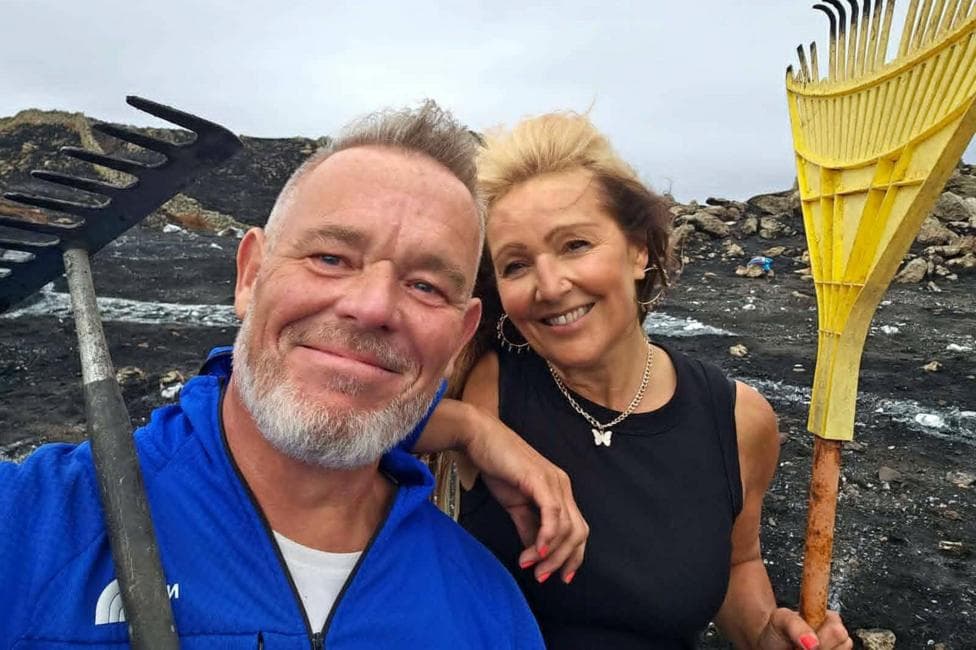
Residents affected by devastating wildfires in North Wales have removed a large-scale mural depicting Prime Minister Andy Burnham that Greenpeace painted on a blackened mountainside above their homes. Two local walkers, hairdresser Allie Evans and Dean Ward, dismantled the artwork using rakes, describing it as an "intrusion into grief" for those still recovering from the disaster.
The mural, measuring 1,120 square metres, was created by Greenpeace in collaboration with the activist art collective A Letter From Lucy on the Sychnant Pass inside Eryri National Park in Conwy. The artwork showed Burnham pouring oil and gas over flames, accompanied by the words: "Our house is on fire Andy"—a reference to climate activist Greta Thunberg's 2019 rallying cry. The mural was timed to coincide with the final day of the Rosebank oil field public consultation, linking the artwork directly to a fossil-fuel policy decision.
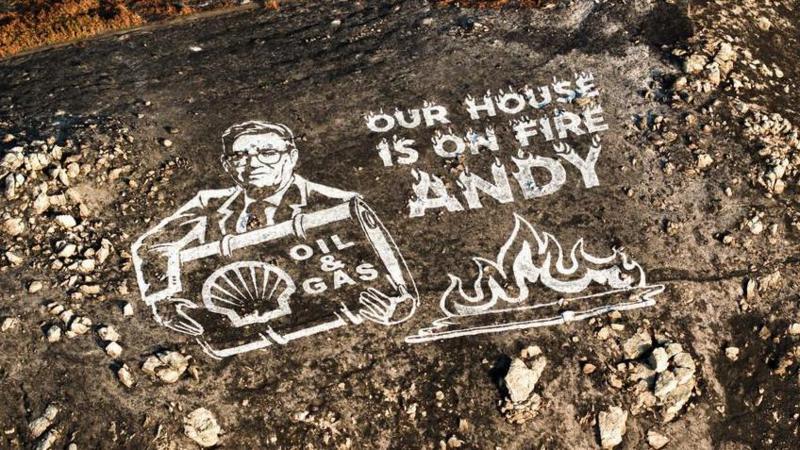
In July, approximately 200 acres of land in the area were consumed by wildfires, which North Wales Fire and Rescue Service classified as a major incident. The blaze came dangerously close to residential properties, forcing 36 homes to be evacuated. According to Greenpeace, roughly 1 million square metres of land burned in the region, leaving the hillside stripped of all living vegetation.
The wildfire was part of a broader crisis affecting Wales and England. The Green Man Festival scrapped its traditional burning ceremony due to wildfire risk from the ongoing drought, while smoke from the Blaenavon wildfire forced campers to evacuate near Pontypool as more than 200 wildfires struck England and Wales in two weeks.
Why did residents object to the mural?
Evans, 53, said she felt compelled to act after seeing photographs of the mural emerge on Monday. She described her reaction as a combination of anger and distress, viewing the artwork as disrespectful to the landscape and to those grieving the environmental destruction.

I can't remember having been so angry and upset all at once. It was so disrespectful to the landscapes. It was also an intrusion into local grief, which is how we felt when we came back home to see the mountain so utterly changed. It added insult to injury. I couldn't understand how an organisation that wants to protect the environment, can graffiti the earth and stain rocks which are millions of years old.
Evans argued that Greenpeace could have delivered its message through alternative means without damaging the environment. She and Ward, a resident of Rhos-on-Sea, worked together to remove the paint, breaking it up and raking flakes into the soil. However, some sections proved difficult to remove completely, leaving visible stripes on the site.
Evans expressed concern that the mural would attract visitors to the fragile hillside, causing further damage to the recovering landscape. Ward communicated his satisfaction with the removal directly to Greenpeace online, writing that he had taken "great pleasure" in removing the work and questioning the group's commitment to environmental principles.
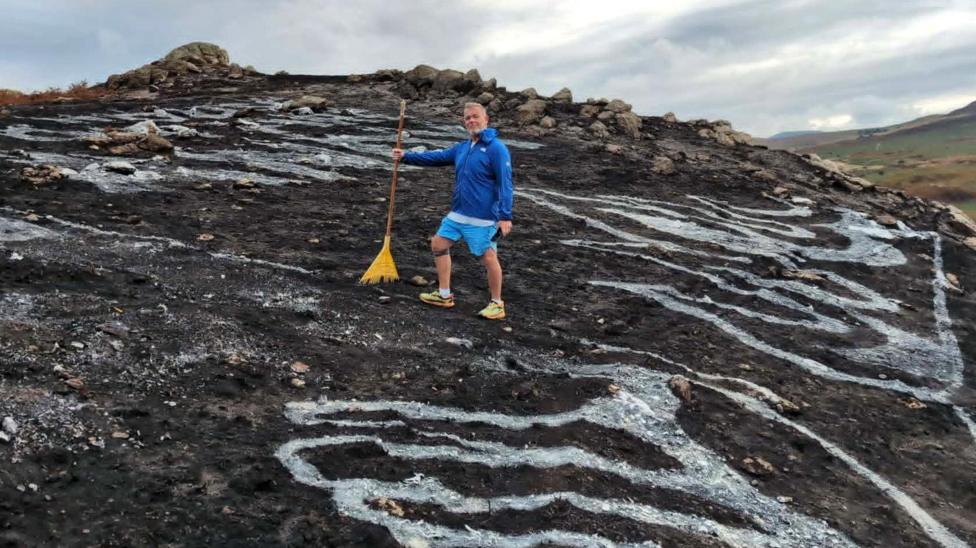
Bangor Conwy Môn Senedd member Janet Finch-Saunders condemned the action as "environmental vandalism," arguing that burned hillsides should not be used "as a canvas for political protest."
What was Greenpeace's intention?
Greenpeace UK's co-executive director, Areeba Hamid, stated that the artwork was not intended to cause distress but rather to highlight the climate emergency threatening communities and natural spaces. The organisation emphasised that it had taken precautions to minimise environmental impact.
Our artwork was not intended to disturb [people's] grief but to draw attention to the escalating climate crisis that's putting these beautiful places and communities at risk. We took great care to minimise our impact on the land. The artwork was temporary by design: created with a water-based paint often used on sports turf and safe for grass, plants and soil. It was applied to an area where the fire had already burned away all living vegetation, leaving just rocks and ash.
Greenpeace said it used eco-friendly, plastic-free paint designed for sports pitches, describing the burned hillside as a temporary "canvas" for its climate message. Hamid reframed the central threat as not the paint itself but the extreme weather driven by fossil fuel emissions.
The threat had not been "a dab of water-based paint" but "extreme weather driven by fossil fuels". We wanted to challenge the system that caused this damage and send a vital message to the prime minister: the science shows that more oil and gas drilling means more communities left to cope with the devastation brought by heat, droughts and wildfires.
The organisation said the action was intended to press the Labour government not to pursue further oil and gas drilling, with the mural's timing linked to the Rosebank consultation deadline.
Key Facts
- The mural measured 1,120 square metres and was removed by local residents using rakes within days of its creation.
- Approximately 200 acres burned in the July wildfire, with 36 homes evacuated and roughly 1 million square metres of land affected across the region.
- Greenpeace used water-based paint designed for sports turf on an area already stripped of vegetation by the fire.
- The artwork was created in collaboration with the art collective A Letter From Lucy and timed to coincide with the Rosebank oil field consultation deadline.
- The incident reflects broader tensions between climate activism and community recovery in areas affected by extreme weather events.