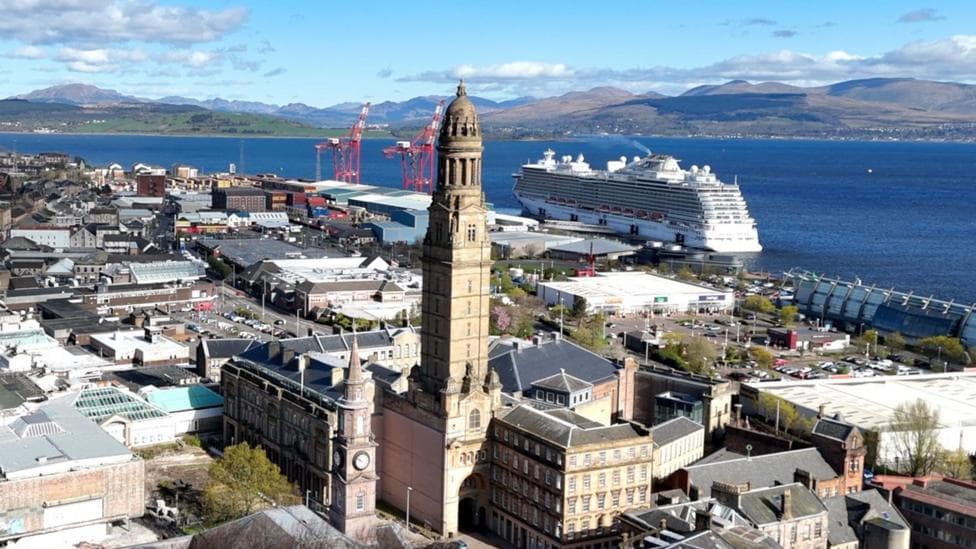
Greenock, situated on Scotland's west coast, has experienced continuous population loss for many decades. The local council has now adopted an unconventional strategy to reverse this trend: actively encouraging migrants and refugees to settle in the area as a means of stabilising and growing its shrinking population.
In May, Anik African Store opened along Greenock's declining High Street, bringing Nigerian goods including yams, plantain, okra and catfish to the Scottish town. A second African food shop operates just metres away, both reflecting the area's demographic transformation. Five years ago, residents recall that seeing a black person in Greenock would have been unusual; today, hundreds of Africans and refugees have relocated to the community.
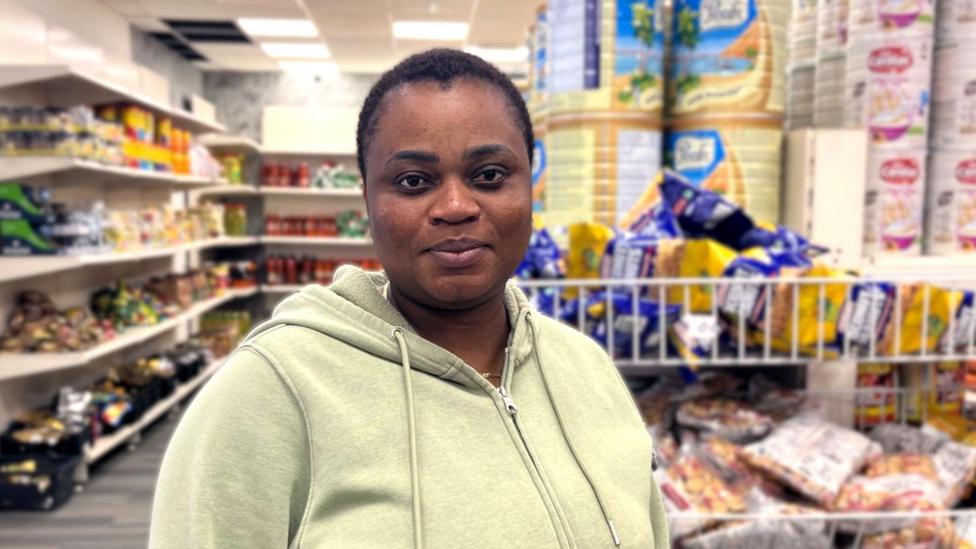
Christianah Omilana, who arrived in the UK in 2021 and now owns Anik, observes that Scottish people are
"lovely and accommodating"and notes that
"Immigrants will come when there is work". She describes the local reception as welcoming and friendly.
The underlying cause of Greenock's depopulation has been the persistent shortage of employment opportunities. Inverclyde, the local authority encompassing Greenock, has experienced the most severe population decline of any Scottish council area. Since 1981, the region has lost 22,000 residents, and its current population of 78,000 faces a projected further decline of 16% over the next two decades.
Reversing this trend has become the council's primary objective, achieved through both retaining existing residents and attracting newcomers to the area.

Why are people leaving?
Employment scarcity remains the fundamental challenge driving residents away. Greenock's industrial heritage is substantial: in the 19th century, its position as a global sugar-refining centre earned it the nickname "Sugaropolis", and the coastal town constructed thousands of ships over nearly 300 years. More recently, IBM operated a major campus near Greenock employing over 5,000 people, but the facility closed entirely in 2016.
The job losses have accelerated in recent years. Over the past four years, approximately 1,500 positions have disappeared as Amazon, EE and other companies relocated elsewhere. Just recently, the local shipyard announced workforce reductions of about 25%. The financial instability extends to the community's football club, Greenock Morton, whose supporters have established a fighting fund to prevent collapse.
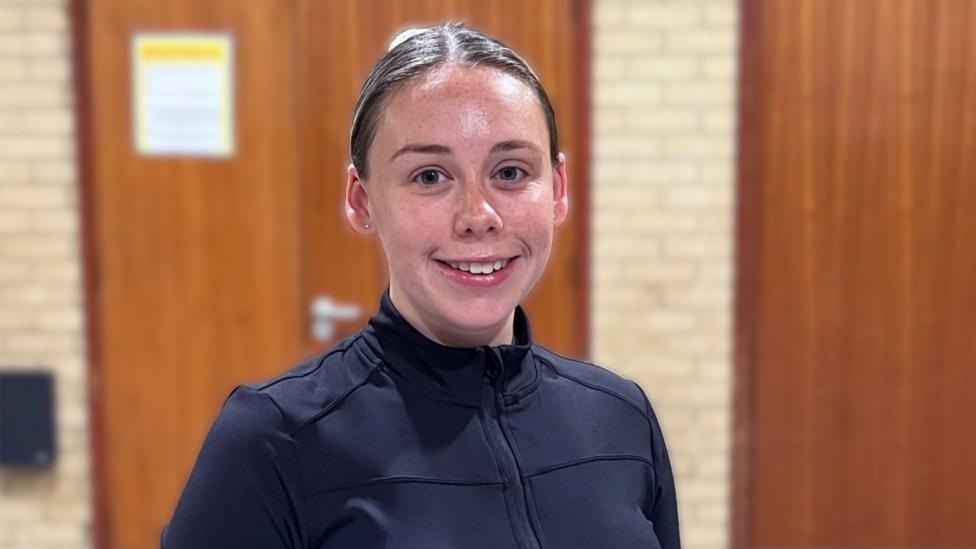
Tiffany, a 29-year-old mother of one encountered at a local parent and toddler group, describes Greenock as
"a ghost town"with
"no employment"and
"nothing to do". She relocated away to find work but returned to raise her child. Now she contemplates leaving again, stating
"I'm struggling to find jobs that suit both childcare and myself. I've considered moving from here to Paisley because there is so much more to do there."
Scotland's First Minister John Swinney is scheduled to visit Greenock this month to address these challenges directly.
How is the council responding?
Inverclyde Council's repopulation strategy focuses on encouraging migrants and refugees with legal status to establish roots in the area. Most of Greenock's African population work or study in nearby Glasgow or Paisley and have been drawn to the town by affordable housing. Many arrived on skilled work visas, helping to strengthen the health and care workforce.
According to local media reports, Inverclyde Council has launched three new grant schemes to support population retention and attract residents, with applications available on a first-come-first-served basis until July 2028 or until funding is exhausted. The council set aside an initial £22,000 for these schemes, comprising a £300 Stay and Study Grant, a £400 Relocation Grant, and a £300 New Scots Support into Work Grant.
The council provides English classes for those requiring them and assistance accessing skilled employment. Schools receive support to deliver inclusive anti-racist education. According to Scottish Government statistics, Inverclyde experienced net migration outflow of 600 people in 2023-24, with 2,290 people moving in and 1,690 moving out.
The number of overseas arrivals in Inverclyde has trebled in recent times, reaching approximately 750 per year since 2023. Hundreds of African migrants have settled alongside refugees from Ukraine, Afghanistan and other nations, many with positive experiences to share.
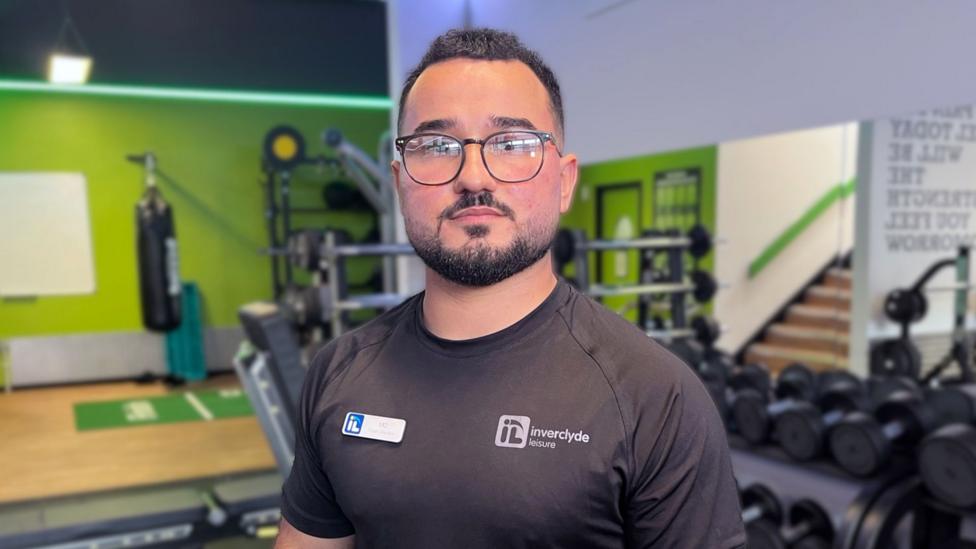
Mo Almalarashid arrived in Greenock in 2018 as a Syrian refugee without English language skills. He found a supportive community and, after dedicated study, now works as a local gym instructor.
"There was always people there for me,"he reflects.
What do long-term residents think?
Elderly residents gathered at Lyle Gateway Community Cafe, situated near the High Street, remember a vibrant town filled with people and shops worth visiting. Muriel, one of dozens pensioners present, observes that
"When the work disappears, people disappear."The group expresses despondency, using words like "depressing" and "empty" to characterise the current state.
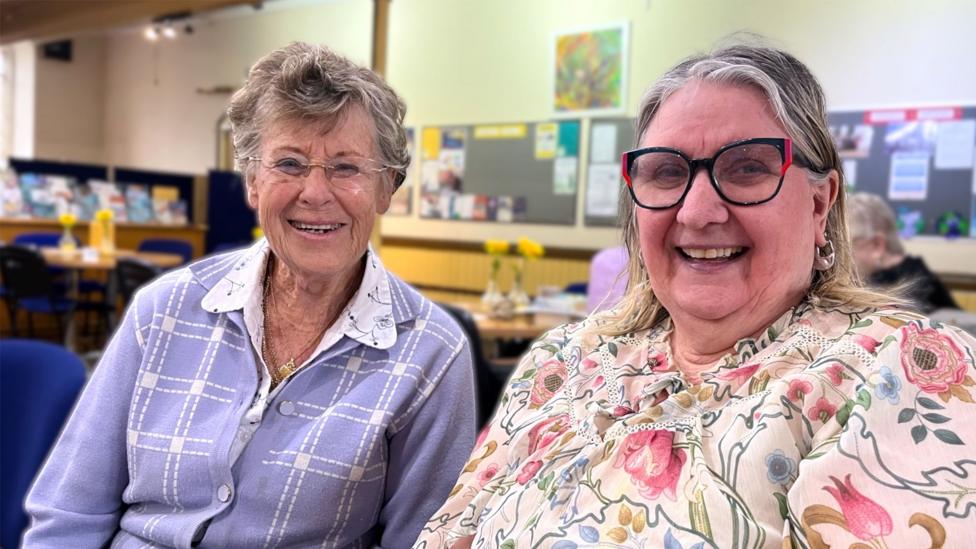
The pensioners are sceptical of the council's repopulation strategy. While accepting of migrants moving in, they question sustainability. The council requires hundreds of additional immigrants annually merely to maintain population stability. Pamela asks pointedly:
"Where would they work? The people in Greenock can't get work [never mind] bringing in other people."

Jonathan Fleming, Church of Scotland minister at Lyle Kirk for the past five years, experiences the depopulation crisis directly. His church conducts
"a lot more funerals than we do weddings and baptisms,"and
"that shift, it's a lot more dramatic than it used to be."The church has recently supported Iranian refugees whose circumstances are sobering. They desperately seek paid work but cannot find employment.
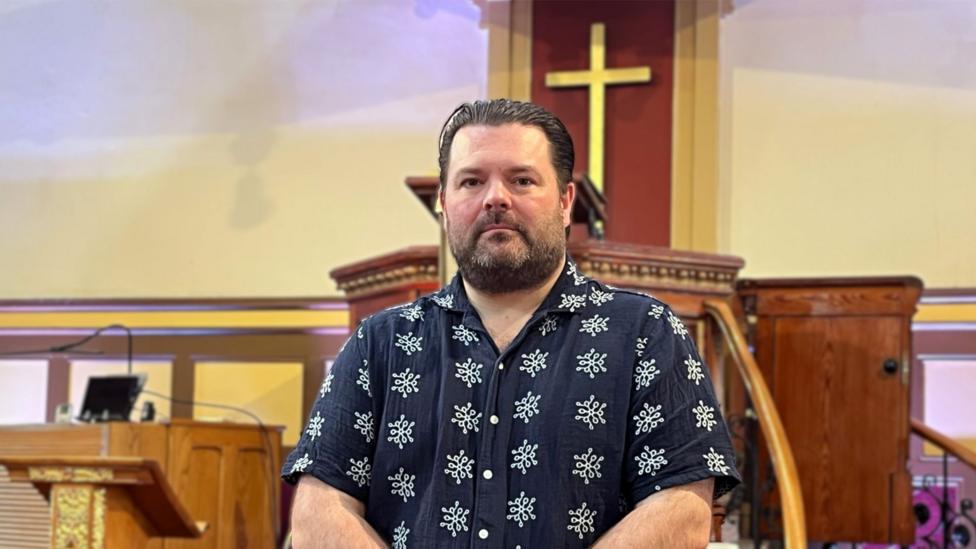
"They're wanting to contribute to the community. They want to be independent of receiving financial aid and they're not able to do it - they're actually trapped in it, in some respects."
Have there been tensions?
Integration has not been entirely smooth. A local teenager received a 10-year prison sentence last year for planning mass murder at the local mosque. In June, a protest outside a hotel housing asylum seekers resulted in one woman being charged with a hate crime and three police officers sustaining injuries.
However, during May's Scottish Parliamentary elections, Reform UK—which campaigns strongly for reduced immigration nationally—finished a distant third in Inverclyde, approximately 8,500 votes behind the winning SNP candidate, despite fielding its Scottish leader in the constituency.
What is the council's vision?
Stephen McCabe, who has led Inverclyde's minority Labour-controlled council almost exclusively since 2007, believes the repopulation plan is beginning to succeed. The population has stabilised over the past two years, he states, largely due to immigration. According to Scottish Government analysis, Inverclyde was among areas facing projected population decline, creating a "downwards spiral" that undermines public services and the local economy.
Repopulation underpins everything the council pursues, from housing projects and school building renovation to job creation. Standing on the banks of the Clyde, McCabe envisions opportunities in maritime, renewables and defence sectors, reimagining the river's use for the 21st century—though this requires substantial Scottish and UK government support.
Regarding asylum seekers, who are largely prohibited from working while awaiting Home Office decisions, McCabe acknowledges
"an unease, no doubt about it."While the council has willingly participated in a Home Office dispersal scheme, accepting over 200 asylum seekers, he contends the area
"has been allocated a disproportionate share", with a Home Office contractor reportedly purchasing numerous properties locally.
Migrants and refugees permitted to work are welcomed in Inverclyde, McCabe emphasises.
"Without those people, our health service would really be struggling... The refugees who have come have brought benefits to this area. They will bring ambition. They'll bring children to this area."
Greenock's population is not merely shrinking but ageing. The shortage of children has forced one nursery to close, while older residents require greater health services. Combined with the area's high deprivation levels, public services face mounting pressure amid a declining tax base. Remaining residents bear higher costs; council tax rose by nearly 8% locally this year.
Are there alternative approaches?
Just 15 minutes away lies Gourock's town centre, once similarly deprived but now featuring a small, thriving High Street with independent retailers. A recent £5 million council investment and residents with greater spending power have transformed the area.
Matthew Quinn, a 19-year-old former Scottish Youth Parliament member, advocates a different vision for Greenock. He believes Gourock has successfully embraced its future as a commuter town and suggests other Inverclyde areas should follow suit.
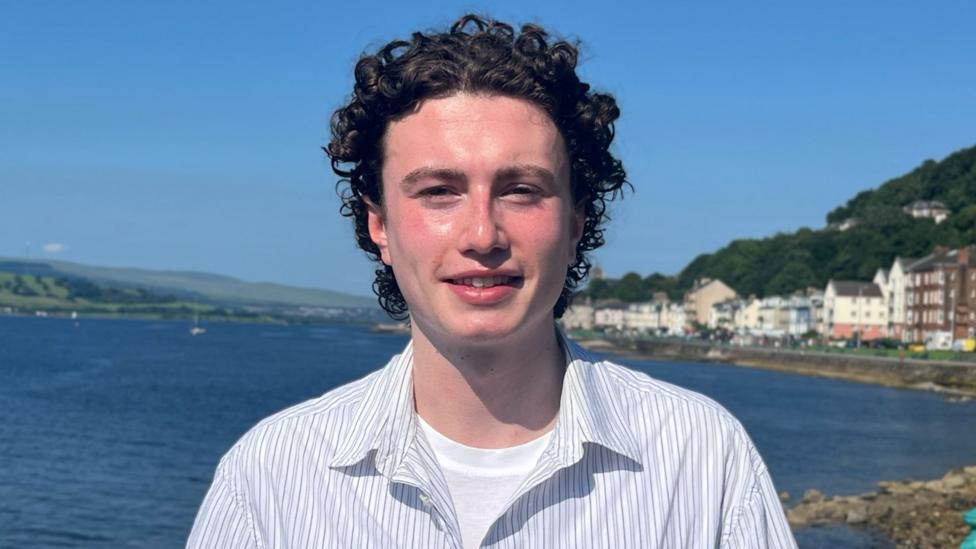
Quinn contends the council's focus on creating numerous local jobs is misguided. Many people now work from home, he notes, and the area's proximity to Glasgow—approximately 40 minutes away—should be leveraged.
"If we accepted that the jobs are in Glasgow, then our focus should be on public services and ensuring we have a nice environment for people to live. Then I think we would be much more successful."He adds:
"It's not that [people] are desperate to leave, it's that there's no reason to stay."
What grassroots initiatives are underway?
Some Greenock residents are tackling challenges independently. Derek Mitchell, displaying infectious optimism, is converting a former sugar refinery adjacent to an Aldi car park into an education hub. Focusing on science, technology, engineering, arts and maths, the facility will equip young people with future-ready skills.
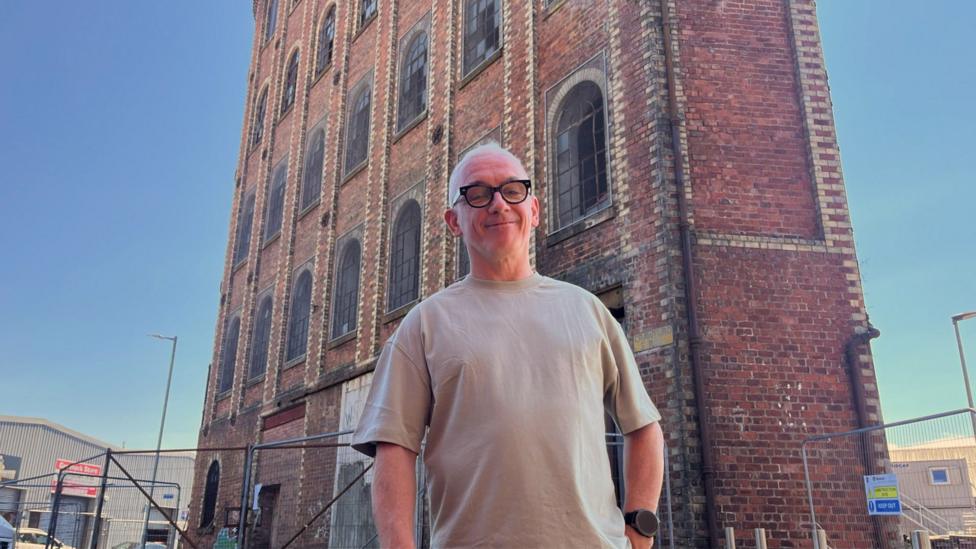
"If you build a sense of belonging, naturally and organically, people don't want to leave."Mitchell and a group of local partners purchased the building and estimate it requires £5 million investment as they pursue partnerships.
"A lot of people are starting to do things for themselves,"he observes.
"They see there's potential - they're fed up of waiting."
What happens next?
The new grant schemes launched by Inverclyde Council will operate over the next two years until July 2028, or until allocated funding is exhausted. According to Scottish Government documents, the council previously applied for £30,000 from the Addressing Depopulation Fund, with the second phase intended to commence from April 2026. Scottish Ministers were expected to consider options for expanding the second phase of the fund to additional partners if resources permitted.
At a time when much of the UK expresses concerns about immigration, Inverclyde's decision to embrace migrants and refugees distinguishes it markedly. Its population shortage is acute, and its solution is striking. Other communities will soon confront similar depopulation challenges and may examine what Greenock is attempting as a potential pathway forward.