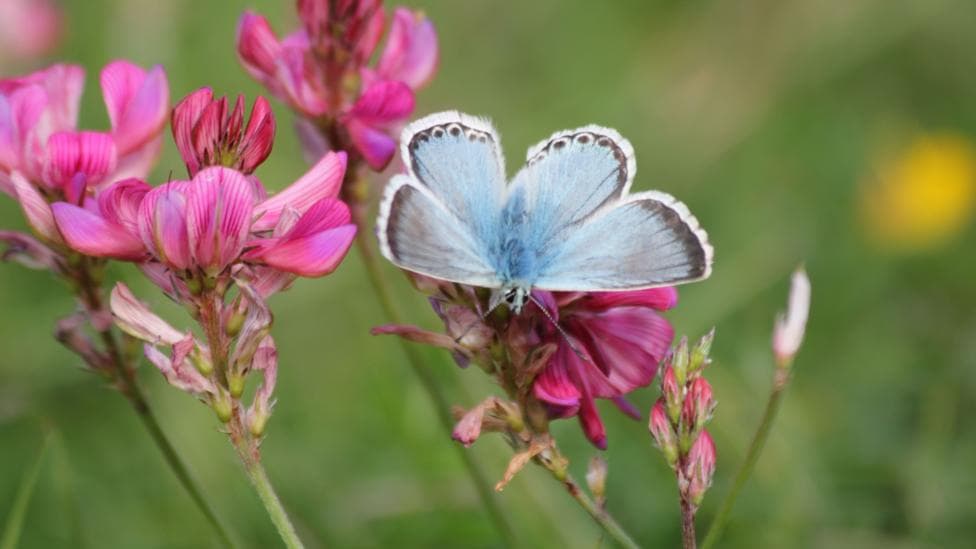
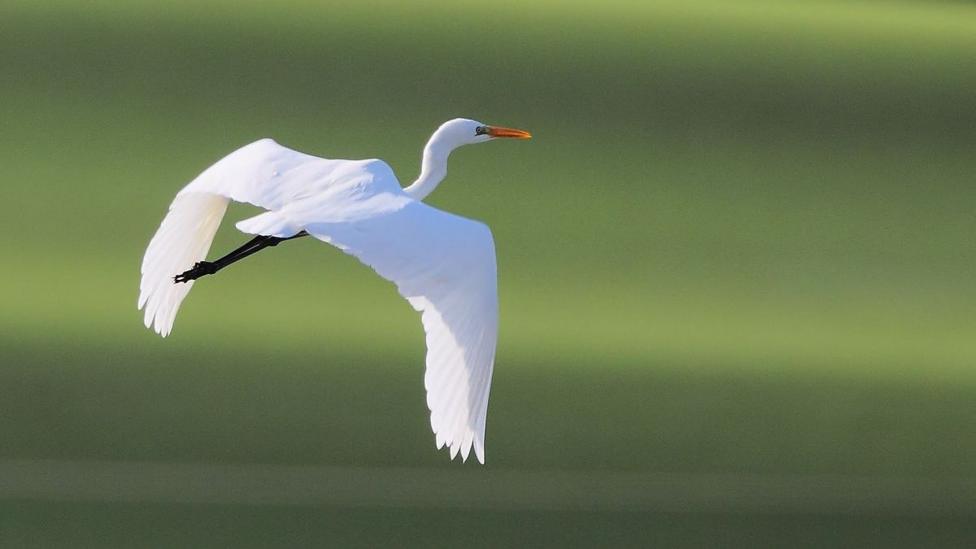
Volunteers working with the Herts and Middlesex Wildlife Trust have recorded an exceptional array of species across the county's nature reserves during the summer of 2026, including more than 300 Chalkhill blue butterflies at Hexton Chalk Pit near Hitchin and a great white egret near Ware. Among the most striking discoveries was a glow-worm found at Hexton Chalk Pit during a Local Wildlife Site survey—the first sighting at that location in 25 years. The trust attributed these findings partly to the unusually hot weather, but also to intensified surveying and monitoring efforts throughout Hertfordshire and Middlesex.
The St Albans-based trust manages more than 40 nature reserves spanning nearly 810 hectares (2,000 acres) across the two counties. Its reserves encompass diverse habitats including chalk grassland, wetlands and woodland, creating conditions suitable for a wide range of invertebrate species. The summer's discoveries represent the culmination of dedicated fieldwork by volunteers and staff, revealing species absent from the region for decades.
How did the heatwave affect different species?
The unusually warm conditions created winners and losers among the invertebrate populations. Grasshoppers flourished during the hot summer, while butterflies were able to complete their life cycles more rapidly and emerge in significantly larger numbers than in cooler years. By contrast, bumblebees and hoverflies struggled to cope with the extreme temperatures. According to wildlife experts, some insect species have already suffered after earlier extreme heat events, including the swollen-thighed flower beetle following the 2022 record temperatures.
What specific species were discovered?
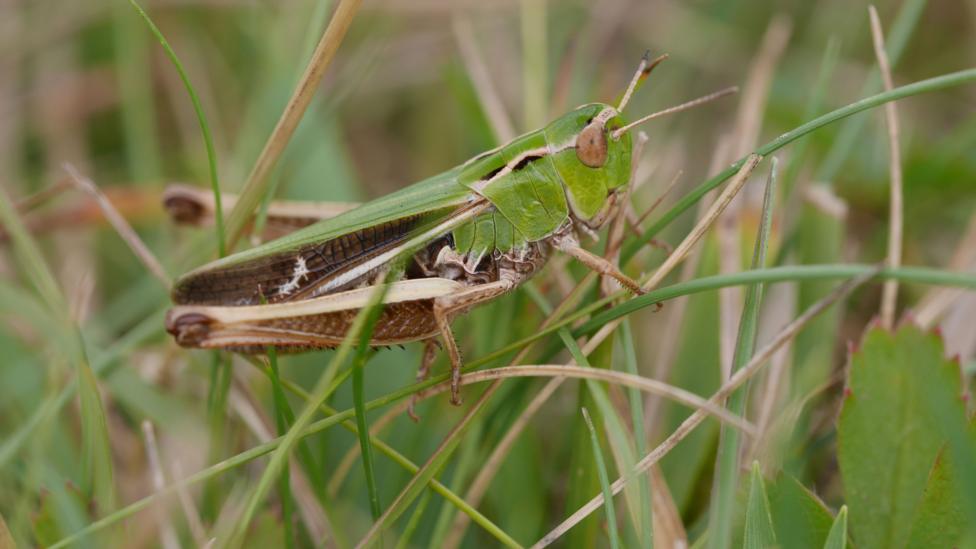
The Herts Invertebrate Project, established in 2015, has been instrumental in documenting these findings across the trust's reserves. At the end of June, the project visited Fir & Pond Woods near Potters Bar and recorded Euides basilinea, a planthopper associated with reeds, which had never been previously documented in Hertfordshire. The same site also yielded a stripe-winged grasshopper, described as previously known from only three county sites and now spreading to new locations.
At Aldbury Nowers near Tring, the leafhopper Zygina hyperici was recorded for the first time in the county since 1916—a gap of more than a century. The same reserve also hosted the Small Scabious Longhorn, a nationally notable species and the sixth county record, with the first Hertfordshire sighting since 2011. Arboridia parvula, a leafhopper associated with Common Rockrose, was documented for the first time in Hertfordshire since 1976, while the survey also uncovered Agyneta mollis, a tiny nationally rare money spider.

Jersey Tiger moths, historically associated more strongly with the Channel Islands, have increasingly been recorded further north in recent years, and Hummingbird Hawk-moths are now being seen regularly throughout Hertfordshire. These range expansions suggest species are responding to changing climate conditions by shifting their distributions northward.
What role does habitat management play?
The trust's success in supporting these species reflects deliberate conservation management across its reserves. According to a trust update from 19 August 2026, livestock are helping manage habitats across its reserves, with the summer heatwave creating fresh challenges and opportunities for grazing teams. This approach maintains the grassland and open habitats that many of these rare invertebrates depend upon for survival.
Senior reserves officer Dan Townsend remarked on the significance of the discoveries:
This summer we've had some extraordinary records, from species that haven't been recorded in Hertfordshire for decades to new discoveries for individual reserves.He added that understanding which species are present and how they respond to environmental change is vital for effective reserve management.
That knowledge is essential for informing the management of our nature reserves effectively and giving wildlife the opportunity to thrive.
What broader context do these findings have?
These discoveries in Hertfordshire align with wider patterns of species monitoring across the UK. According to recent reporting, more than 2,500 moth species were recorded in the UK this summer, with many records coming from dedicated surveys. Nationally, conservation efforts are intensifying to track how wildlife responds to climate change. Residents across the country have been encouraged to participate in monitoring initiatives, such as the Big Butterfly Count, which ran until 9 August to help track how hot weather and climate change are affecting local species.
The discoveries at Hertfordshire reserves demonstrate the value of long-term, systematic monitoring. The Herts Invertebrate Project's work has revealed not only which species are present but also how populations are shifting and adapting. Similar conservation efforts are underway elsewhere in the region, including Buglife's Chalk Lines project in Surrey, which aims to restore over 30 hectares of chalk grassland and create vital habitats for rare species like the Straw Belle and hazel pot beetle. These initiatives highlight the importance of habitat restoration and protection in supporting invertebrate populations facing pressure from climate change and habitat loss.
Key Facts
- More than 300 Chalkhill blue butterflies were recorded at Hexton Chalk Pit, with a glow-worm found there for the first time in 25 years
- A great white egret was spotted near Ware, and several leafhopper species were recorded for the first time in decades, including one absent from the county for over 100 years
- The Herts and Middlesex Wildlife Trust manages more than 40 nature reserves covering nearly 810 hectares across the two counties
- Grasshoppers and butterflies thrived in the hot summer conditions, while bumblebees and hoverflies struggled
- The discoveries were made through dedicated surveying by the Herts Invertebrate Project, established in 2015