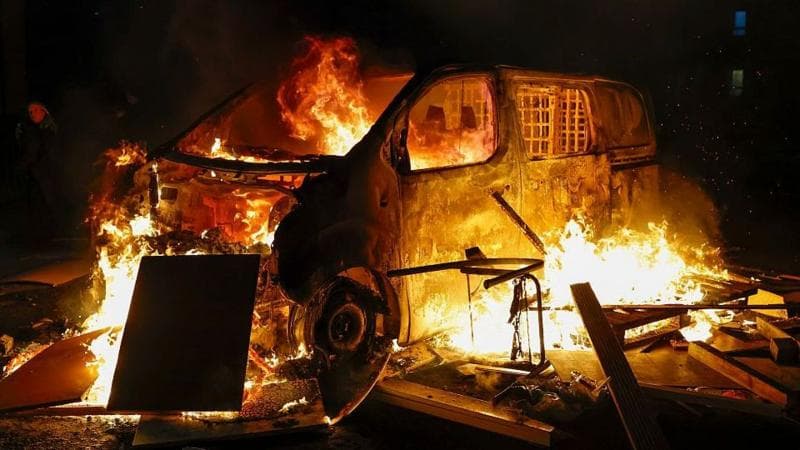
Deploying 1,700 police officers to manage Bonfire Night disorder represents an unsustainable response that Scotland must not accept as routine, the Scottish Police Federation has warned. Seven people were arrested and a police van was completely destroyed by fire during violent incidents across Scotland on 5 November, marking the country's largest coordinated police operation since President Donald Trump's visit in 2024. A police officer and an ambulance staff member sustained injuries after being attacked with fireworks while responding to a report of an injured person in Glasgow.
According to BBC News, the Scottish Police Federation has now demanded legislative changes including enhanced stop-and-search powers and intensified action against youth crime to address what has become an annual cycle of disorder during this period.
David Kennedy, general secretary of the Scottish Police Federation, told BBC Radio Scotland Breakfast that the scale of the police deployment was abnormal and unsustainable.
To have 1,700 police officers out, that's not normal, and we can't accept it as normal. So we have to look into and see what we can do. The only way I think we do that is by relooking at what's going on in Scotland at the moment and looking at our society to see how can we fix this.
Kennedy called for expanded police powers to identify and apprehend those involved in disorder.
We need to have better stop-and-search powers. We need to be able to demask these individuals on the spot and we have to make sure that they get arrested because having them reported is not stopping it, let's be honest.
How did the violence unfold?
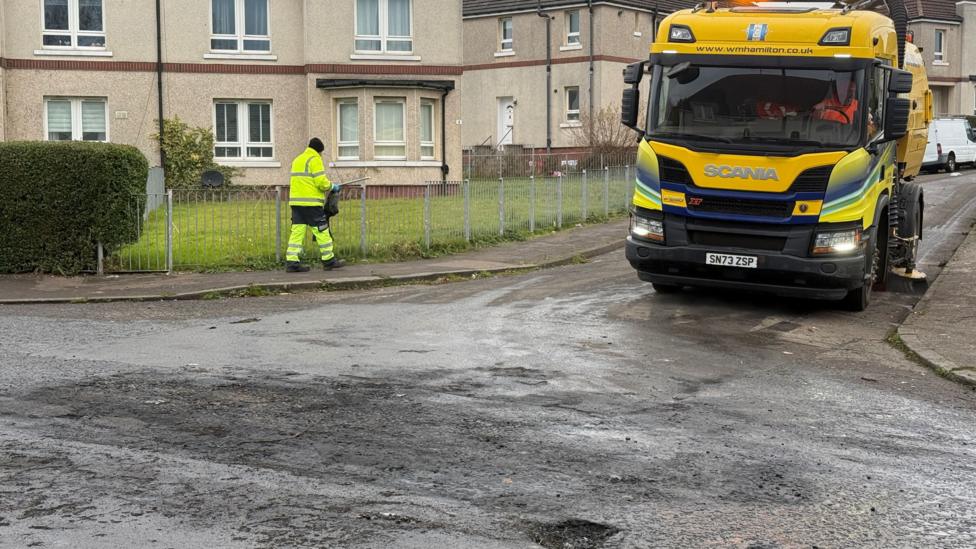
The police vehicle was completely burned-out during disturbances on Greenside Street in the Provanmill area of Glasgow, with a 16-year-old boy arrested in connection with the incident. The van was removed from the scene as clean-up operations commenced across the city on the morning of 6 November.
Violent incidents extended across multiple locations. In Edinburgh, police and members of the public came under attack from fireworks in several areas. Fire service personnel also faced assaults in numerous towns while responding to emergency calls, though no firefighters were injured and no serious damage occurred to fire engines.
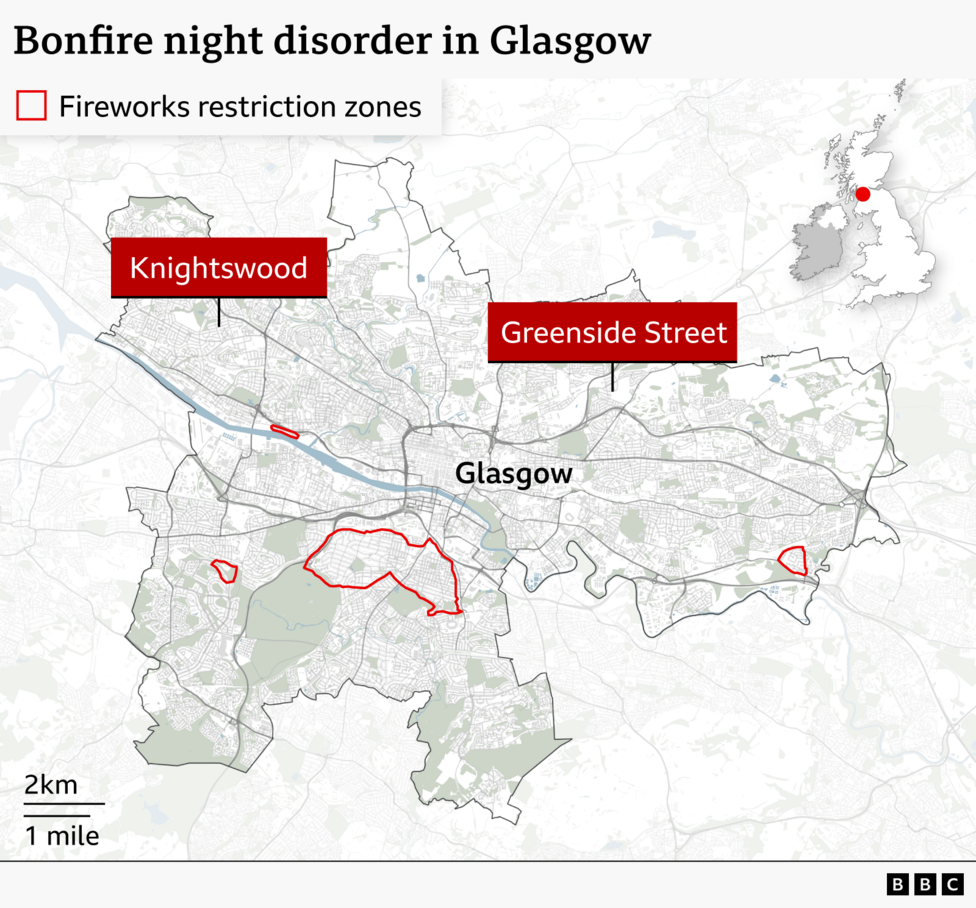
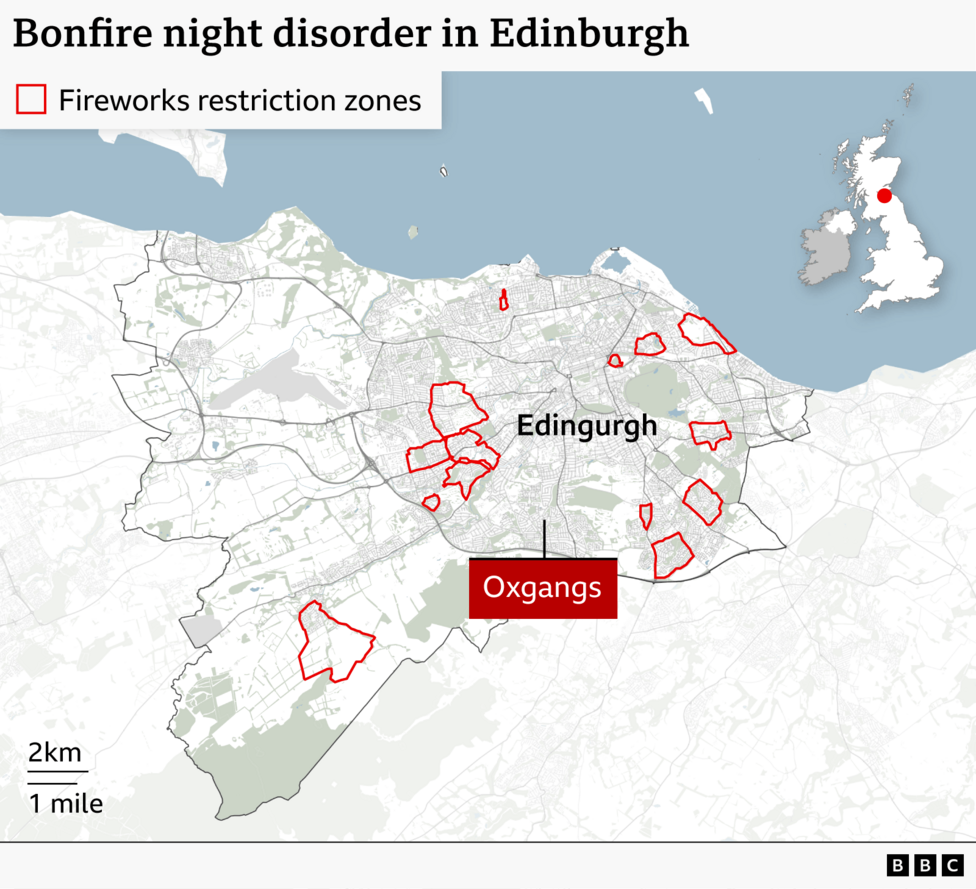
The disturbances in Glasgow and Edinburgh took place outside designated Fireworks Control Zones where pyrotechnics use is prohibited. Police issued 21 dispersal orders in Edinburgh and 13 in Glasgow, though no one was charged with breaching a Firework Control Zone.
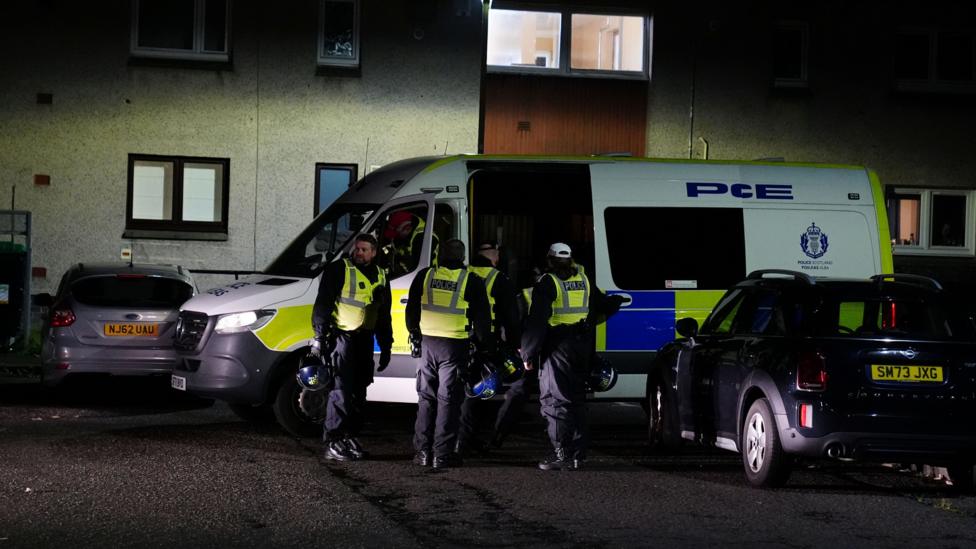
Chief Superintendent David Robertson stated that emergency service workers deserve protection rather than becoming targets for violence.
Police officers, ambulance staff and firefighters are there to protect communities – not be the target of violence.Robertson indicated that investigations had begun immediately and would continue, with arrests expected as evidence was gathered.
We have to make sure that we build really thorough cases because it's really important that we see those strong criminal justice outcomes, and I hope that we get sentences that will act as a real deterrent. We will thoroughly investigate these matters. We'll prepare robust cases in conjunction with the Crown Office and Procurator Fiscal Service, making use of body-worn video, CCTV, helicopter [footage], all the evidential sources that we will need.
What was the scale of emergency service demand?
The Scottish Fire and Rescue Service received more than 1,172 calls relating to fireworks and bonfires between 17:30 and 23:30 on 5 November and attended more than 767 incidents. Between 31 October and 5 November, police received 1,024 fireworks-related calls, an increase from 833 calls in 2025, though the force reported that serious incidents requiring specialist public-order resources had declined.
Specific incidents occurred across multiple locations. In Edinburgh, youths created a road blockage on Oxgangs Road North at approximately 17:30, with fireworks thrown at police officers in the same area. The fire service attended a fire in a grassed area near houses in Murrayburn Park in Wester Hailes shortly after 19:00. Fireworks were directed at a fire engine in Knightswood in Glasgow, while in the Kirkton area of Dundee, a public order unit was deployed after more than 100 young people gathered and ignited a fire on the road, with approximately 50 people launching fireworks and causing disorder.
Additional attacks on emergency services occurred in Clydebank, where fireworks were thrown at members of the public, and in fire crews across the Knightswood and Castlemilk areas of Glasgow, Cumnock in East Ayrshire, Larkhall in South Lanarkshire, and Blackridge in West Lothian. A 15-year-old was hospitalised in Alexandria, West Dunbartonshire, after lighting a firework that exploded and caused eye damage.
What political responses have emerged?
Education Secretary Mairi McAllan acknowledged that Police Scotland and emergency services were well prepared, noting that the vast majority of displays proceeded without incident. However, she emphasised that any disorder related to fireworks remained unacceptable.
Police Scotland were well prepared. Our emergency services were well prepared. The vast majority of displays went ahead without any problems, and that's to be welcomed. But nonetheless, I would want to be absolutely unequivocal. Totally unacceptable that any disorder related to fireworks should be ongoing.
Scottish Conservative Justice Spokesman Stephen Kerr called for the Scottish National Party government to immediately double the maximum sentence for assaulting emergency workers from one year to two years.
There must be a zero-tolerance approach to those who assault those just doing their jobs and who are trying to keep communities safe from these dangerous thugs. These thugs must now feel the full force of the law and be properly punished for their actions.
The Scottish Greens renewed their campaign for a complete ban on the sale of fireworks to the general public. Party Justice Spokesperson Maggie Chapman stated that widespread firework availability creates predictable harm.
We know what happens when fireworks are so widely available. These explosives are thrown at people in the street, they terrify pets and wildlife, and they leave people who are sensitive to sudden loud bangs dreading this time of year. Communities shouldn't have to put up with this every November and then face it all again at Hogmanay.
What is the broader context?
Scotland's annual Halloween and Bonfire Night public-order operation, known as Operation Moonbeam, began in 2018. The 2023 operation saw 62 police officers injured, with particularly severe violence recorded in Edinburgh's Niddrie area. The deployment of 1,700 officers on 5 November represented the largest coordinated operation since President Trump's visit in 2024, reflecting the scale of anticipated disorder.
Fireworks Control Zones were introduced in 2024, initially in Edinburgh, and expanded to Glasgow in 2025. The number of designated zones increased from 12 to 18 in 2026, representing an attempt to concentrate enforcement efforts in high-risk areas.
What happens next?
Police said investigations into offences across Scotland would continue, with authorities urging witnesses to come forward with information. No specific date for a further update on arrests or charges has been announced, though Chief Superintendent Robertson indicated that cases would be prepared in conjunction with the Crown Office and Procurator Fiscal Service to ensure robust criminal justice outcomes.
Key Facts
- Seven people were arrested during Bonfire Night violence on 5 November, with a police van completely destroyed by fire in Glasgow's Provanmill area
- Police Scotland deployed 1,700 officers, its largest coordinated operation since President Trump's 2024 visit, to manage disorder across multiple locations
- Emergency services received 1,024 fireworks-related calls between 31 October and 5 November 2026, compared with 833 calls during the same period in 2025
- The Scottish Police Federation called for enhanced stop-and-search powers and tougher sentencing for those who assault emergency workers
- Fireworks Control Zones, expanded to 18 designated areas in 2026, were in place but incidents occurred outside these restricted zones