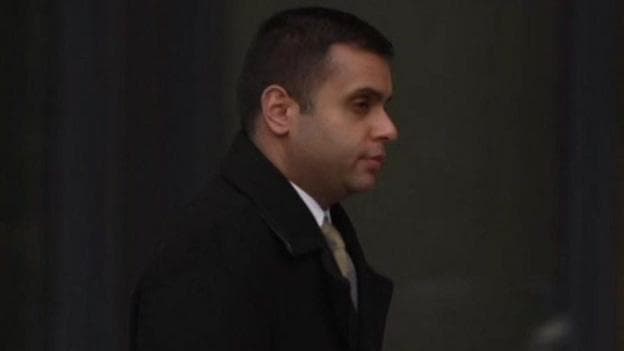
Thames Valley Police has conceded that search warrants used to access Andrew Mountbatten-Windsor's residences earlier this year lacked legal foundation, according to submissions heard in the High Court on Thursday.
The force acknowledged to the court that information it provided to the Old Bailey regarding warrants authorising searches of the former Prince Andrew's Sandringham property and the Royal Lodge in Windsor contained inaccuracies.
Andrew was taken into custody by Thames Valley Police in February on suspicion of misconduct in public office. He maintains he has committed no breach of the law.
The warrants in question were issued on 18 February 2026, the day before his arrest, and his legal team has initiated a judicial review to contest their validity. The challenge targets both the chief constable of Thames Valley Police and the Central Criminal Court.
Andrew's detention followed the release of documents by the US Department of Justice suggesting he had passed confidential material to a convicted sex offender while serving as a UK trade envoy in 2010. He has repeatedly rejected allegations of any impropriety connected to that individual.
During the Thursday hearing, the court learned that Thames Valley Police obtained documents and electronic devices during the raids on Andrew's properties. The warrants contained a critical condition: that reasonable grounds existed for believing documents connected to business activities or roles undertaken with a confidentiality obligation should not be removed.
Thames Valley Police now concedes that the judge who authorised the warrants could not reasonably have been satisfied that this condition was met.
If the warrants are quashed through the judicial review process, evidence gathered during the searches could potentially become unavailable to prosecutors, presenting a significant development in the case.
What happens next
The High Court hearing before Mr Justice Hilliard is scheduled for 2pm on 8 October and will address Thames Valley Police's request to restrict access to court documents. This hearing is not anticipated to resolve the full challenge to the warrants' lawfulness, but rather to address procedural matters regarding document disclosure.