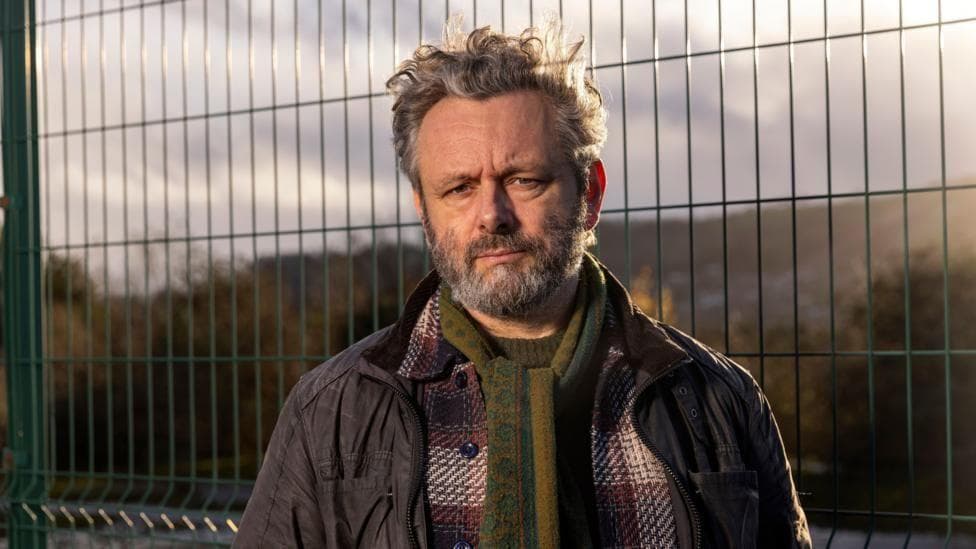
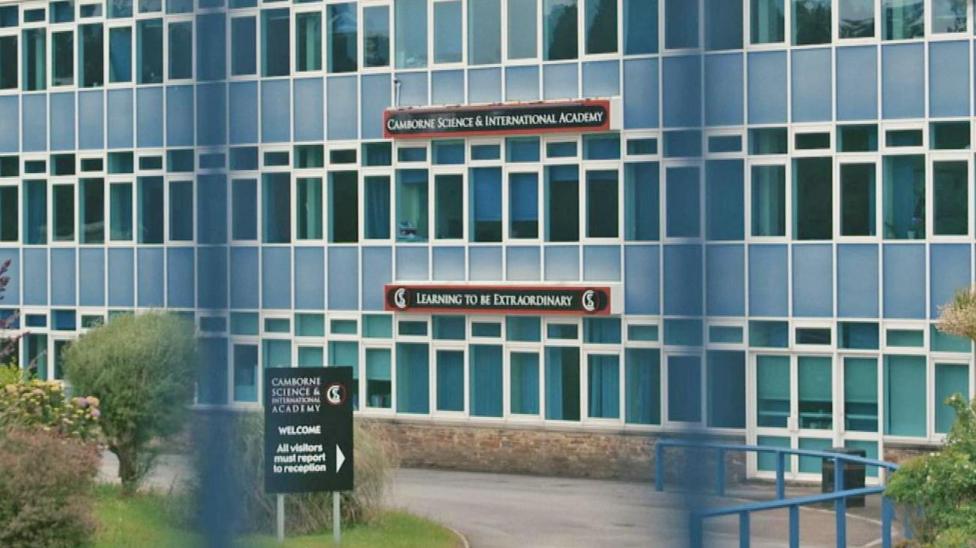
Amelia’s mother, Kayley, says strict school policies at Camborne Science and International Academy in Cornwall made her daughter ill after Amelia stopped drinking water to avoid needing the toilet. The school had introduced tougher disciplinary rules after it was taken over in January 2024 by the Athena Learning Trust, which runs six secondary schools in Devon and Cornwall.
Hundreds of parents, including Kayley, have campaigned against the way Athena runs its schools, and their opposition now appears to have forced a change. Last month, the trust said it was planning to disband and transfer all its schools to other trusts after trustees had “listened carefully to feedback” and recognised the “clear need for change”.
BBC Panorama spoke to nearly 100 pupils, parents and former teachers from Athena schools, many of whom said discipline had gone too far. Two town hall meetings arranged by the programme drew large queues of parents and pupils who wanted to speak.
Some described the schools as “authoritarian” and “cruel”. One student with ADHD said,
“You're constantly scared you're going to do something wrong,”while a former music teacher said the strict discipline had meant his lessons were taught in silence.
Camborne Science and International Academy is one of six schools run by the Athena Learning Trust.
Athena is not the only academy trust to enforce strict discipline. Supporters of tough discipline argue that high expectations can benefit pupils, and exam results at Athena-run schools have improved. The government says about 20% of the school day in England is lost to bad behaviour.
Tom Bennett, the government adviser on behaviour in schools in England, says the benefit of a
“high level of strictness”is that students understand what is expected of them. Speaking generally rather than about individual academies, he said pupils soon realise they have to get into the habit of meeting expectations.
However, concern is growing that punitive disciplinary practices at some schools in England are damaging children. Panorama asks how much discipline is too much and investigates the academy trust where classrooms are silent and pupils can be sent to detention for looking out of the window. Watch on now or on Monday 3 August at 20:00 on BBC One.
Athena’s secondary schools are attended by about 6,500 children. In the past three years, more than 500 children have left to be educated at home, according to Cornwall and Devon county councils.
Why did Amelia stop drinking water?
While at Camborne, Amelia would often come home with the bottle of water she had left with in the morning still full. When Kayley asked why, she says her daughter would reply that she had not drunk anything all day,
“so I wouldn't need to go to the toilet”.
Camborne has strict rules around toilet visits during lessons. Pupils were not allowed to go to the toilet in the first or last 15 minutes of a lesson, and were only allowed to go in the middle of a lesson at the teacher’s discretion, pupils and former teachers told Panorama.
Kayley believes Amelia’s fear of breaking the rules made her ill.
“She's now on antibiotics, she's had water infections, she has got scarring on her kidneys because of this,”Kayley says. Amelia says her time at Camborne
“makes me feel ill, even thinking of it”.
Athena told Panorama that staff work hard to
“support children to remain in education”and
“support access to toilets during lessons”through professional staff judgement.
Academies are independent, state-funded schools that receive their funding directly from central government rather than through a local authority. They have independent control over admissions, curriculum and staff pay. There are no academy trusts in Wales, Scotland and Northern Ireland, but more than 80% of secondary schools in England are now run by them.
Multi-academy trusts like Athena oversee a network of schools. Athena’s reports from the regulator, Ofsted, have mostly been positive.
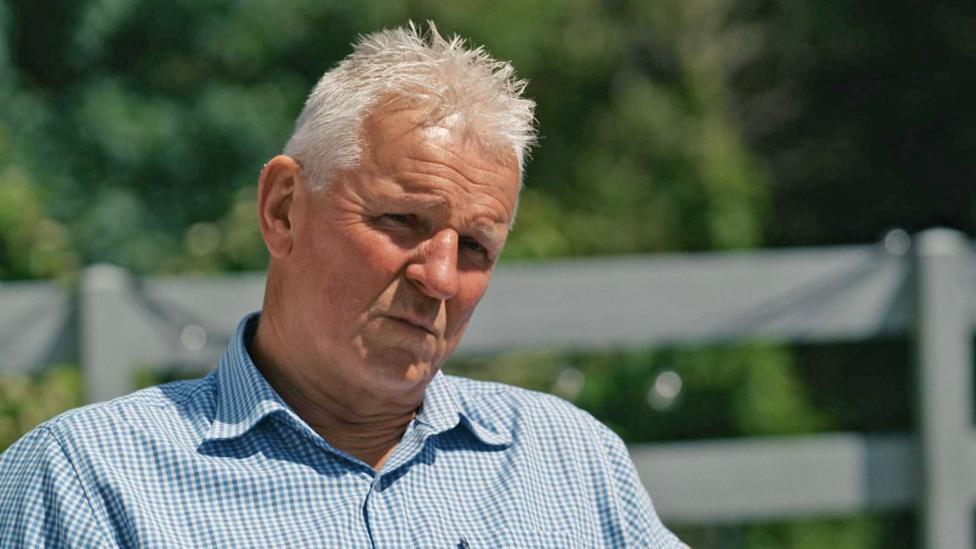
Brian Maywood used to be the head of Launceston College in north Cornwall and was an English teacher there when Athena took over. Initially he welcomed the trust’s highly disciplined approach and was pleased the school was
“moving into a new way of learning”.
His opinion quickly shifted, he says, once he witnessed how the children were treated, calling it a
“dictatorship”. The way students were spoken to at times
“made me really, really uncomfortable”,he adds. He left the school last summer because of these reasons, he says.
The same happened, he says, for the former head of art, Estelle Pears.
“There is discipline and then there is being oppressed,”she says.
“It sounds dramatic, but that's what it became.
“If you're frightened of moving a pencil on a desk because you will get a sanction, that's beyond discipline.”

Former Athena teachers who spoke to Panorama said they were forced to uphold the trust’s strict rules and that some made little sense. Ieuan Horgan says his music lessons had to be taught in silence.
“At the start of the lesson, I would go through how to play the musical notation, and then the lesson would just be silent focus on trying to learn this musical notation,”he says.
“They pushed for 100% distraction and disruption-free lessons - and 100% silent focus - in a music lesson.”
Pupils told Panorama they could be punished for minor offences. Bethany, who has just finished her GCSEs at Camborne, describes the strict and regimented approach as
“demoralising”and
“like you're being talked to like you were a primary school kid”.
Athena schools have a two-strike policy: a warning for one mistake, then being sent out of class for the second. Students then go to what is called “reflection” - a room where they work in silence from workbooks.
At Launceston College there were about 1,000 cases a month of pupils being sent to “reflection” rooms between September 2025 and March 2026, according to figures released by the trust.
Athena says reflection rooms are
“supervised environments”where
“students continue their learning independently”.It says it does not have a rigid two strikes policy and that the
“vast majority of students spend little or no time in these spaces”.Students are not normally punished for isolated minor issues, it adds.


Some parents say children with special educational needs and disabilities are disproportionately affected by Athena’s strict policies. April, whose son Jack has special educational needs and has just finished his GCSEs at Ilfracombe Academy, says he was sent to reflection countless times.
He could not cope with the regimented environment, she says.
“Just to look out the window to refocus, that's not harming any of the other children or their education within the room - but that's enough to be sent out, because that's him not focusing on the teacher.”
Jack was also suspended - sent home from school - dozens of times. He is far from alone. The suspension rate at Ilfracombe Academy was almost five times higher than the average in England, according to government figures for 2023 to 2025. At Camborne, it was about five times higher than the average and three times higher at Launceston, according to the same figures.
Athena says suspensions are reserved for
“serious or repeated breaches of behaviour expectations”and that rates have fallen significantly in the past year.
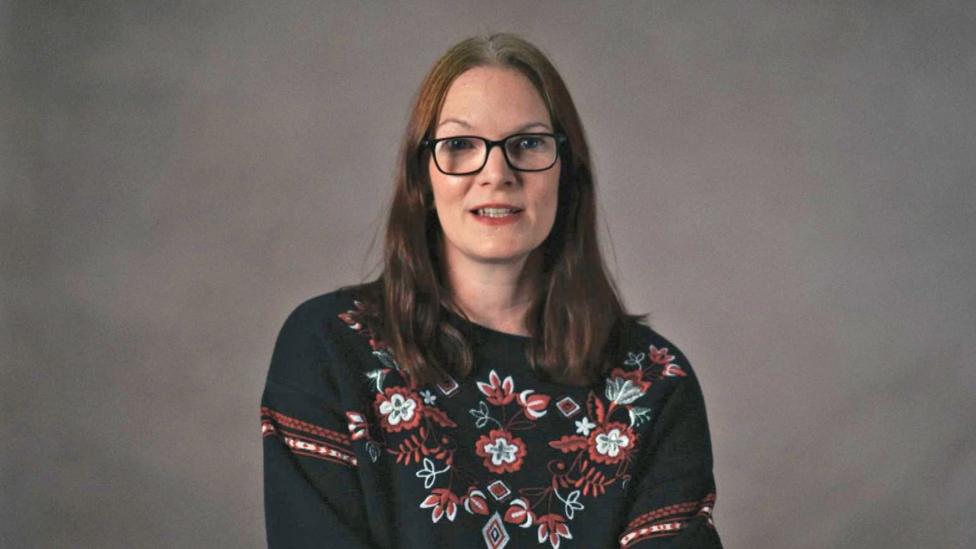
April and Jack’s concerns were echoed at the town-hall events. More than half of the dozens of parents and pupils who turned up were concerned about the impact on students with special educational needs.
Finn, a student at Camborne with ADHD, says it was a difficult environment for neurodiverse pupils.
“You're constantly scared that you're going to do something wrong,”he says.
Faye, whose son has special educational needs and attends Pool Academy, says he had spent 96 hours in reflection in the past school year.
“Day in, day out, he feels like he's failing,”she says.
Zara says her autistic daughter Hannah, who has hearing difficulties and attends Ilfracombe Academy, was repeatedly removed from class because her needs were not recognised.
“Behaviour is just put down to persistent defiance and bad behaviour, and they're punished for it,”she says.
“It's never recognised as being linked to their disabilities.”
Athena told Panorama that children with special educational needs are
“not routinely sanctioned for behaviours associated with their needs”.
Why are parents angry about accountability?
A lot of the anger heard in Devon and Cornwall, Panorama was told, is down to the lack of accountability. Academy trusts do not have any supervision from local councils, meaning only central government can intervene.
One of the biggest weaknesses of the trust system is that it complicates the complaints process, says education journalist Laura McInerney, who co-founded Teacher Tapp, an app designed to track educators’ wellbeing, classroom practices and opinions on education policy. If parents are not satisfied with a specific school’s response, she says, they have to contact the trust, which could be miles away and which
“you may or may not hear from in anything other than a letter”.
The government says parents can take complaints about academy trusts to the Department for Education.
Across England, concern is growing about punitive disciplinary practices in schools. BBC File on 4 Investigates recently found that a school in Wakefield, West Yorkshire, put a pupil in an isolation booth away from the classroom for more than half an academic year.
Pupil put in isolation booth for more than half a school year, BBC learns
A safeguarding review last year also found that an east London school’s zero-tolerance policy involved pupils being routinely humiliated by shouting and prioritised control above all else, leaving some children with lasting psychological harm.
A team at law firm Leigh Day is now investigating potential legal claims on behalf of 50 families who believe their children may have been subjected to excessive or inappropriate disciplinary measures while at school.
However, there are many who argue that education built on tough discipline and high expectations can benefit pupils.
The government’s adviser on behaviour, Tom Bennett, told Panorama that discipline is vital, including for children with special educational needs.
“If you've got, for example, ADHD or an anxiety disorder, what you need more than anybody else is a calm, safe, dignified environment. Otherwise, you'll be massively distracted by the environment round about you,”Bennett says.
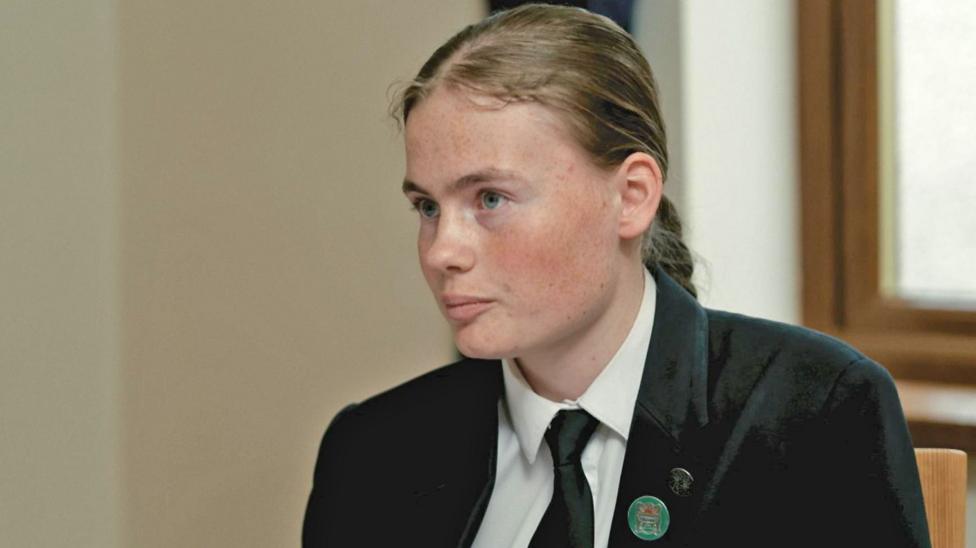
In Devon and Cornwall, parents appear to have won in their campaign against Athena. In May, the head of the trust, who implemented the tough discipline, resigned. Last month, the trust announced it was planning to disband.
In a statement, Athena said it had
“listened carefully”and recognised the
“clear need for change”.It said it would work with the Department for Education to
“identify alternative trusts”to which the schools could transfer. Until then, Athena will keep running the schools.
The Department for Education told Panorama the allegations about Athena are
“serious and concerning”and that it is
“taking robust action to make sure the trust improves”ahead of the schools transferring. The trust is now
“subject to enhanced monitoring”to make sure its
“approach to pupil behaviour is reasonable and proportionate”, it says.
Bethany says the school has caused
“incredible harm”.
“They need to change the way that they're thinking they can teach students as a one-size-fits-all.”
##