From Diana's pointed observation that "there were three of us in this marriage" to the palace's cryptic response that "recollections may vary", the monarchy has long mastered the art of the diplomatically constructed public statement. King Charles's recent rebuttal to claims made by Earl Spencer in his forthcoming memoir demonstrates how much meaning can be conveyed through precisely chosen language when the stakes are highest.
Earl Spencer's book, Swan Song: Diana, My Sister, scheduled for release on 22 September 2026, contains an allegation that Charles told him days after Diana's death and during a heated dispute over funeral arrangements: "Rest assured, we'll forget her soon enough." According to CNN, Spencer claims Charles "hissed" these words during a phone call, unleashing what the earl characterised as "pent-up contempt" for Diana.
The palace's response came swiftly—little over an hour after the Daily Mail published its first serialised extract from the memoir. Rather than issuing a direct denial or offering an alternative account, Buckingham Palace released a statement attributed to Charles himself:
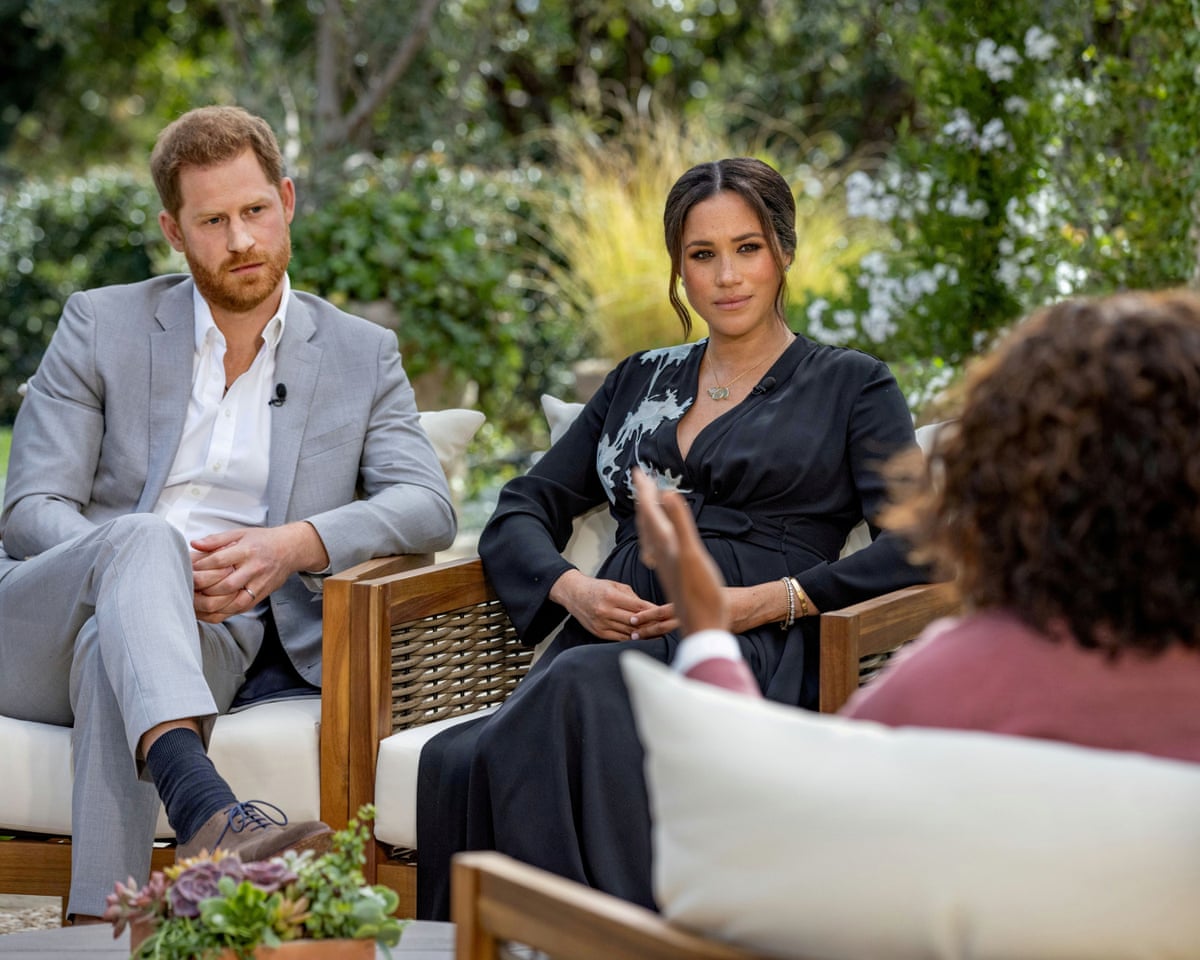
"The pain of fraternal grief can cloud reason, affect judgment and colour memory in ways others do not recognise, even many years after such a loss."This formulation will join the canon of carefully constructed royal pushbacks, comparable to the late Queen Elizabeth's famous "recollections may vary" response to allegations made by the Duke and Duchess of Sussex during their 2021 Oprah Winfrey interview.
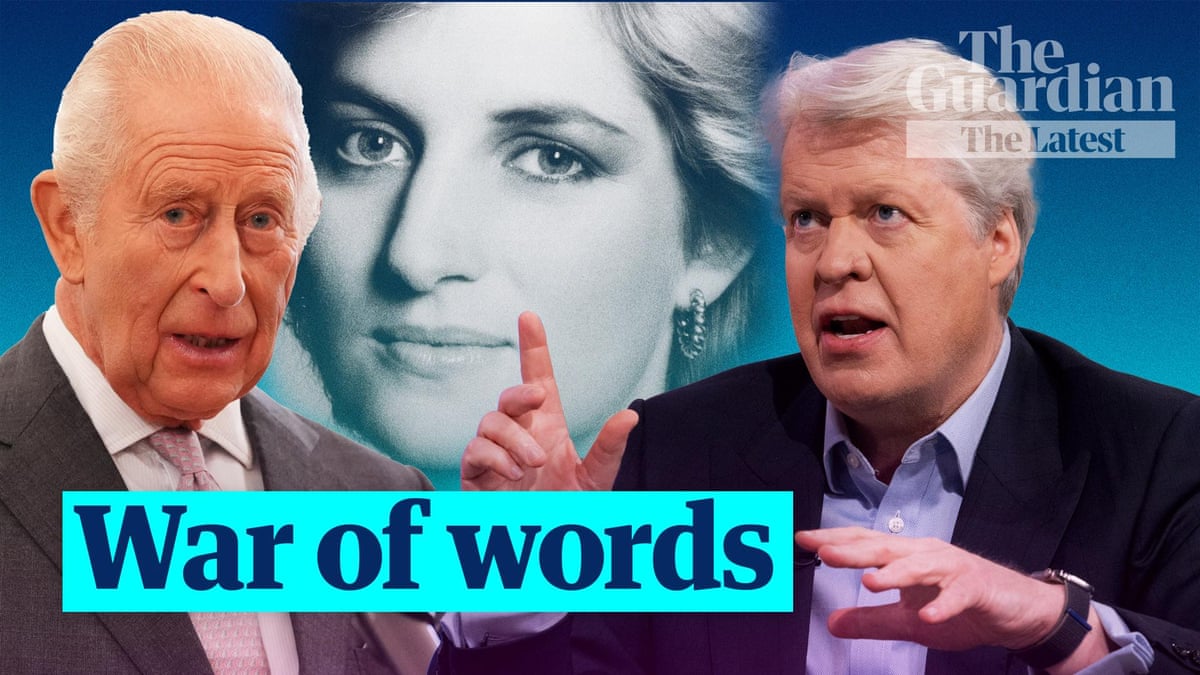
Spencer has publicly doubled down on his account. According to reporting from a national news outlet, the earl has reaffirmed that he is telling the truth about the alleged phone call with Charles after Diana's death, saying the quoted words were "exactly" what the king said. This intensifies the row as the memoir's publication date approaches.
Why the Palace Felt Compelled to Respond
Buckingham Palace rarely comments on books written about the royal family. The decision to issue a statement at all signals the gravity with which the household viewed Spencer's allegation. Julian Payne, Charles's former communications secretary, explained the reasoning to the BBC's Today programme:
"This is a much more personal situation, given its author, and therefore has a greater ability to do harm."He added that given the volume of matters the palace chooses not to comment on, "you can imagine the strength of feeling" behind this intervention.
According to multiple news reports, the palace's response was unusually direct because it attributed a reaction to the king himself, making this one of the sharpest public royal pushbacks in years. The fact that Payne felt able to speak so freely to the media, despite remaining close to Charles and being scheduled to sit alongside him at an AI summit hours later, suggests his defence came with official sanction.
The Language of Royal Denial
Senior courtiers are often drawn from the diplomatic service and possess highly developed skills in couching passive-aggressive denials. Deploying delicate language to devastating effect is a stock-in-trade at the Foreign Office, and the palace has imported this expertise. However, the royal mantra remains "never complain, never explain"—making any public statement a significant departure from protocol.

What is said behind palace doors usually remains private, and the language may be considerably less sensitive than public pronouncements. But a carefully chosen phrase released to the media pulls back the privacy screen and sends a message to both the immediate audience and the broader public.
Historical Precedent: How the Royals Have Responded to Public Challenges
When Diana gave her highly controversial 1995 Panorama interview, she reaped public revenge on her then-husband and Camilla Parker Bowles by observing that "there were three of us in this marriage, so it was a bit crowded." In return, Diana found herself on the sharp end of Elizabeth's ire weeks later. After Diana failed to respond to the queen's request that the couple divorce, a palace spokesperson issued a statement:
"After considering the present situation, the queen wrote to both the prince and princess earlier this week and gave them her view, supported by the Duke of Edinburgh, that an early divorce is desirable."The matter was now, officially, out of Diana's hands.
More recently, white fury was behind the Duke and Duchess of Sussex's statement in February 2021:
"We can all live a life of service. Service is universal."It was widely read as a succinct and direct challenge to the late queen's insistence that they could not keep their public service roles after stepping down as working royals.
Meghan was less direct in a 2019 interview with ITV's Tom Bradby, in which he asked whether she was managing life as a royal with a newborn, Prince Archie.
"Thank you for asking, because not many people have asked if I'm OK,"she replied. The remark was widely interpreted as directed at the palace and the institution itself. Many of the claims the Sussexes later made in television interviews and in Harry's memoir Spare centred on the allegation that the duchess had been unsupported throughout her time as a working royal.
The Exception: Prince Philip's Blunt Approach
One royal famously deficient in the art of the diplomatic rebuke was the late Duke of Edinburgh. Philip was renowned for his gaffes and his refusal to soften his language for public consumption. When a BBC journalist politely asked the queen at a banquet at the Élysée Palace whether she was enjoying her stay in Paris in 2006, Philip dispensed with tact entirely, snapping:
"Damn fool question!"His approach stood in stark contrast to the carefully calibrated statements that have become the hallmark of modern royal communications.
What Happens Next
Spencer's memoir is due to be published on 22 September 2026. The Daily Mail's serialisation began before the official release date, meaning further extracts are likely to surface in the coming days, potentially reigniting the dispute. The palace's early intervention suggests the household is braced for additional claims that may require further response as the book reaches the public.
The row has revived public focus on the famous 1997 funeral procession at Westminster Abbey, where William and Harry walked behind their mother's coffin—the very arrangement that Spencer claims sparked the heated phone call with Charles. This dispute over funeral arrangements, unresolved for nearly three decades, has now become a central point of contention in the modern monarchy's relationship with its own history.