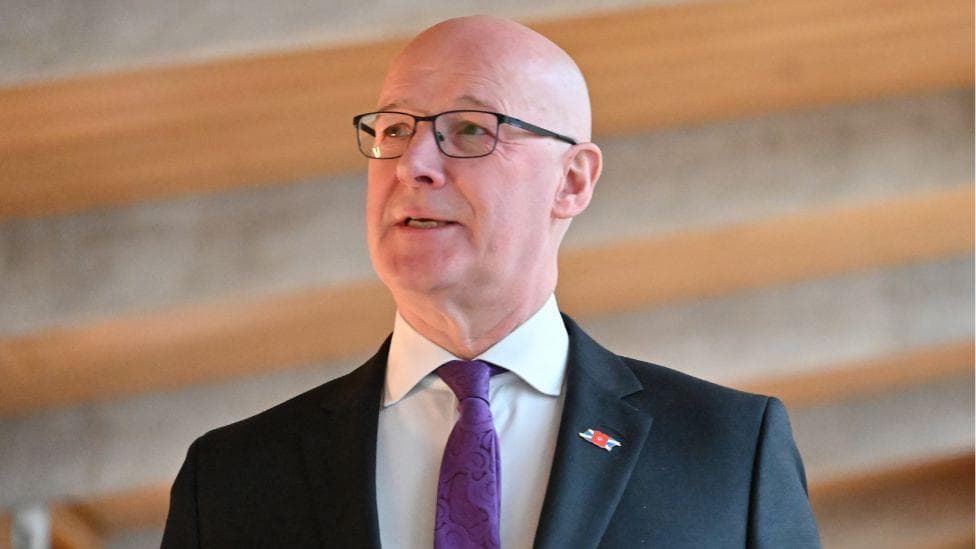
First Minister John Swinney has expressed opposition to the UK government's proposed ban on fresh oil and gas exploration in the North Sea, arguing that fossil fuels will remain necessary for years ahead. According to BBC News, Swinney told Members of the Scottish Parliament that a rational case exists for further exploration if projects produce lower carbon emissions than importing fuel from abroad.
The Scottish government's 2023 energy strategy had previously set out a presumption against new oil and gas drilling. However, the Swinney administration appears to have shifted its position, particularly since the outbreak of conflict in the Middle East. Scottish ministers continue to emphasise that any oil and gas developments must align with the government's carbon reduction targets.
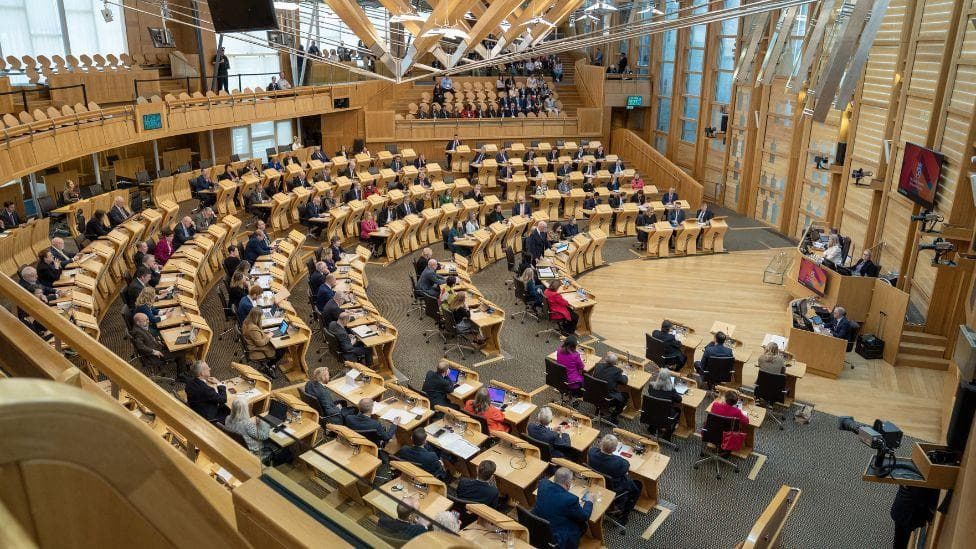
At First Minister's Questions, Swinney stated:
The government has set out our view that because we are going to be using oil and gas for years to come there is a rational basis for considering oil and gas developments within our own jurisdiction if they offer lower carbon emissions than imported oil and gas.
He acknowledged that the UK government's Energy Independence Bill contains several measures his administration supports, but made clear his opposition to specific provisions.
But we do not support the provisions of that bill in relation to the position on the granting of new licences.Swinney explained that individual applications must be assessed against their impact on carbon reduction targets, given continued reliance on oil and gas in the coming years.
What does the UK bill propose?
The Energy Independence Bill, introduced to Parliament on 4 November 2026, would remove the North Sea Transition Authority's ability to grant new oil and gas licences, fulfilling a Labour manifesto commitment. The legislation represents a significant tightening of UK energy policy compared to previous administrations.
However, the bill would permit additional production from already-explored areas through a new mechanism called Transitional Energy Certificates. These certificates could allow production from areas adjacent to existing licensed fields or within existing field boundaries, potentially unlocking around 60 million barrels of oil and supporting hundreds of jobs across North Sea communities.
The bill also proposes updating the North Sea Transition Authority's objectives and powers to position it as a steward of the energy transition. Energy Secretary Miatta Fahnbulleh said the legislation would help to
build a clean energy future which people feel in their pockets, households and communities, ensuring support reaches those who need it most.
The wide-ranging bill would also formally scrap gas standing charges and introduce reforms designed to accelerate grid connections for renewable energy projects.
What about the Rosebank decision?
The UK bill does not affect the separate decision on whether to permit drilling at Rosebank off Shetland, the UK's largest known untapped oil field. That project was approved in 2022 but has faced legal challenges. Swinney has repeatedly declined to state explicitly whether he supports drilling at Rosebank, maintaining ambiguity on the politically contentious issue.
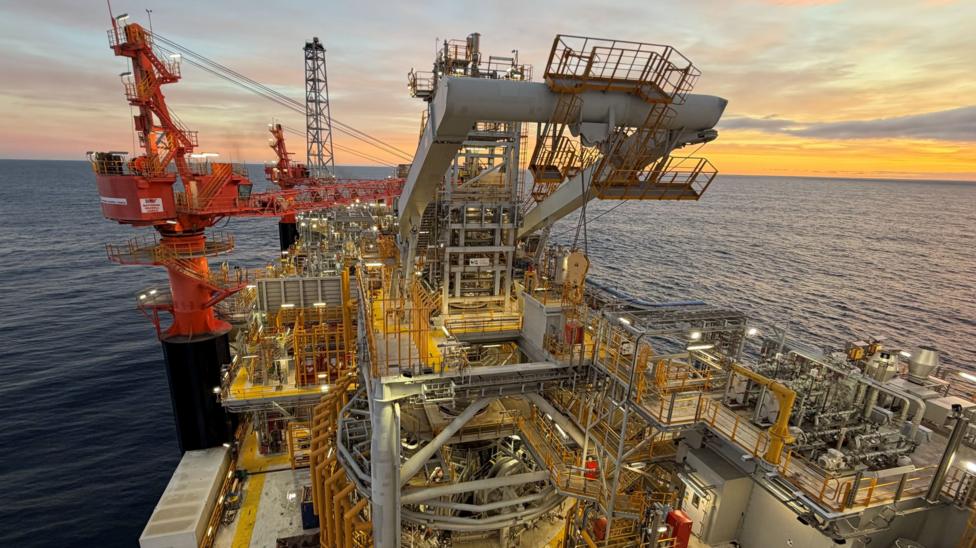
At an earlier First Minister's Questions session, Scottish Green co-leader Ross Greer argued that Rosebank would overwhelmingly produce oil for export and questioned whether the project could satisfy a climate compatibility test. A decision on Rosebank approval was expected imminently, according to reporting on 5 November, with the bill itself not determining that outcome.
How have opposition parties responded?
Scottish Greens co-leader Gillian Mackay characterised Swinney's position as a
shocking U-turn.She continued:
It is a huge departure from only a few years ago when the Scottish government was committed to a presumption against oil and gas. When even the UK government is taking a stronger position, it shows how far the SNP has drifted. It is a shameful retreat and a slap in the face for future generations.
Mackay's criticism reflects a broader pattern of tension within Scottish politics over energy policy. At the Scottish Greens' conference on 24 October, she had urged Swinney to oppose Rosebank and criticised what she described as his years of indecision on oil and gas matters.
Beyond Scotland, opposition to the bill has emerged from other quarters. Shadow energy secretary Andrew Bowie warned that the ban would increase reliance on foreign energy imports, raising concerns about energy security and the competitiveness of UK energy markets.
What is the SNP's parliamentary strategy?
The SNP intends to seek removal of the ban on new oil and gas drilling from the bill during parliamentary proceedings. If this amendment fails, the party has indicated it will oppose the legislation despite supporting other measures contained within it, including provisions on standing charges and grid connections.
This position reflects the tension between the SNP's historical commitment to climate action and its economic concerns about North Sea communities. The party's approach differs markedly from its earlier stance under former First Minister Nicola Sturgeon, when the Scottish government had proposed a presumption against new oil and gas developments.
What happens next?
The Energy Independence Bill must proceed through Parliament before becoming law. If passed, it would formally remove the North Sea Transition Authority's power to grant new oil and gas licences, fundamentally reshaping the regulatory framework for offshore energy development in UK waters. The separate decision on Rosebank remains pending, with ministers expected to announce their determination in the coming weeks.