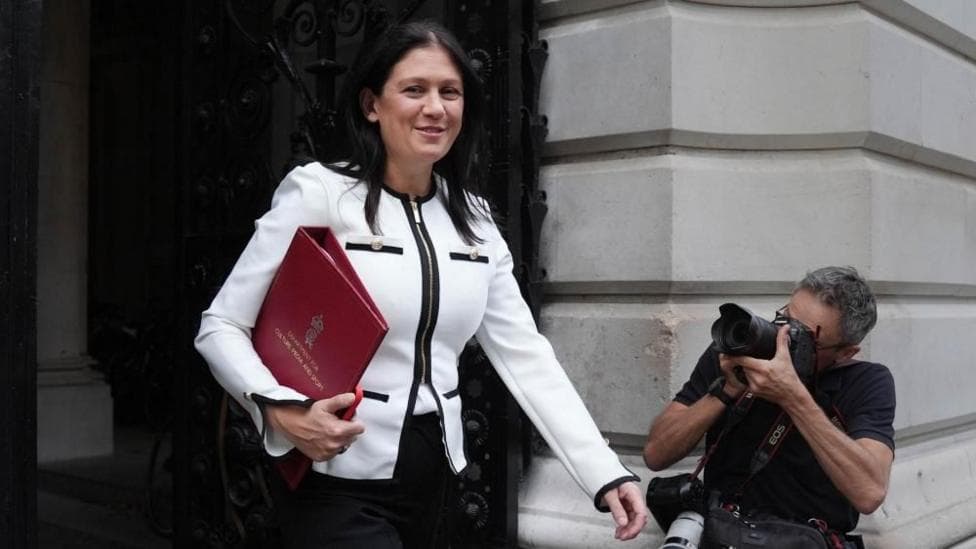
Culture Secretary Lisa Nandy has pledged to strengthen legislation against "doxxing" following a campaign of online harassment targeting lifeboat volunteers involved in migrant rescue operations. The government will move to make the publication of people's home addresses and personal details a standalone criminal offence, rather than relying on existing laws that require proof of intent to cause fear, harm and distress.
Nandy convened a meeting with social media companies on Tuesday afternoon to discuss the abuse, but expressed frustration at the absence of platform X, describing it as a "disgrace" for failing to attend. During discussions with other firms, she found "wildly varying standards" in how they handle doxxing material, with TikTok committing to automatic removal while Meta—owner of Facebook and Instagram—declined to do so.
The push for legal reform follows weeks of intimidation directed at RNLI staff and volunteers. According to reporting from a regional broadcaster, the harassment intensified during the weekend of 5-6 September, when anti-migrant protests took place in Portsmouth and Dover. Nandy wrote to RNLI staff and volunteers saying she was "shocked and saddened" by their targeting during these demonstrations.
Speaking to BBC Breakfast, Nandy expressed her alarm that volunteers, police officers, social workers and journalists were "being doxxed online" with their names, photographs and addresses published.
"And frankly, X didn't even bother to turn up yesterday which shows real contempt for people's safety and security and their obligations to society,"she said of the platform's absence from the meeting.
What is the current legal position on doxxing?
Currently, sharing someone's personal information online is only prosecuted as a criminal act if prosecutors can demonstrate clear intent to cause fear, harm and distress. This narrow definition has left many cases of harassment without adequate legal recourse. According to legal analysis, there remains no standalone doxxing offence in England and Wales, with cases typically handled under other legislation instead. Nandy's proposed changes would create a specific law addressing the practice directly.

How widespread has the abuse of RNLI volunteers been?
The targeting of RNLI staff has been extensive and coordinated. Verification work found viral social media posts about those involved in migrant crossing operations, some of which wrongly identified RNLI crew members and called for their families to be tracked down. Sussex Police confirmed it was proactively supporting the RNLI over the safety of its staff and volunteers following offensive and threatening commentary directed at them online.
The RNLI's chief executive condemned both online and physical abuse the charity had received over English Channel migrant crossings. This followed protests after 120 people landed on Portsmouth's shores from France with the RNLI's assistance. According to coverage of Nandy's response, she is considering further action to "stamp out" doxxing and to ensure platforms remove harmful and illegal content far more quickly.
What is the scale of RNLI rescue operations in the Channel?
The RNLI has sought to place its migrant rescue work in context. The charity conducted 9,058 lifeboat launches last year, of which only 109 involved people "in distress in the Channel"—representing just 1.2% of its total rescue activity. The RNLI's chief executive added that around 95% of small boats were intercepted by the UK Border Force, not by the charity.
What are the government's concerns about social media regulation?
Nandy has also criticised what she describes as "incredibly slow" progress in enforcing the Online Safety Act, the government's flagship legislation designed to tackle online abuse. She has called on regulator Ofcom to accelerate its work. Speaking to the BBC Radio 4 Today programme, she outlined "major challenges" with enforcement, noting that only two penalties had been issued to companies so far but no fines had yet been paid.
In earlier comments to Parliament, according to parliamentary reporting, Nandy said she had already held an initial discussion with some tech companies about doxxing and described herself as "personally concerned" about the issue.

What happens next?
Nandy is due to hold a roundtable with social media companies to discuss harmful online content and doxxing. She has signalled her intention to meet with platforms to press them to remove harmful and illegal content more quickly, and the government has indicated it "will not hesitate to take action" to make clear that publishing people's addresses online constitutes an offence requiring swift intervention.
Key Facts
- Only 109 of 9,058 RNLI lifeboat launches last year involved people in distress in the Channel, representing 1.2% of the charity's rescue work
- Platform X failed to attend a government meeting on doxxing, prompting criticism from the Culture Secretary
- Currently, doxxing is only prosecuted as a criminal offence if intent to cause fear, harm and distress can be proven
- Two penalties have been issued under the Online Safety Act but no fines have yet been paid
- Anti-migrant protests in Portsmouth and Dover during the weekend of 5-6 September preceded the intensified targeting of RNLI volunteers