

MPs Criticize Government Over Student Loan Comparisons
A group of MPs has stated that comparing student loan repayments to phone contracts or cinema tickets "amounted to mis-selling" by the government.
In a new report, the Treasury Committee also highlighted that students were not adequately informed that loan terms could change retrospectively. The committee called for a reversal of the decision to freeze the income threshold at which some graduates begin repaying their loans.
Last year, Chancellor Rachel Reeves announced that the repayment threshold for students with Plan 2 loans would be frozen at £29,385 between 2027 and 2030, rather than increasing in line with inflation.
Both the government and the Student Loans Company acknowledged the committee's contribution to the student finance debate.
A spokesperson for the Student Loans Company stated they "recognise the importance of ensuring that students and borrowers across all repayment plans have access to clear, accurate and timely information about student finance".
A government spokesperson said ministers were "already taking decisive action" and would "continue to look for ways to make the system fairer for students, graduates and taxpayers in a financially sustainable way".
Details on Plan 2 Loans and Repayment Threshold
Plan 2 loans were taken out by students in England between September 2012 and July 2023 and are still issued in Wales. Graduates automatically repay 9% of their earnings above the repayment threshold.
Freezing the threshold means graduates start repaying their loans sooner or pay more as their salaries increase with inflation while the threshold remains unchanged.
Committee Report Highlights Misleading Comparisons
The committee's report referenced a BBC investigation that found the government compared student loan repayments to £30-a-month phone contracts in promotional presentations to teenagers a decade ago.
As this comparison was "inaccurate for higher earners," the report stated it "amounted to mis-selling."
The committee noted that although the government's student loan policies are exempt from consumer protection laws, it expects the government "to comply with not only the law, but basic fairness and common decency."
Campaigners and Graduates Respond
Oliver Gardner, founder of campaign group Rethink Repayment, said the inquiry had concluded "what we have known for years".
"The student loan system is unfair, unsustainable and in urgent need of reform," he said.
Lewis Wilson, from the National Union of Students, said the next Labour administration could bring in "immediate fixes" by raising the repayment threshold and lowering the repayment rate, but said the system needed "fundamental reform" in the coming years.
Graduate Experiences Highlight Challenges
Laura-May Nardella recalled having her future loan repayments compared to a mobile phone contract when she was a teenager.
Now 31, she said her repayments actually total hundreds of pounds a month.
"If I look at my 2025 repayments, I've paid over £3,000," she said.
"That isn't a phone bill. That's three brand new phones."
Laura-May Nardella said she and her husband pay almost the same on their student loan repayments as their mortgage each month.
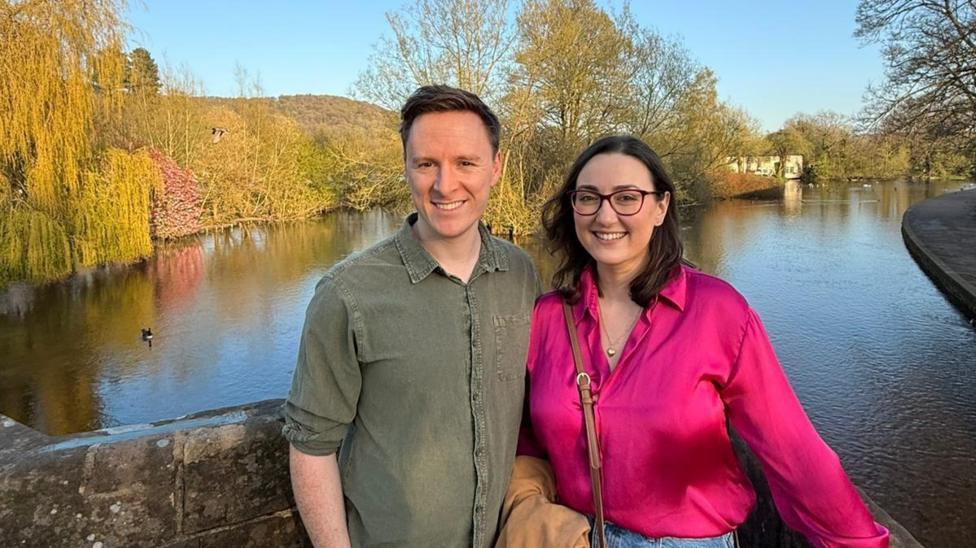
Despite this, the Cambridge graduate, who now works in HR, said her overall debt had increased rather than decreased.

This is because, as a higher earner, her loan debt has accrued interest at a rate of 6.2%.
"That is the most difficult thing when it comes to the Plan 2 loan - that it feels like you're not chipping away," she said.
"It's quite psychologically difficult. And it's not how it was sold to us at the time."
She said she felt "very fortunate" to have been able to buy a house with her husband, but their student loan debt "hangs over our heads."
"Imagine where that money could have gone. It could have gone into retirement planning, it could have gone into funding for future plans, things like children," she said.
"It's an unfair loan and an unfair burden to put on young people."
Inquiry Findings and Public Feedback
The inquiry found that many people did not understand the terms of their student loans.
MPs launched the inquiry into student loans in England amid "widespread dissatisfaction" over repayment terms.
Thousands responded to the inquiry's call for evidence, stating they did not fully understand the terms and conditions before taking out their loans.
At the time, Treasury Committee chairwoman Dame Meg Hillier said "the massive scale and strength of frustration and upset [was] powerful."
Changes to Student Loan Plans
In 2023, Plan 2 loans were replaced for undergraduates in England with Plan 5 loans.
Graduates with Plan 5 loans start repaying at a lower salary threshold of £25,000, and the loans are written off after 40 years, rather than 30.
The Treasury Committee's report said this shifted the burden of paying for higher education from the highest earners towards all loan holders.
Student Perspectives on Repayment
Architecture student Emma Cook, 20, told BBC Your Voice that the prospect of repaying 9% of her salary above the threshold for the next 40 years was "depressing."
However, she said she felt "lucky" to have avoided Plan 2 interest rates, which vary depending on income.
Emma is about to complete her undergraduate degree at the University of Greenwich and has £50,000 worth of student debt.
She has been seeking a work placement to continue her studies and pursue her dream of becoming an architect.
After sending dozens of applications, she said she felt pressure to find paid employment quickly to prevent her loan from accruing excessive interest.
"It's quite rough," she said. "If I don't get a job, I can't pay back the student loan. And it's just going to sit there accumulating for a long amount of time.
"So the sooner I get a job, the better."
She expressed a desire for more apprenticeship routes and employment opportunities for graduates.
"Sure, everyone wants a graduate, right?" she said.
"But no one wants to hire one."

Get in Touch
Have you been affected by issues covered in this story?



