

Jodie fled her hometown with her seven-year-old daughter carrying only two black bin bags of belongings, becoming part of what a charity describes as a rising tide of "hidden homelessness" across the UK. The pair spent a year sleeping on sofas and floors in Margate, Kent, after a brief spell in council emergency accommodation, before eventually securing stable housing with help from a homelessness charity. Her story comes as housing groups warn that concealed forms of homelessness — invisible in official rough-sleeping counts — are becoming more widespread as rents climb and evictions increase.
Jodie, who was 30 at the time and is now 42, said she had no choice but to abandon almost everything she owned.
"I had to leave everything," Jodie said. "The bags were mainly my daughter's clothes and her dolls."
She settled on Margate because she and her daughter had previously spent summer and half-term holidays there, even though it meant separating from wider family and friends.
"I wanted to go somewhere that wasn't very alien for my daughter," said Jodie.
"It was still scary, but I had to be the strong one and protect her. I had to do it so that my daughter could have a life."
What was life like without a stable home?
After the council placed them in short-term emergency housing, Jodie and her daughter relied on the goodwill of people they had met locally, moving between sofas and floors for roughly twelve months. Jodie described the experience as humbling but deeply distressing.
"You're honoured that they're giving you a roof over your head," Jodie continued. "But it wasn't nice. I didn't feel worthy as a mother - my child deserved stability and a roof over her head.
"It was also exhausting and confusing because I didn't know what our future was going to look like."
Jodie said the isolation of that period took a toll on her mental health to the point where her young daughter had to take on a caring role for her.
"I didn't even know what day it was [or] who I was, because I was not settled," she said.
Why is hidden homelessness increasing?
Cherisse Dealtry, chief executive of the York Road Project in Surrey, said arrangements such as sleeping in vehicles, staying temporarily with friends, or living in garages have existed "for a very long time" but are becoming more common.
"Anyone's going to try and support their family or friends to have somewhere to stay rather than see them sleeping on the street," she said.
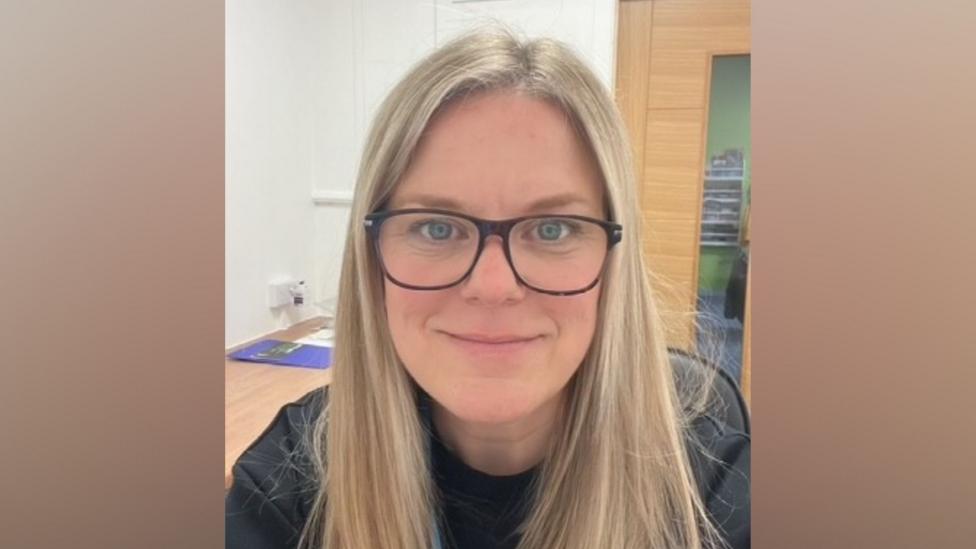
Dealtry attributed the growth in hidden homelessness to the mounting difficulty of finding affordable, decent housing alongside employment that covers basic living costs. She also pointed to a wave of landlords evicting tenants ahead of the Renters' Rights Act coming into effect, which she said had contributed to a spike in people quietly losing stable housing.

"The impact of homelessness, even if you're a sofa surfer, is really significant," Dealtry continued.
"Those affected face uncertainty, stress, poor mental health, difficulties maintaining employment, relationships, access to essential services – it's terrible.
"We see people coming through our door and they're absolutely broken."
The York Road Project, which offers support to people dealing with housing instability and mental health difficulties, argued that the issue reflects systemic failure rather than personal choice.
"Homelessness is not a lifestyle choice. It's an indictment of a broken system."
The organisation is urging ministers to boost funding for preventative support and to accelerate the building of new social housing.
"There's not enough money in order to support people before they meet crisis point," Dealtry said.
How big is the hidden homelessness problem really?
Dealtry said the true scale of the issue is likely far greater than official figures suggest, precisely because so much of it goes unrecorded.
"It's hidden because you just don't know about it," Dealtry said.
"It is such a hard thing for people to accept that things aren't going so well. Asking for help is a really stigmatic thing to do - [you] get on with it and hope things will change.
"Everyone believes that when you become homeless it's your fault, but it's not. There are so many things that can factor in to what happens to someone."
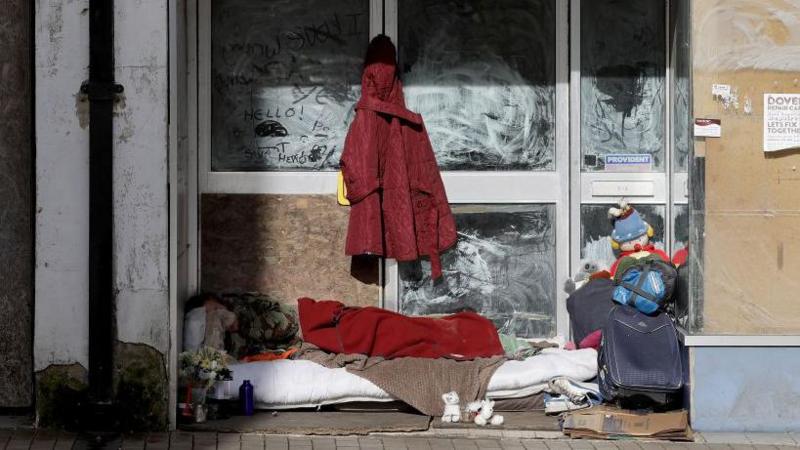
Recent government data lends some support to Dealtry's concerns about scale. According to the UK government's English Housing Survey 2024–25, around 1.6 million households — roughly 6% of all households — contained at least one additional adult who wanted a home of their own but could not afford it. Officials define people in these kinds of unseen, overcrowded or unsuitable living arrangements as the "hidden homeless," according to the government's homelessness strategy analytical annex.
That same annex notes that both statutory homelessness and rough sleeping have climbed sharply in recent data, a trend that helps explain the growing policy focus on less visible forms of housing insecurity.
How does this fit into the wider housing crisis?
Jodie's experience echoes accounts from other groups struggling with Britain's housing pressures. Younger people have also been affected, as detailed in earlier coverage of two teenagers' experiences of youth homelessness in Wales, while older adults have faced their own version of the crisis, described in a report on rising homelessness among people over 55 linked to soaring rents and benefit freezes. In Cornwall, meanwhile, housing shortages and tourism-driven rent rises have pushed some young residents into living out of vans rather than conventional homes.
What is the government doing about it?
A spokesperson for the Ministry of Housing, Communities and Local Government said Prime Minister Andy Burnham had set out ambitious plans to tackle the crisis.
"[Andy Burnham has] set out a bold ambition to end homelessness and rough sleeping at the earliest opportunity."
"We've already announced an immediate £340m cash boost to support this ambition, which sits alongside our other work to fund vital support services and takes total investment to £3.9bn," they added.
"We're also investing £39bn in the biggest long-term boost to social and affordable housing in a generation to support more people into stable homes."
Where is Jodie now?
Jodie eventually found secure housing with assistance from the charity Porchlight, where she now works as a volunteer, helping others going through similar experiences. She said she still feels physical effects from her time without a stable home.
"I still suffer from backache to this day from sleeping on the sofa... and the floor."
Key Facts
- Jodie fled her hometown with her seven-year-old daughter, carrying only two bin bags of belongings, and spent a year sofa-surfing in Margate, Kent.
- Cherisse Dealtry of the York Road Project says hidden homelessness — sofa-surfing, sleeping in cars or garages — is rising amid unaffordable rents and evictions tied to the Renters' Rights Act.
- According to the English Housing Survey 2024–25, around 1.6 million UK households contained an adult unable to afford independent housing.
- The government says it has committed £340m in immediate funding and £39bn toward social and affordable housing as part of a wider £3.9bn homelessness investment.
- Jodie has since secured stable accommodation and now volunteers with the charity Porchlight.


