

Introduction
Richard Hewett, aged 59, faced homelessness after his relationship ended and he had to leave his partner’s council house. His disability benefits were insufficient to secure his own flat in Essex, leading him to sleep in his car.
At 6ft 2in, Hewett struggled to fit and rest in a Ford Focus. After breaking his ankle, he was unable to care for it properly, developed sepsis, and ultimately had his leg amputated.
“It was horrendous,” he said. “People are so terribly judgmental … It really had quite an effect on my mental health.”
He also experienced shame due to his inability to maintain his appearance and the indignity of using a park as a toilet, where passersby questioned him.
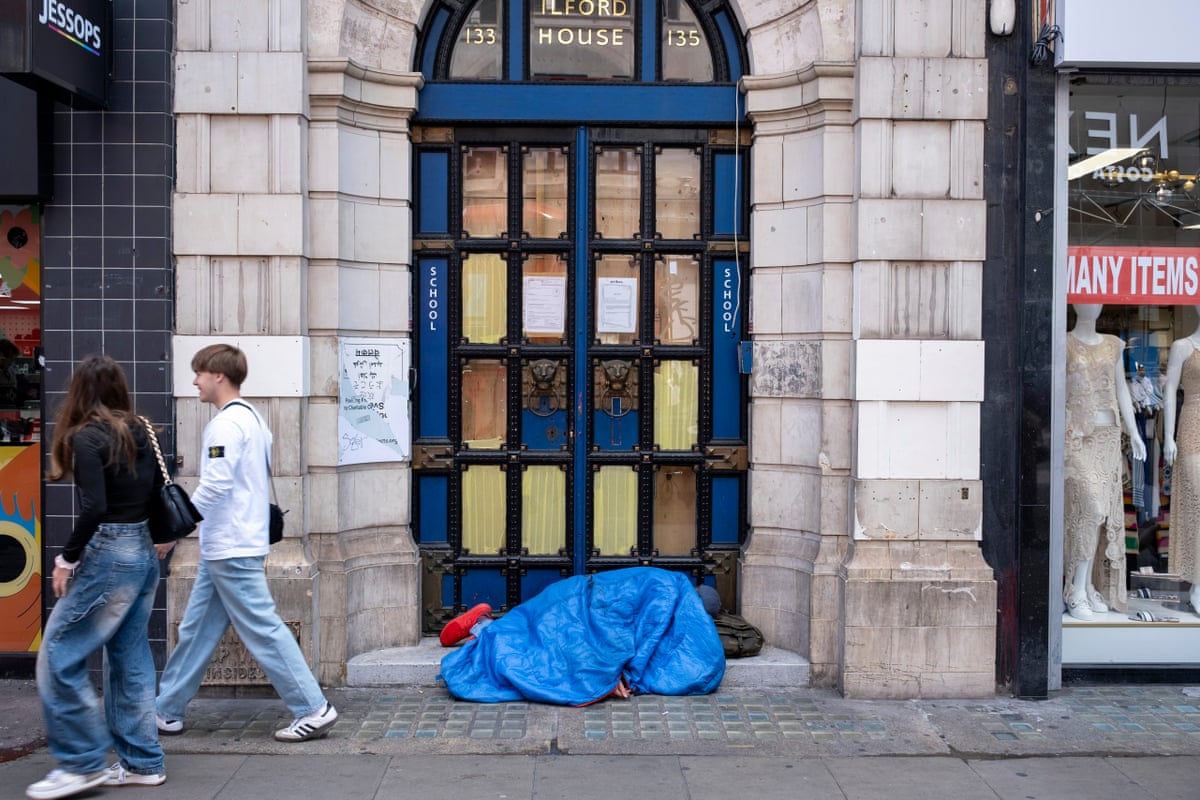
Hewett is among a growing number of older individuals facing homelessness in the UK, driven by rising living costs and a shortage of social housing. The Office for National Statistics reports that 15,690 households headed by people over 65 are at risk of homelessness, a 79% increase over five years.
Hewett commented on the increasing difficulties older people face, especially those reliant on state support who did not benefit from purchasing council homes and now suffer from the consequences of their sale.
“Life has become so much more costly,” he said. “They were bad enough before then.”

Charity Perspectives on Older Homelessness
Sarah Elliott, chief executive of Shelter, highlighted that as the population ages and rents rise, more older people are displaced from long-standing communities into inadequate temporary accommodation.
“Pensioners should be enjoying their hard-earned retirement, not facing the threat of homelessness,” she said. “To make sure people have dignity and stability in their old age, we must limit in-tenancy rent hikes and, ultimately, build a new generation of social rent homes.”
Several homelessness charities report increasing numbers of over-55s seeking assistance. Chain (Combined Homelessness and Information Network) recorded an increase in rough sleepers aged over 55 in London from 450 at the start of 2024 to 713 at the end of 2025.
Alexander Brown, director of Soup Kitchen London, noted a clear rise in over-65s over the past two years, now comprising about 20% of the 200 people the charity assists each morning. Factors include rising food and utility costs, poor physical health, and social isolation.
The Greater Change charity, which provided Hewett with a grant, reported that over four years, the median age of those it supports increased by over eight years. Its chief executive, Jonathan Tan, observed in 2024 that the proportion of over-55s helped doubled to 12% from 6% in 2023 and has remained above 10% since.

“Older clients were rarely pushed into homelessness by a single event. Instead, loss, ill health, financial pressure and systemic gaps pushed people into crisis, compounded by rising living costs, the loss of employment later in life and limited opportunities to re-enter the workforce,”Tan said.
He added that navigating benefits and pensions through complex online systems can overwhelm many older people, with support often arriving too late when they are already in crisis.
“We do think it will get worse … temporary accommodation is already under severe pressure and there is very little flexibility in the system,”he said.
Research and Policy Insights
Jess Harris, a homelessness researcher at King’s College London, identified two main groups of older homeless individuals: those with long-term, complex needs including addiction, mental illness, and childhood trauma, and those more recently experiencing temporary homelessness.
She emphasized the role of an under-researched “social care gap” that perpetuates homelessness by failing to prevent and manage complex health issues. Older people living in hostels often receive health and social care in environments not designed for their needs.
Morgan Vine, director of policy at Independent Age, linked the rise in older homelessness to the increasing number of older people living in the private rented sector, noting that one-third of older private renters live in poverty after housing costs.
Despite average UK rent rising by 10.5% since April 2024, housing benefit has been frozen since 2024, a situation Vine urged the government to address.
Personal Experiences
Sarah*, in her mid-60s, experienced homelessness after a relationship breakdown, resorting to sofa surfing with friends and family. Like Hewett, she found her benefits insufficient to cover rent or deposits and faced benefit suspension due to lacking a fixed address.
“I wouldn’t recommend it to anybody, because you’d be sleeping on sofas and things like that. You’ve got to keep on moving around every three nights,”she said.
“I think it’s difficult for older people now, especially if they don’t have friends and family to help them. They can’t afford much with prices going up … The government should help older people more to find a place to stay.”
Government Response
A spokesperson for the Ministry of Communities & Local Government stated:
“No one deserves to experience homelessness. That is why we are taking action to prevent homelessness and investing £3.6bn in homelessness and rough sleeping services.
We’re also tackling the root cause of homelessness by building 1.5m new homes and investing £39bn in social and affordable housing. Our Renters’ Rights Act will also empower private tenants to challenge excessive rent hikes and give tenants the added security that they deserve.”


