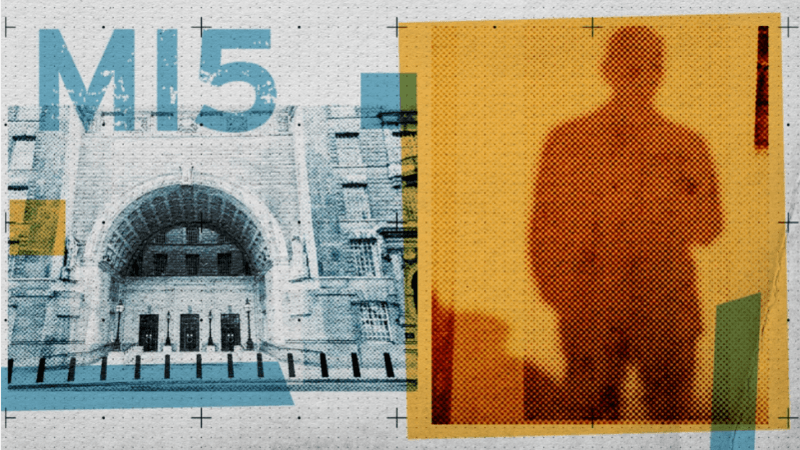
Senior judges have ruled that MI5 and its staff will not face contempt of court proceedings, despite the spy agency's admission that it provided false evidence to three separate courts. The decision, made by three judges including Lady Chief Justice Baroness Sue Carr, reflects concerns that pursuing such a case would prove too unwieldy for the judicial system to manage effectively.
According to BBC News, the judges determined that the public interest would not be served by initiating contempt proceedings. Instead, they have indicated that police possess the necessary investigatory powers and resources to handle the matter, with individual MI5 officers now potentially facing investigation for misconduct in public office.
The false evidence was submitted in connection with a case involving an abusive informant referred to as Agent X. MI5 formally acknowledged providing false court evidence in September 2026 following an independent investigation that uncovered systematic dishonesty in the handling of the case.
Background to the case
The underlying scandal centres on MI5's management of a violent neo-Nazi agent. A watchdog inquiry published in July 2026 revealed that MI5 knew the agent was violent and misogynistic but continued deploying him despite abuse allegations and misleading courts. The security service's conduct in this matter has drawn significant criticism from oversight bodies and raised serious questions about institutional accountability within the intelligence community.
What happens next for MI5 officers?
Rather than facing institutional contempt charges, the focus now shifts to potential individual prosecutions. Police will investigate whether specific MI5 officers should be charged with misconduct in public office—a criminal offence that carries potential imprisonment. This approach means accountability may be pursued through the criminal justice system rather than through contempt proceedings, though the outcome remains uncertain.
The decision also comes amid a broader pattern of legal challenges to MI5's conduct. In July 2026, MI5 and the PSNI were ordered to pay £20,000 in damages to former BBC journalist Vincent Kearney after illegally obtaining his phone records, highlighting ongoing concerns about the agency's adherence to legal standards.