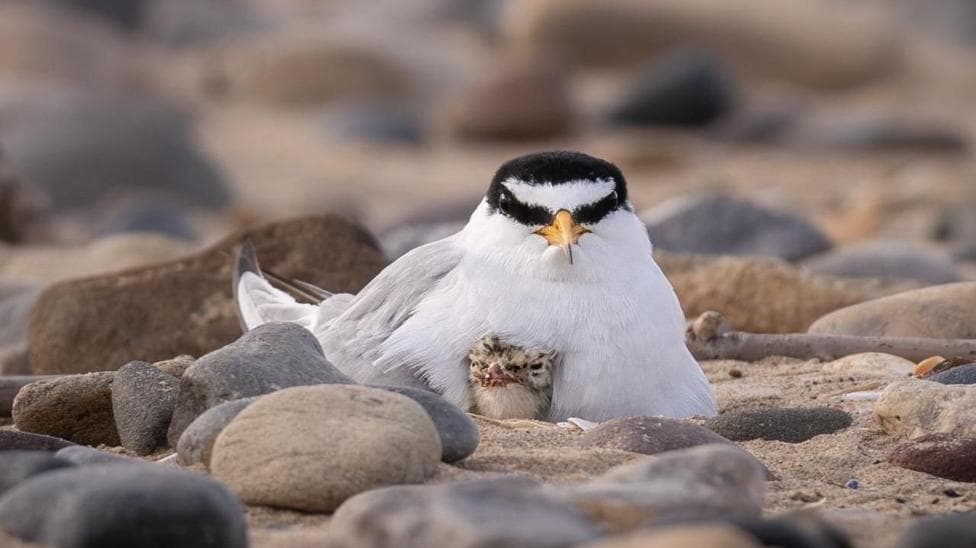
A little tern colony at Seaton Carew, near Hartlepool, has endured its most challenging breeding season since the birds first established themselves at the site in 2019. The seabirds migrate approximately 3,000 miles (4,828km) annually from West Africa to reach this location, but this year's results fell dramatically short of previous years.
The 83 nesting pairs at the colony produced only 17 fledglings in 2026, a stark decline from the 67 fledglings recorded in 2025. According to local reporting, smaller-than-average clutches and shoreline disturbance were among the factors affecting breeding success.
Tees Valley Wildlife Trust identified multiple challenges that contributed to the poor outcome. Severe flooding and damage to the colony's protective perimeter fence created hazardous conditions for nesting birds. The fence itself was washed away during high tides earlier in the year, leaving the vulnerable colony exposed.
Lead warden Derek Wood highlighted additional pressures on the birds.
The season has been a difficult one for the dedicated wardens and volunteers who work tirelessly to protect the colony,he said. Beyond environmental factors, a delayed arrival of the birds' inshore food supply and predation from natural predators further strained the colony's breeding success.
Dog intrusions into the exclusion zone emerged as a significant problem during the breeding period. In June, numbers had dropped by 50%, which the team attributed to dogs entering the protected area. According to detailed monitoring data, wardens recorded 427 dogs entering the exclusion zone across May, with 93 breaches documented in a single day in June. At that point, the colony had only 55 nesting pairs, against an anticipated 110 pairs.
The council's seasonal dog exclusion area extends from the Norton Hotel to the coach parking area and operates from 1 May to 30 September each year to protect nesting birds during their critical breeding window.

What conservation status do these birds hold?
Little terns are classified as amber on the UK list of conservation concern, reflecting their vulnerable status and the importance of protecting breeding colonies like the one at Seaton Carew. The species' long-distance migration and dependence on specific coastal habitats make them particularly susceptible to environmental disruption and human interference.
How will the trust improve conditions for next season?
Despite the difficult 2026 season, Tees Valley Wildlife Trust remains optimistic about the colony's recovery. The team is actively planning improvements to the site and developing strategies to better protect the birds when they return from Africa. The trust is examining lessons learned from this year's challenges to strengthen defences and reduce threats ahead of the next breeding cycle.
When will the terns return?
The birds are expected to return to Seaton Carew in April 2027 for the next breeding season. The trust and its network of dedicated volunteers are preparing now to ensure conditions are as favourable as possible for the colony's recovery. Enhanced fencing, improved predator management, and stricter enforcement of the dog exclusion zone are among the measures being considered to support a more successful outcome in 2027.
Key facts
- The 83 nesting pairs produced 17 fledglings in 2026, down from 67 in 2025
- Flooding, fence damage, delayed food supply, and predation all contributed to breeding failure
- Dog intrusions into the exclusion zone peaked at 93 breaches in a single day in June
- Little terns are classified as amber on the UK conservation concern list
- The birds migrate 3,000 miles from West Africa to breed at Seaton Carew each year