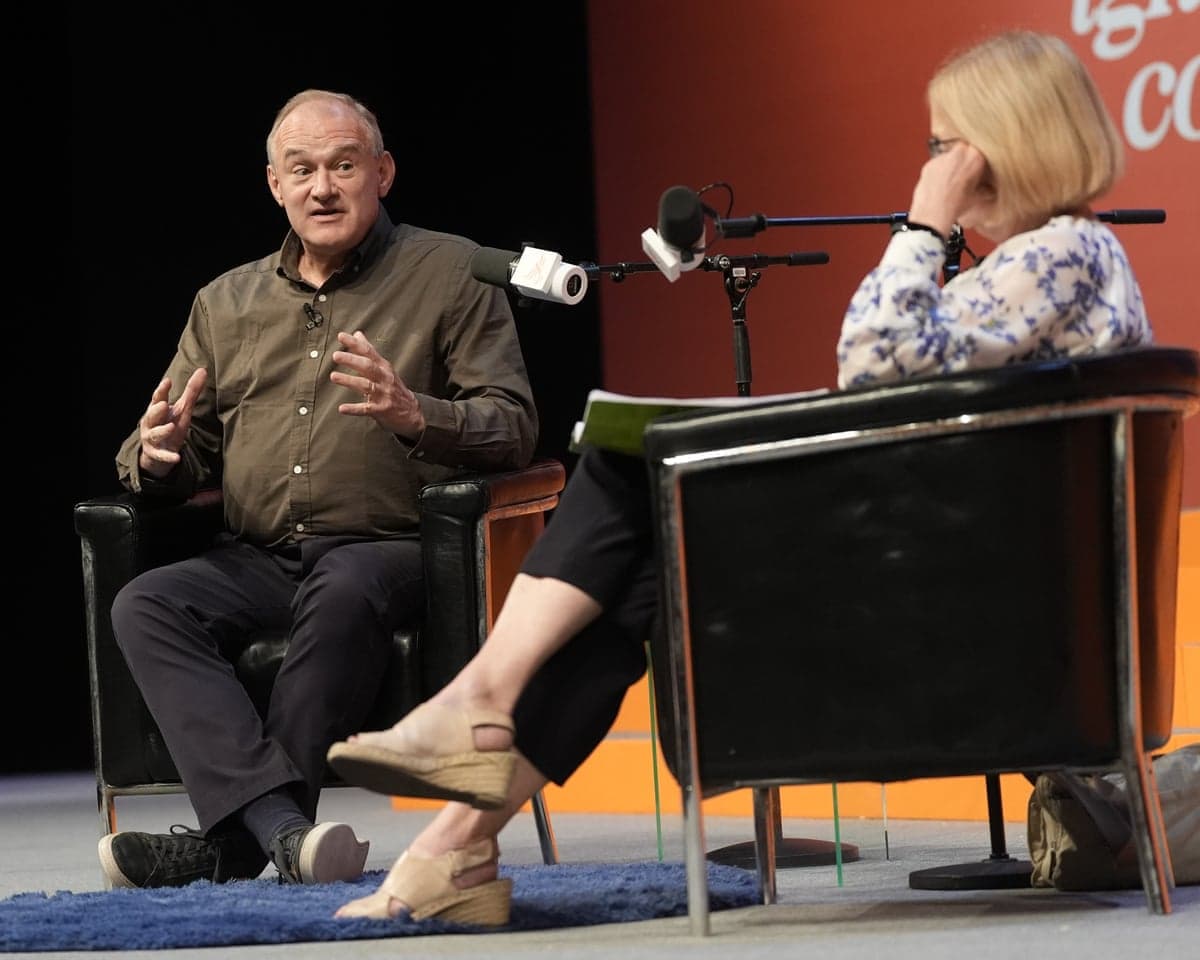
The Liberal Democrats have used their autumn conference in Brighton to announce a £2bn plan to reduce fuel duty, alongside other cost-of-living measures, as the party confronts growing concern among members and supporters that voters lack clarity about its policies and political identity.
The fuel duty proposal—a 10-pence-per-litre reduction for a fixed three-month period—forms part of a broader policy package designed to address findings that Liberal Democrat policies remain far less recognisable to the public than those of newer political movements. Polling data presented at the conference showed that Reform UK, which was founded in February 2023 and holds only one parliamentary seat, enjoys greater public awareness of its platform than the Lib Dems, despite the latter holding 71 seats in the House of Commons.
Party leader Ed Davey will present the fuel duty initiative alongside additional proposals during his keynote speech on Tuesday 22 September 2026. These include reducing the £3 cap on bus fares to £1 and implementing a 10% reduction in rail fares. According to reporting on the conference opening, Davey has also used the event to position the party as a bulwark against what he characterises as populism, stating the Lib Dems would act as a "firewall" against Nigel Farage and Reform.
Daisy Cooper, the party's deputy leader and Treasury spokesperson, delivered remarks on Sunday outlining proposals to stimulate economic growth through strengthened relationships with Europe, building on existing plans to pursue re-entry into the EU single market. This positioning reflects the party's broader conference theme, which encompasses cost of living, economic growth and political reform.
Why is the party concerned about its public profile?
Research commissioned by More in Common and presented at the conference revealed significant gaps in public understanding of Liberal Democrat policy positions. The polling found that just 39% of voters reported having any clear sense of what the party stands for—a figure lower than every other major political party, including Reform UK, which was established only slightly over a year ago by Rupert Lowe following his departure from Reform.
The research highlighted stark disparities in media presence and visibility. Only 16% of voters reported hearing from the Lib Dems in recent months, compared with 66% for Reform. On social media, just 3% said they had encountered Davey, whereas 20% reported seeing Nigel Farage, Reform's leader. These metrics underscore the party's struggle to maintain prominence in the political conversation as newer movements gain traction.
The polling data also revealed a troubling geographical and demographic skew in the party's support. The research found that the strongest predictor of Liberal Democrat support correlated with the presence of upmarket bakery chain Gail's locations, with the party performing five times better in the 2024 general election in the least deprived parts of the country compared to the most deprived areas. Tom Gordon, the MP for Harrogate and Knaresborough, acknowledged this imbalance at the conference, noting that the party holds only four seats across the entire north of England against 58 in the south.
If we want to be a party of government, then we need to have a message for the whole country, not just parts of it, Gordon stated.
One Lib Dem MP speaking at a conference fringe event where the findings were presented argued that the party must broaden both the geographical reach and social range of its messaging to address these shortcomings.

How is Davey responding to criticism?
In media appearances on Sunday morning, Davey pushed back against suggestions that the Liberal Democrats risk being sidelined in political discourse as Reform UK and the Greens gain prominence. The party currently stands at approximately 12% in national polling, a static position that has prompted concern among some members about its visibility.
Davey emphasised that his party delivers tangible results rather than merely generating headlines without substance.
I'm talking about real change, not just talking about the bubbles, he told a national broadcaster's programme. He highlighted the party's track record of electoral success at local level, stating:
We have been winning council elections for eight years in a row. That has never happened before – it's the most successful period that we've had.
According to reporting from the conference opening, Davey used the occasion to attack Reform and billionaire Elon Musk, declaring that the Lib Dems would "not give up the fight" against what he termed "nasty populism." This framing reflects the party's broader conference strategy of positioning itself as a counterweight to right-wing populist movements ahead of the next general election.
What do party MPs say privately?
While no public challenges to Davey's leadership have emerged among Liberal Democrat MPs, some have expressed frustration that the party's messaging lacks sufficient clarity and fails to reach voters effectively. This sentiment reflects the More in Common research findings and suggests internal awareness of the communication challenge.
Most of Davey's parliamentary colleagues acknowledge that he has delivered the party's strongest election result in recent history, and many anticipate further gains at the next general election despite the current plateau in national polling. This optimism partly reflects expectations of tactical voting by voters seeking to block other parties.
However, some long-serving party activists expressed a desire for greater prominence and distinctiveness. One veteran conference attendee remarked:
The voters only seem to properly notice us once every four years, when there's an election. It's a bit like being curling at the Winter Olympics – the rest of the time we're forgotten. It would be good if we had a more distinctive message, and that needs boldness.
What happens next?
Davey's keynote speech is scheduled for 14:30 on Tuesday 22 September 2026, with a question-and-answer session following at 14:55. The four-day conference, running from Saturday 19 September through Tuesday 22 September in Brighton, will conclude after his address. The party is using the event to begin laying out its pitch for the next general election, with cost of living, economic growth and political reform as central themes.
Prior to the conference, Davey stated that the Liberal Democrats bore a "moral responsibility" to prevent a Reform-led government and warned that Conservative leader Kemi Badenoch might eventually seek an alliance with Farage's party, further cementing the party's positioning as a political alternative to both the current government and the populist right.